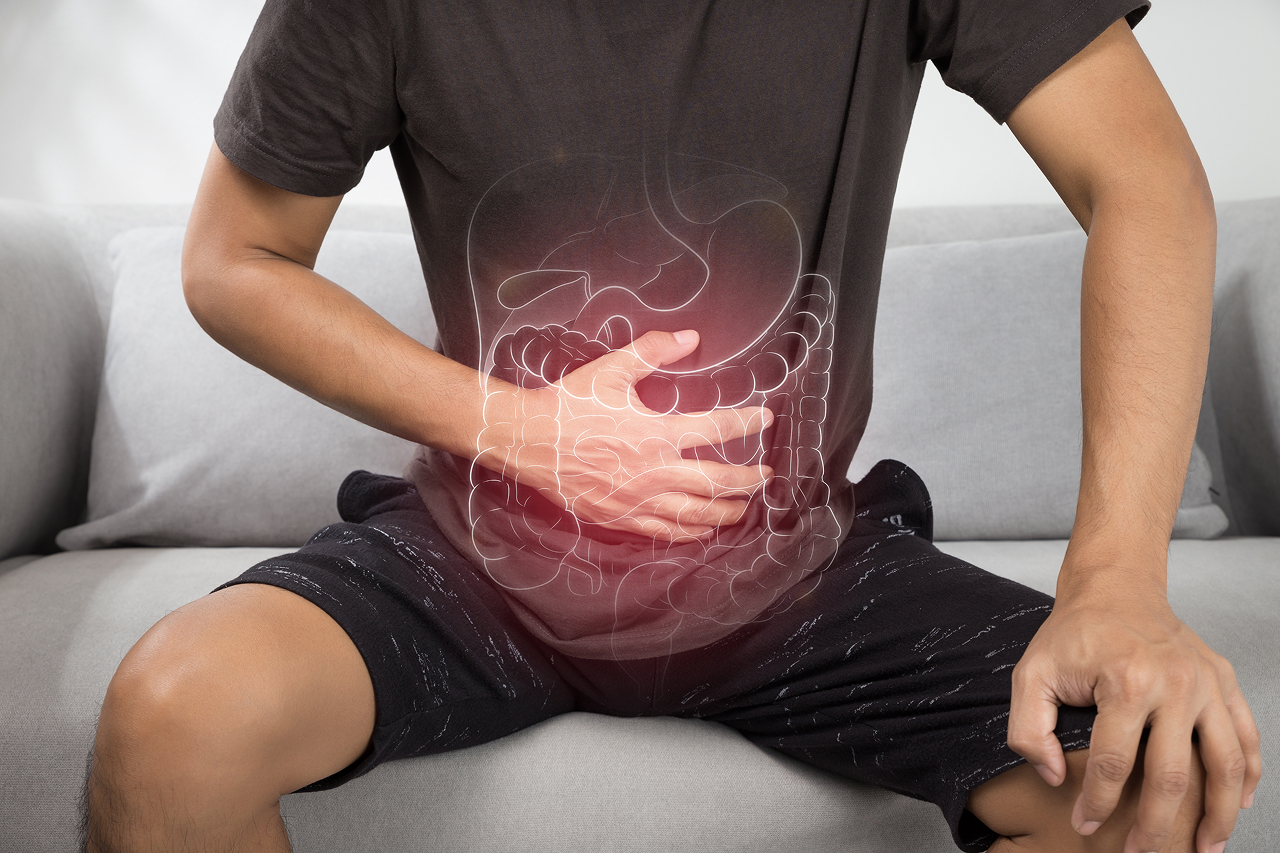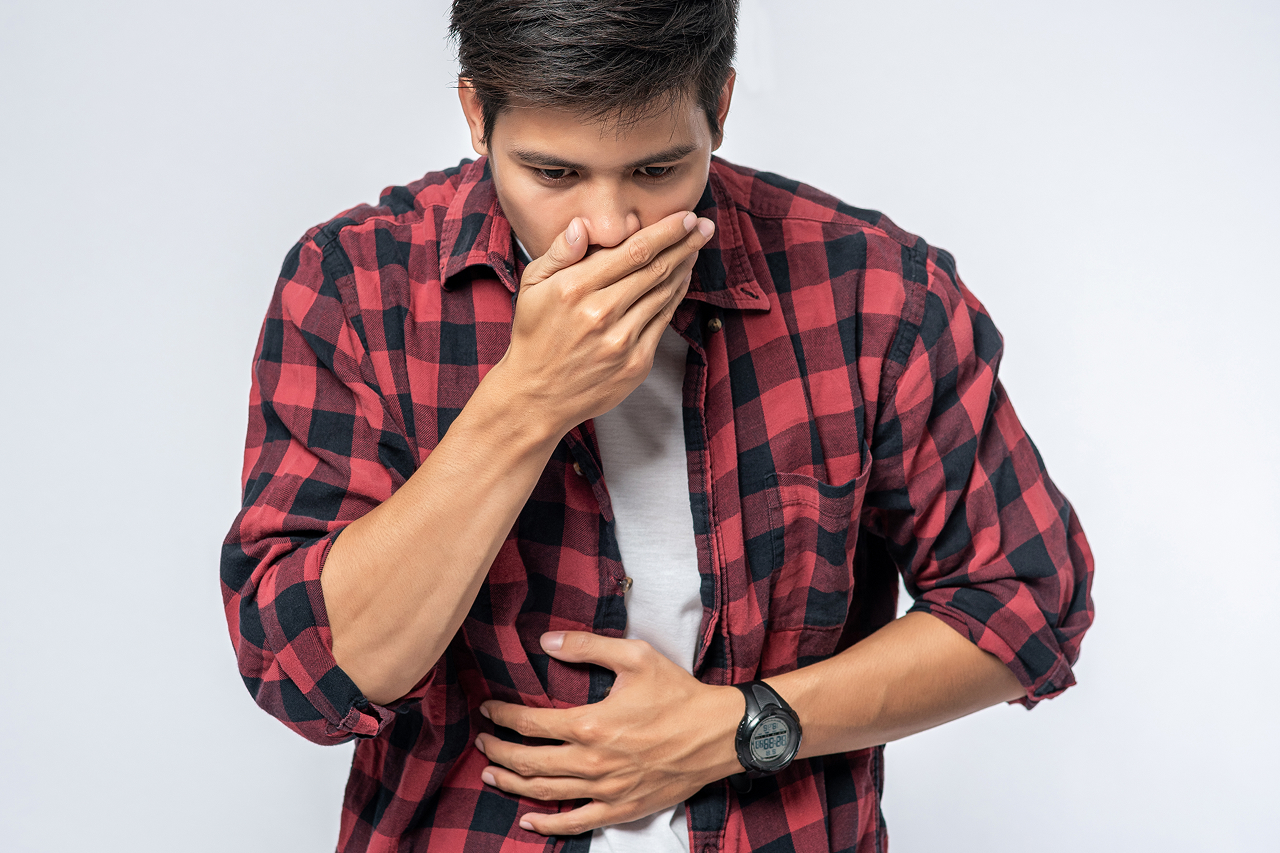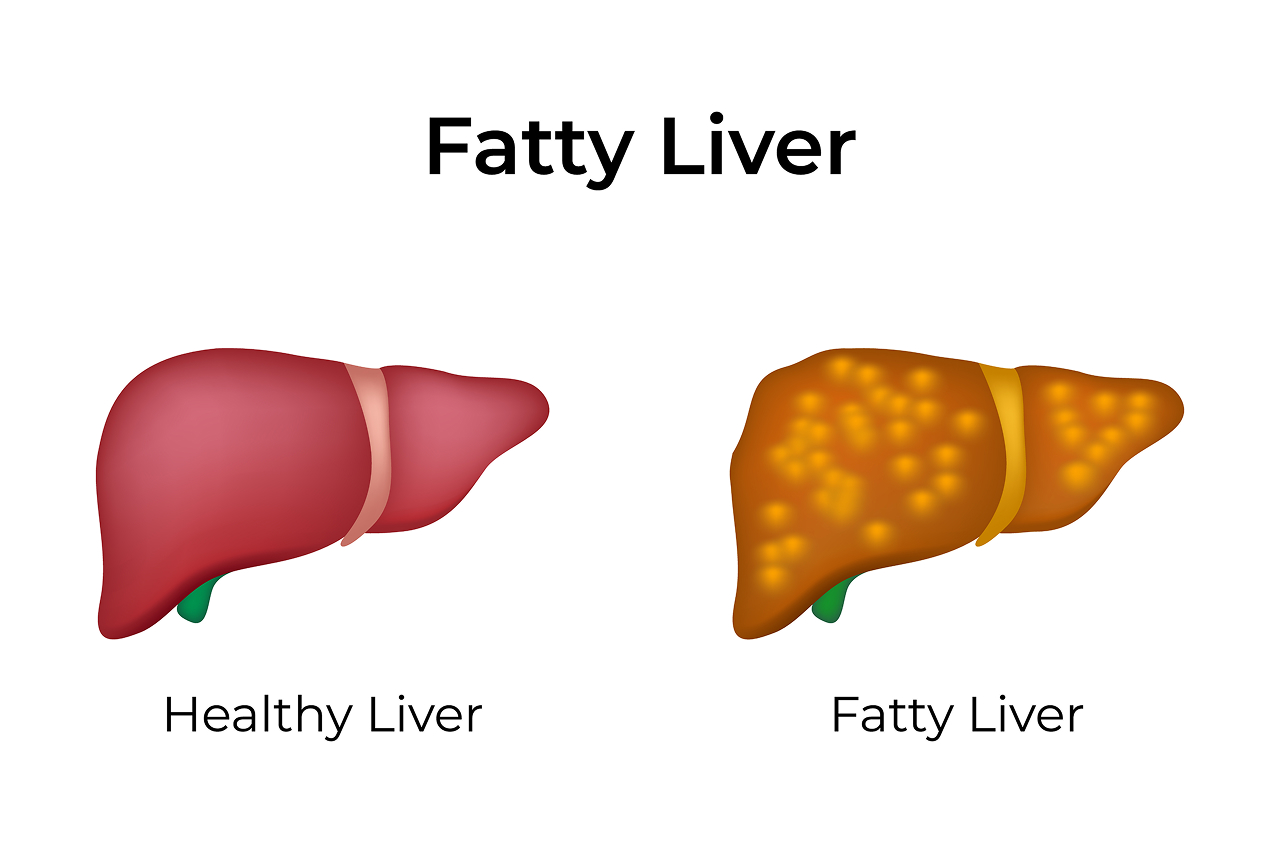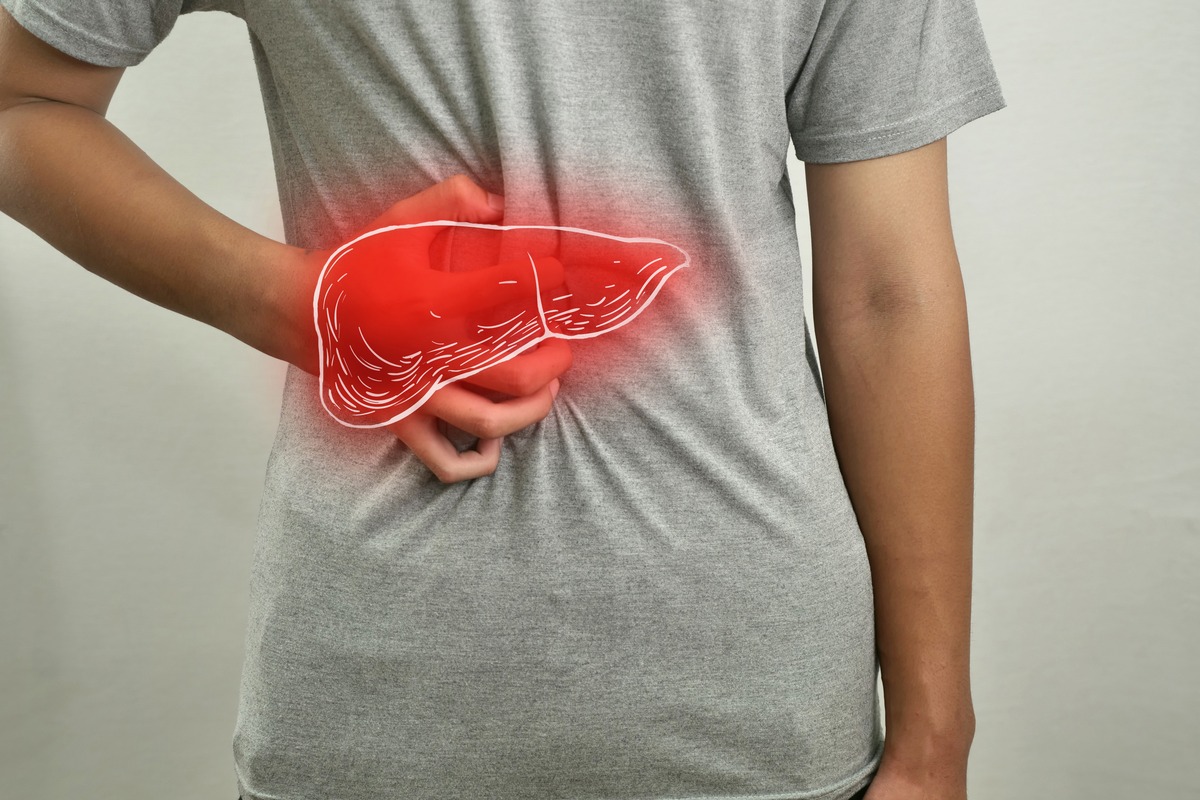

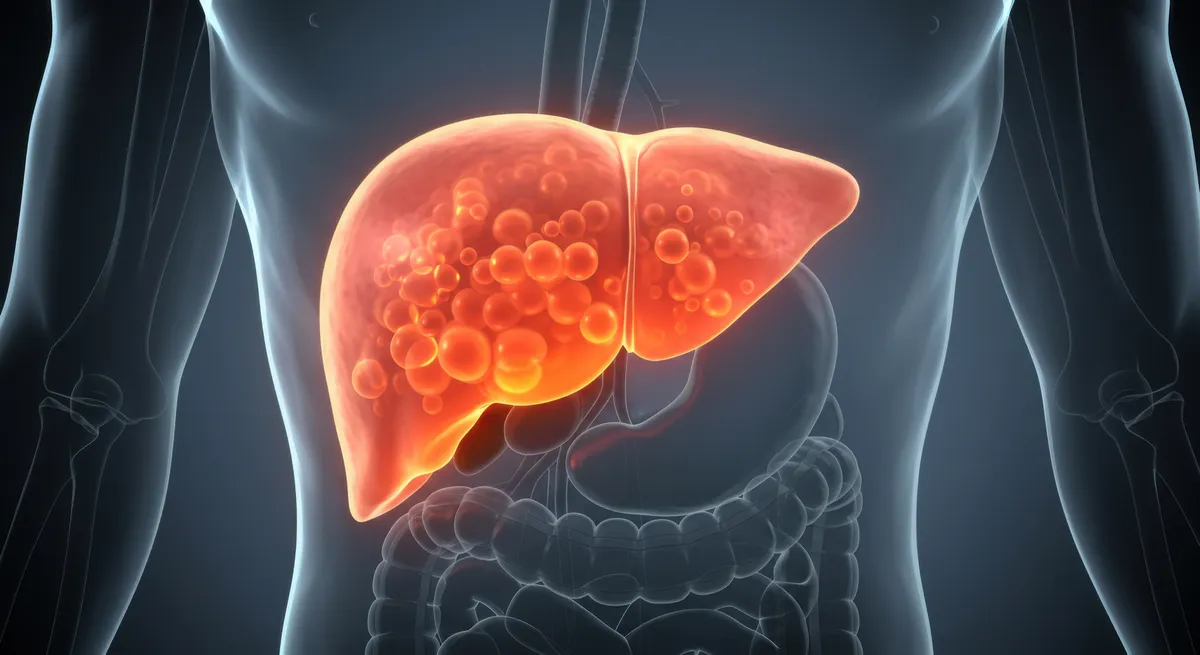
Fatty Liver Disease is a medical condition in which the liver accumulates excess fat. The medical condition has been on the rise globally, driven by lifestyle factors such as diet, lack of exercise, obesity, and metabolic disorders. While fatty liver disease does not show symptoms in many of those affected, it is still a medical condition that affects overall health if not well managed.
To those affected by fatty liver disease, it is essential to understand how the medical condition may impact life expectancy and overall health. While some cases of fatty liver disease may be mild, other cases may result in more serious liver-related medical conditions if not managed adequately.
In this article, we will discuss how fatty liver disease may impact life expectancy, the factors involved, and how an affected person may manage the medical condition for the improvement of liver health.
Understanding Liver Fatty Disease
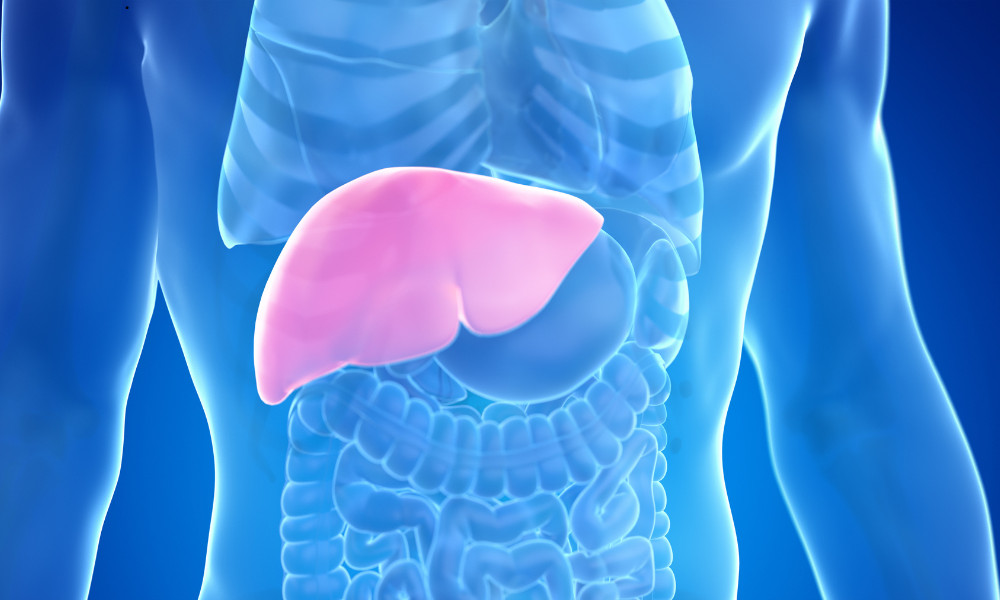
Fatty liver disease is a condition that develops when your liver becomes too full of fat. Your liver is a very important organ that helps process nutrients from the food you eat and filter toxins from your body. When your liver becomes too full of fat, it can affect these processes. In other words, liver fatty disease occurs when too much fat gets stored in the liver. A little bit of fat is normal, but if there is more than 5-10% of fat in the liver, then it is called fatty liver disease.
Types of Fatty Liver Disease
Two primary forms of fatty liver disease:
1. Alcoholic Fatty Liver Disease (AFLD)
Alcoholism, with almost 2-3 drinks in a day for women and 3-4 for men or more than 20g/day, can also cause fatty liver. However, this occurs after many years of alcohol consumption.
2. Non-Alcoholic Fatty Liver Disease (NAFLD)
In this situation, the liver fails to work in order to metabolise fats, carbohydrates, and proteins. Obese people and, mainly, women have more opportunities to be affected by this disease.
Nonalcoholic fatty liver disease is mostly found in people with obesity and insulin resistance. However, it can also be found in slim individuals.
Four Stages of Non-Alcoholic Fatty Liver Disease
NAFLD is currently a medical term for Metabolic dysfunction associated steatotic liver disease (MASLD). It takes a while to form and moves through several phases. Not all people will go through all the stages, as many people stay in the early stages throughout their lives with healthy lifestyle changes.
1. Simple Fatty Liver (Steatosis)
This is the first stage.
- Fat accumulates in liver cells
- There is no inflammation
- There is no scarring
- There are often no symptoms
The life span is also normal, and the condition can be reversed by losing weight, exercising, and improving metabolism.
2. NASH / MASH (Inflammation Stage)
When the fat starts to irritate the liver, inflammation sets in. This stage was known as NASH and is currently known as MASH.
- Fat + Inflammation
- Liver cells start getting damaged
- Mild symptoms may start to appear (fatigue, discomfort in the upper abdomen)
Not all people with fatty liver will progress to this stage. Proper management can help reduce the inflammation.
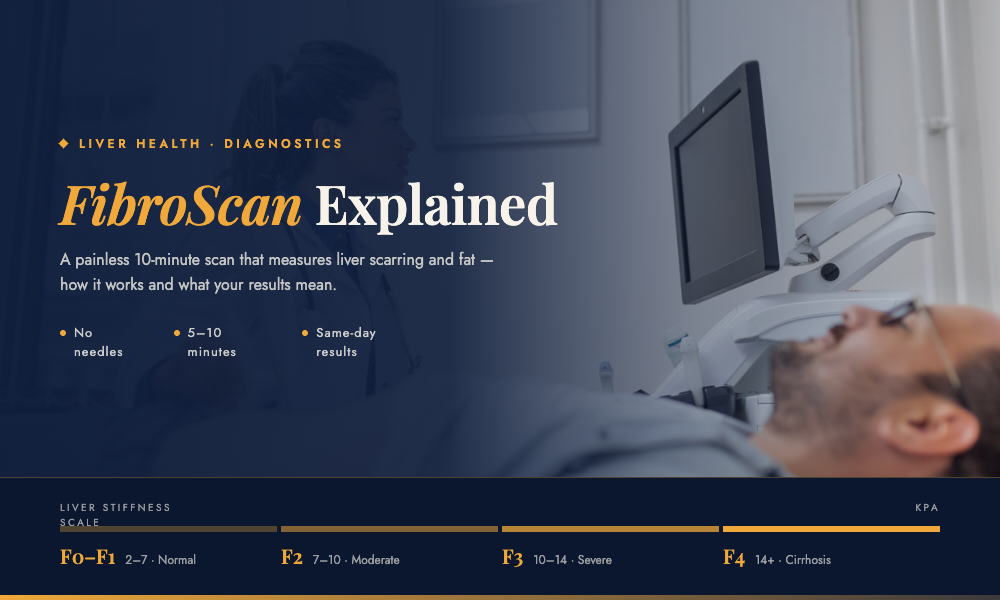
3. Fibrosis (Scarring)
If the inflammation persists, then scarring of the liver begins to occur. The stages of fibrosis are classified as follows:
- F1: Mild scarring
- F2: Moderate scarring
- F3: Advanced scarring
The greater the scarring, the more difficult it is for the liver to work properly. However, in some cases, early fibrosis may reverse itself with proper lifestyle changes.
4. Cirrhosis (Advanced Scarring)
This is the most advanced stage.
- Extensive scarring
- Liver structure becomes distorted
- Liver function declines
Cirrhosis can be:

Prioritise Your Health With Consultant-Led Care!
- Immediate private consultations with UK specialists.
- Accurate diagnosis & clear answers.
- Professional medical plan to move forward.
- Compensated: Liver is still functioning fairly well
- Decompensated: Severe complications arise (fluid accumulation, bleeding, confusion)
Cirrhosis needs to be closely monitored by a physician.
Fatty Liver Disease: Symptoms and Impact on Life Expectancy
Symptoms of Fatty Liver Disease
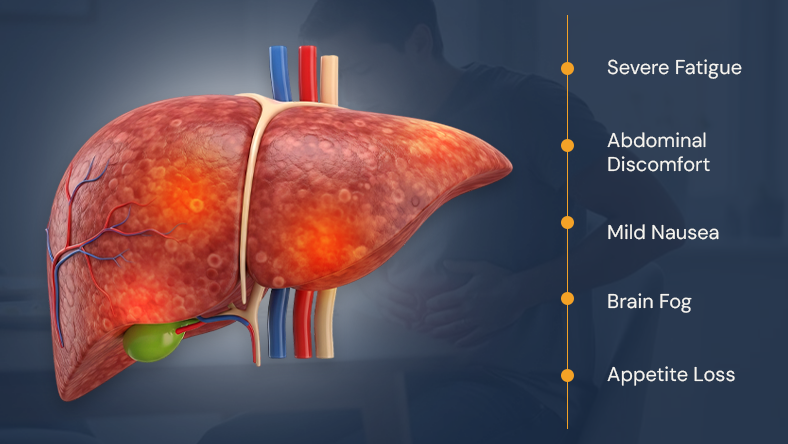
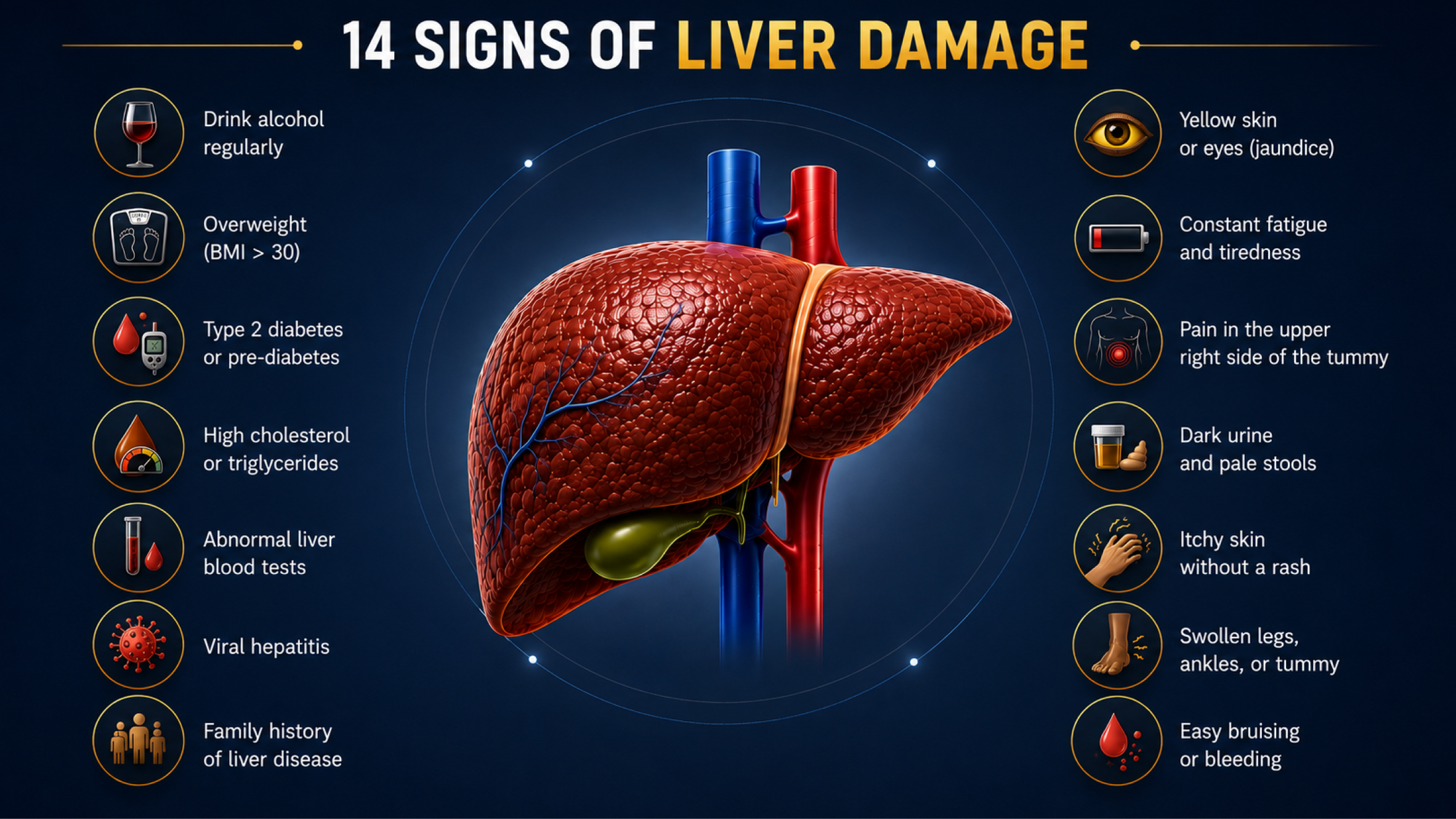
In most instances, fatty liver disease does not present symptoms. However, it may sometimes result in:
- Fatigue
- Nausea
- Pain in the Abdomen
- Jaundice (yellowing of the skin and eyes)
- Ascites (swelling of the abdomen)
Impact on Life Expectancy
For people who have early-stage fatty liver disease, the average life expectancy is normal, especially if healthy lifestyle modifications are implemented. The liver is a very resilient organ and can regenerate itself if the excess fat is reduced.
But if fatty liver disease advances to liver inflammation, fibrosis, or cirrhosis, it can lead to an increased risk of liver failure and other complications. Moreover, people with fatty liver disease also have other conditions, such as obesity, diabetes, or heart disease, which can impact their life expectancy.
Common Causes of Fatty Liver Disease
Fatty liver disease results from the accumulation of excess fat in liver cells. The causes include:
- Genetic factors
- Rapid weight loss
- Fat in the blood
- Poor diet
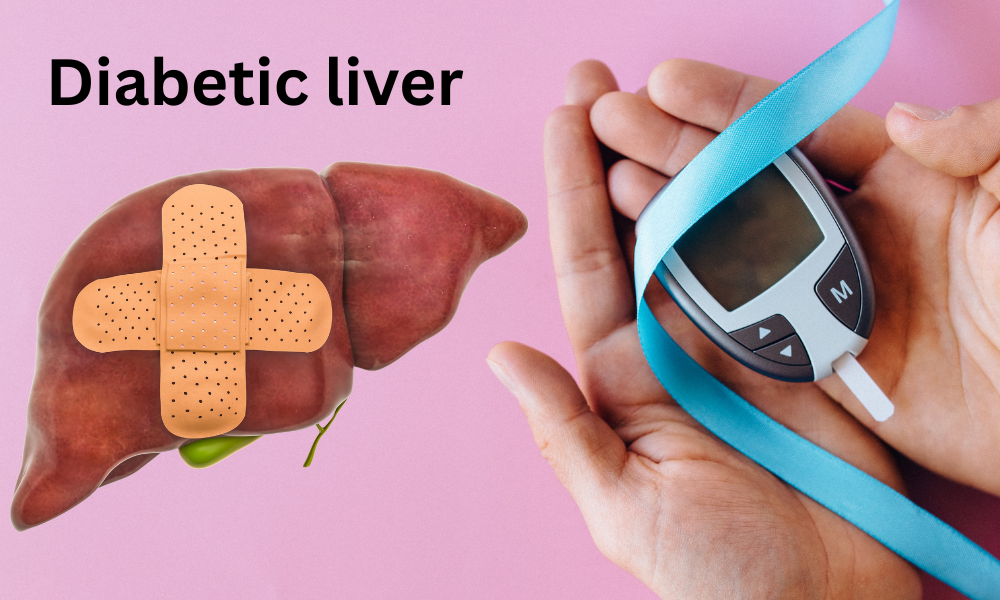
- Diabetes
- Sedentary lifestyle
- Lack of physical activity
- Obesity is the main cause
Life Expectancy with Fatty Liver Disease
Life expectancy for someone with Fatty Liver Disease is usually normal, especially when the problem is detected early and managed adequately. People live long and healthy lives with a good and balanced diet, regular exercise, and weight management. The early stages, such as Nonalcoholic Fatty Liver Disease, can be reversed with lifestyle changes.
However, when the problem advances to a serious liver problem such as Cirrhosis, it may impact the general health and life expectancy of an individual. Regular check-ups and good living habits are essential for liver health and life expectancy.
Does Fatty Liver Disease Lower Life Expectancy?
It depends on the severity and stage of the condition.
Fatty liver disease is a slow-progressing disease. Many patients stay in the early stage for years without any complications. If the disease is well-managed, patients can live a normal life. Complications usually occur when the inflammation and scarring become advanced.
NAFLD may reduce:
- Life expectancy is about 4.2 years for women
- Life expectancy is about 4.4 years for men
To better understand the treatment for fatty liver disease, it’s important to focus on sustainable lifestyle changes that support long-term liver health.
How Can I Cure Fatty Liver Disease? 11 Easy Lifestyle Changes
1. Limit Intake of Saturated Fats
Saturated fats are present in foods such as fatty meats, butter, cheese, and fried foods. Consuming high amounts of saturated fats can lead to an accumulation of fat in your liver and high cholesterol levels. Healthy alternatives to saturated fats include olive oil, nuts, seeds, and fatty fish. Small changes, such as using olive oil instead of butter in cooking, can bring about significant results.
2. Eat a Balanced Diet
Eating a balanced diet is one of the best ways to ensure that your body is getting the nutrients it requires. At the same time, it will also help to keep your liver healthy. In addition, make sure that you are eating plenty of lean protein. Avoid eating foods that are highly processed.
3. Quit Smoking
Smoking can harm almost all of your body organs, including your liver. It can accelerate inflammation and slow down the body's healing process. Quitting smoking can help you improve your liver function, reduce the risk of fatty liver disease progression, and also protect your heart and lungs. Reducing the amount of smoking can also be beneficial.
4. Exercise Regularly
Exercising your body can help it burn the fat, including the fat in your liver. You should aim to do 150-200 minutes of moderate exercise per week. This can include activities such as brisk walking, cycling, swimming, or light weight training. Exercise also increases your insulin sensitivity, lowers your cholesterol, and increases your energy levels. The important thing is to exercise on a regular basis. Even a 20-30 minute walk per day can be beneficial.
5. Limit or Avoid Alcohol
Alcohol can be harmful to liver cells and make fatty liver disease worse. Even if you drink in moderation, it can be risky if your liver is already storing fat. Cutting back on or quitting alcohol will give your liver time to heal and help you maintain a healthy liver for years to come.
6. Maintain a Healthy Weight
Being overweight, particularly around the waistline, is a risk factor for fat accumulation in the liver. Losing as little as 5-10% of your body weight can help reduce liver fat and inflammation. The goal is to lose weight healthily and sustainably through a balanced diet and regular exercise.
7. Follow Medications as Prescribed
Some health conditions, such as diabetes, high blood pressure, and high cholesterol, may need medications to keep your liver healthy. You can keep your liver safe by taking your medications as prescribed by your doctor. Do not change the dosage or stop taking the medication without consulting your doctor if you experience any side effects related to your liver.
8. Get Enough Sleep
Sleep is crucial for your body to heal itself and keep your metabolism in check. Lack of sleep has been known to increase the risk of obesity, diabetes, and insulin resistance, which are all risk factors for fatty liver disease. Make sure you get 7 to 9 hours of sleep each night and stick to a regular sleep schedule.
Replace Uncertainty With Expert Medical Insight From A Specialist!
- Consult UK specialists immediately.
- On-site blood testing & imaging.
- Structured treatment plans.
9. Cut Down on Sugary Foods
Sugary foods and beverages such as soda, candies, desserts, and pastries are also responsible for fat accumulation in the liver. Consuming high amounts of sugar, particularly fructose, triggers the liver to convert it into fat. Replace sugary foods with fruits or sweet snacks to save your liver.
10. Increase Intake of Herbs and Spices
Some herbs and spices can help the liver function properly and fight inflammation. Some of these include:
- Turmeric – It has curcumin, which fights liver fat and inflammation.
- Garlic – It helps the body regulate fat metabolism.
- Cinnamon – It helps the body increase insulin sensitivity.
Add these to your diet to help your liver.
11. Control the Intake of Refined Carbohydrates
Refined carbohydrates such as white bread, pasta, baked goods, and sweet breakfast cereals are rapidly broken down into sugar in the body, leading to an accumulation of fat in the liver. These should be replaced with whole grains, oats, quinoa, brown rice, or high-fibre substitutes.
Conclusion
Life expectancy for people with fatty liver disease is normal, especially when diagnosed at an early stage and treated through healthy lifestyle changes. Therefore, people can live healthy and long lives by eating healthy, exercising regularly, and controlling conditions such as diabetes and high blood pressure.
Even though fatty liver disease is prevalent, it is easily reversed at an early stage through proper care and attention. Therefore, by controlling sugar, refined foods, alcohol, and physical activity, people with fatty liver disease can take good care of their livers and live healthy lives with normal life expectancy.
Life expectancy with fatty liver disease is generally normal when detected early.
With the right lifestyle changes, healthy diet, regular exercise, and managing underlying conditions, you can reverse fatty liver and maintain long-term health. If you’re unsure about your condition or need personalised care, consulting a liver specialist Birmingham can help you get the right diagnosis and treatment plan.
Even though it is common, fatty liver disease is largely preventable and reversible in its early stages.
Frequently Asked Questions (FAQs)
1. What is liver fatty disease?
Fatty liver disease occurs when the liver becomes saturated with fat, which can impair liver function. Fatty liver disease can be caused by obesity, diet, diabetes, or alcohol consumption, and it can be reversed.
2. What are the main causes of fatty liver disease?
The main causes of fatty liver disease include obesity, unhealthy food habits with high sugar and refined carbohydrates, diabetes, high cholesterol, and alcohol use.
3. What are the five signs of fatty liver?
The five most common symptoms of a fatty liver are fatigue, pain or discomfort in the upper right part of the abdomen, weight change, yellowing of the skin or eyes, and swelling in the abdomen or legs. Sometimes, there are no symptoms at all.
4. How long does it take to reverse fatty liver?
In the early stages of fatty liver disease, the condition can begin to improve in as little as 3-6 months with healthy lifestyle changes such as diet, exercise, and weight loss. In more advanced cases, it may take 6-12 months or longer to reverse.
5. What is the life expectancy with fatty liver disease?
Life expectancy in patients with fatty liver disease is generally normal in the early stages, particularly with lifestyle modifications. It can become decreased if the disease advances to cirrhosis or any complications.
6. Can fatty liver disease be reversed?
Yes. In the early stages, fatty liver disease can be reversed by diet, exercise, weight loss, and controlling other diseases such as diabetes or high cholesterol.
7. Will alcohol intake influence life expectancy?
Yes. Alcohol intake can accelerate the progression of liver disease. Avoiding or reducing alcohol intake can help prevent the progression of the disease and maintain normal life expectancy.