
The primary treatment for fatty liver disease focuses heavily on lifestyle modifications rather than medication. For non-alcoholic fatty liver, the most effective treatment is losing 7% to 10% of your body weight through a Mediterranean diet and 150 minutes of weekly exercise. For alcohol-related fatty liver disease, complete abstinence from alcohol is essential to prevent permanent damage.
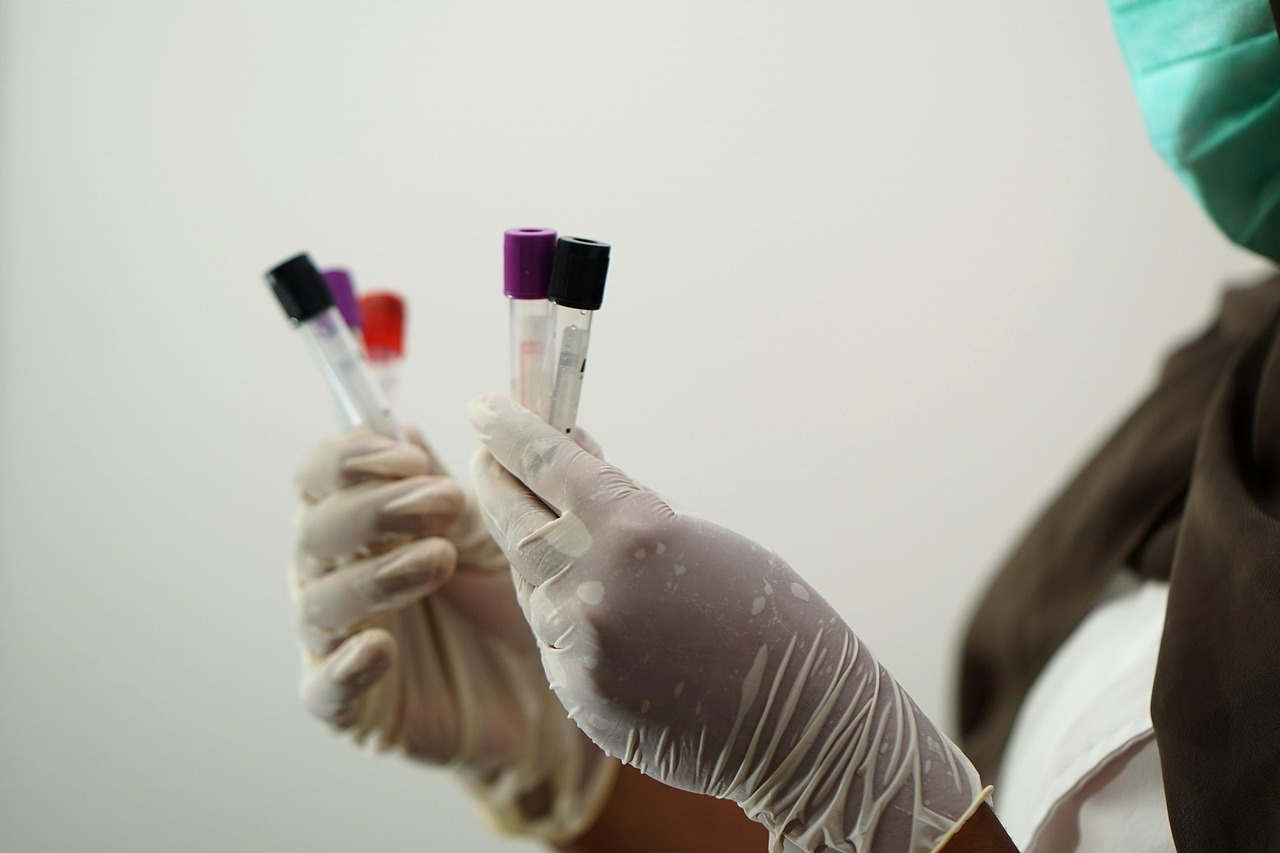
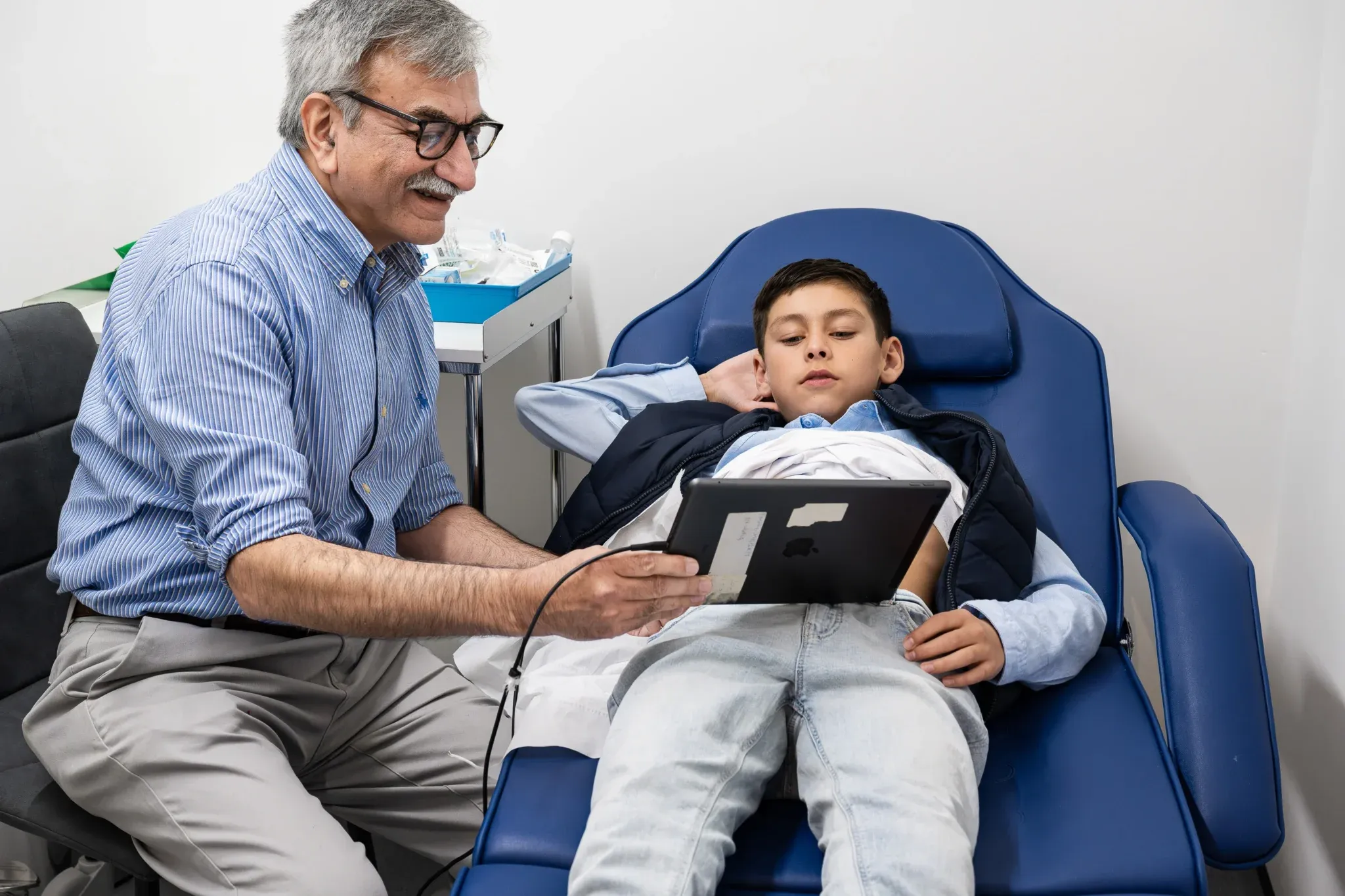
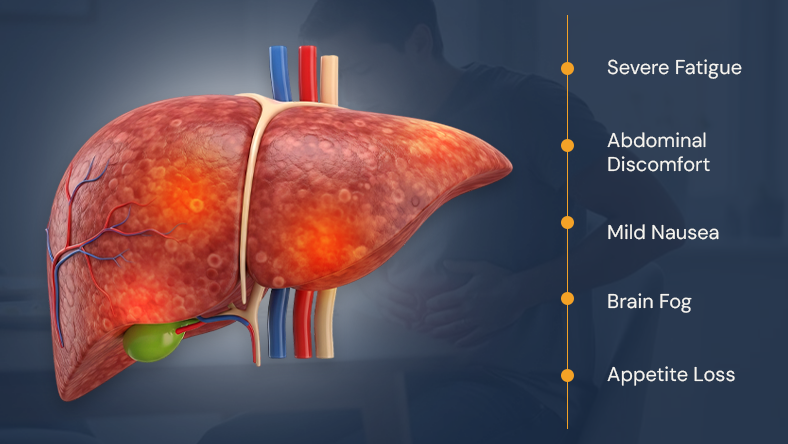
To be fair, receiving a fatty liver diagnosis from your GP can be quite a shock. This is especially true if you feel completely fine. Most people have no clear symptoms at all. You might only find out after a blood test for something else.
Read this blog till the end to learn everything about fatty liver treatment strategies.
The Two Main Types of Fatty Liver
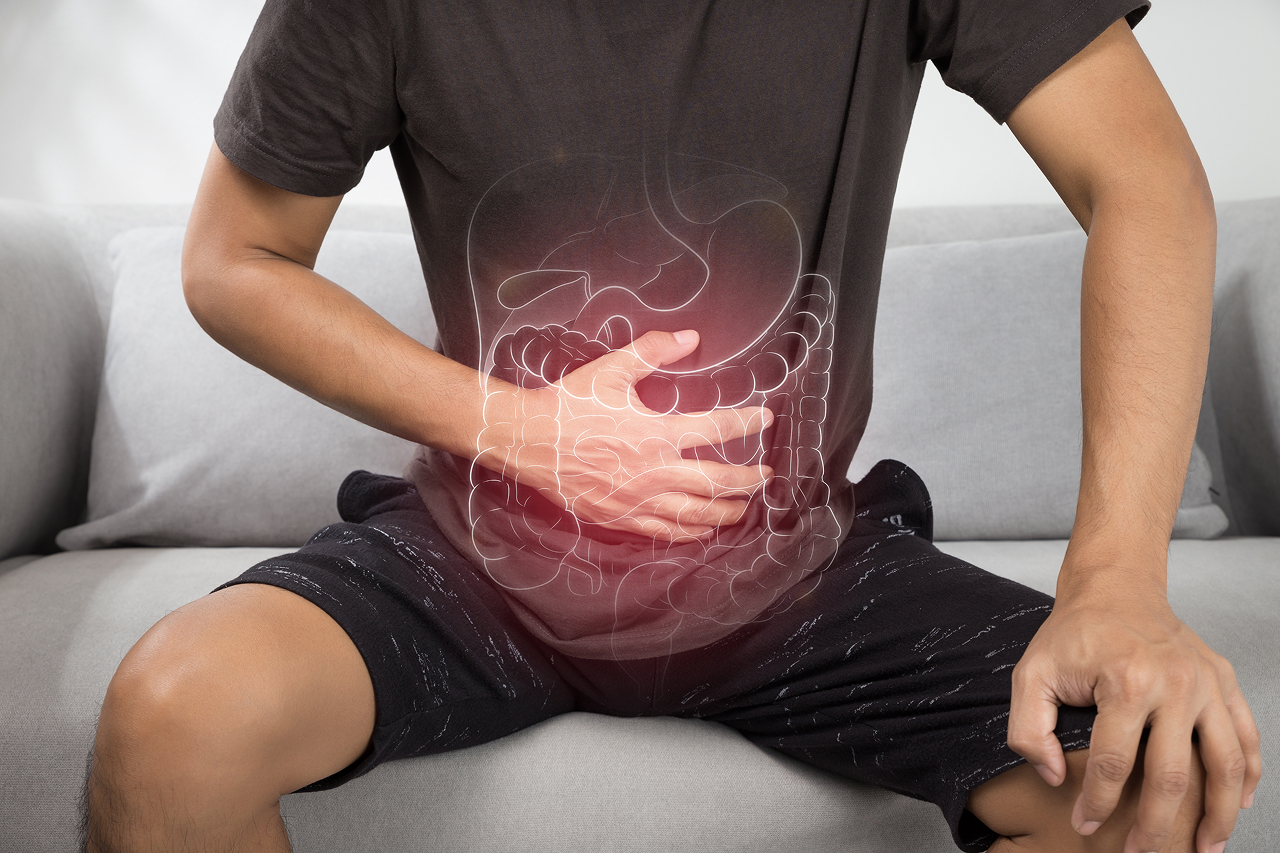
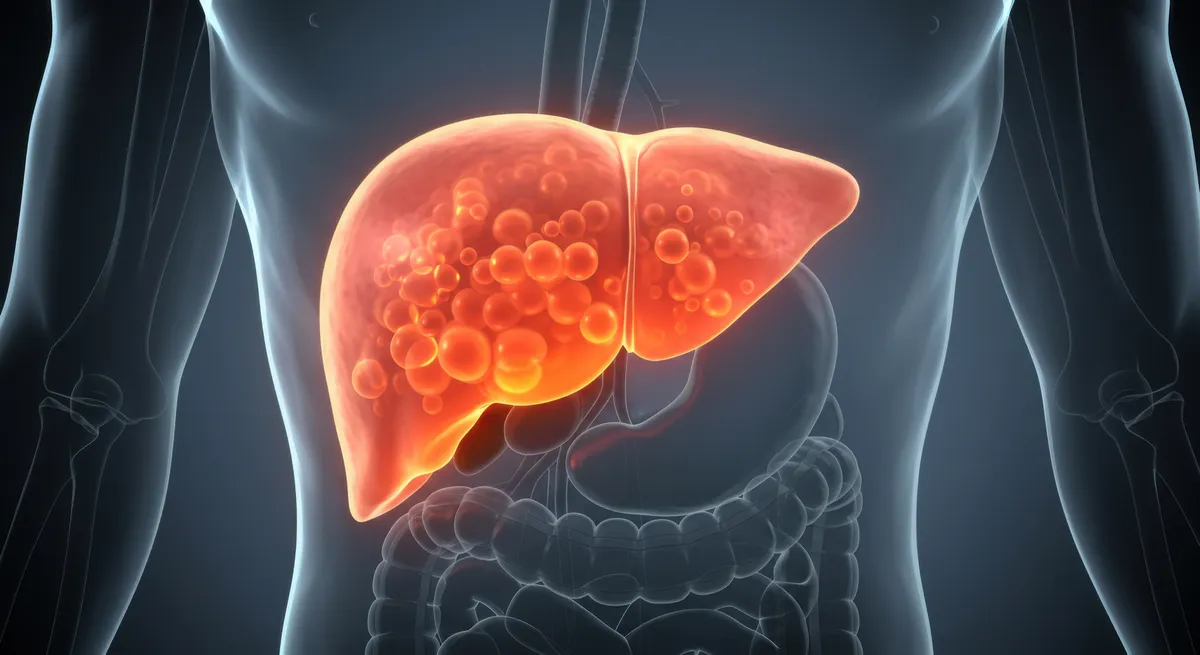
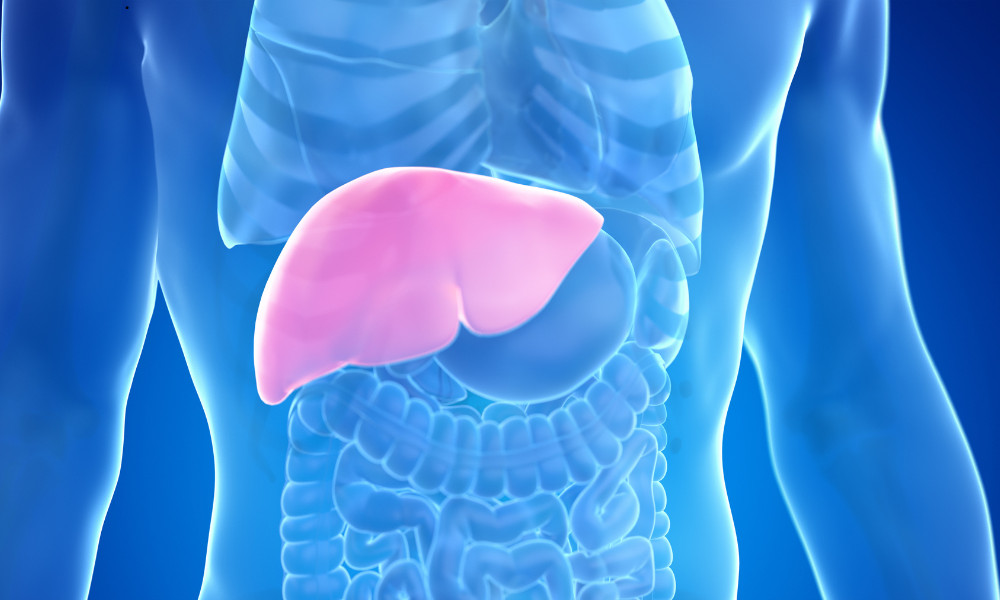
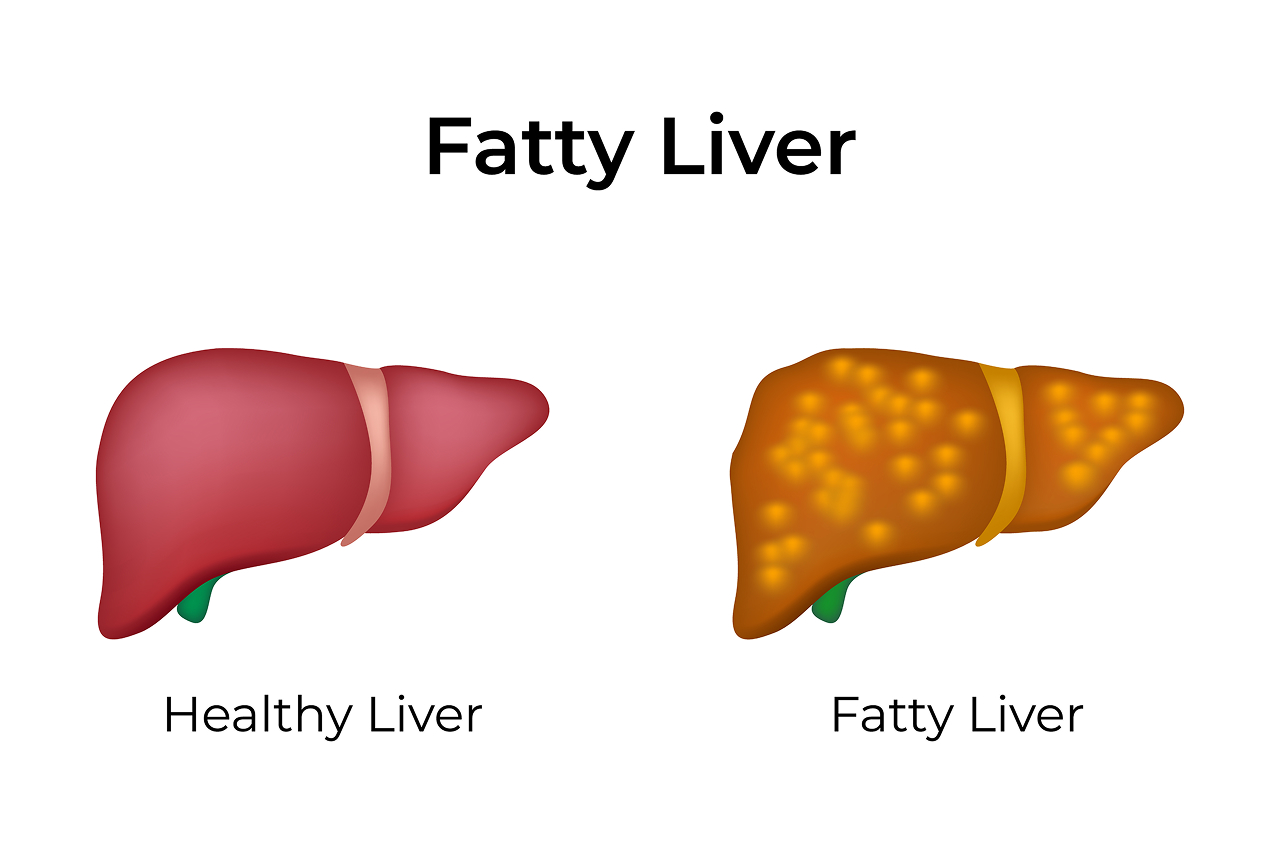
Fatty liver happens when too much fat builds up in your liver cells. There are two main reasons why this happens.
NAFLD/MASLD
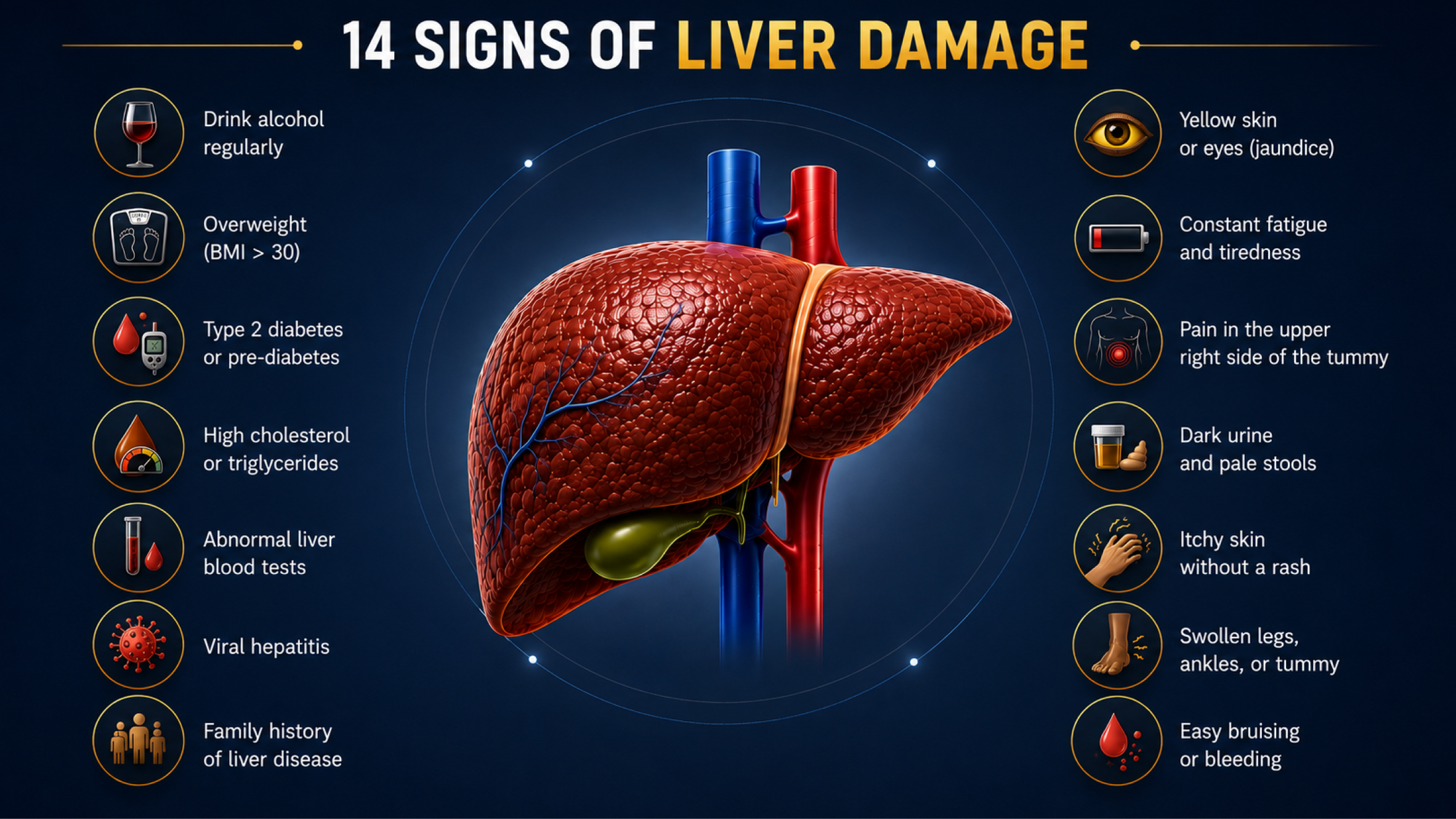
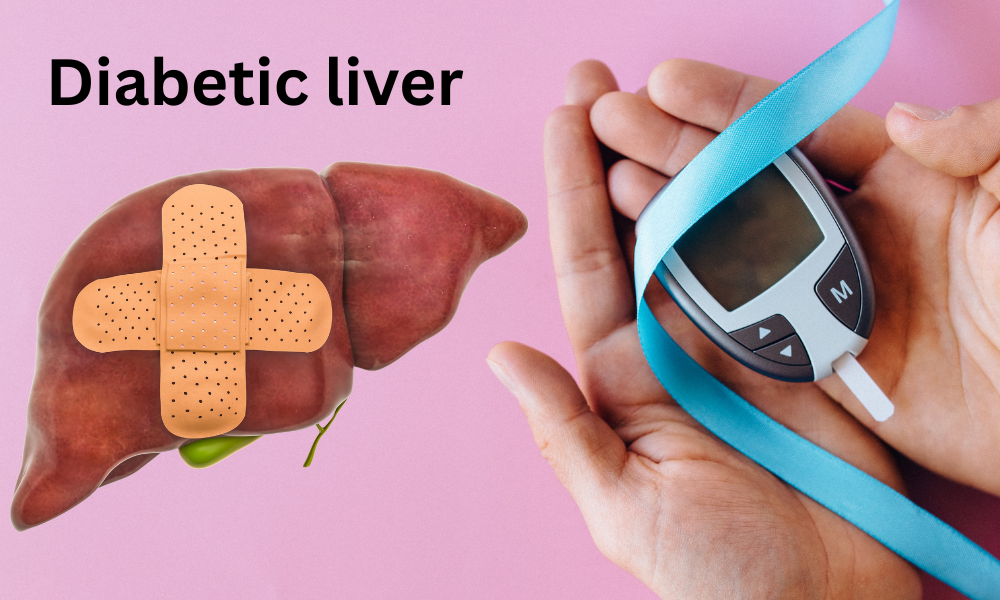
This stands for Non-Alcoholic Fatty Liver Disease. It is not caused by drinking alcohol. It is closely linked to being overweight. It is also linked to carrying extra weight around your middle. It happens often in people with type 2 diabetes or insulin resistance.
ALD
This stands for Alcoholic Liver Disease. It is caused directly by drinking too much alcohol over a long time.
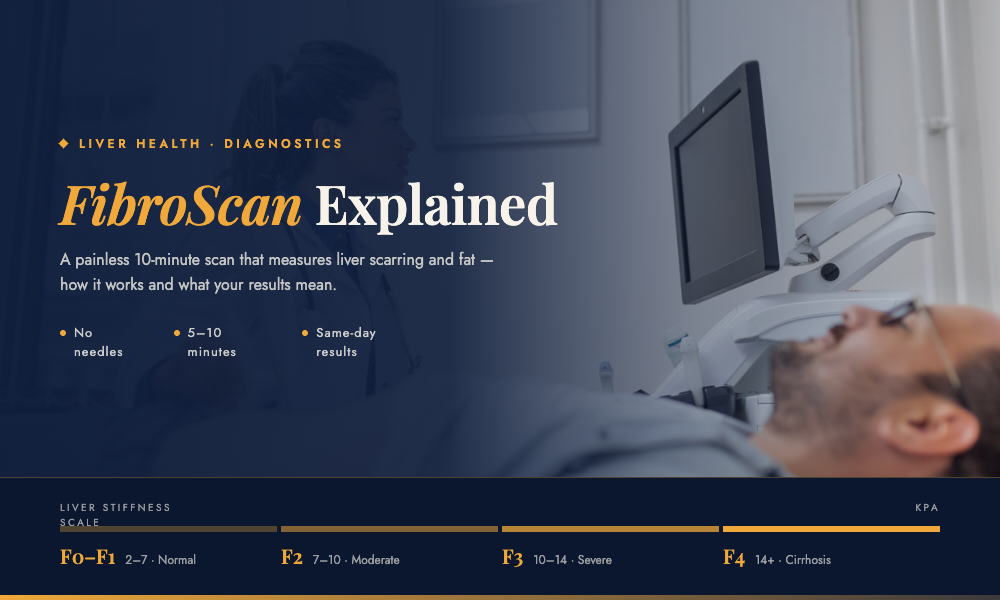
The Four Stages of Liver Damage
Fatty liver disease happens in stages. It gets worse over time if you do not treat it.
Simple Fatty Liver (Steatosis)
Fat builds up inside the cells of your liver. At this stage, it does not cause any swelling or inflammation. Most people stay at this stage.
Steatohepatitis (NASH/ASH)
The build-up of fat causes your liver to become swollen and inflamed. This swelling damages the liver cells.
Fibrosis
Long-lasting swelling causes scar tissue to build up. The scars form around the liver and the nearby blood vessels. Your liver can still work, but it struggles.
Cirrhosis
This is the most severe stage. The scarring becomes permanent and very severe. Your liver becomes hard. Its shape changes. Cirrhosis can eventually lead to complete liver failure.
Core Lifestyle Treatments for Fatty Liver (The First Line of Defence)
The most effective treatments do not come from a pharmacy. They come from your daily habits. Here are the scientifically proven methods to reverse early-stage liver disease.
Weight Loss Strategies
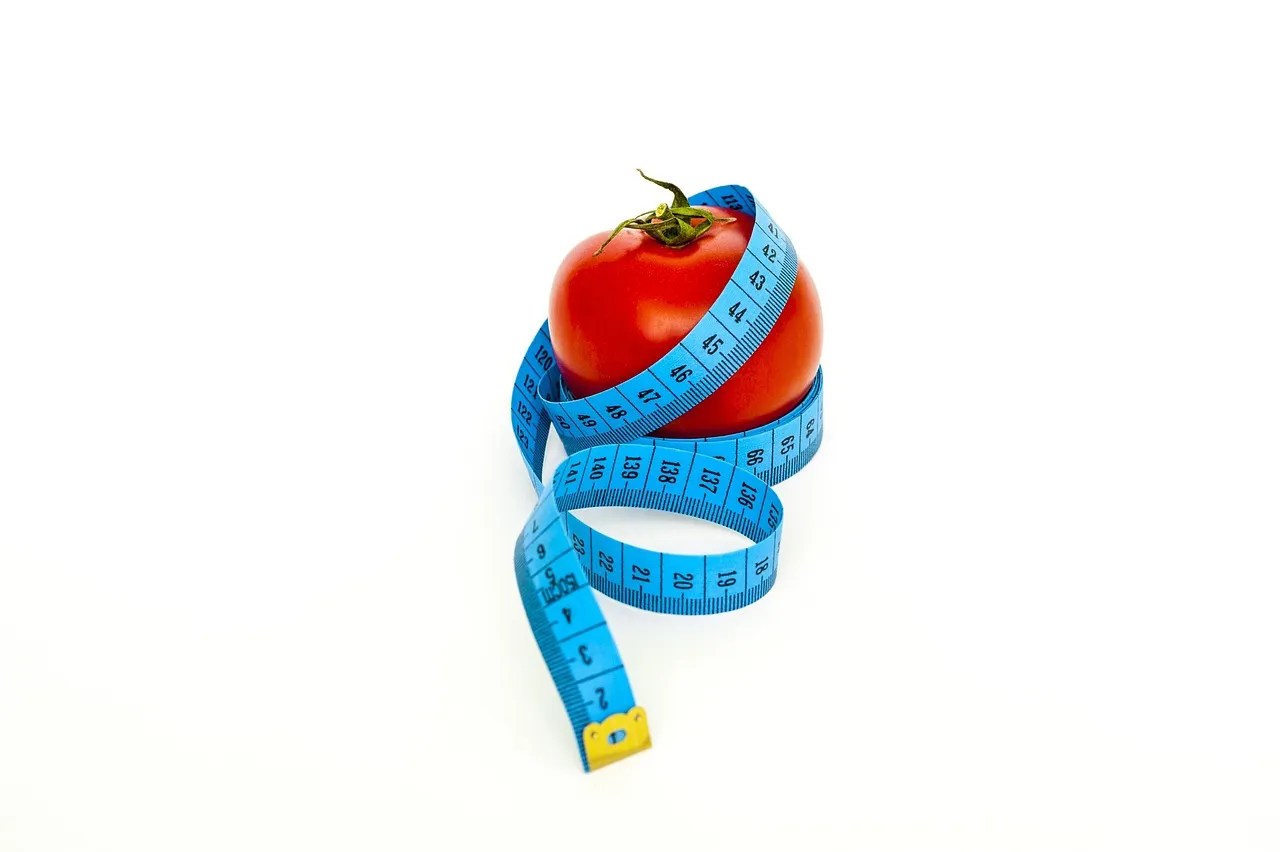
Losing weight is the single most effective treatment for fatty liver. It works brilliantly.
- Small changes help: Losing just 3% to 5% of your total body weight can reduce the fat inside your liver.
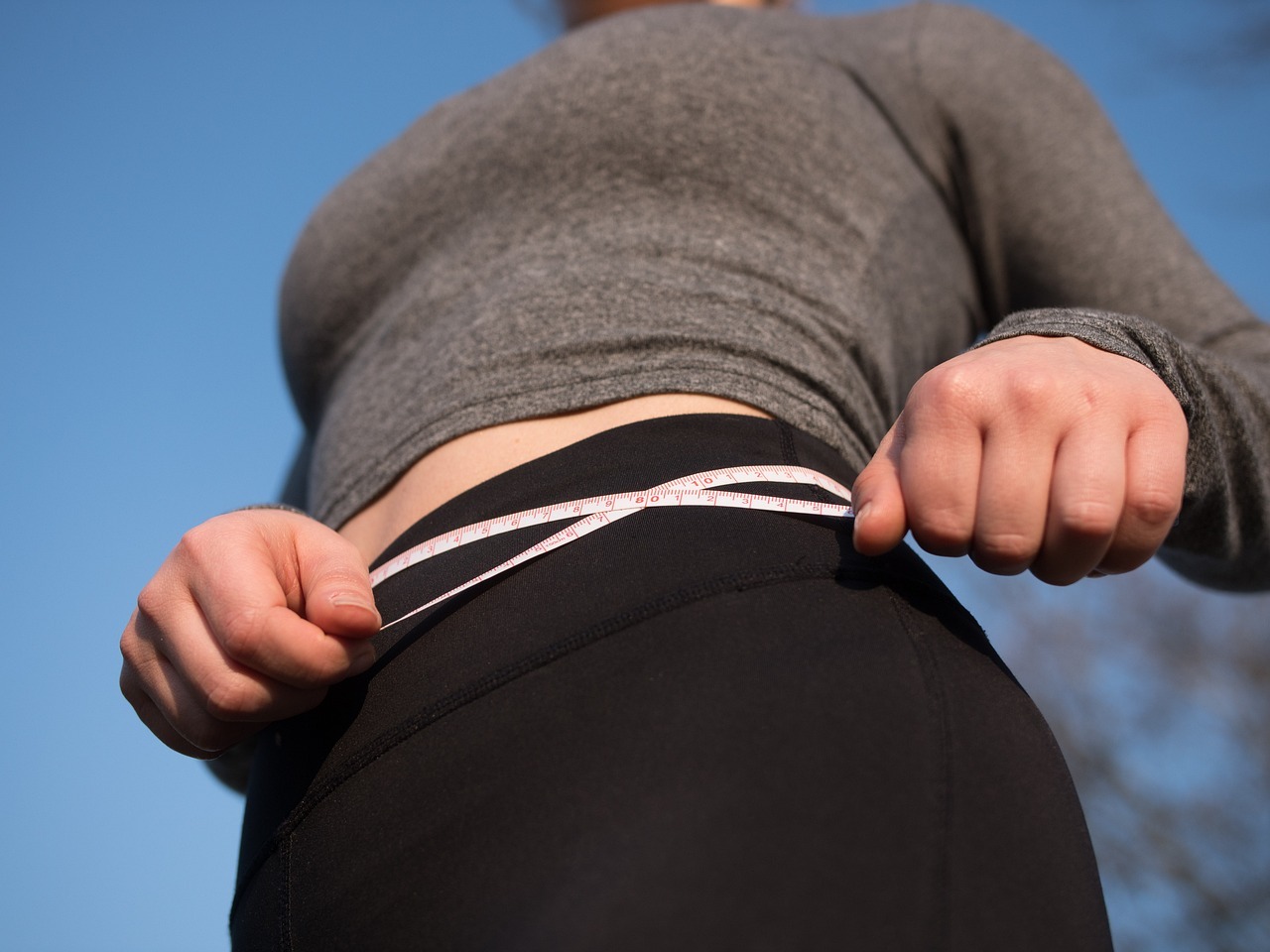
- Bigger changes heal: Aiming for a 7% to 10% weight drop is even better. This amount can reduce liver swelling. It can even reverse early scarring.
- Take it slowly: Weight loss must be gradual. Aim to lose 0.5 to 1.0kg a week. Losing weight too rapidly can actually cause severe problems with your liver. It can also cause gallstones.
Dietary Changes

Prioritise Your Health With Consultant-Led Care!
- Immediate private consultations with UK specialists.
- Accurate diagnosis & clear answers.
- Professional medical plan to move forward.
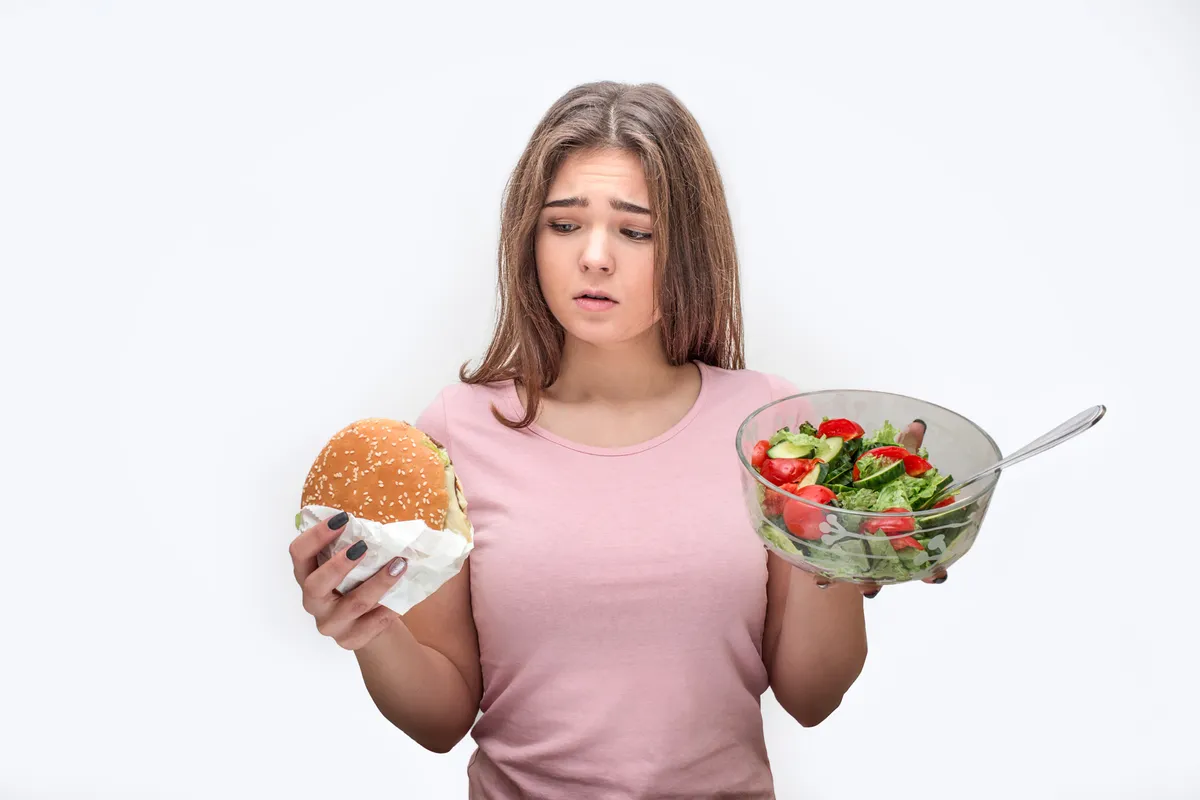
You do not need a strict, strange diet. You just need a healthy, balanced one. A Mediterranean-style diet is the best choice.
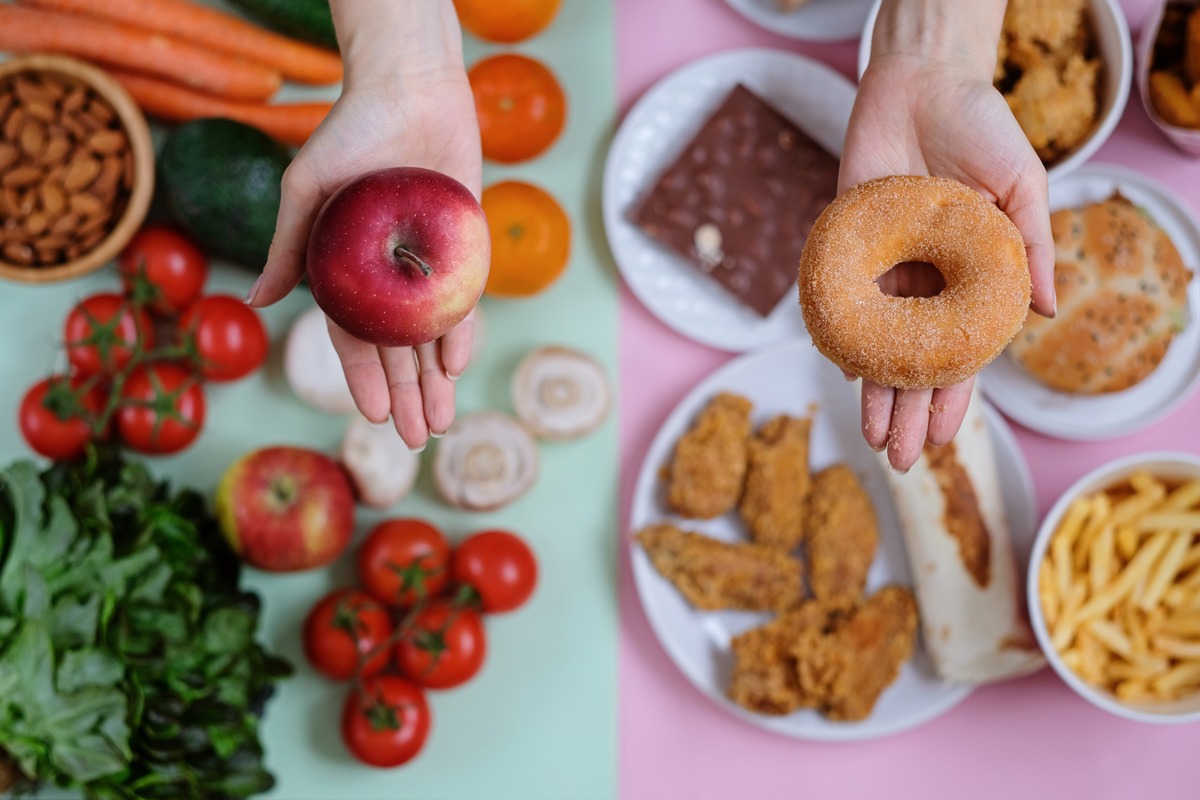
- Eat more: Eat lots of vegetables, fruits, and whole grains. Choose brown bread, brown rice, and whole-wheat pasta. These have lots of fibre.
- Healthy fats: Eat foods rich in omega-3 fats. Fish and fish oil are excellent. Use olive oil instead of butter.
- Avoid sugar and salt: You must strictly avoid food and drinks high in sugar. Stop drinking sweet fruit juices and fizzy drinks. Sugar causes fat to build up fast.
- Avoid saturated fat: Eat less red meat and processed meats. These fats are hard for your liver to handle.
Exercise and Physical Activity
Exercise is vital for your liver health. Aim for at least 150 minutes of exercise each week.
This means doing moderate-intensity aerobic exercise. Fast walking, swimming, or cycling are perfect.
Exercise helps reduce fat in your liver. It does this even if the number on the scales does not change.
If you do not exercise right now, start very slowly. Ask your GP for advice before you begin.
Abstaining from Alcohol
Your liver processes alcohol. If you have liver problems, drinking alcohol is very dangerous.
- For ALD: Complete abstinence is the absolute cornerstone of your treatment. You must stop drinking entirely. This can improve your chances of survival. It stops the damage from getting worse.
- For NAFLD: Even if alcohol did not cause your liver disease, you should still avoid it. Your doctor will likely advise you to limit your drinking or stop completely. This prevents extra stress on your liver.
Medical Treatments and Medications for Fatty Liver Disease
Sometimes, lifestyle changes are not quite enough. Doctors will step in with specific medical treatments.
Managing Underlying Conditions
Fatty liver is often part of a bigger problem. Doctors call this metabolic syndrome. To fix the liver, doctors must treat the root causes. They will actively prescribe medicines to control high blood pressure. They will give you drugs to lower high cholesterol. They will also give you medicine to manage type 2 diabetes. Treating these problems stops the liver disease from getting worse.
Medications for Non-Alcoholic Fatty Liver (NAFLD)
Currently, there are no licensed, universally approved medicines made specifically for NAFLD. However, doctors use other drugs to help.
- Vitamin E and Pioglitazone: In cases of advanced liver swelling (NASH), specialists might use these drugs. Vitamin E acts as an antioxidant. Pioglitazone is an insulin medicine. They can reduce liver swelling in patients who do not have diabetes.
- New Therapies: Science is moving fast. Newer medicines like resmetirom and semaglutide have recently shown great promise. They help reduce liver fat and scarring for moderate to severe cases. However, these are not used for people who already have cirrhosis.
Medications for Alcoholic Liver Disease (ALD)
If a patient has severe alcoholic hepatitis, they are very ill. They need strong medicine quickly.
- Glucocorticosteroids: These are powerful steroid medicines. They are the first line of treatment. They reduce massive swelling in the liver. They greatly improve short-term survival for very sick patients.
- Pentoxifylline (PTX): Some patients cannot safely take steroids. They might have an infection or bleeding in their stomach. In these cases, doctors often use pentoxifylline as a substitute. It also lowers swelling and helps protect the kidneys.
Emerging Therapies and Supportive Measures
Medical research is always looking for natural and complementary ways to help the liver heal.
Coffee Consumption
Studies suggest that drinking caffeinated coffee may benefit the liver. Drinking 2 to 3 cups of black coffee daily can lower liver inflammation. It may also reduce the risk of your liver forming scar tissue. If you already drink coffee, you can feel good about your morning cup. However, talk to your care team before drinking massive amounts.
Probiotics and Gut Health
Your gut is full of bacteria. Some are good, and some are bad. In fatty liver disease, the bad bacteria often take over. This harms the gut wall. Toxins leak into the blood and reach the liver. This causes more liver swelling. Research indicates that restoring healthy bowel flora helps. Taking probiotics (good bacteria) can improve liver enzymes. It helps reduce the dangerous inflammation in your liver.
Advanced Treatments for Severe Liver Damage
If the disease reaches the final stages, simple treatments will not work. Advanced surgical options become necessary.
Bariatric Surgery
Some patients have severe obesity. Diet and exercise might fail to shift the weight. For these patients, weight-loss surgery may be recommended. This is called bariatric surgery. It alters the stomach to help you eat less. It greatly improves insulin sensitivity and overall liver health. However, doctors usually reserve this surgery for patients who do not yet have cirrhosis.
Liver Transplantation
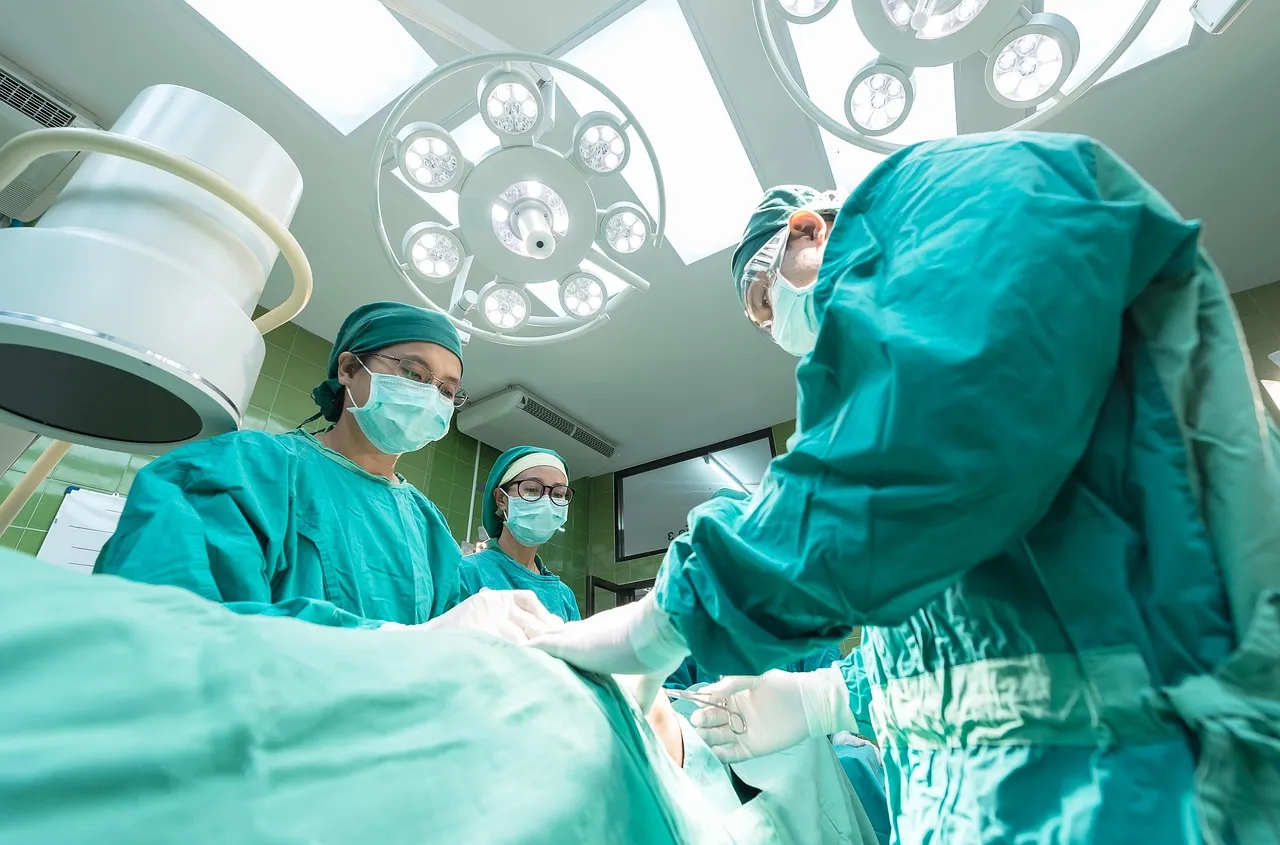
If the disease progresses to severe cirrhosis, the liver becomes hard and stops working. This is liver failure. At this point, a liver transplant may be the only definitive option left.
A surgeon removes the diseased liver and replaces it with a healthy one.
Replace Uncertainty With Expert Medical Insight From A Specialist!
- Consult UK specialists immediately.
- On-site blood testing & imaging.
- Structured treatment plans.
Patients with alcohol-related liver disease face strict rules. They usually require a 6-month period of strict abstinence from alcohol before they can go on a transplant list.
For patients with NAFLD, the new liver is not a permanent cure. The fatty liver disease can actually return in the new post-transplant liver. You must stick to your healthy diet and exercise programme forever.
How to Protect Your Liver Daily (Self-Care Rules)
You play the biggest role in your own healing. You must protect your liver every single day. Follow these simple rules to prevent further harm.
Avoid "Detox" Products
Do not waste your money on internet liver cleanses. Many over-the-counter herbal supplements and "detox" teas can actually be highly toxic. They can seriously harm your fragile liver. Always check with your GP before swallowing any new pill or powder.
Check Your Medicines
Your liver processes all your medicines. Follow the exact instructions on all non-prescription drugs, like painkillers. Taking too many can cause sudden liver damage.
Stay Vaccinated
Your liver is already fighting a disease. You do not want a virus to attack it, too. Keep up to date with Hepatitis A and Hepatitis B vaccines. These viral infections can be much more severe and dangerous if you already have fatty liver disease.
Final Words on Treating Fatty Liver Disease
While fatty liver disease is a very serious condition, it is not hopeless. The liver is a tough organ. The power to reverse the disease in its early stages lies largely in your own hands. Your daily habits, your diet, and your lifestyle choices make the biggest difference. You can stop the fat build-up. You can reduce the swelling. You can stop the scars from forming.
If you are concerned about your liver health, do not wait. If you have recently received a diagnosis from your GP, reach out to the liver specialists in Birmingham at House of Health. We can help you build a bespoke nutrition and health programme to protect your liver. Let us help you get your health back on track today.
Frequently Asked Questions
What foods should you avoid if you have a fatty liver?
You must stop drinking alcohol and eating sugary sweets or cakes. It is best to avoid white bread, white pasta, and fried meats. Try to cut back on salty foods as well to keep your liver safe.
What is the most effective treatment for fatty liver?
Losing weight slowly is the most helpful step you can take. You should eat a fresh, healthy diet and make sure to walk or swim every single day to stay active.
What foods are good for fatty liver?
Focus on eating plenty of fresh green vegetables and whole grains like brown rice. Choose lean fish or chicken and snack on small amounts of nuts instead of chips.
How to reduce fatty liver in 14 days?
Start by swapping fizzy drinks for water and eating real food instead of boxed meals. Move your body for twenty minutes and drink black coffee every day to help your liver heal.
What is the best drink for fatty liver?
Fresh water is the very best choice for your liver health. You can also enjoy black coffee or hot green tea, as these drinks help your body feel better and stay strong.