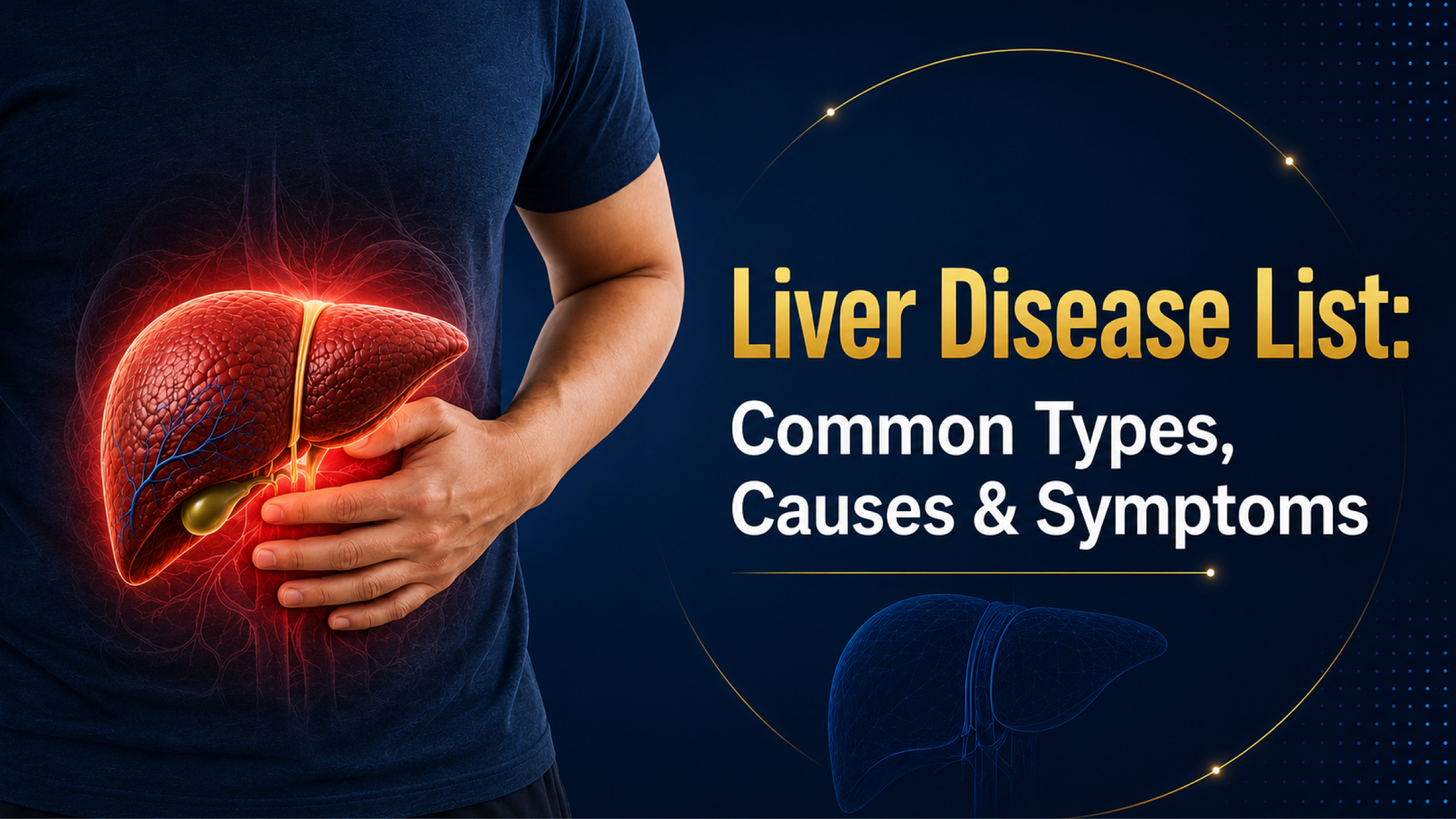

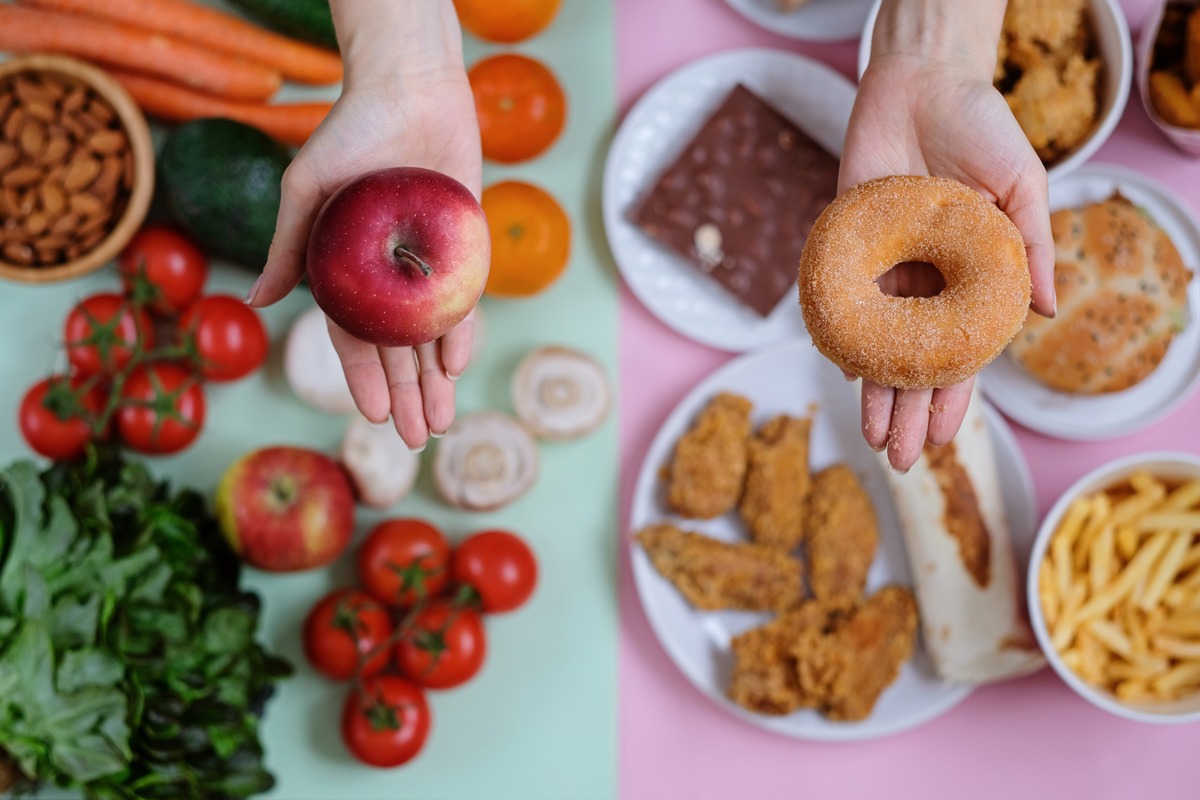
If you have been told you have a fatty liver, what you eat makes a big difference. The right foods to eat for fatty liver can reduce liver fat, lower inflammation, and support recovery. At the same time, knowing which foods to avoid with fatty liver helps you prevent the condition from worsening.
Eating a balanced diet with whole foods, healthy fats, and lean proteins can help improve liver health over time.
This guide walks you through both simple and practical, and is based on what your liver actually needs.
What Is Fatty Liver and Why Does Diet Matter?
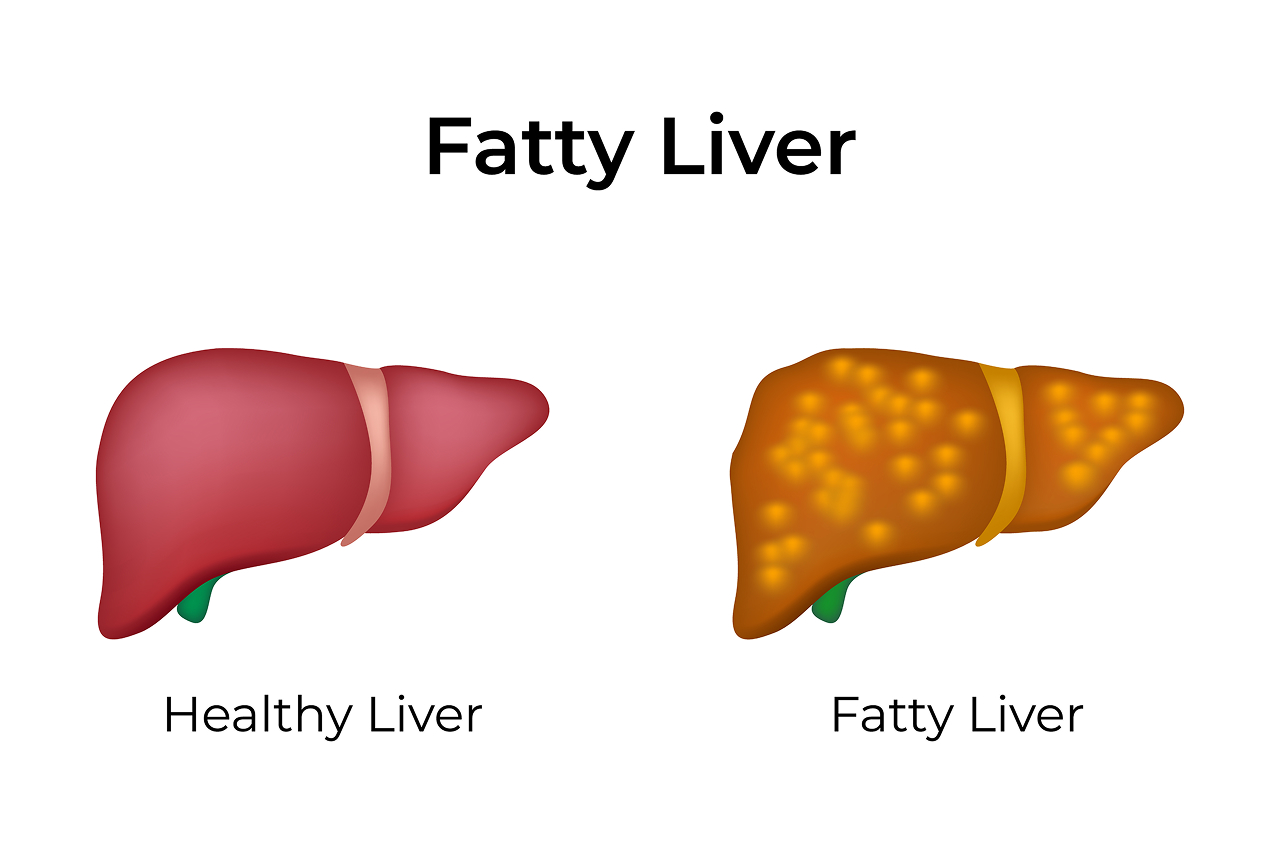
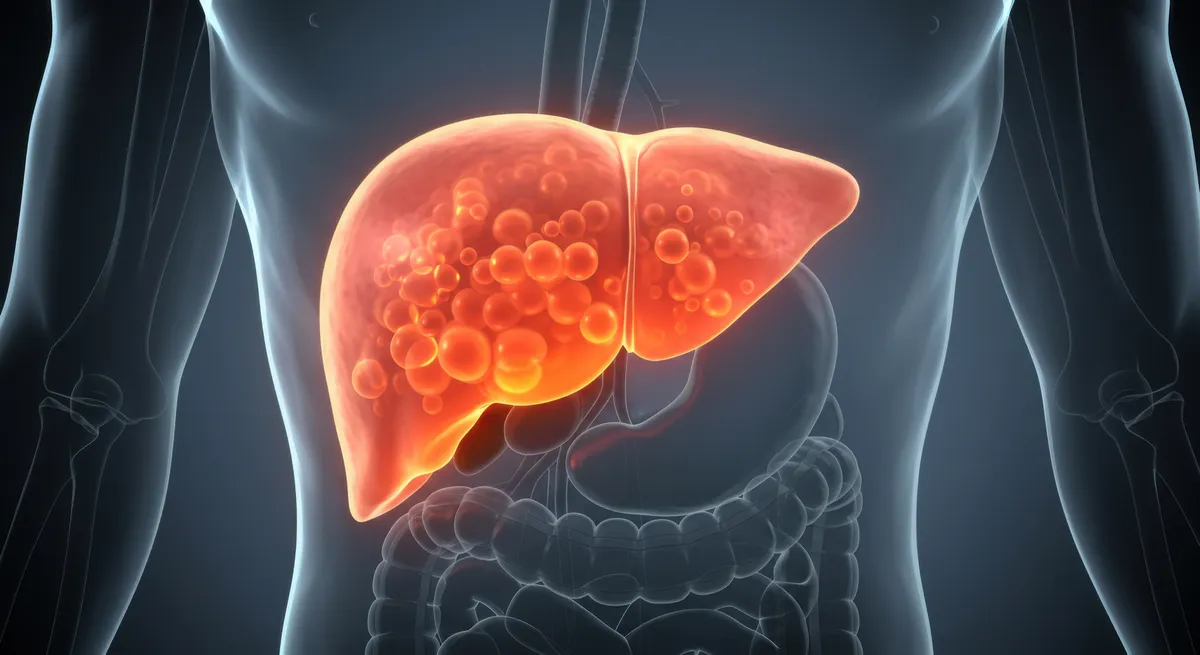
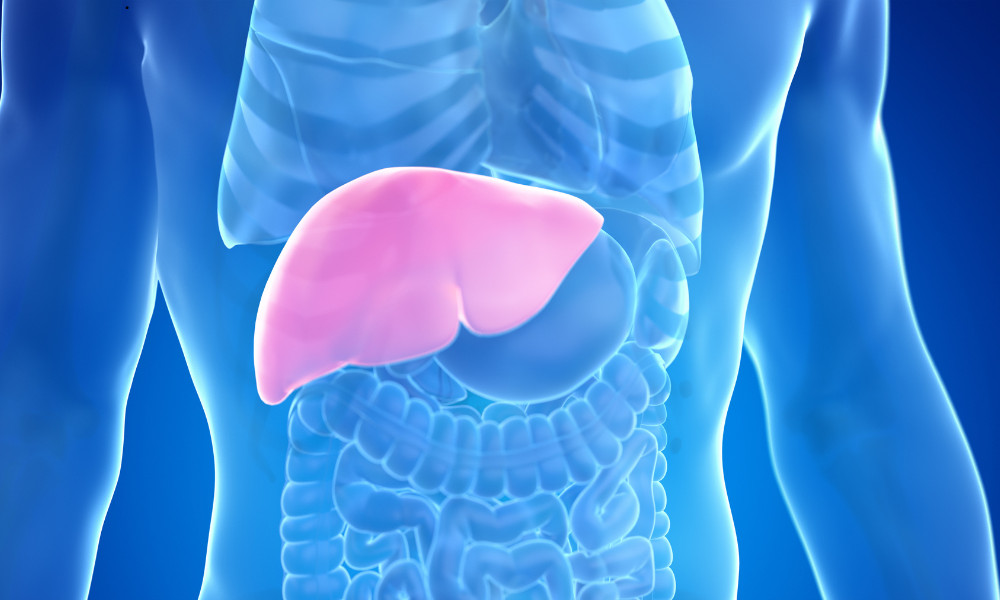
Fatty liver disease, medically termed hepatic steatosis, happens when too much fat builds up in the liver cells. While a very small amount of fatty normal fat, accounting han 5% to 10% of the liver's total weight, causes significant structural inflammation.
There are two main types: non-alcoholic fatty liver disease (NAFLD) and alcoholic fatty liver disease. In both cases, what you eat either helps your liver recover or makes it harder for it to heal.
A healthy diet for fatty liver is not about starving yourself. It is about consistently choosing the right foods, ones that reduce liver fat, support digestion, and reduce inflammation over time.
Quick Reference: Foods to Eat vs Foods to Avoid
| Food Category | Good for Fatty Liver | Avoid or Limit |
|---|---|---|
| Vegetables | Spinach, kale, broccoli | Deep-fried vegetables |
| Fruits | Berries, apples, citrus | Mangoes, grapes, dried fruit |
| Protein | Oily fish, eggs, tofu | Processed meats, fried chicken |
| Carbohydrates | Oats, brown rice, quinoa | White bread, white rice, pastries |
| Fats | Olive oil, avocado, walnuts | Butter, lard, trans fats |
| Drinks | Water, black coffee, green tea | Alcohol, fizzy drinks, fruit juice |
| Snacks | Nuts, seeds, fresh fruit | Crisps, biscuits, and chocolate bars |
Foods to Avoid with Fatty Liver for Better Liver Health
Cutting out or reducing harmful foods is one of the fastest ways to start improving liver health. Here are the main ones to avoid:
1. Sugary and Processed Foods
Excess sugar, especially fructose, goes straight to the liver and is converted into fat. It includes:
- Fizzy drinks and fruit juices with added sugar
- Sweets, biscuits, cakes, and pastries
- Breakfast cereals with high sugar content
2. Fried and Fast Foods
Consuming food prepared with low-quality oil leads to an accumulation of saturated and trans fats in the body, resulting in fat deposition in the liver.
3. Alcohol
Alcohol is processed entirely by the liver. Even small amounts can cause inflammation and worsen fatty liver. If you are diagnosed with alcoholic fatty liver disease, you must stop drinking alcohol completely.
4. Refined Carbohydrates
Carbohydrate-rich foods, such as white bread, white rice, and white pasta, can raise blood sugar levels and put extra stress on the liver. It is better to replace refined carbohydrates with whole-grain foods whenever possible.
5. Red Meat
Beef, lamb, and pork contain high amounts of saturated fat. Consuming these meats frequently heavily increases liver inflammation and insulin resistance.
6. Full-Fat Dairy
Butter, double cream, and high-fat cheese result in excessive consumption of saturated fats, causing quick deposition of fats in the liver.
7. Salty Foods
Crisps and heavily processed savoury snacks contain massive amounts of sodium. High salt intake causes immediate fluid retention and increases severe liver strain.

Prioritise Your Health With Consultant-Led Care!
- Immediate private consultations with UK specialists.
- Accurate diagnosis & clear answers.
- Professional medical plan to move forward.
8. Baked Goods
Commercial breads, pie crusts, and cakes are made using processed white flour, processed sugars, and trans fats, and hence are extremely detrimental to one’s liver health in the long run.
9. Sweetened Condiments
Ketchup, barbecue sauce, and chilli sauces are made with highly concentrated sugars, such as high-fructose corn syrup.
10. Energy Drinks
These modern beverages combine massive doses of artificial caffeine with extreme sugar levels, entirely overloading the liver's natural processing capacity.
11. Package Foods
Packaged food means food that is processed and sealed in a packet, box, or container before being sold, such as chips, instant noodles, and ready-to-eat meals.
Fruits to Avoid for Fatty Liver
Most fruits are healthy, but some are very high in natural sugars (fructose). As part of a balanced approach, it is worth moderating:
- Mangoes: very high in natural sugar
- Grapes: high in fructose
- Cherries and lychees: concentrated sugar
- Dried fruits such as raisins and dates
It does not mean avoiding fruit entirely. It just means being mindful of portion sizes, especially with fruits, to avoid fatty livers that are particularly high in fructose.
Fatty Liver Food to Eat: Best Choices for Recovery
Choosing the right fatty liver-friendly foods does not need to be complicated. Focus on whole, natural foods that reduce inflammation and help the liver clear fat.
1. Leafy Green Vegetables
Spinach, kale, broccoli, and rocket have been shown to reduce fat deposits in the liver. They are high in fibre, low in calories, and full of antioxidants that protect liver cells.
2. Fatty Fish
Salmon, mackerel, sardines, and trout are high in omega-3 fatty acids. These healthy fats help reduce liver fat and inflammation. Try to eat them two times a week as part of a healthy fatty liver diet.
3. Olive Oil
Using extra-virgin olive oil instead of butter and processed oils can help reduce liver enzymes and improve insulin resistance, both of which are linked to fatty liver disease.
4. Whole Grains
Oats, brown rice, quinoa, and whole-grain bread release energy slowly and help keep blood sugar stable. They are foods suitable for fatty liver because they reduce the sugar load on your liver.
5. Garlic
According to scientific research, garlic supplements can help reduce body weight and liver fat in patients with fatty liver disease. Eating raw garlic daily can produce similar results.
6. Walnuts
Walnuts are among the best foods for fatty liver because they are high in omega-3s and antioxidants that protect the liver. A small handful each day is enough.
7. Coffee
Black coffee without sugar or flavoured syrups has shown strong protective benefits for the liver. Research shows it may reduce the risk of liver fibrosis and slow disease progression.
8. Berries
Blueberries, strawberries, and raspberries are foods good for fatty liver because they are low in sugar and high in polyphenols that fight liver inflammation.
9. Avocado
Rich in healthy fats and fibre, avocado helps slow liver damage and keeps you fuller for longer, which is useful if weight management is part of your treatment.
What Does a Healthy Diet for Fatty Liver Look Like Day to Day?
Following a structured eating plan not only helps reduce liver fat but may also improve concerns around life expectancy with fatty liver disease when combined with regular medical monitoring.
Replace Uncertainty With Expert Medical Insight From A Specialist!
- Consult UK specialists immediately.
- On-site blood testing & imaging.
- Structured treatment plans.
Breakfast
- Porridge made with oats and topped with blueberries.
- Black coffee or green tea.
Lunch
- Grilled salmon served with spinach and brown rice is a healthy and balanced meal.
- Dressed with olive oil and lemon.
Dinner
- Stir-fried tofu or chicken with broccoli, garlic, and wholegrain noodles is a balanced dish.
Snacks
- A small handful of walnuts.
- An apple or a bowl of mixed berries is a healthy snack option.
This kind of daily structure naturally incorporates the best foods for fatty liver while cutting out the main triggers.
Lifestyle Tips to Support Your Diet
Diet alone is powerful, but pairing it with a few lifestyle changes speeds up recovery:
- Aim for 30 minutes of moderate exercise most days, walking, cycling, or swimming, all of which help reduce liver fat.
- Lose weight gradually; if needed, rapid weight loss can actually worsen fatty liver.
- Stay well hydrated with water and herbal teas.
- Avoid supplements or herbal remedies not approved by your doctor, as some can harm the liver.
- Get regular blood tests and liver scans as recommended by your general practitioner.
Conclusion
Managing fatty liver through diet is absolutely possible. Knowing which foods to avoid with fatty liver, such as alcohol, added sugar, fried foods, and refined carbohydrates, is just as important as knowing the right diet to eat with fatty liver, like leafy greens, oily fish, whole grains, and berries.
A consistent, practical health diet for fatty liver does not need to be restrictive. It just needs to be focused on whole foods that give your liver what it needs to recover.
If you want treatment or have an inquiry about managing your liver health, consult the expert hepatologist & liver specialists in Birmingham at House of Health.
Frequently Asked Questions
1. What foods are best to eat if you have fatty liver?
Foods that benefit people with fatty liver disease are green vegetables, fish, oats, olive oil, berries, walnuts, garlic, and avocados. This will help minimise swelling while allowing the liver to eliminate the fat.
2. Which fruits should I avoid with fatty liver?
Fruits to avoid for fatty liver include mangoes, grapes, cherries, lychees, and dried fruits like raisins and dates, as they are high in fructose. Lower-sugar options such as berries, apples, and citrus fruits are much better choices.
3. Is coffee good for fatty liver?
Yes, black coffee without sugar has been shown to reduce liver inflammation and lower the risk of fibrosis. It is considered a food good for fatty liver when consumed without added sugar or syrups.
4. How long does it take for diet changes to improve fatty liver?
With consistent dietary changes, some people see improvements in liver enzymes within 6–12 weeks. Full recovery from early-stage fatty liver can take several months, but it is achievable without medication in many cases.