
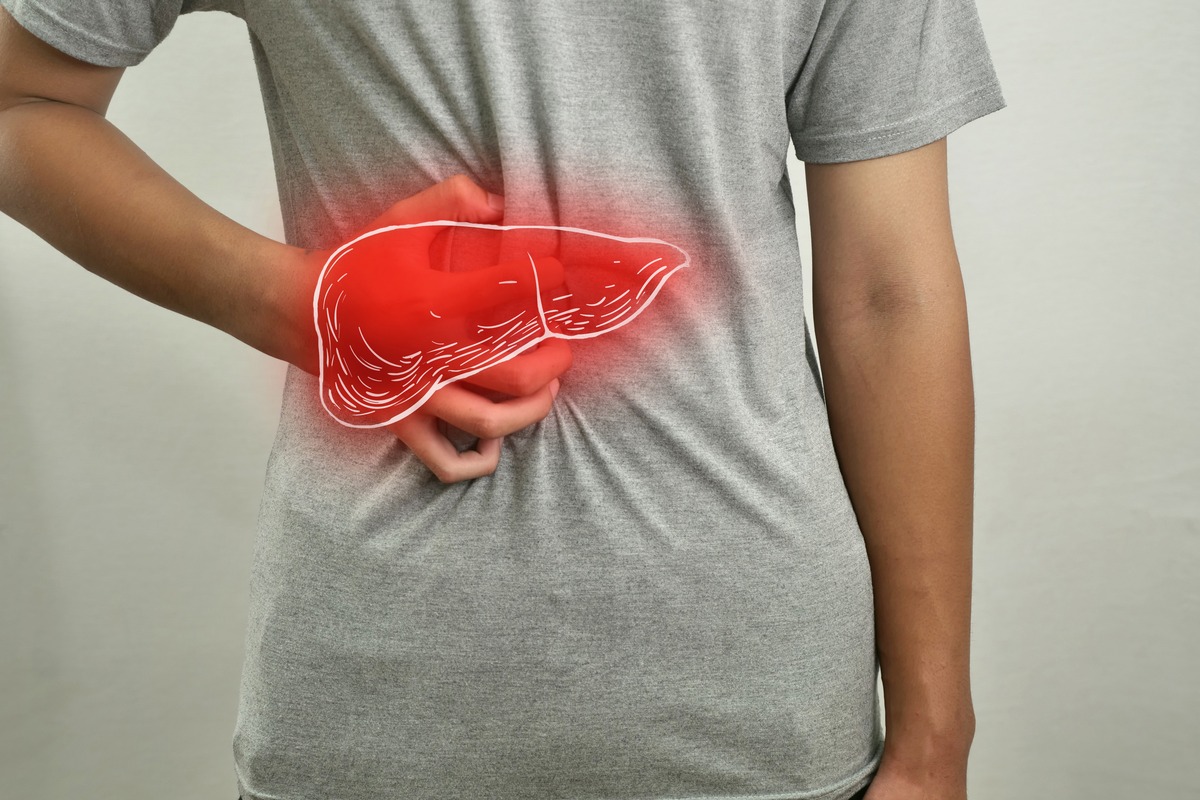
If you are wondering how long does it take to reverse fatty liver, the recovery timeline generally requires three to twelve months of consistent lifestyle changes. For mild, simple fatty liver disease, measurable improvement and fat reduction often occur within just one to three months. However, for moderate to severe cases involving active inflammation or early scarring, complete reversal typically takes six to twelve months or longer. The exact healing time depends heavily on your specific disease stage, daily dietary habits and a variety of other factors. Maintaining good weight management and seeking expert medical care, you can successfully clear the organ of harmful fat and lower dangerous inflammation. This guide sheds light on how you can reverse fatty liver and the time it takes to show healing.
Understanding Fatty Liver Disease and Its Reversal
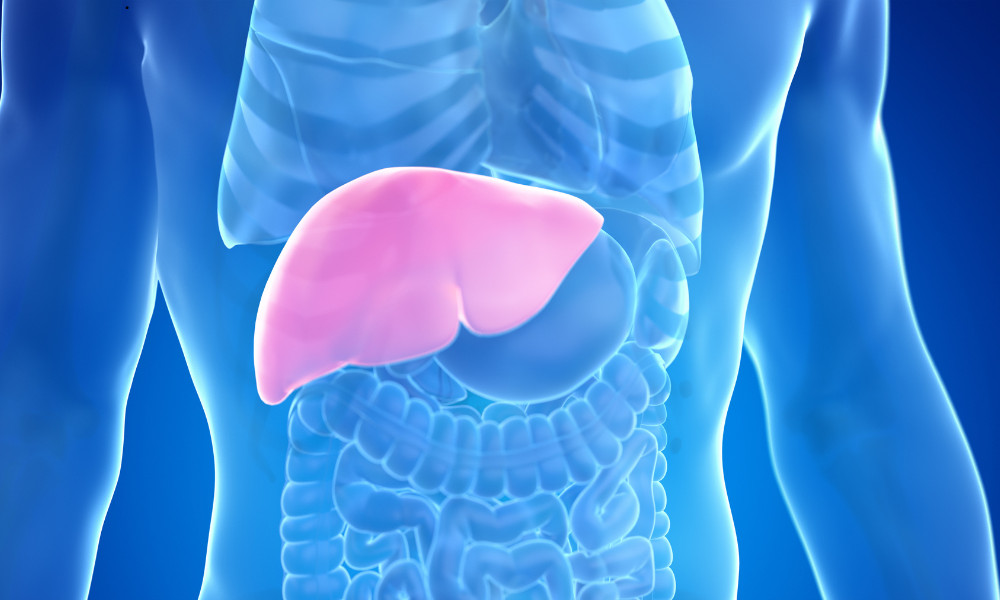
Before looking at exact healing timelines, it is important to understand what is actually happening inside your body. The liver is an organ that can safely repair itself once the root cause of the damage is addressed.
Non-Alcoholic Fatty Liver Disease (MASLD)
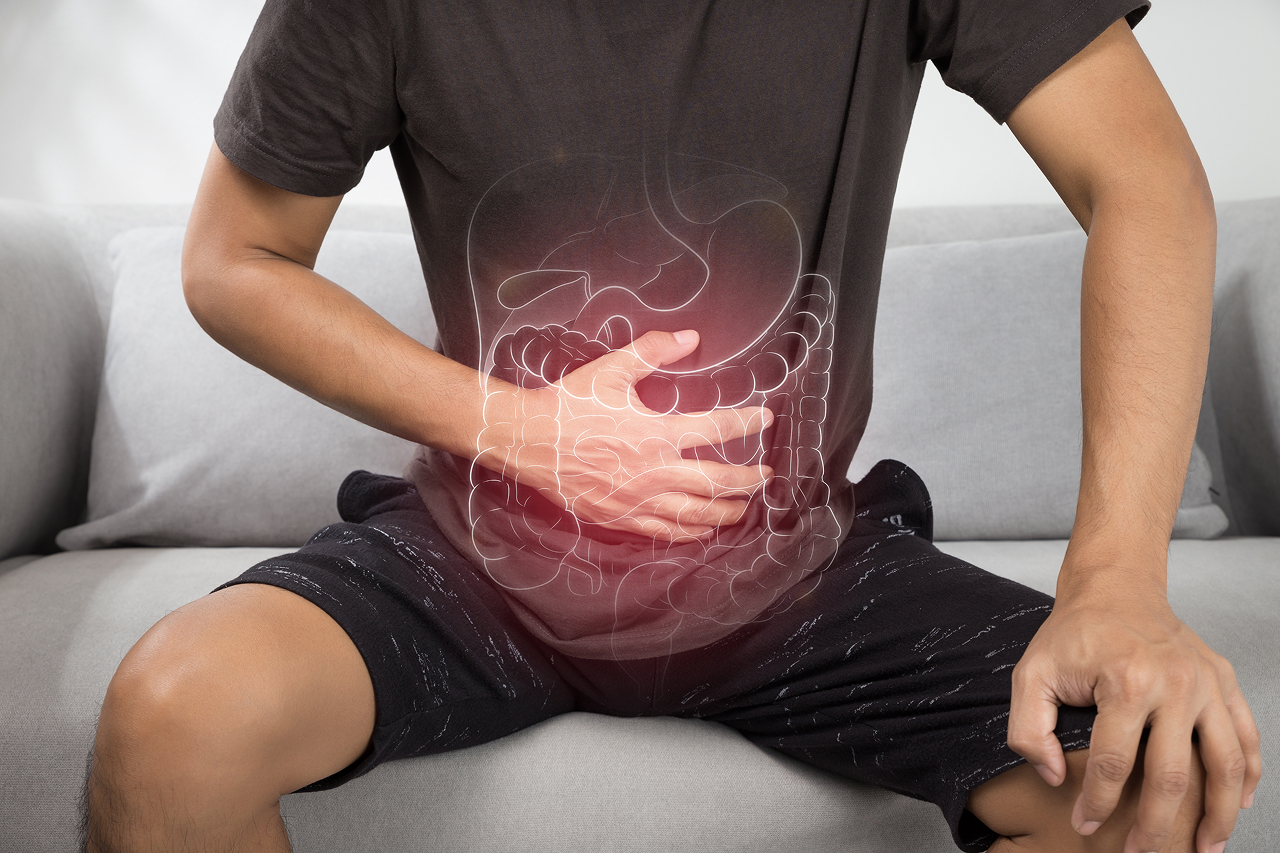
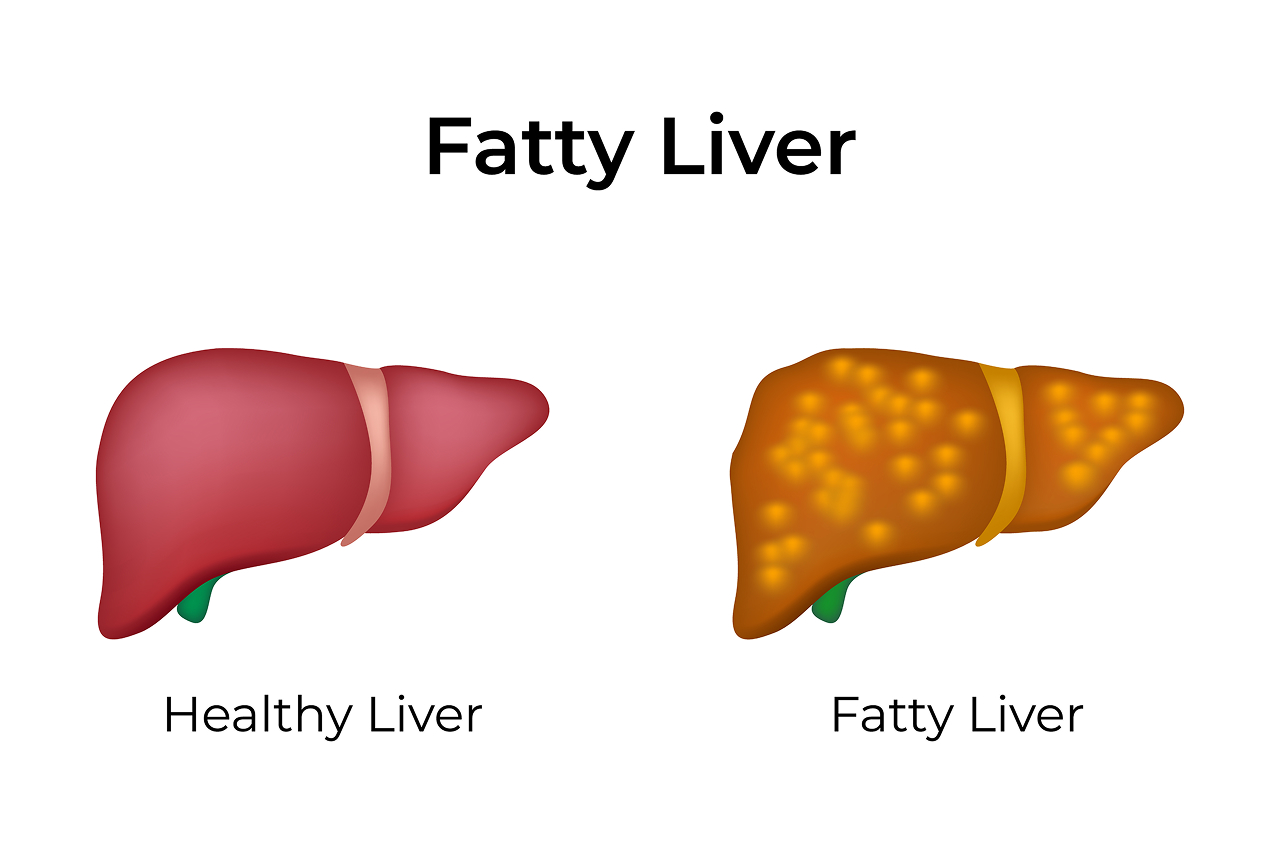
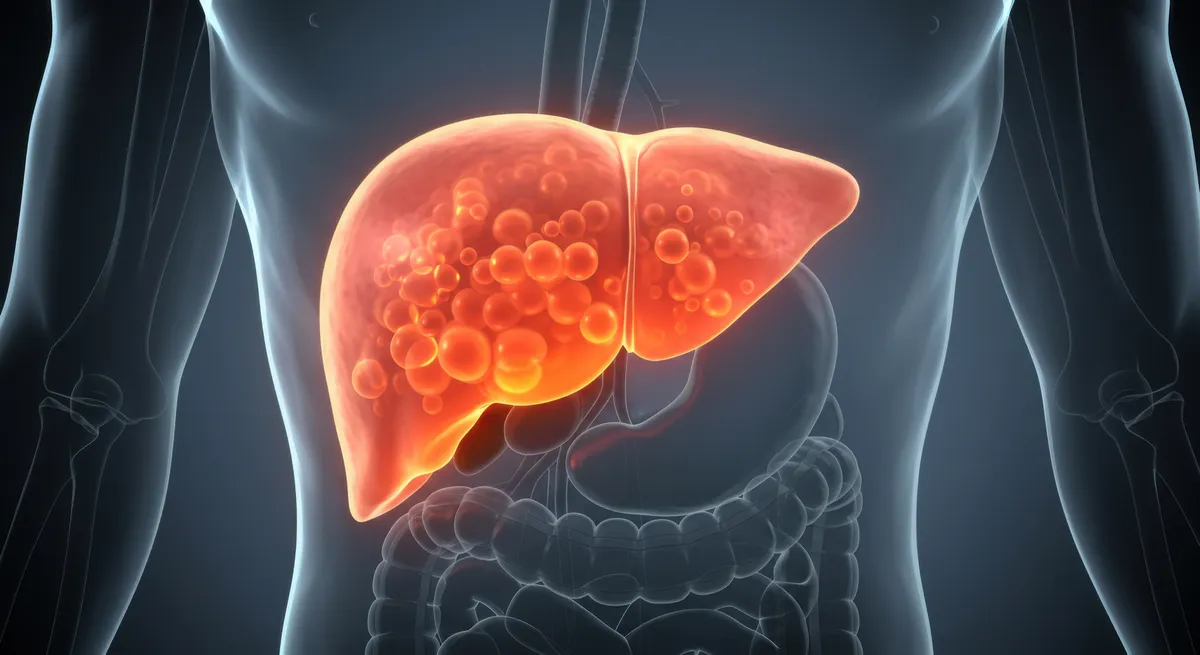
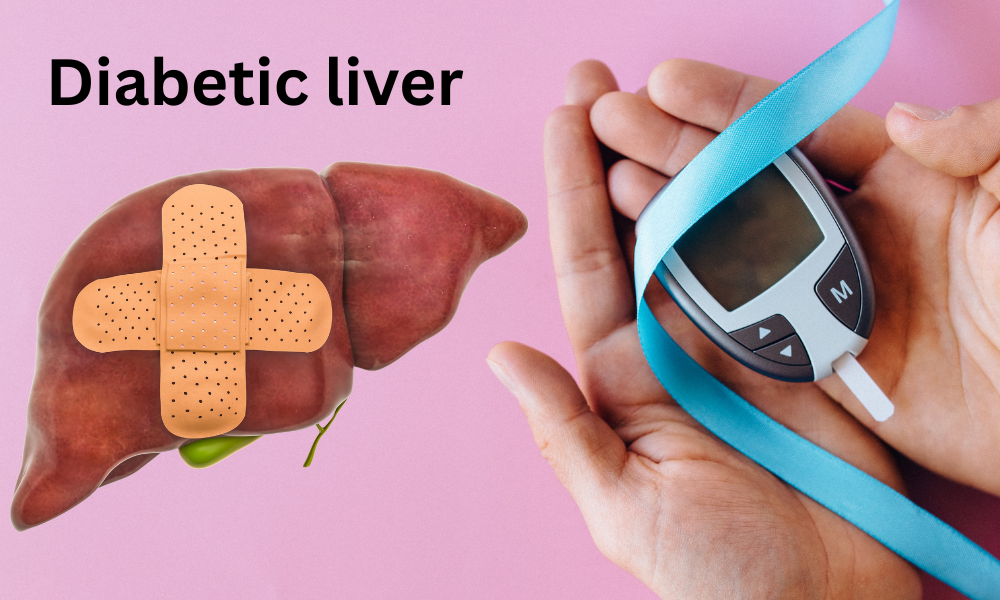
Non-Alcoholic Fatty Liver Disease, which medical experts recently renamed Metabolic Dysfunction-Associated Steatotic Liver Disease (MASLD), is a common condition. It happens when excess fat builds up inside your liver cells over time, which is not caused by drinking alcohol. It mainly results from underlying metabolic issues, such as carrying excess body weight, severe insulin resistance, or living with type 2 diabetes.
Alcohol-Related Liver Disease (ARLD)
Alcohol-related liver disease occurs due to the highly toxic effects of constant alcohol consumption. Alcohol increases fat production inside the organ while simultaneously preventing it from breaking fat down. If there is no heavy inflammation or permanent scarring present, a patient can see a reduction in liver fat within just two to four weeks.
The Liver's Natural Regenerative Power
The human liver is one of the only organs in the entire body that can naturally regenerate and rebuild itself. Even after significant damage, healthy new liver cells can slowly replace them. As long as heavy, permanent scar tissue has not yet formed, targeted lifestyle changes can help the organ recover its normal structure and function.
Healing Timelines by Liver Disease Stage
The amount of time it takes to heal your liver will depend on how much fat and inflammation are trapped inside the organ. The reverse process follows different stages, each with its own expected recovery timeline.
Stage 1: Simple Fatty Liver (Steatosis)
This is the earliest and most highly reversible stage of the condition. In stage one, fat has accumulated inside the liver cells, but there is little to no active inflammation causing damage. Many patients at this stage feel perfectly healthy and have zero noticeable symptoms. Because the cells are still largely intact, the organ heals very quickly. With a targeted diet and regular movement, fat levels drop rapidly, and the liver can often completely reverse the condition within one to three months.
Stage 2: Moderate Fatty Liver and MASH
If the fat continues to build up, it eventually causes the liver tissue to become highly inflamed and irritated, which is called Metabolic Dysfunction-Associated Steatohepatitis (MASH) stage. The inflammation signals that the liver cells are actively being damaged. Healing at this stage is achievable, but it requires much more time and dedication. Patients typically need between three to six months of strict, consistent lifestyle changes to calm the inflammation and reduce the stored fat.
Stage 3: Advanced Fatty Liver with Fibrosis

Restore Your Liver Health With Medical Advice
- Expert liver specialists
- Clear testing and personalised plans
- Treating chronic MASLD
When severe inflammation continues for years without treatment, it creates thick scar tissue around the liver and surrounding blood vessels. This early scarring is known as fibrosis. As the tissue is physically altered, the liver's regenerative capacity becomes much slower, requiring at least 6-12 months or longer. Under strict medical supervision, it is highly possible to reverse the early scars.
Key Factors That Speed Up Liver Recovery
No two cases of liver disease are exactly the same, and your personal healing timeline is directly influenced by your daily choices. Here are several lifestyle factors that accelerate your liver repair:
Gradual and Safe Weight Loss
For non-alcoholic liver disease, losing excess body fat is the absolute strongest predictor of a fast recovery. Research consistently shows that losing just 7% to 10% of your total body weight drastically reduces trapped liver fat and quickly calms heavy inflammation.
However, the speed of weight loss matters. You must aim for a gradual, safe loss of around one to two pounds per week. Extreme crash diets and rapid weight loss can stress the liver further, worsening the internal inflammation.
Liver-Friendly Diet
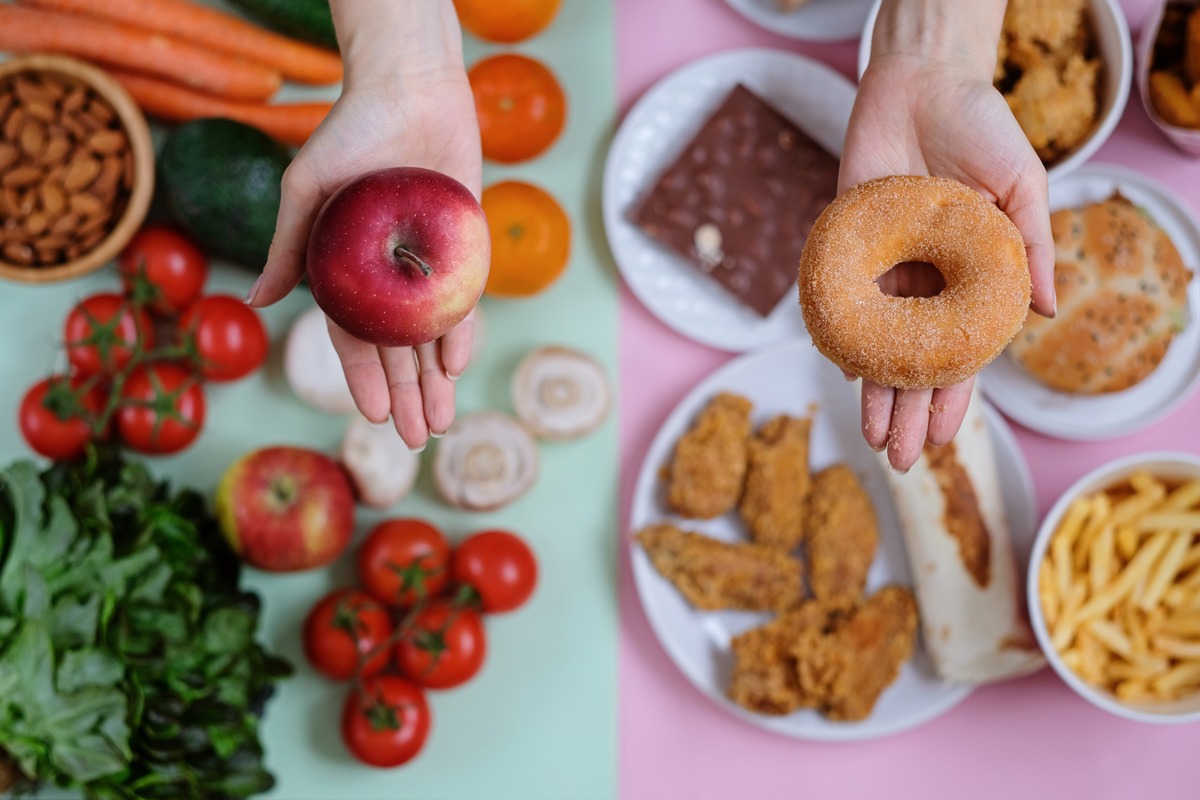
Your everyday food habits determine the organ’s healing journey. Ensure a diet rich in nutrients to repair damaged liver cells. It is recommended to follow a Mediterranean-style eating pattern, which includes fresh vegetables, whole grains, and lean proteins like chicken or fish. Moreover, avoid sugary fizzy drinks, highly processed snacks, and meals heavy in saturated fats or refined carbohydrates.
Physical Activity
Regular movement is a powerful tool for speeding up liver recovery. Physical exercise burns the fat stored inside the liver and improves how your body responds to insulin. Medical professionals advise aiming for at least 150 minutes of moderate aerobic exercise every single week. Activities like brisk daily walking, gentle swimming, or cycling are brilliant choices. Adding light strength training two days a week also helps build muscle, which further boosts your metabolism and supports the liver.
Complete Alcohol Absence
If your liver is suffering from heavy drinking, stopping alcohol entirely is the first step you need to take. Continuing to drink, even in very small amounts, will completely halt the recovery process and trigger further inflammation. Even for patients with non-alcoholic fatty liver, medical experts strongly suggest reducing or completely avoiding alcohol to give the organ the best possible environment to heal itself safely.
Managing Underlying Metabolic Conditions
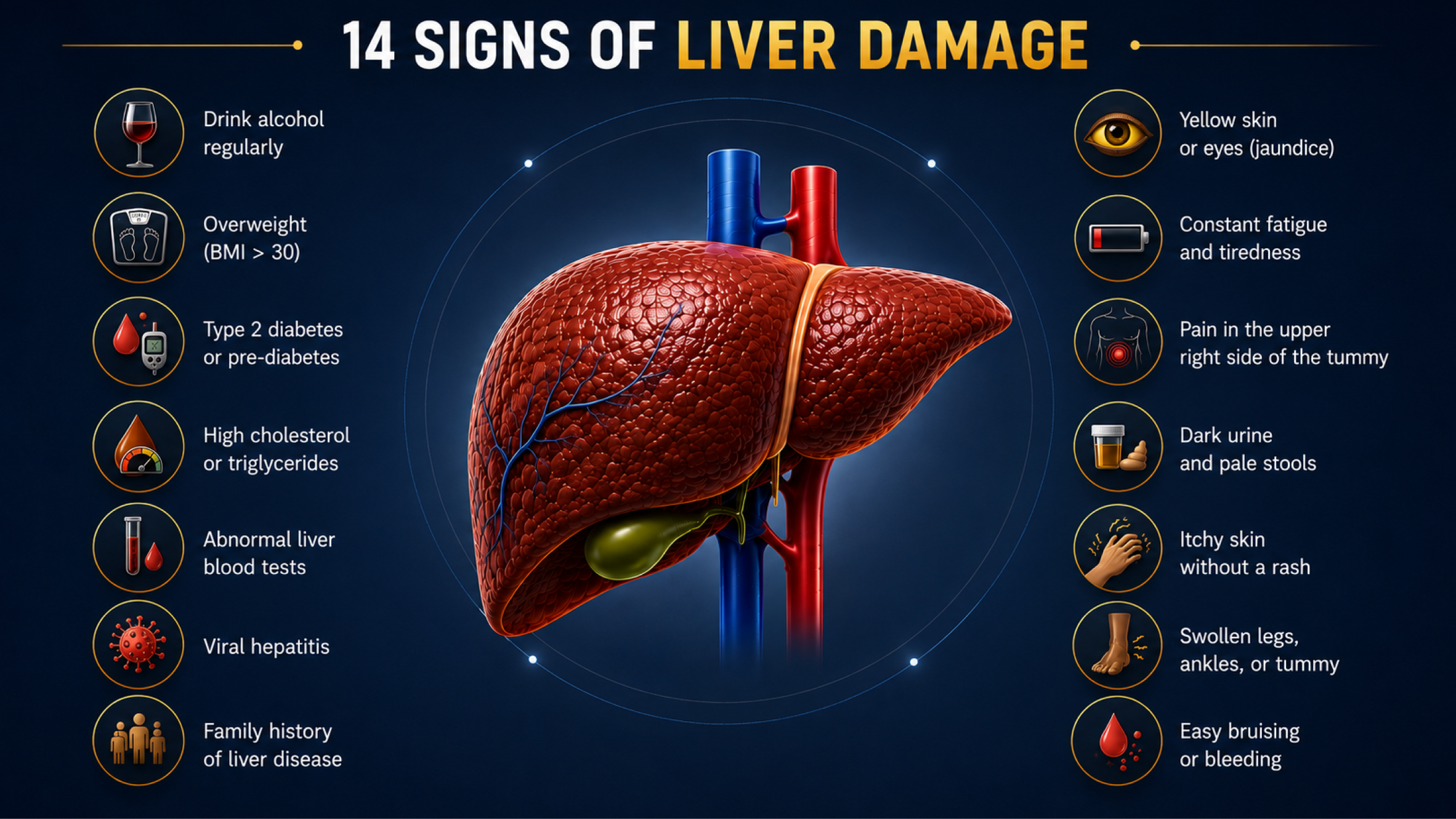
Your liver is deeply connected to your overall metabolic health. The organ heals much faster when your blood sugar, cholesterol, and blood pressure are perfectly stable. Uncontrolled type 2 diabetes or severely high cholesterol constantly pushes new fat into the liver, making recovery nearly impossible. Seeing a doctor to manage these specific conditions with medications and professional advice creates a stable environment for the liver to regenerate.
Prioritising Sleep and Stress Reduction
Many people overlook the massive impact that poor sleep and high stress have on physical digestion and liver health. Chronic daily stress and a lack of restful sleep increase the body's levels of cortisol, a powerful stress hormone. High cortisol actively encourages the body to store excess fat directly inside the liver and around the abdomen. Aiming for seven to eight hours of solid sleep each night and practising gentle relaxation techniques drastically supports your overall physical recovery.
How Medical Specialists Monitor Your Progress
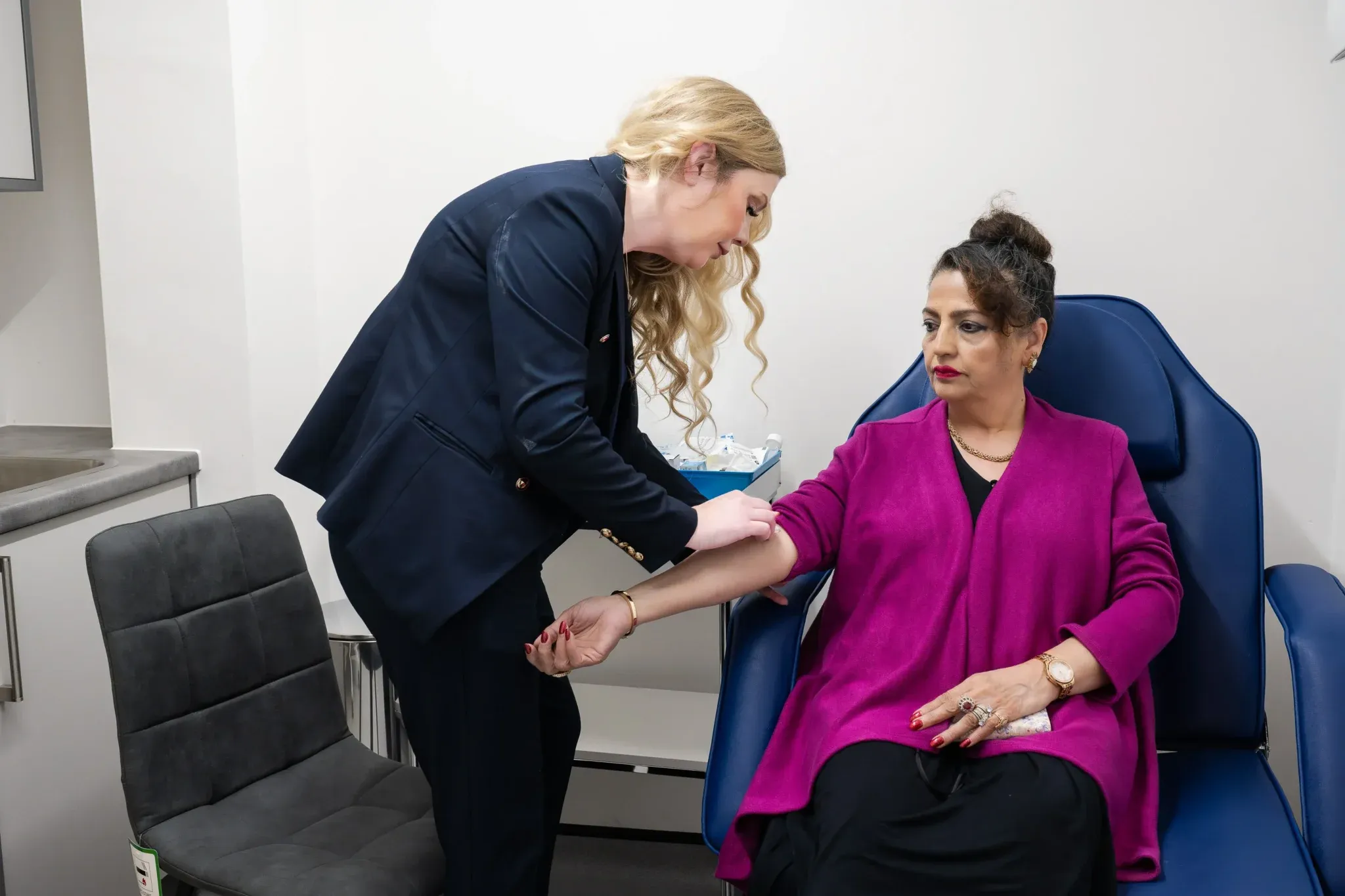
Early stages of this disease usually have zero physical symptoms. Liver specialists use accurate, modern tests to monitor healing over the months. This is what it includes:
Painless Fibrosis Scan Technology
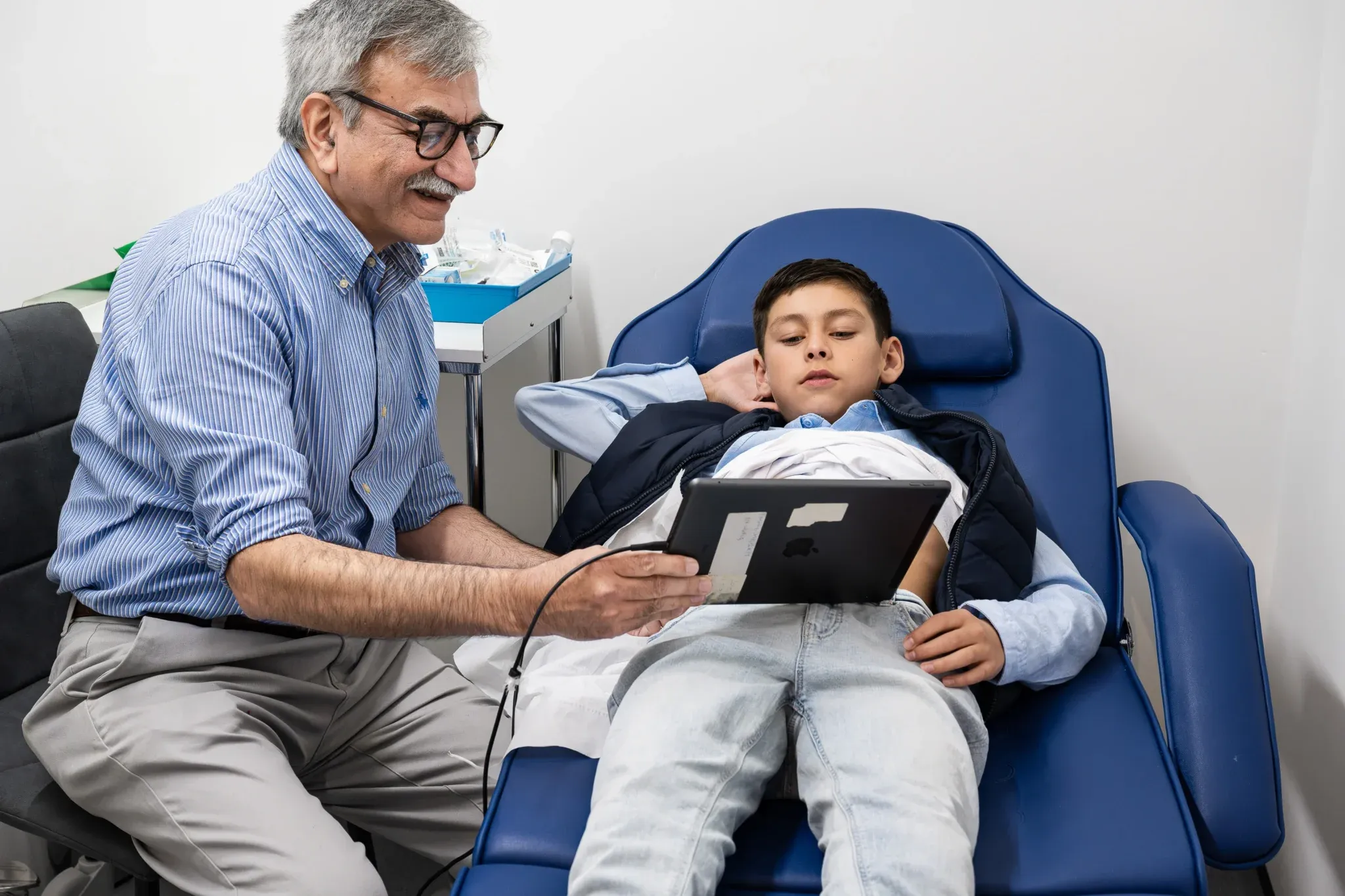
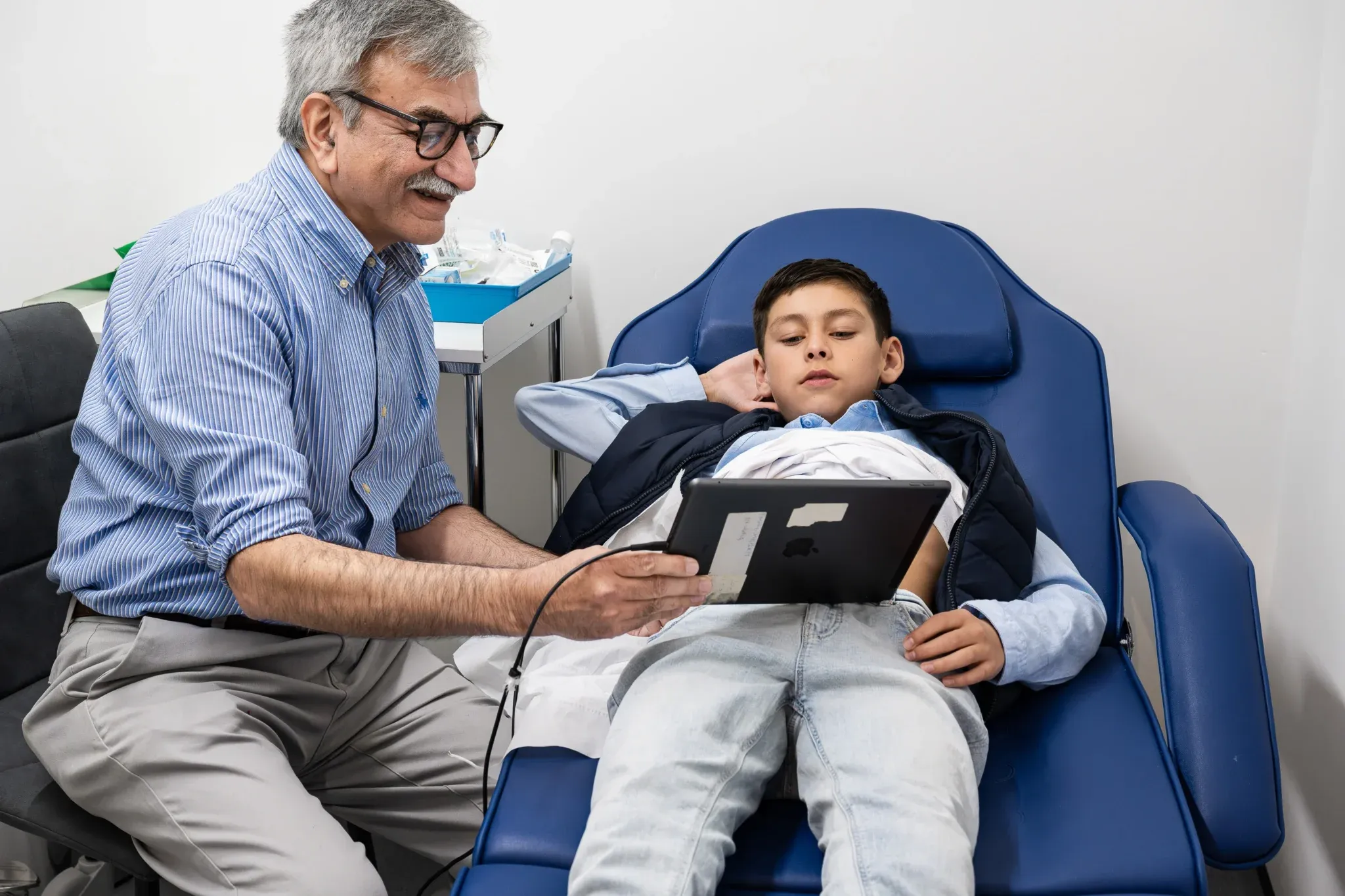
A highly advanced, modern tool called a Fibrosis Scan is quick, safe, and entirely painless that works just like a standard ultrasound but provides far more detail. It instantly quantifies the exact percentage of fat in your liver and measures tissue stiffness to check for scars, all without ever using invasive needles.
Comprehensive Blood and ELF Testing
Need a Tailored Plan To Heal Your Liver? Build a Nutrition Plan
- Lose weight safely
- Get the right medical guidance
- Painless, advanced scans to track health
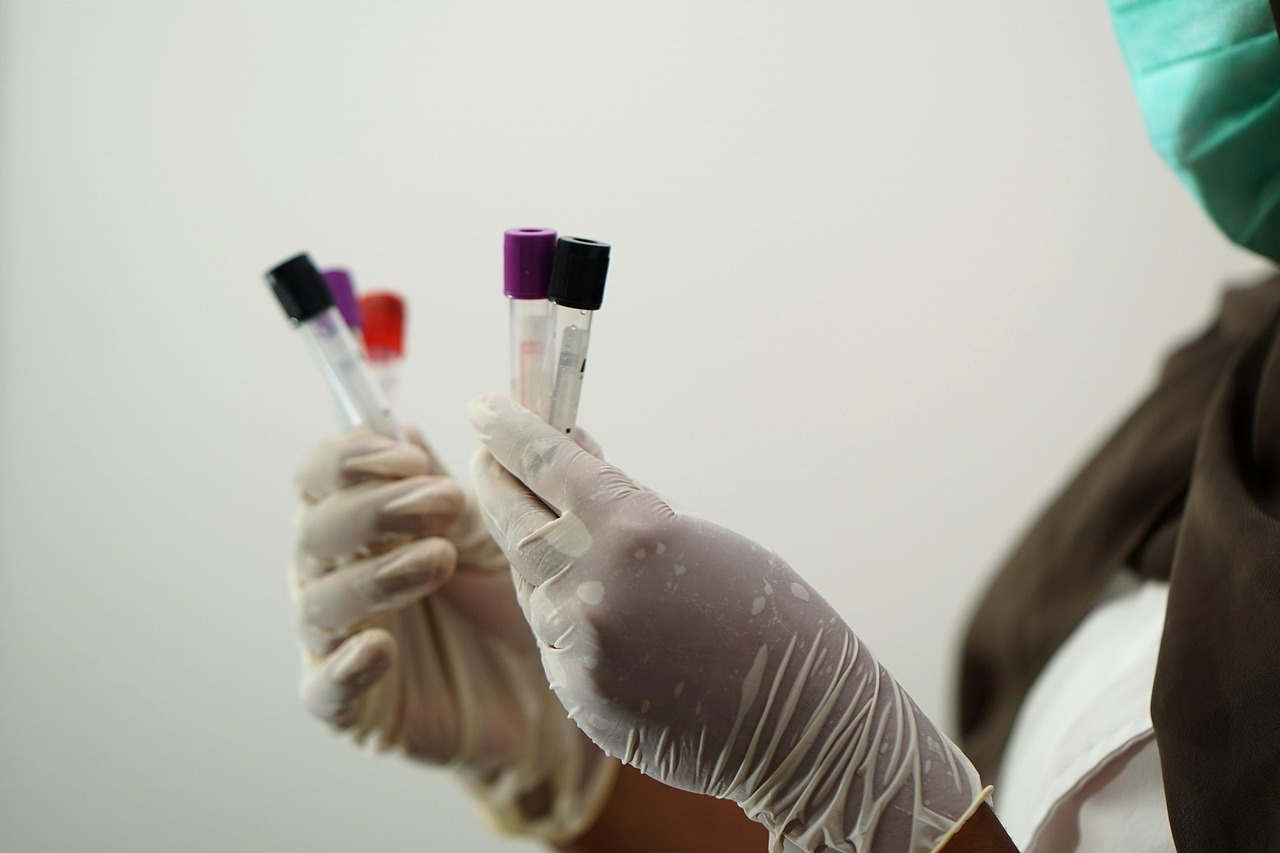
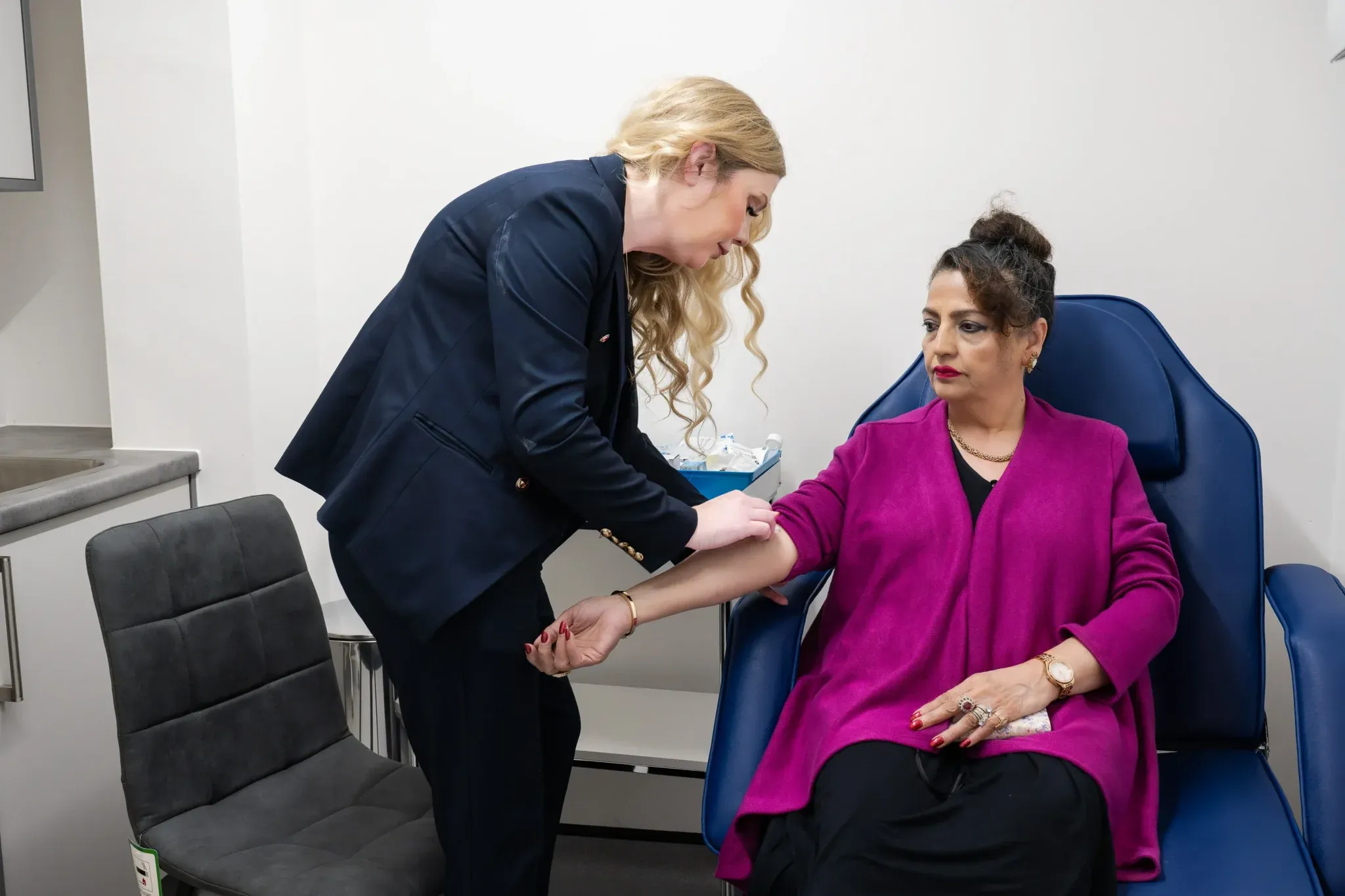
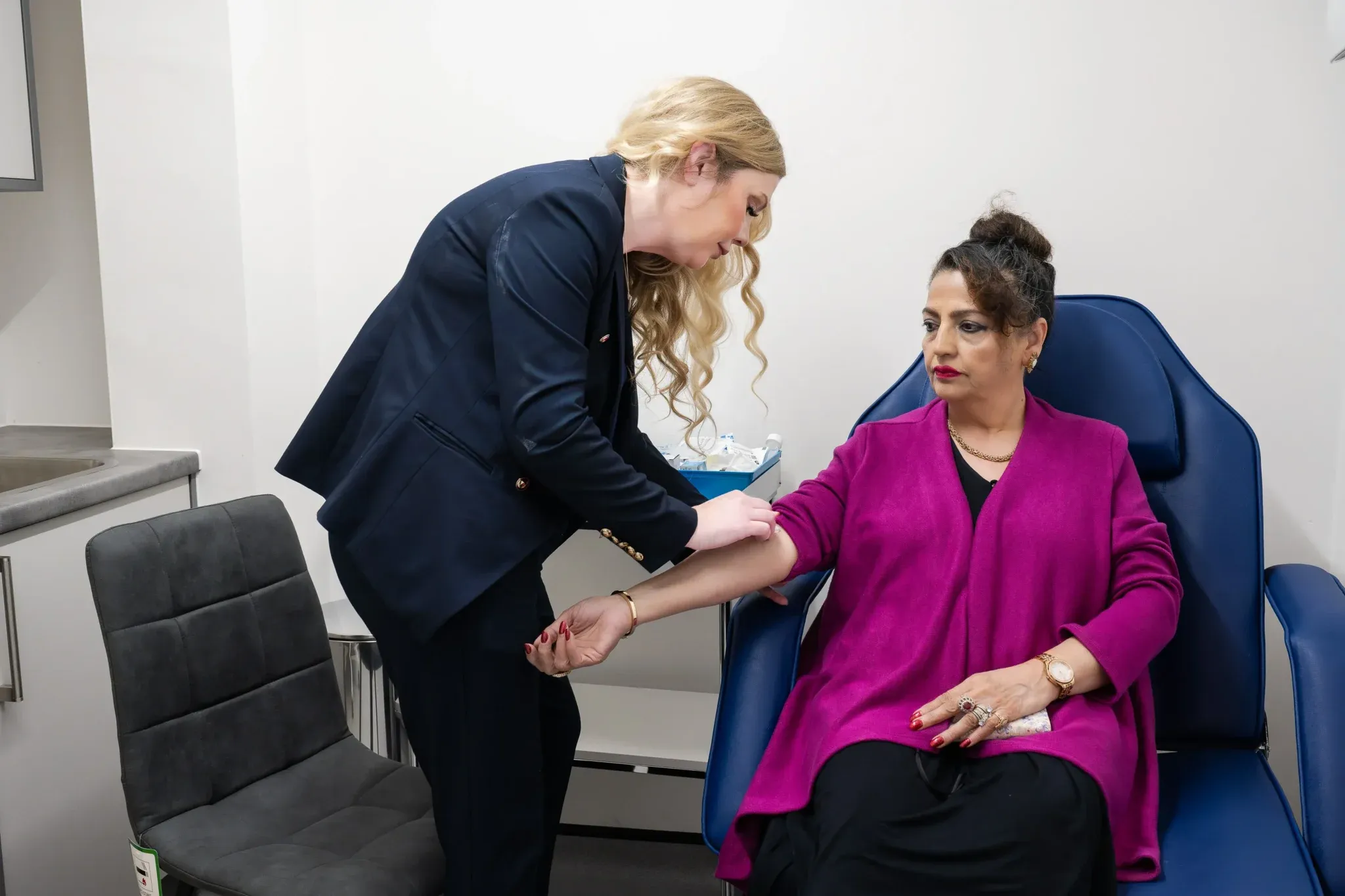
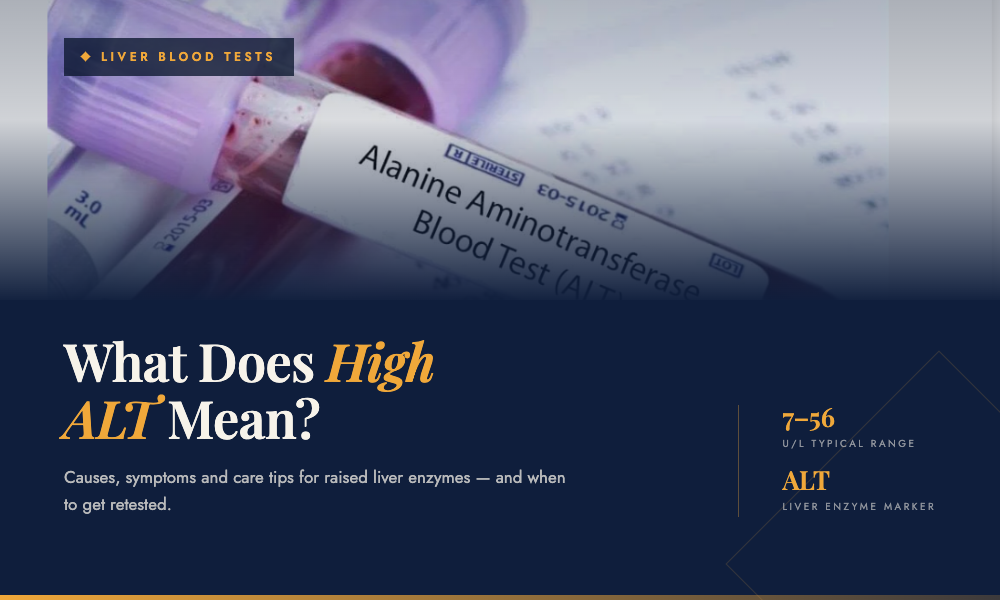
Blood tests are performed to ensure your internal inflammation is dropping. It monitors specific liver enzymes, such as ALT and AST, which typically begin to return to normal levels within a few months of starting a healthy lifestyle. Specialists also use the Enhanced Liver Fibrosis (ELF) test, which is recommended by UK medical guidelines to assess hidden, severe scarring to adjust the treatment plans.
Short-Term and Long-Term Milestones
Healing is a steady journey which is tracked using specific milestones. In the short term, usually within the first three months, patients often notice improved daily energy levels, and doctors will see blood sugar levels stabilise. In the medium term, around three to six months, follow-up Fibrosis Scans frequently show a visible reduction in liver fat. Over the long term, spanning twelve to twenty-four months, patients who remain consistent often achieve a complete resolution of the disease and a perfectly healthy liver.
The Conclusion
Understanding how long does it take to reverse fatty liver depends entirely on the severity of the condition and your daily commitment to a healthier lifestyle. While mild cases can heal well in a few short months, more advanced stages require patience, sustained weight loss, and professional medical oversight.
The certified practitioners at House of Health know how metabolic conditions are complex and provide dedicated treatments. Get advanced Fatty Liver Treatment in Birmingham with accurate diagnosis, testing and tailored nutritional guidance you need to completely restore your health.
Frequently Asked Questions
1. How quickly can you get rid of fatty liver?
Mild, simple fatty liver can often be safely reversed within one to three months by making consistent dietary changes, avoiding alcohol, and exercising daily.
2. What are the signs that your fatty liver is healing?
While you may not feel physical changes instantly, your daily energy will increase, and medical experts will see your liver enzymes return to normal on blood tests.
3. Is fatty liver 100% reversible?
Yes. In its early to moderate stages, the condition is highly reversible. However, if the disease progresses to heavy scarring (cirrhosis), the damage becomes permanent.
4. What are the three signs of a fatty liver?
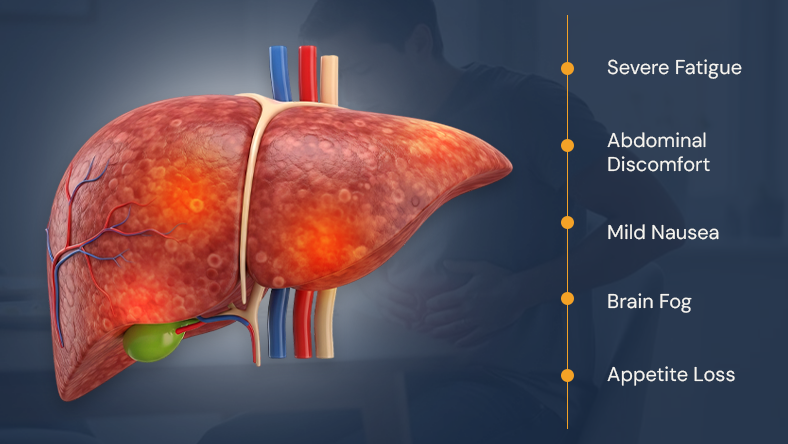
Early stages rarely cause symptoms. However, as it progresses, patients often experience severe daily fatigue, a dull ache in the upper right abdomen, and unexplained weight loss.