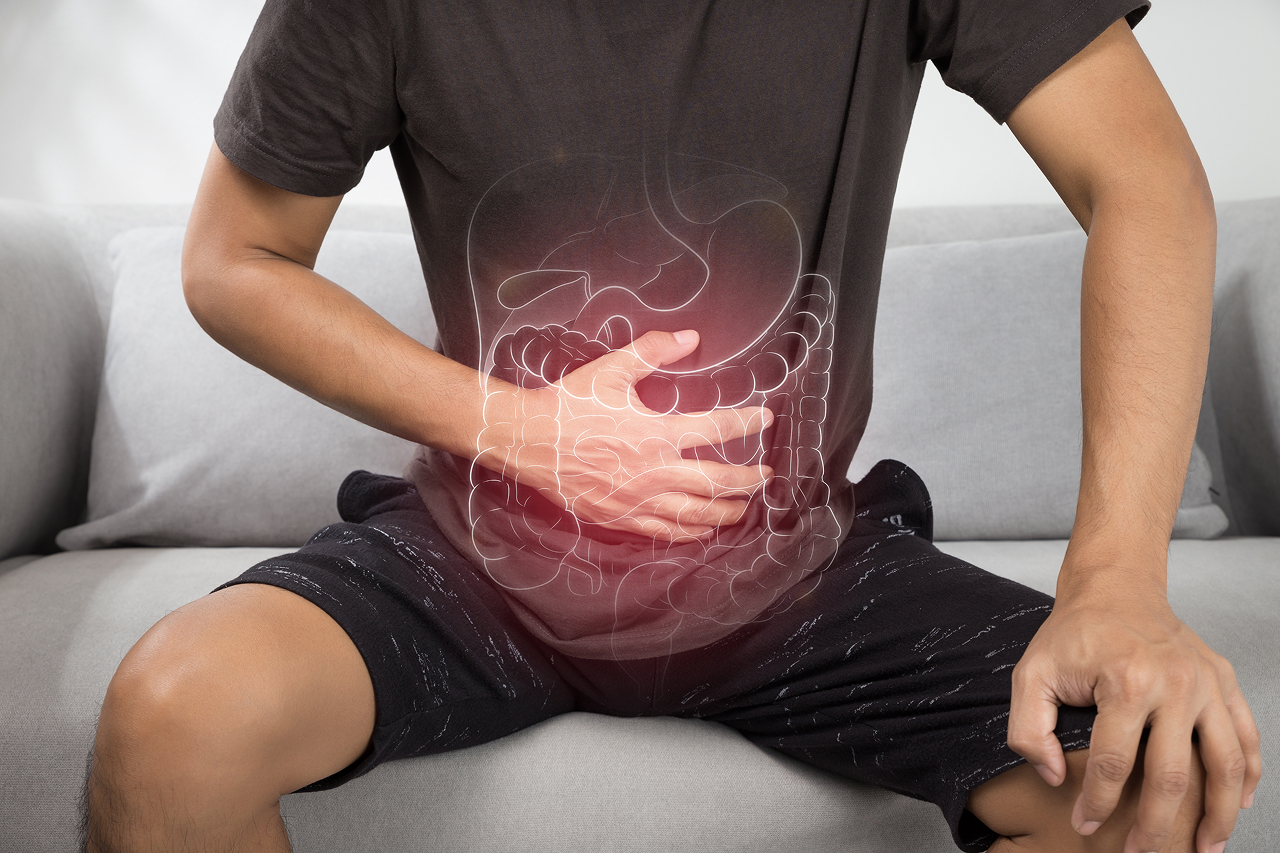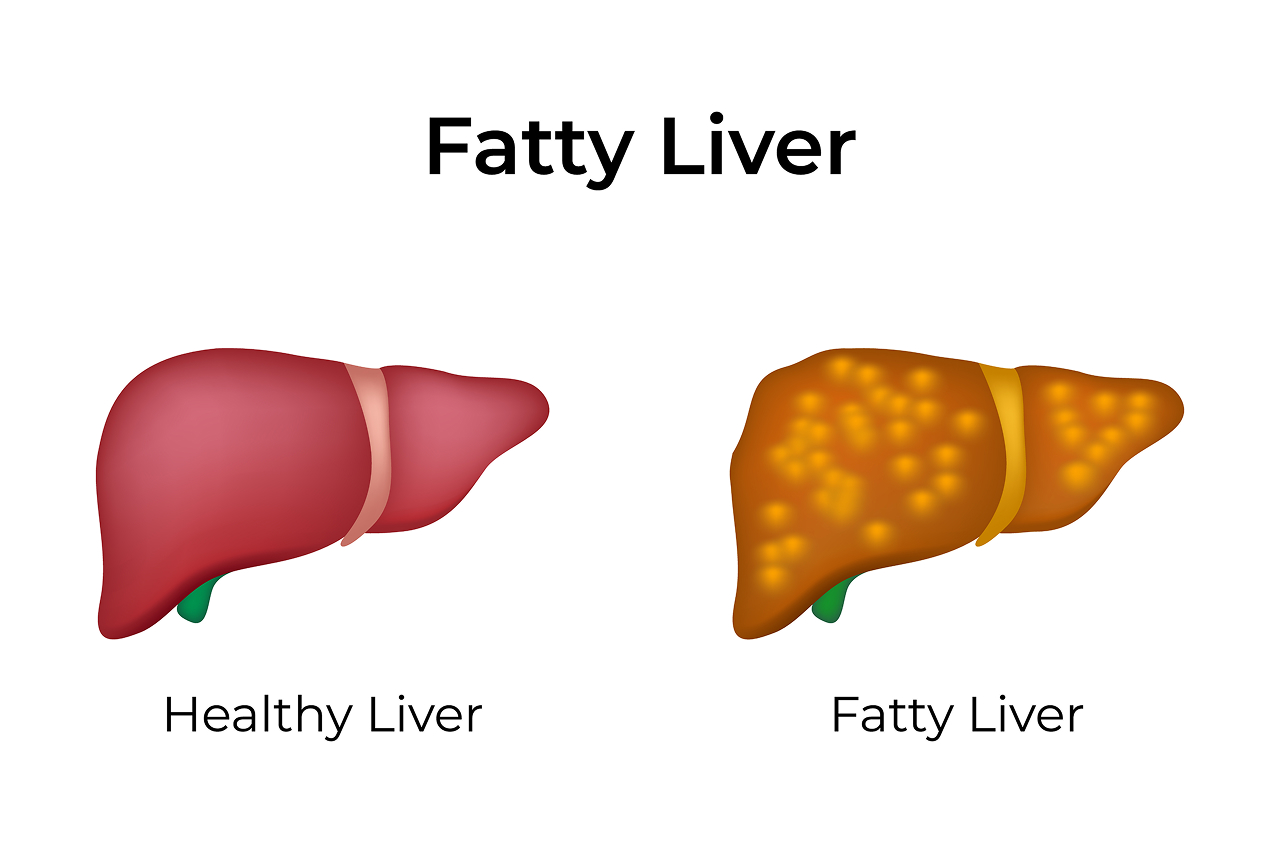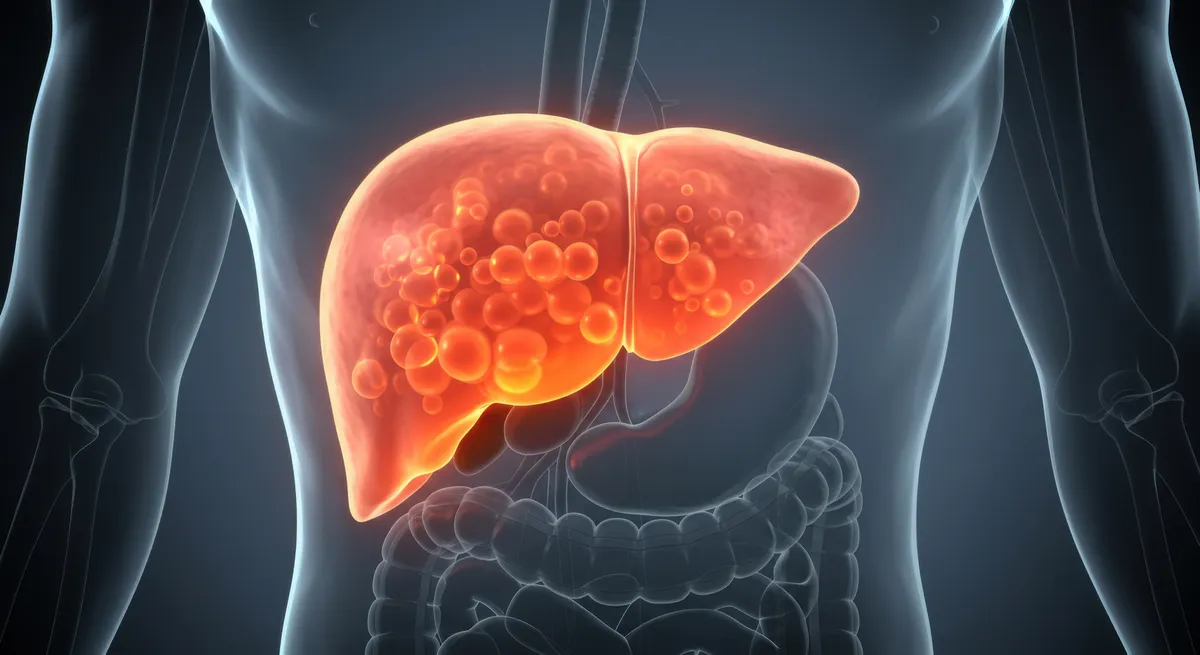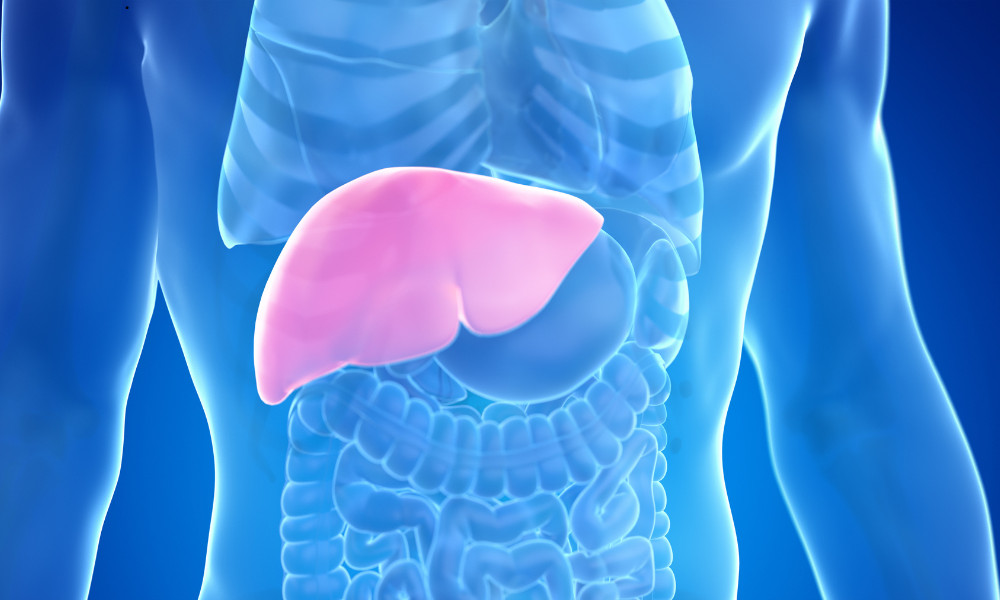

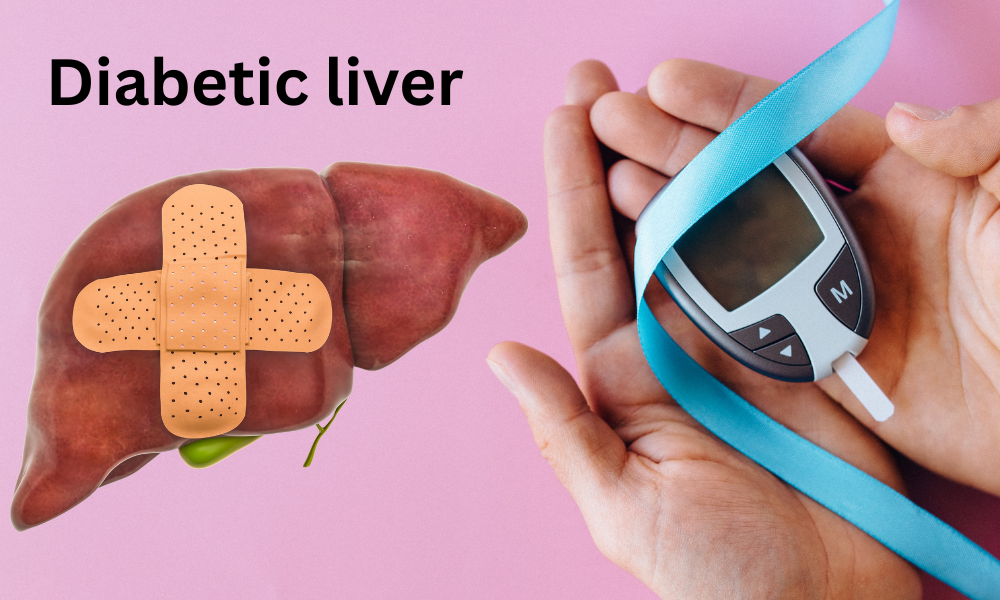
A diabetic liver is a liver subjected to extra work due to elevated blood glucose levels, increasing the risk of liver problems such as fatty liver disease and permanent scarring. Diabetic individuals or those who have pre-diabetes are highly likely to suffer from diabetes and fatty liver disease without ever having any visible symptoms. This connection works in two ways: the disease leads to the accumulation of fat in the liver, which in turn impairs the regulation of blood sugar levels.
The problem here is that the initial stages of liver damage often go undetected. Patients can be perfectly healthy despite the ongoing accumulation of fats in the liver and liver scarring.
This guide provides details on how diabetes affects your liver, possible signs, and tests that detect health risks before it's too late.
Key Takeaways
- The two major factors contributing to liver damage and liver scarring include type 2 diabetes and pre-diabetes.
- In cases of early-onset liver damage, the patient will rarely have symptoms; hence, being asymptomatic does not mean that your liver is healthy.
- Elevated levels of blood sugar combined with excessive fat cause inflammation and eventually liver scarring.
- A simple, painless scan can spot fat and scarring long before blood tests turn abnormal.
- Caught early, fatty liver linked to diabetes can often be slowed or reversed.
Can Diabetes Cause Liver Damage?
Yes. Diabetes is one of the leading causes of liver problems in the UK, and the damage usually happens slowly and quietly.
Here is how it works. When blood sugar stays high, the body produces more insulin to cope. Over time, the cells stop responding properly, and the liver starts storing the extra sugar as fat. That is the first stage of fatty liver disease.
The connection between high blood sugar and liver damage does not stop there — excess fat triggers inflammation, which scars the liver bit by bit. Scarred tissue cannot do its job, so the liver struggles to filter the blood and balance sugar levels. That, in turn, makes diabetes harder to manage, and the cycle repeats. Because this damage can go undetected for so long, a non-invasive Fibrosis Scan is often the most reliable way to catch it early.

Worried About How Diabetes Might Be Affecting Your Liver?
- Assessment led by a Consultant Hepatologist, not a technician
- A painless Fibrosis Scan and full blood panel in a single appointment
- Same-week availability, with your results explained on the day
What Causes Liver Damage in Diabetes?
Several factors raise the risk of type 2 diabetes liver disease and related fatty liver problems. Some you can change, and some you cannot.
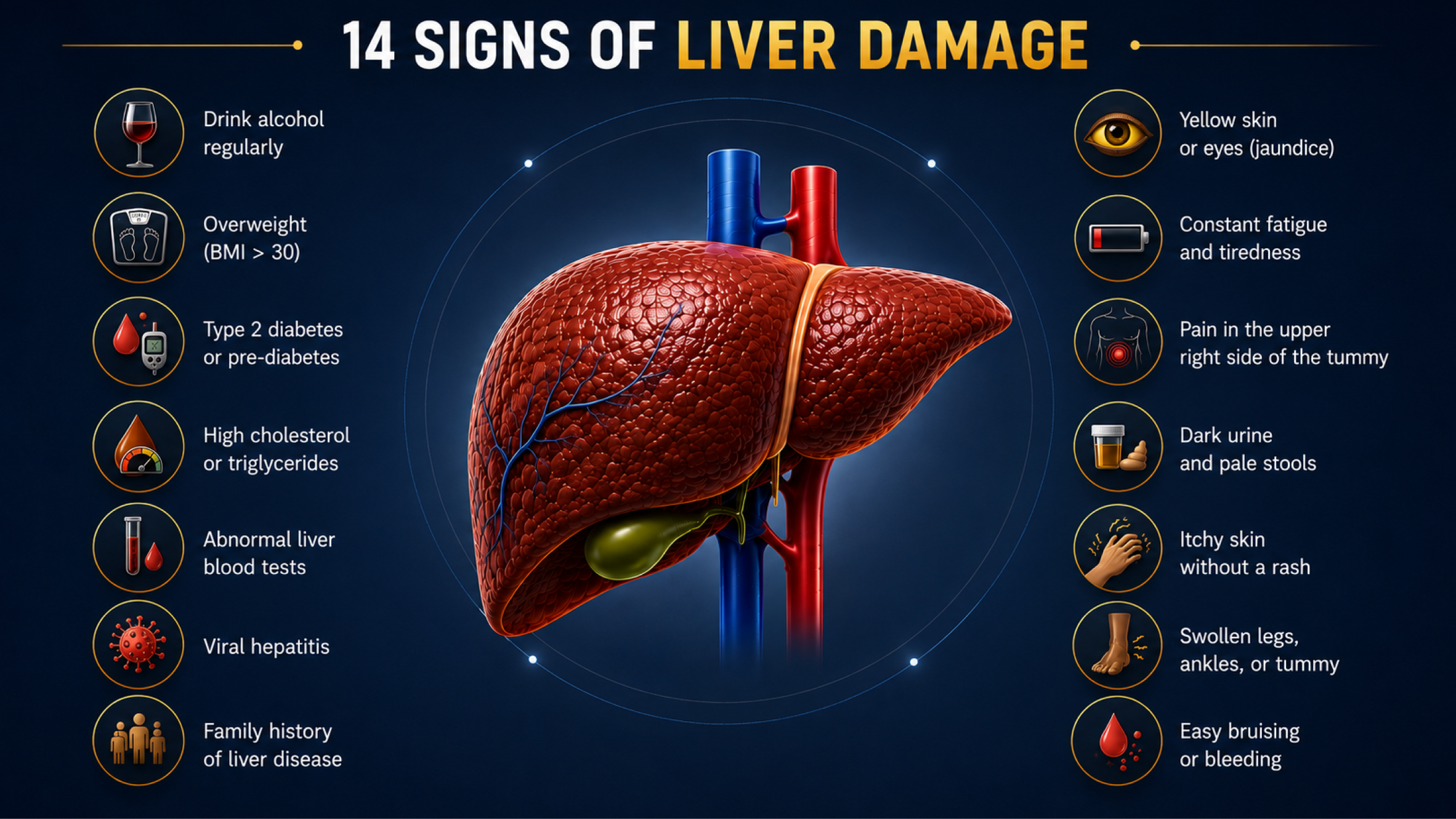
Common risk factors include:
- Type 2 diabetes or pre-diabetes places constant metabolic strain on the liver.
- Carrying extra weight, especially around the middle.
- Regular alcohol use, which adds another layer of pressure on top of diabetes.
- High cholesterol, or elevated blood fats, often accompanies diabetes.
- South Asian heritage, as people of South Asian background tend to develop fatty liver at a lower body weight.
- A family history of liver disease, which can increase your baseline risk.
The more of these factors that apply to you, the stronger the case for checking your liver early, rather than waiting for symptoms to show up.
Symptoms of Liver Damage in Diabetes
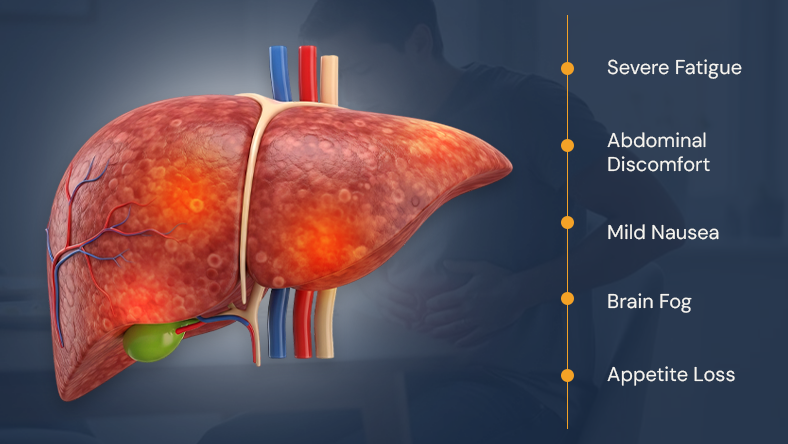
The biggest danger with a diabetic liver is that it rarely causes early symptoms. Many people feel perfectly healthy while damage builds up inside.
When symptoms do appear, the condition has often reached an advanced stage. Warning signs at this point can include:
- Constant tiredness or low energy
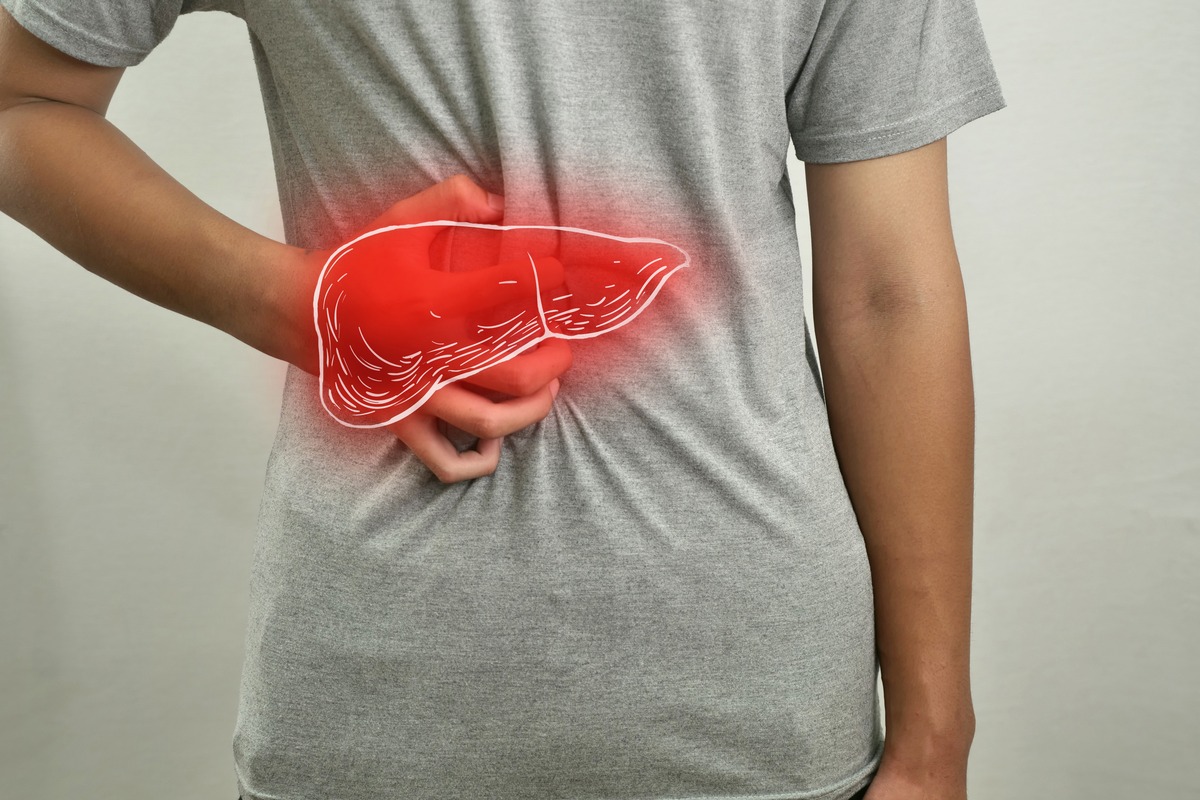
- An ache or pain in the upper-right portion of the stomach
- Unintended loss of body weight
- Discolouration of the skin or whites of the eyes (jaundice)
- Swelling of the feet or stomach
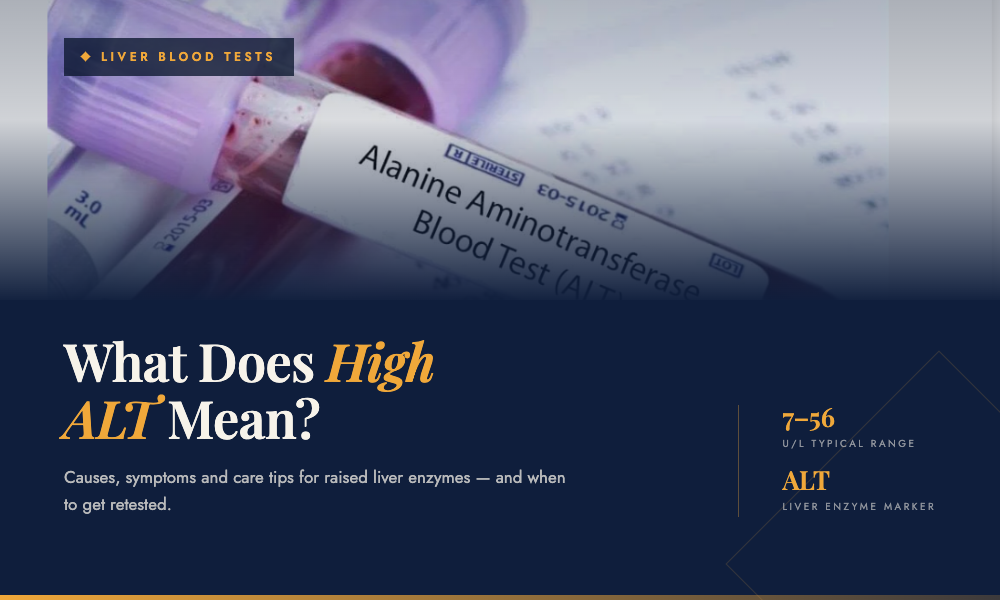
Since these symptoms occur later, the most valuable symptom is often an unusual laboratory reading. Diabetes tests measure enzymes such as ALT and GGT, and elevated levels can signal a potential issue long before any symptoms appear. A laboratory test showing abnormal liver enzymes warrants proper investigation rather than a wait-and-see approach.
Had an Abnormal Liver Blood Test? Find Out What It Actually Means.
- Direct review by a Consultant Hepatologist with a PhD in liver disease
- A clear, personalised plan based on your scan and blood results
How Is the Liver Checked in Diabetes?
Checking a liver affected by diabetes takes more than a single blood test. A proper assessment looks at how stiff the liver is, how much fat it holds, and what your blood markers reveal.
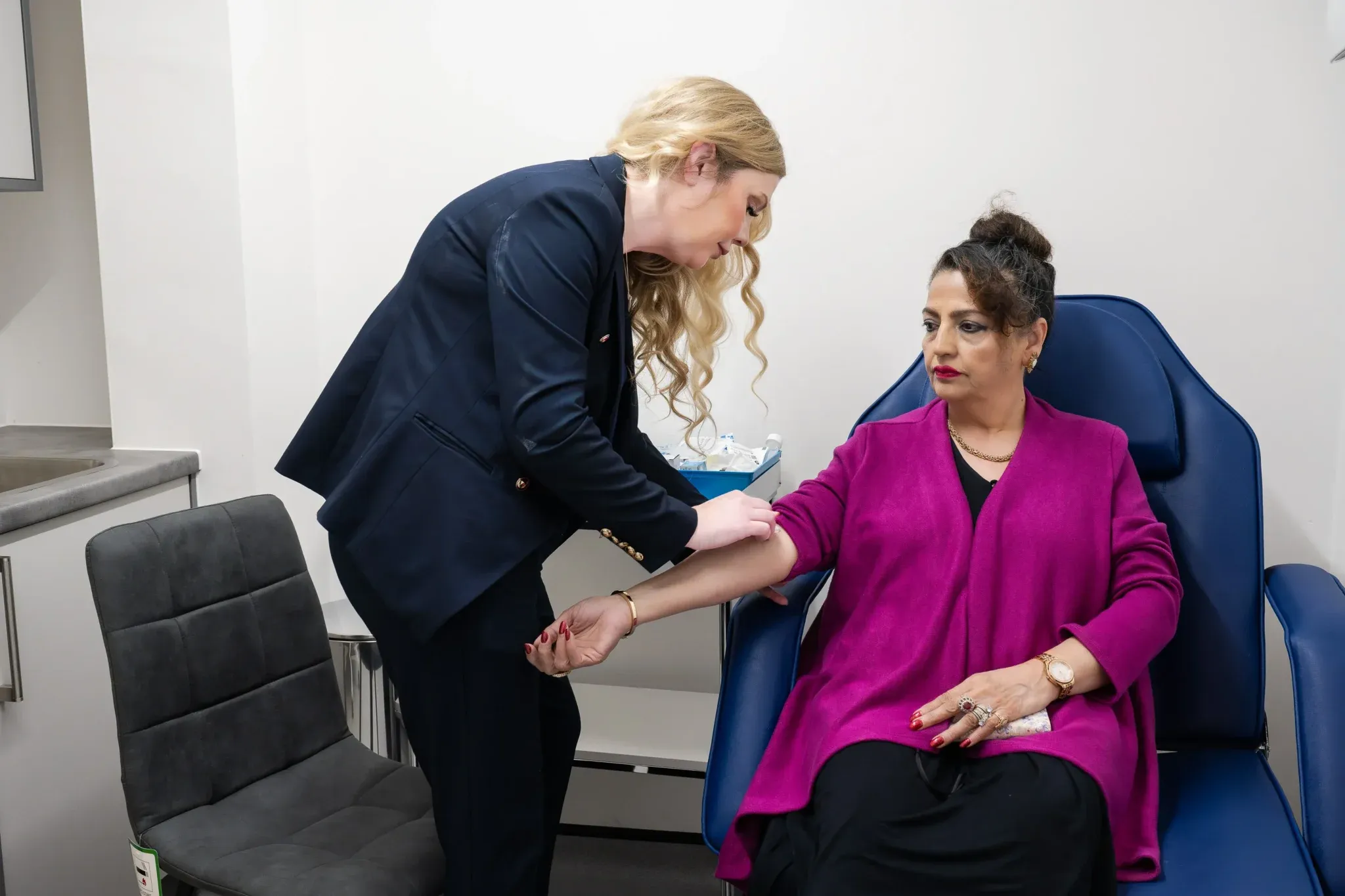
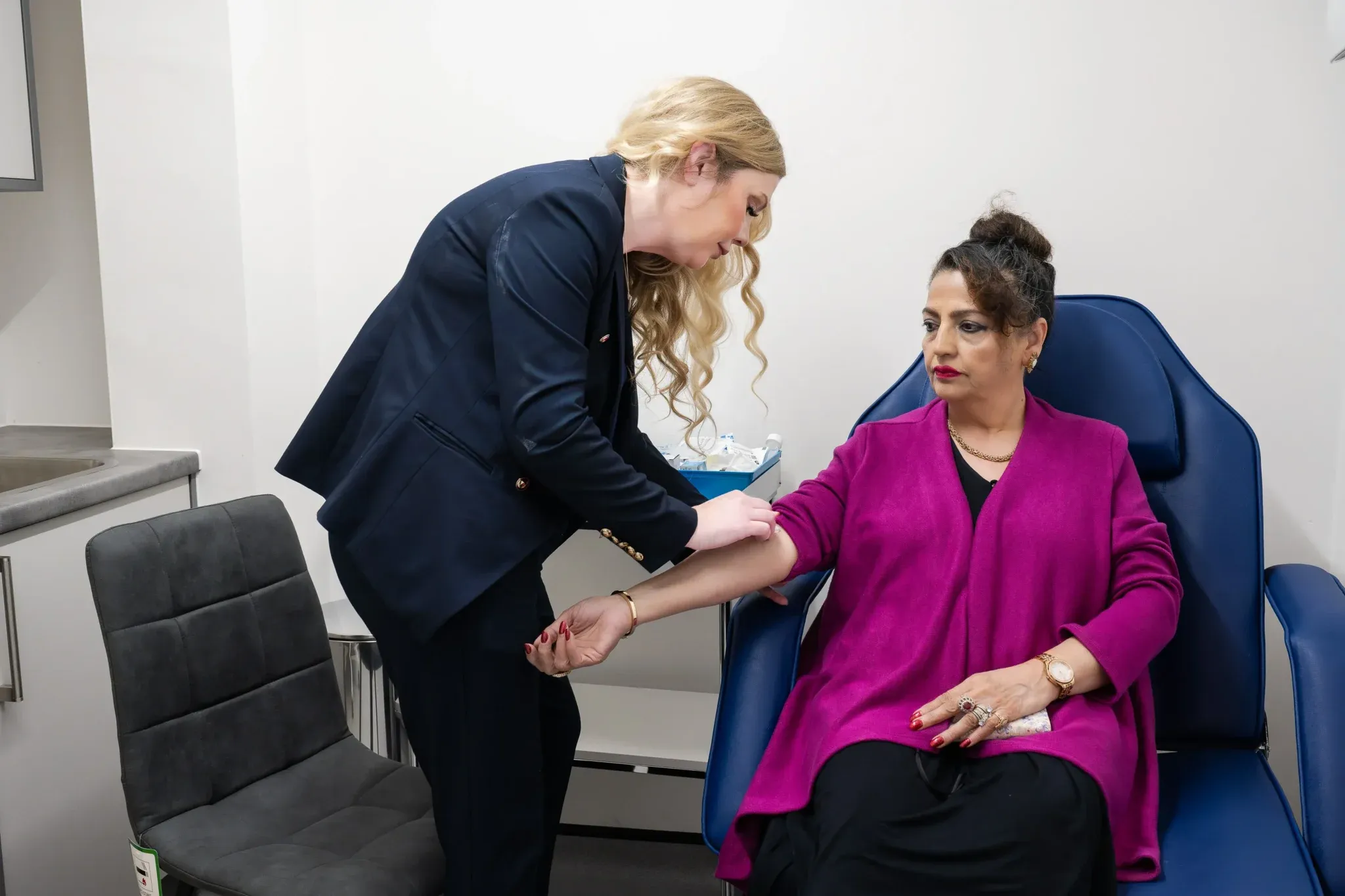
A private Liver MOT in Birmingham brings these checks together in one 60-minute, consultant-led appointment. It combines an advanced Fibrosis Scan, a full blood panel, and an expert review of your results on the same day.
What Does the Fibrosis Scan Measure?
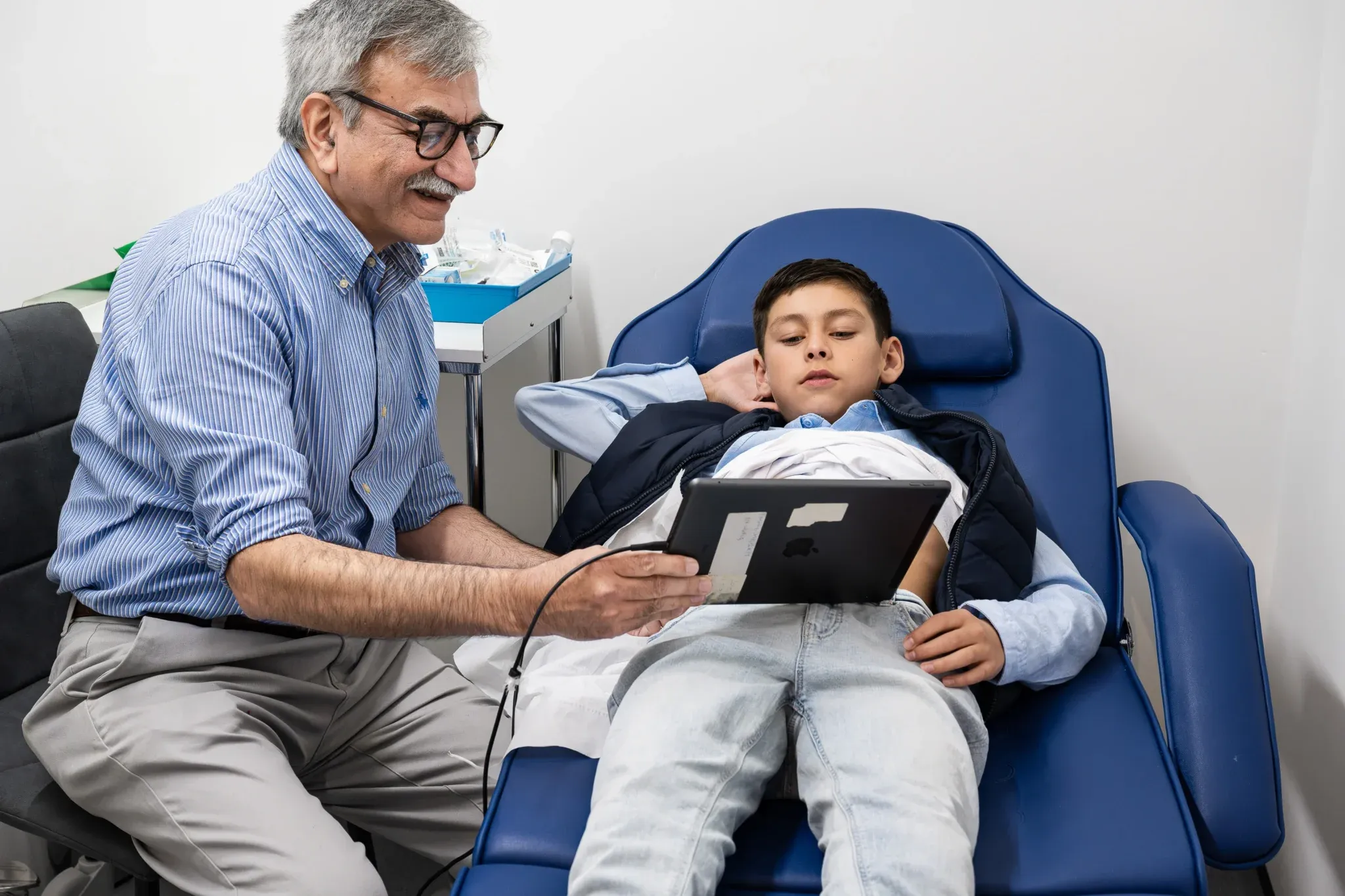
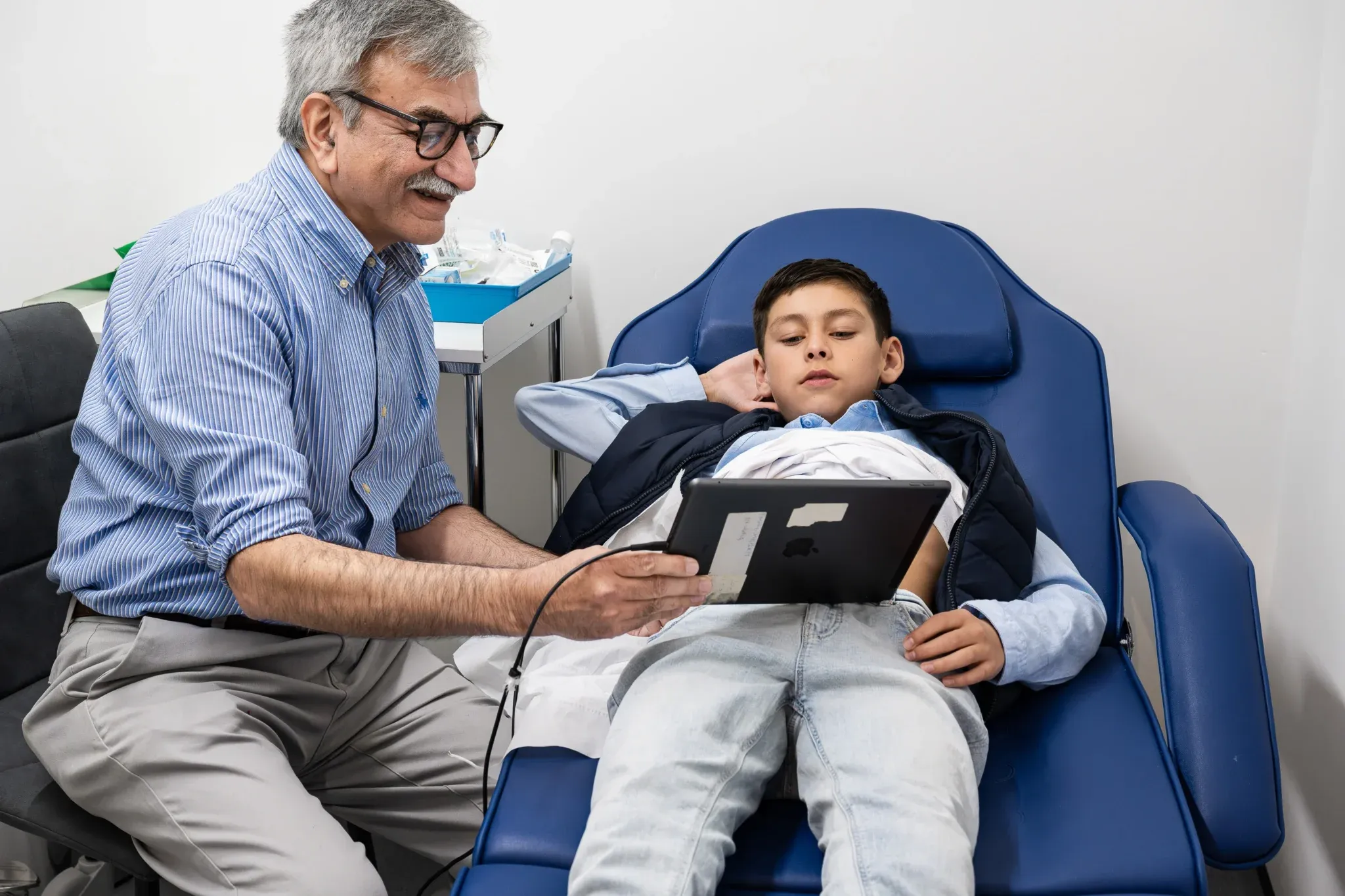
Fibrosis Scan, or Transient Elastography, is a non-invasive ultrasonic scan that usually takes about 5 to 10 minutes. It uses ultrasound waves to measure both:
- Liver stiffness, which shows the degree of scarring, graded from F0 (healthy) to F4 (cirrhosis).
- Liver fat content, which shows how much fat has built up.
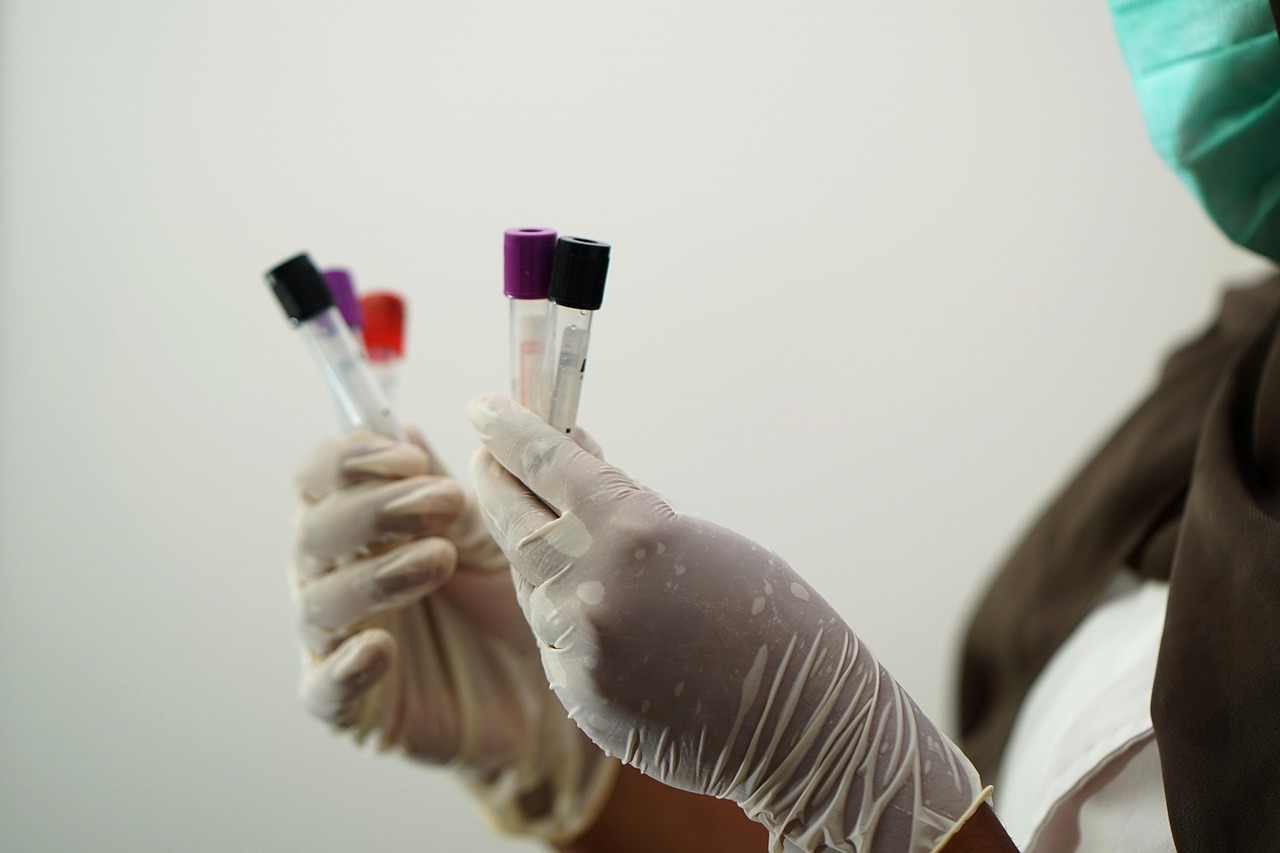
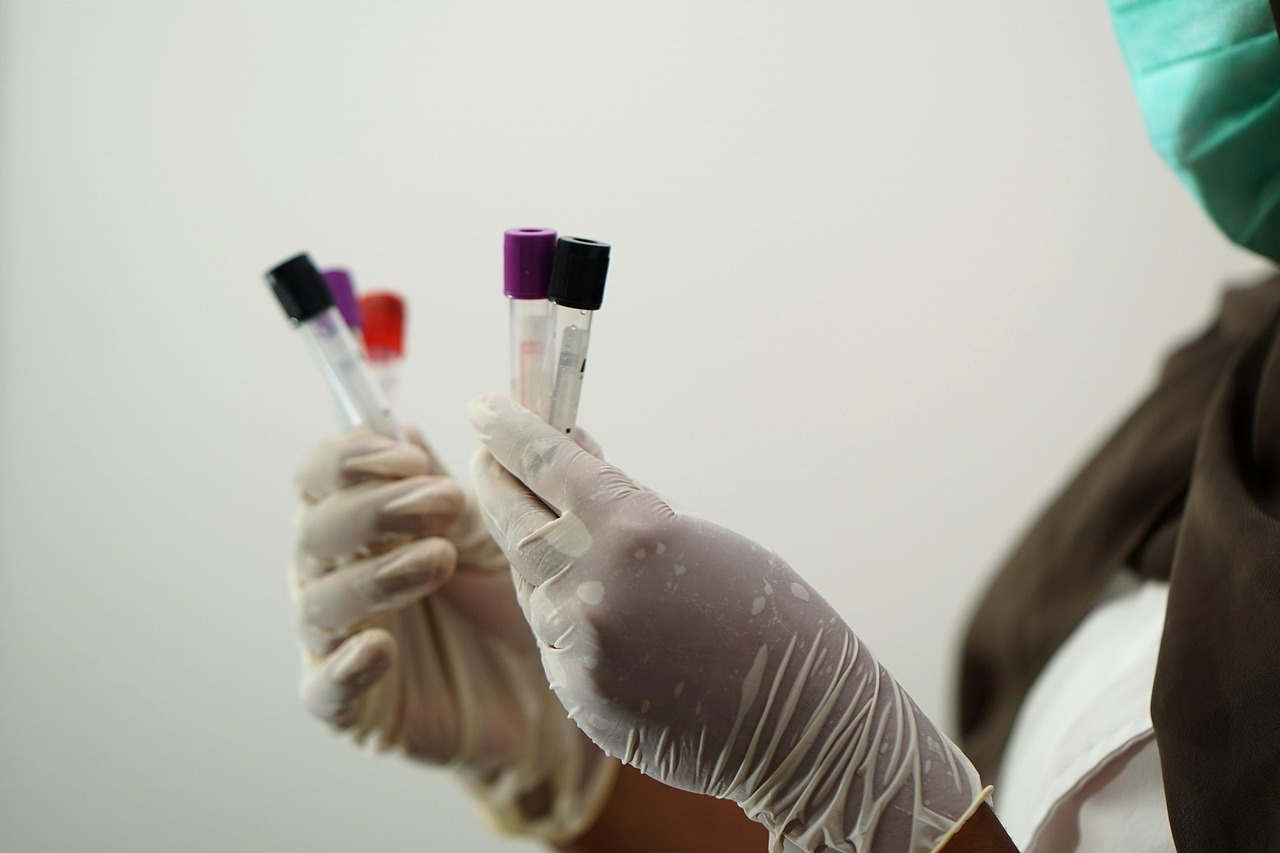
The scan samples far more tissue than a traditional biopsy, with no needles, no radiation, and no recovery time. Alongside the scan, the blood panel checks your liver enzymes, hepatitis status, fasting glucose, HbA1c, and cholesterol. Together, that gives a complete picture of both your liver health and your diabetes control.
Treatment Options
However, the positive side of this condition is that the damage to your liver can be reversible. All you have to do is eliminate the fat buildup, prevent inflammation, and protect your liver from scarring.
Most plans pull together a few steps:
- Better blood sugar control, through medication and monitoring, to ease the strain on the liver.
- Gradual, steady weight loss, which is the single most effective way to reduce liver fat.
- Regular movement, since even moderate exercise lowers fat and improves insulin sensitivity.
- Cutting back on alcohol, which gives the liver room to recover.
Fatty Liver and Diabetes Diet
An effective diet for fatty liver disease and diabetes plays a dual role, controlling blood glucose levels and liver fat simultaneously. It emphasises whole foods rather than restrictive dietary restrictions.
Positive food choices consist of:
- Inclusion of fibre-rich whole foods such as fruits, vegetables, pulses, and whole grains
- Avoidance of foods that have a high sugar content, including soda and junk food
- Consumption of healthy fats like oily fish, nuts, and olive oil
- Moderate portions of food to control weight effectively
A liver dietitian can help manage more severe cases, and doctors can provide medical treatment when necessary. In cases of more severe liver damage, it becomes difficult to reverse; hence, taking action before the problem becomes severe is very important.
Conclusion
Your diabetic liver is highly vulnerable to the occurrence of a silent fatty liver condition and liver scarring. Since high glucose levels and fatty tissue impair the organ's function in silence, the only effective strategy here is early detection.
Fortunately, your choices matter a lot in this situation. Proper regulation of blood sugar levels, gradual, controlled weight loss, and dietary changes will help slow, stop, or even reverse the effects in some cases.
If you live with diabetes and want clarity about your liver, the specialists at House of Health offer a consultant-led Liver MOT in Birmingham that measures your liver fat and stiffness and explains exactly what your results mean.
Frequently Asked Questions
Can a diabetic's liver be reversed?
Yes, especially when detected at an early stage. The liver can get rid of excess fats by losing weight, regulating the body's sugar levels, and maintaining a healthy diet.
What blood tests check the liver in diabetes?
Liver enzyme levels include tests for ALT, GGT, ALP, and bilirubin. To assess overall condition, one should test fasting glucose, HbA1c, and cholesterol levels.
Does a fatty liver always lead to cirrhosis?
No. Many people with fatty liver never develop cirrhosis, especially when they make changes early. The risk rises when fat causes ongoing inflammation and scarring, so monitoring and treatment help keep it in check.
How long does a Liver MOT take?
The full Liver MOT is a 60-minute, consultant-led appointment. It includes a Fibrosis Scan, a blood panel taken on the day, and a clear discussion of your results during the same visit.
Is the Fibrosis Scan painful?
Not at all. The test uses sound waves and takes around 5 to 10 minutes to complete. No needles, radiation, or recovery time are necessary; most patients will just feel a vibration on the surface of their skin.
How much does a private Liver MOT cost?
The complete Liver MOT package costs £695 and includes the consultation, Fibrosis Scan, full blood panel, same-day interpretation, and a written report. A standalone Fibrosis Scan is also available for £300.