
To secure an accurate diagnosis for Attention Deficit Hyperactivity Disorder, you must book an assessment with a specialist psychiatrist who will evaluate your daily struggles, review your early childhood history, and observe your specific physical traits.
At a private medical centre, this process involves a deep consultation and specific diagnostic checklists to confirm the neurological condition.
You wake up feeling mentally overwhelmed; you lose your keys, forget important tasks, and grow increasingly frustrated. After quick online quizzes and vague answers, you realise a website cannot diagnose a complex neurological condition; you need a proper medical evaluation.
This guide explains the exact steps to secure a clinical diagnosis. You will learn what to expect from the appointment and how to prepare for it.
What is ADHD, and Why Seek an Assessment?
Many people live for years with undiagnosed traits. They struggle with focus, memory, and emotional control. An official diagnosis provides a medical explanation for these struggles. It removes the guilt associated with perceived laziness or poor discipline.
Furthermore, a formal label grants access to specific medical treatments and legal protections in the workplace or school. Once you possess the correct knowledge, you can build a life that suits your brain structure.
How to Start the Process in the UK?
Step 1: Speak to a General Practitioner
Your first step is to speak with a doctor. You should write down your symptoms before the appointment. Document how these traits affect your daily life. The doctor will ask about your childhood, mental health, and family history. If the doctor suspects a neurodevelopmental condition, they will initiate a referral.
Step 2: Gather Your Evidence
You must prepare substantial evidence for the specialist. Locate old school reports if possible. Ask parents or older siblings to write a statement about your childhood behaviour. Keep a diary of your current struggles for two weeks. This data provides the psychiatrist with a clear picture of your past and current difficulties.
Step 3: The Referral Choice
In the UK, you have several options for a referral.
- You can join the NHS wait list. However, NHS delays often stretch for years.
- Alternatively, you can use the 'Right to Choose' pathway if eligible. This allows you to select a specific clinic.
- You can also opt for a private assessment to bypass delays entirely.
Step 4: The Specialist Consultation
Only a qualified specialist can officially diagnose this condition. This professional is usually a psychiatrist, paediatrician, or specialist psychologist. The consultation often lasts one to two hours. They will review all the documents you provide. They will assess your medical history and determine whether your symptoms meet the official criteria.
What Occurs at the Actual Test?
A formal evaluation combines several methods to ensure accuracy. The assessor looks for consistent patterns across your entire lifespan.
Clinical Interviews
The specialist will conduct a deep interview. They will ask about your current struggles. They will also explore your childhood. The criteria state that symptoms must be present before age twelve. They will ask how you cope with stress, relationships, and finances.
The DIVA Assessment Tool
Specialists frequently use a tool called the Diagnostic Interview for ADHD in adults. Doctors refer to this as the DIVA. This structured interview asks specific questions about your life. It covers your childhood and your current adult life. The specialist will ask for concrete examples for each symptom. If you claim you often lose items, they will ask how often and which items. They need proof of persistent impairment.
Questionnaires and Rating Scales
You will complete structured forms. These forms measure the severity of your distraction and hyperactivity. If the test is for a child, parents and teachers must fill out similar forms. This provides a comprehensive view of the child's behaviour across different environments.
Observational Information
The specialist often requires input from someone who knows you well. An adult might ask a partner or parent to attend the appointment. The specialist wants to see how your traits affect others. They also observe your physical movements and speech patterns in the session.

Need A Simple Plan For Your ADHD Assessment?
- Securing a clear diagnosis need not be hard.
- The experts at House of Health make it easy to access adult and child assessments and treatment plans without delays.
Common Symptoms That Prompt an Evaluation
People usually seek an evaluation when specific traits disrupt their lives. Doctors categorise these signs into three main areas.
Inattention Signs
- People with this trait easily lose focus.
- They make careless mistakes at work or school.
- They often misplace items like keys or phones.
- They avoid tasks that demand sustained mental effort.
- Forgetfulness in daily activities is very common.
- They struggle to follow multi-step instructions from teachers or managers.
Hyperactivity Signs
- Hyperactivity involves constant physical movement.
- Children fidget with their hands.
- Adults often feel an internal restlessness.
- They leave their seat when they should stay seated.
- They talk excessively.
- They often act as if driven by a motor.
- They cannot play or relax quietly.
Impulsivity Signs
- Impulsivity involves actions without thought.
- These individuals blurt out answers before the questions are complete.
- They find it hard to wait for their turn.
- They interrupt others constantly.
- They make rash decisions with money or relationships.
- They do not consider consequences before they act.
The Differences Between Adult and Child Evaluations
The core criteria remain the same, but the approach differs by age.
Child Assessments
- For children, the specialist relies heavily on school reports.
- Teachers provide crucial data about classroom behaviour.
- The paediatrician will also check for other developmental delays.
- Early intervention provides the best chance for academic success.
- Parents play a central role in the diagnostic process.
Adult Assessments
- Adults must provide evidence of childhood symptoms. This is often difficult if records are lost.
- The specialist will ask about job performance and relationship stability.
- Adults often develop complex habits to hide their struggles.
- The assessor must look past these masks.
- They will explore past instances of job loss or academic failure.
Conditions That Mimic These Symptoms
A thorough evaluation must rule out other medical issues. Several conditions look very similar.
Anxiety and Stress
Anxiety causes severe distraction. A worried mind cannot focus on tasks. Trauma can also cause sudden behavioural shifts. A specialist must determine if the distraction stems from fear or a neurodevelopmental difference.
Sleep Disorders
Poor rest makes a person restless and unfocused. Sleep apnoea is a common culprit. A tired child often acts hyperactive to stay awake. Doctors must resolve sleep issues first.
Thyroid Issues
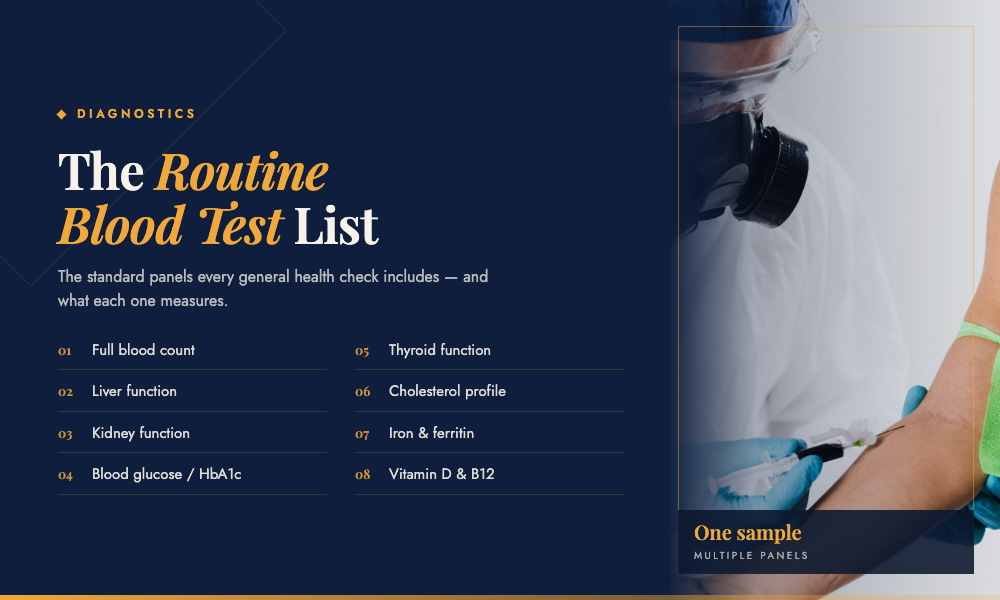
An overactive thyroid can cause physical restlessness and difficulty concentrating. A doctor will often request blood tests to check thyroid function before they refer you to a psychiatrist.
The Role of Private versus Public Healthcare
You must decide how to access care based on your budget and urgency.
NHS Wait Lists
Public healthcare provides free assessments. However, the demand is extremely high. You might stay on a list for two to five years. This delay causes significant distress for many families. The long wait often worsens mental health issues.
The Private Route
Private clinics offer immediate access to specialists. You can secure an appointment within weeks. This route requires a financial investment. However, it provides a comprehensive report and a clear treatment path quickly. You bypass the stress of long delays.
Shared Care Agreements
If you choose the private route and require medication, you can ask your GP for a Shared Care Agreement. This allows your GP to prescribe the medication under the guidance of the private specialist. This reduces the long-term cost of prescriptions. Your GP must agree to this arrangement.
How to Choose a Private Clinic?
If you opt for the private route, you must select a reputable clinic.
Check Qualifications
Ensure a Consultant Psychiatrist conducts the evaluation. Check their registration with the General Medical Council. Do not accept assessments from unqualified coaches. An incorrect diagnosis can cause severe harm.
Review Aftercare Policies
A good clinic provides comprehensive aftercare. They should offer medication titration. Titration is the careful adjustment of medication doses. They should also offer behavioural therapy options. The initial assessment is only the first step. You need a clinic that supports your long-term health.
Common Mistakes People Make
Many individuals fall into specific traps when they seek an evaluation.
Lack of Preparation
Do not attend the GP appointment without notes. You must provide clear examples of your struggles. Vague complaints often lead to dismissal. Write down exact scenarios where your symptoms caused failure or distress.
Expectation of a Quick Fix
An assessment is a detailed process. You will not receive a diagnosis in ten minutes. You must remain patient and open to the questions. Treatment also requires time and adjustments.
Self-Diagnosis
Internet research is helpful, but it cannot replace a clinical review. Do not assume you have the condition. Let the specialist determine the correct medical label. Other mental health issues often present similar signs.
Final Thoughts
To seek a formal assessment is a brave and necessary step. An accurate diagnosis provides clarity and validation for years of unseen struggles. There is no single solution that resolves this condition.
However, many individuals achieve long-term success with the correct behavioural support, lifestyle adjustments, and medical care. The goal is not perfection but stability. By identifying triggers and using evidence-based strategies, you can reduce symptoms significantly and regain confidence in your future.
Frequently Asked Questions
How long does a private assessment take?
A private consultation usually lasts between one and two hours. You often receive the full written report within a few weeks.
Can a GP diagnose this condition?
No. A general practitioner can only suspect the condition and refer you for further evaluation. Only a specialist psychiatrist or paediatrician can provide an official diagnosis.
What happens if I do not meet the criteria?
The specialist will explain their conclusion. They might diagnose a different condition, such as anxiety, or suggest alternative therapies to help with your specific symptoms.
Are online tests accurate?
Online quizzes offer a good start, but they are not medical tools. You must undergo a formal clinical review to obtain a valid diagnosis.
Is the condition considered a disability in the UK?
Yes. Under the Equality Act, severe cases qualify as a disability. This provides legal rights for reasonable adjustments at work or in education.