
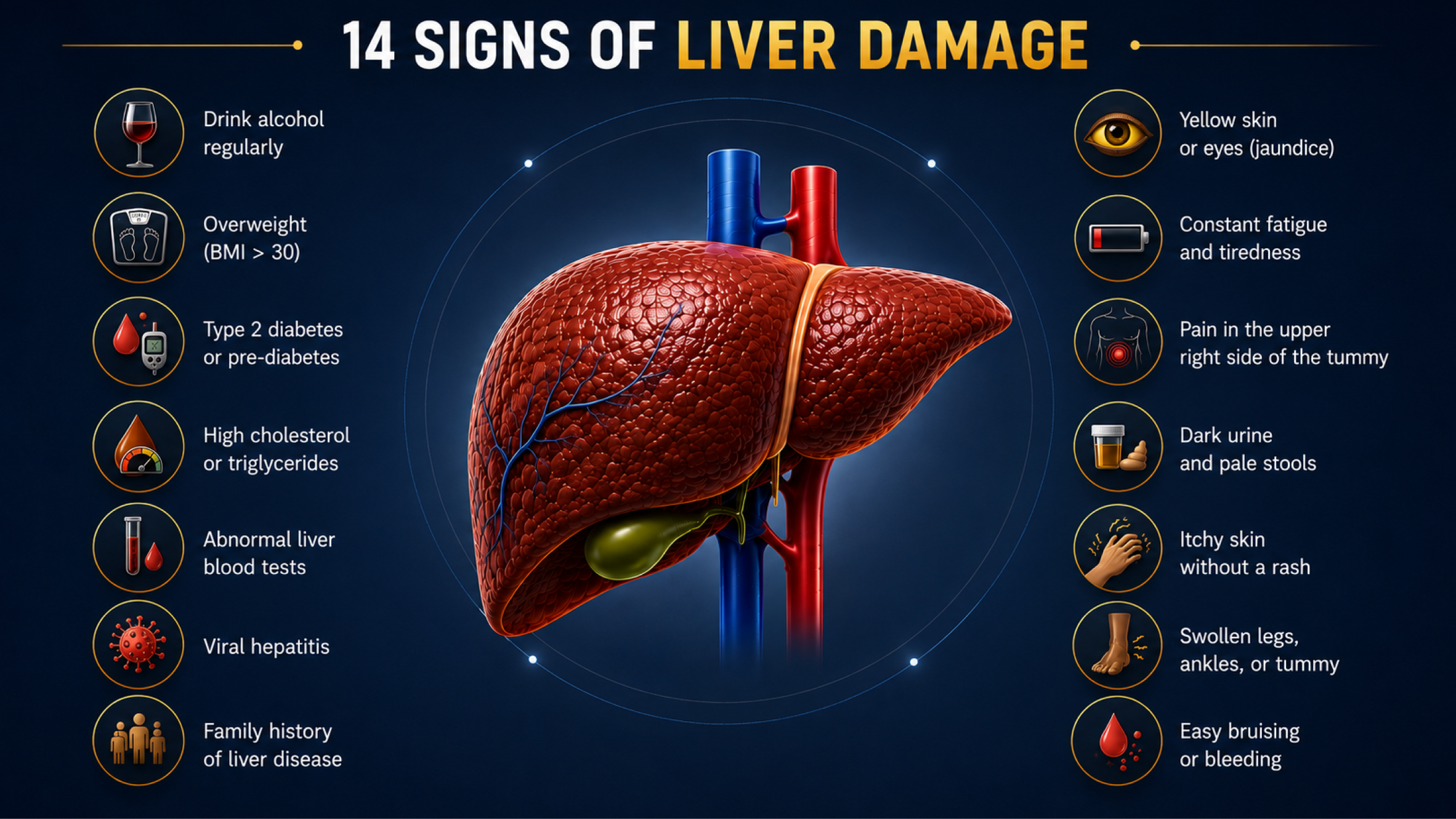
Some of the top 14 signs of liver damage include regular drinking, high body mass index, Type 2 diabetes, high cholesterol, abnormal liver function test, viral hepatitis, familial history of liver disease, jaundice, fatigue, persistent pain on the upper right side of the abdomen, dark urine, itchy skin, oedema, and frequent bruises. Recognising the early symptoms of liver damage is very important in safeguarding your health and preventing future complications.
Since the liver performs functions throughout the day discreetly, many times patients are not aware that something is wrong till it is too late. It's shocking but true that millions of people suffering from a serious form of liver disease in the UK have no idea of it due to a lack of visible symptoms in the body. Doctors term this type of liver problem as 'silent liver disease', which makes lifestyle and blood screening highly recommended.
This guide will tell you about all the warning signs, major risk factors associated with liver damage, and some expert ways to test for liver problems silently. By the time you finish reading this guide, you will understand the importance of undergoing a liver evaluation test without any delay.
Key Takeaways
- Liver disease in its early stages is typically symptom-free
- Risk factors have more significance than symptoms when it comes to warning signs
- If someone has yellow skin, dark urine, or swelling, it may indicate advanced liver disease
- An average FibroScan takes approximately 10 minutes
- Detecting liver disease early can lead to a reversal or prevention of scarring
Causes Of Liver Damage
Several factors push the liver toward long-term harm. The most common causes include:
- Excessive alcohol consumption — excessive alcohol intake damages liver tissues gradually.
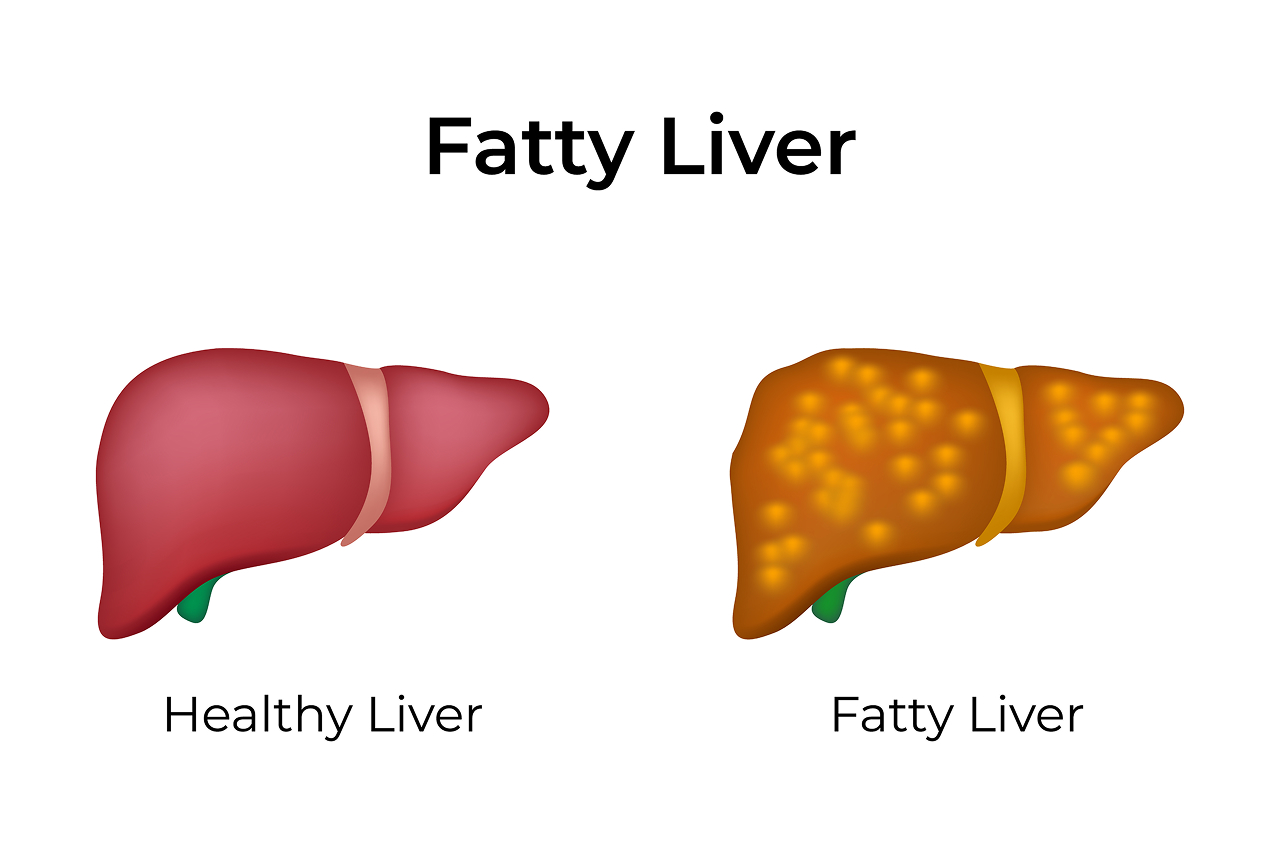
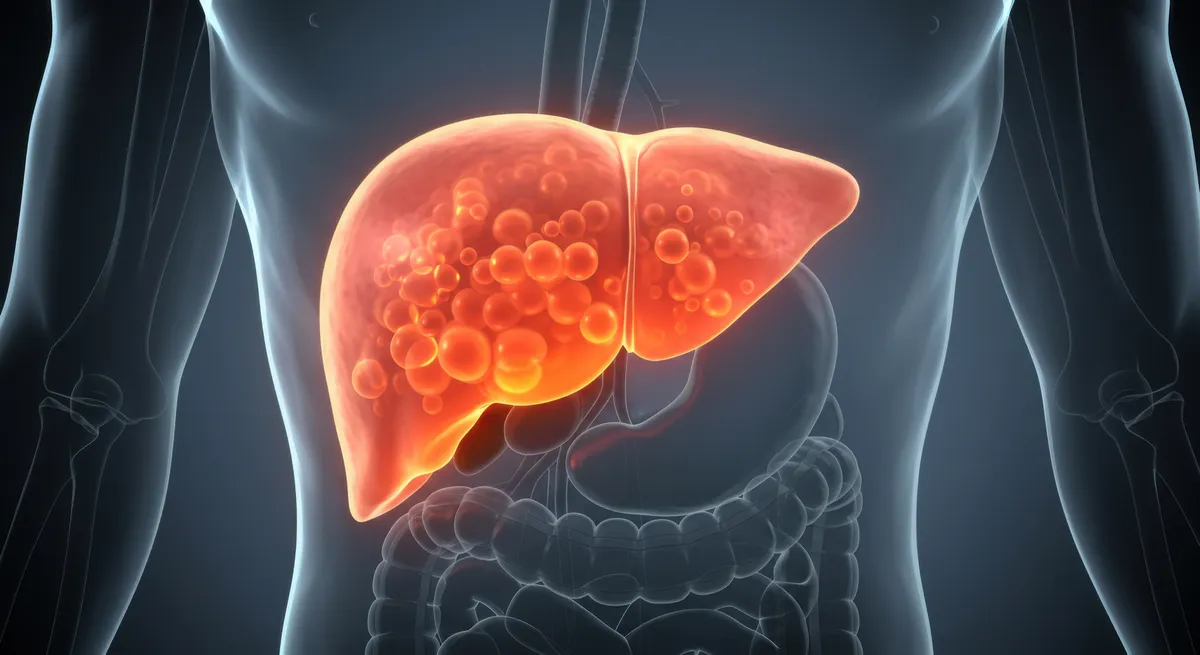
- Fatty liver disease — fat accumulates in the liver tissues, which may be caused by obesity or diabetes.
- Hepatitis B and C — viral hepatitis that silently affects liver tissues for many years.
- Medication — excessive use of certain drugs, such as paracetamol, over an extended period of time.
- Autoimmune diseases — the immune system attacks the liver cells.
- Genetic disorders — inherited medical conditions like Wilson's disease or haemochromatosis.
- Toxins/chemicals — contact with toxic substances at work or in the home.
14 Signs Of Liver Damage You Must Watch Out For
Because most early liver disease produces no clear symptoms, doctors now treat key risk factors as the real signs your liver is struggling. The following list combines clinical risk markers and physical warning signs you should never ignore.
Risk-Based Warning Signs Of Liver Damage
1. You Drink Alcohol Regularly
Drinking alcohol most days places a steady strain on liver cells. Even a moderate weekly intake leads to fatty liver disease or alcohol-related scarring over the years.
2. You Are Overweight or Have a BMI Over 30
Excess body fat, especially around the middle, often signals fat building up inside the liver. A BMI over 30 sharply raises the risk of non-alcoholic fatty liver disease (NAFLD).
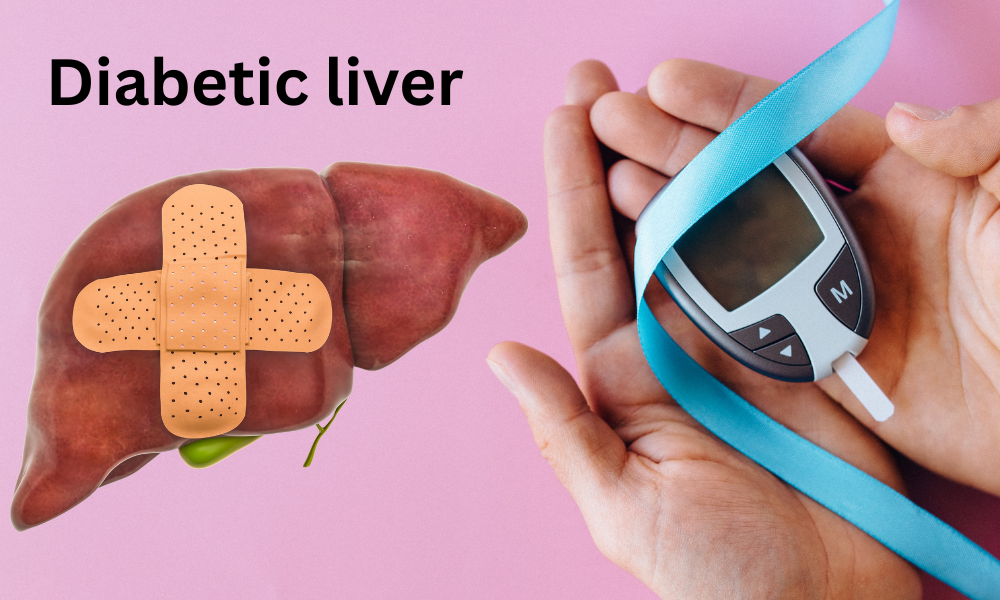
3. You Have Type 2 Diabetes or Pre-Diabetes
High blood sugar pushes the liver to store more fat. Around seven in ten people with Type 2 diabetes also develop fatty liver disease.
4. You Have Raised Cholesterol or Triglycerides
High blood fat levels almost always accompany fatty liver. They show that the body's fat-handling system is under pressure, and the liver pays the price.
5. You Have Abnormal Liver Blood Tests Previously Picked Up by a GP
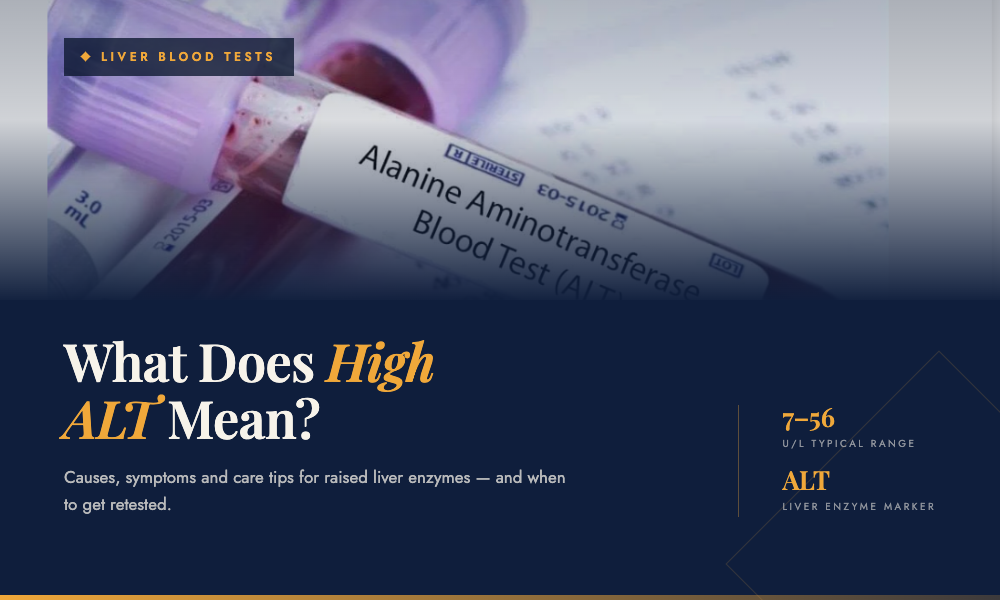
A GP test showing raised ALT, AST, or GGT levels is one of the strongest early warning signs of liver disease. These results need expert review rather than a wait-and-see approach.
6. You Have Viral Hepatitis
Hepatitis B and Hepatitis C silently destroy liver tissue for years before causing illness. Many people carry these viruses without realising.
7. You Have a Family History of Liver Disease
Some liver conditions run in families. A close relative with cirrhosis, fatty liver, or liver cancer raises your own risk noticeably.

Tired Of Long NHS Waits For Liver Answers?
- Expert FibroScan and blood tests in one visit
- Same-day interpretation by a Hepatology specialist
- No GP referral needed
Physical Signs Your Liver Is Struggling
8. Yellow Skin or Eyes (Jaundice)
When the liver cannot process bilirubin properly, your skin and the whites of your eyes turn yellow. Jaundice usually signals advanced damage and needs urgent medical care.
9. Constant Fatigue and Tiredness
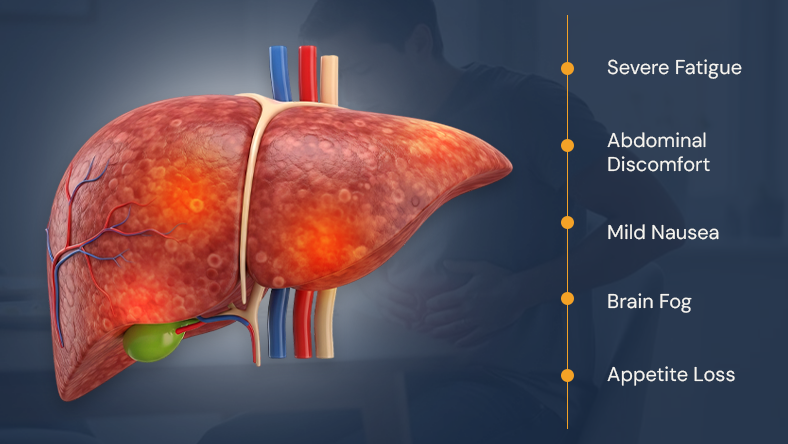
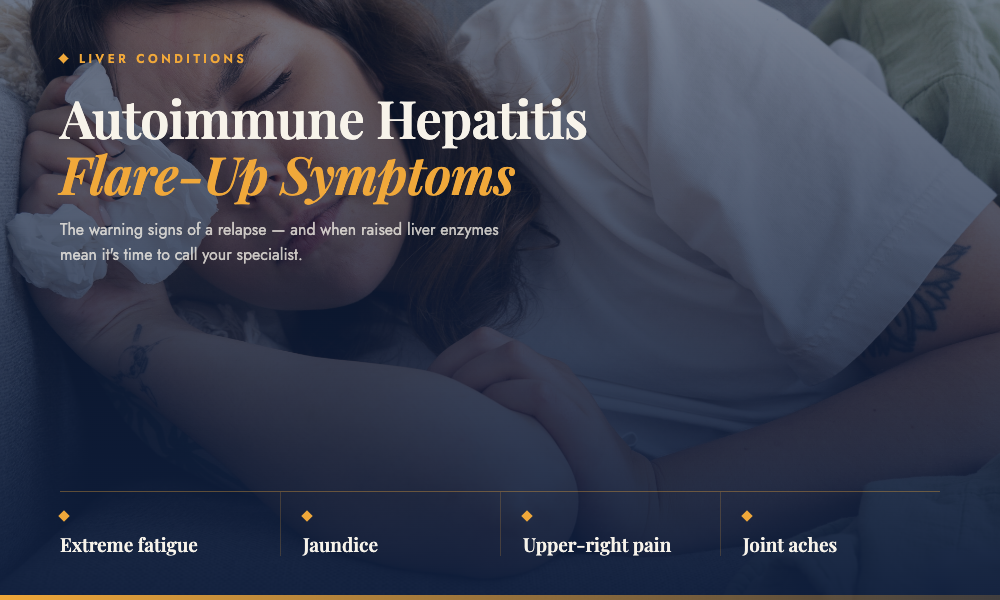
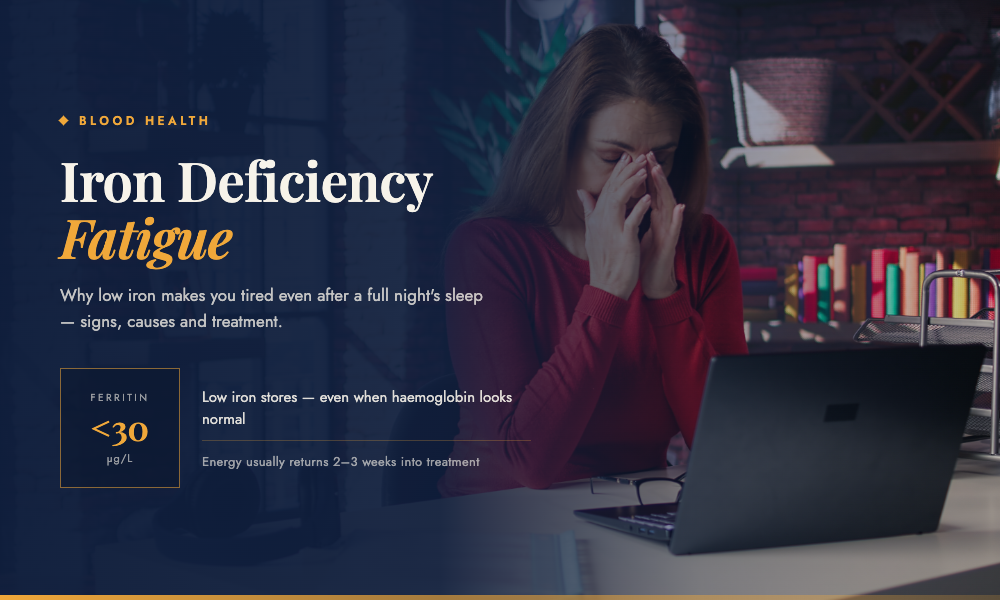
Experiencing exhaustion despite getting ample sleep can be an indicator of poor liver functioning. Excessive fatigue is considered one of the earliest signs of liver dysfunction.
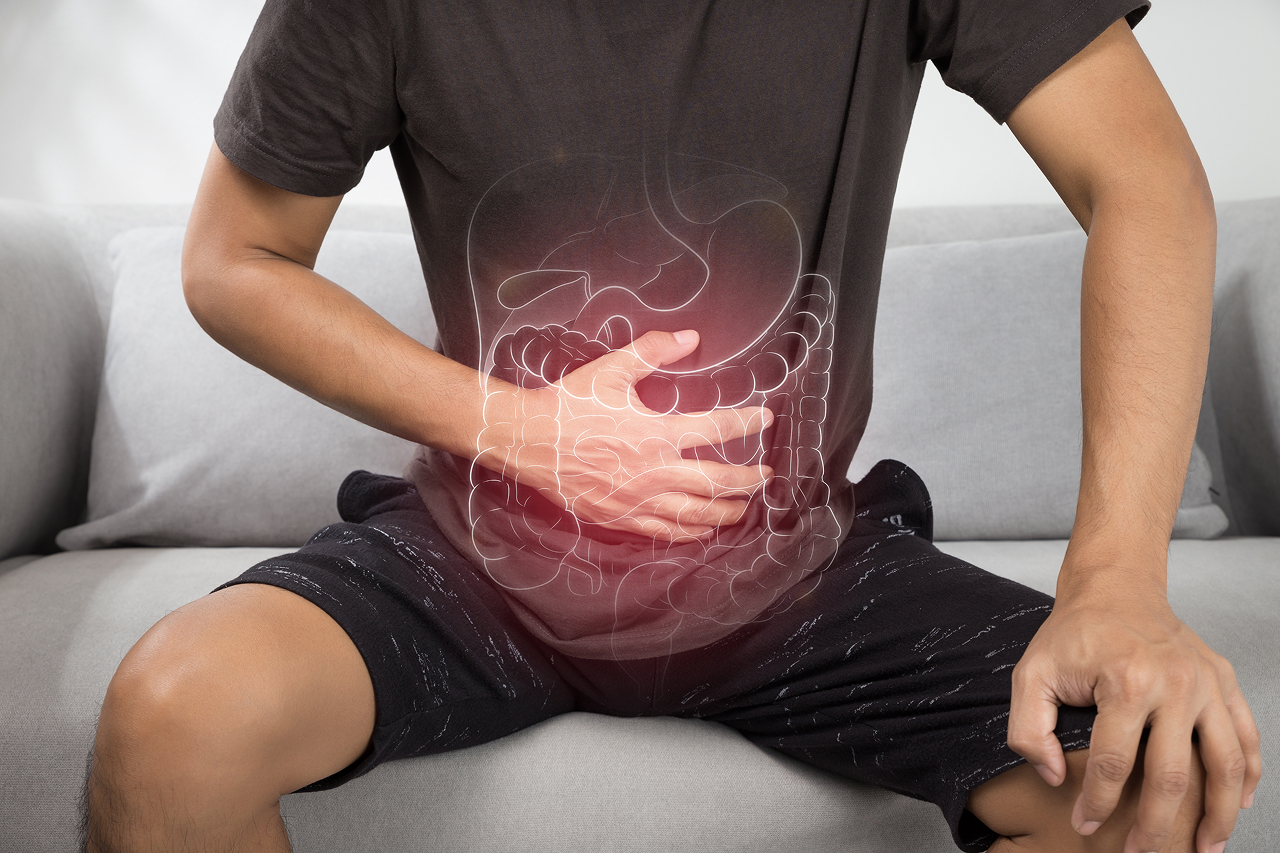
10. Pain in the Upper Right Side of the Tummy
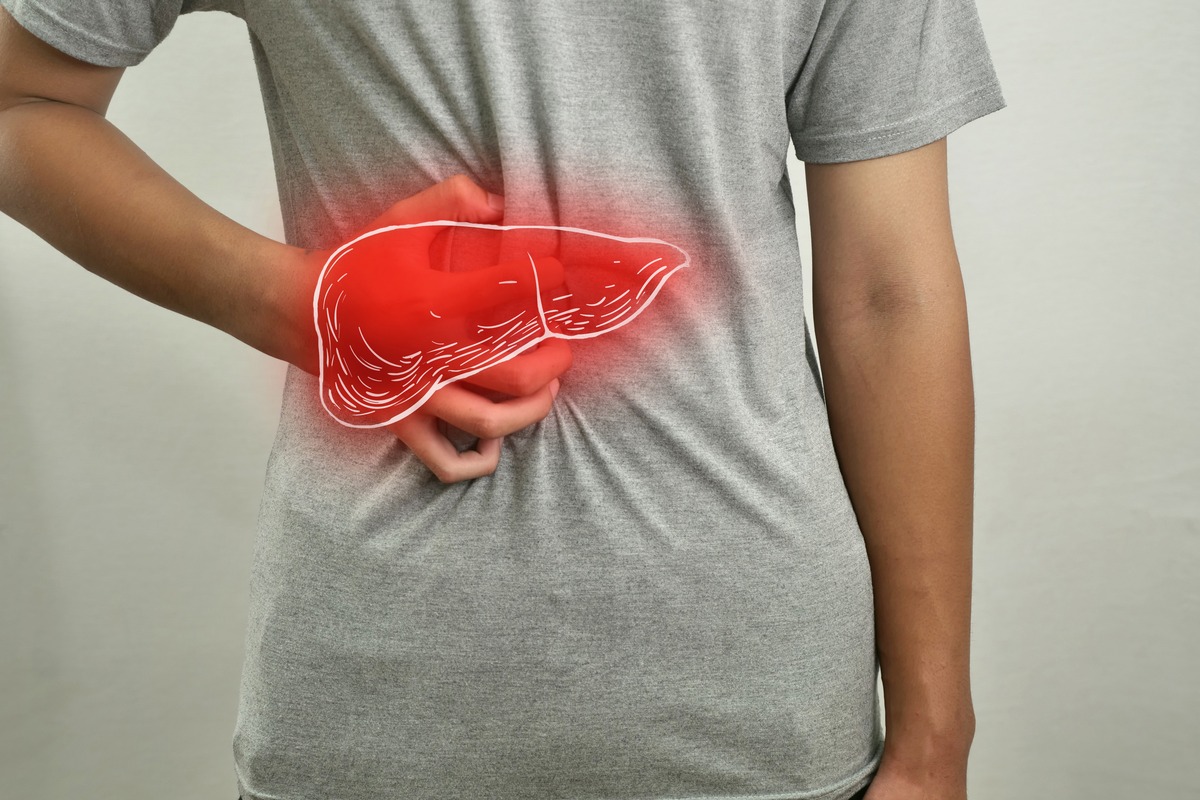
A dull ache or sharp pain just below the ribs on the right side often indicates an inflamed or enlarged liver.
11. Dark Urine and Pale Stools
Brown or tea-coloured urine with light or clay-coloured stools suggests obstruction of the bile ducts. Such symptoms are indicative of liver failure.
12. Itchy Skin Without a Rash
The bile salts accumulate in the bloodstream and fail to be cleared by the liver. These salts deposit in the skin and produce continuous itching, especially at night.
13. Swollen Legs, Ankles, or Tummy
A diseased liver produces less protein in the blood; hence, excess fluid moves to the legs (oedema) and abdominal cavity (ascites). It is a grave warning sign.
14. Easy Bruising or Bleeding
The liver produces blood-clotting proteins. In case of a malfunction, even minor injuries result in bruising, while minor cuts take a long time to heal.
How A Liver Health Assessment Works
By the time symptoms become apparent, the condition will have progressed to a serious stage. Specialist tests must be carried out before symptoms develop.
The Liver MOT Process
- Detailed health review — the consultant goes through your lifestyle, medical history, and family history.
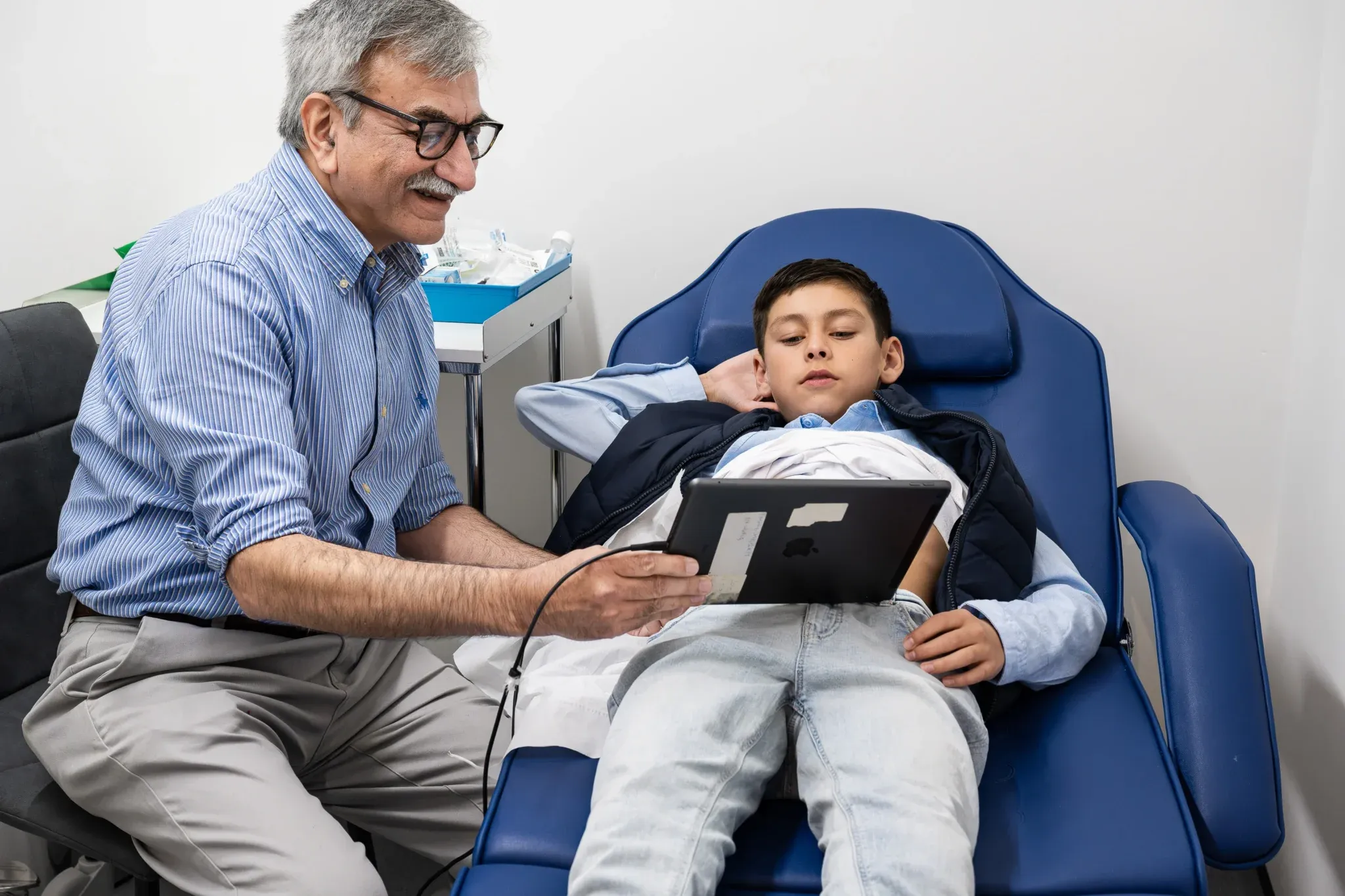
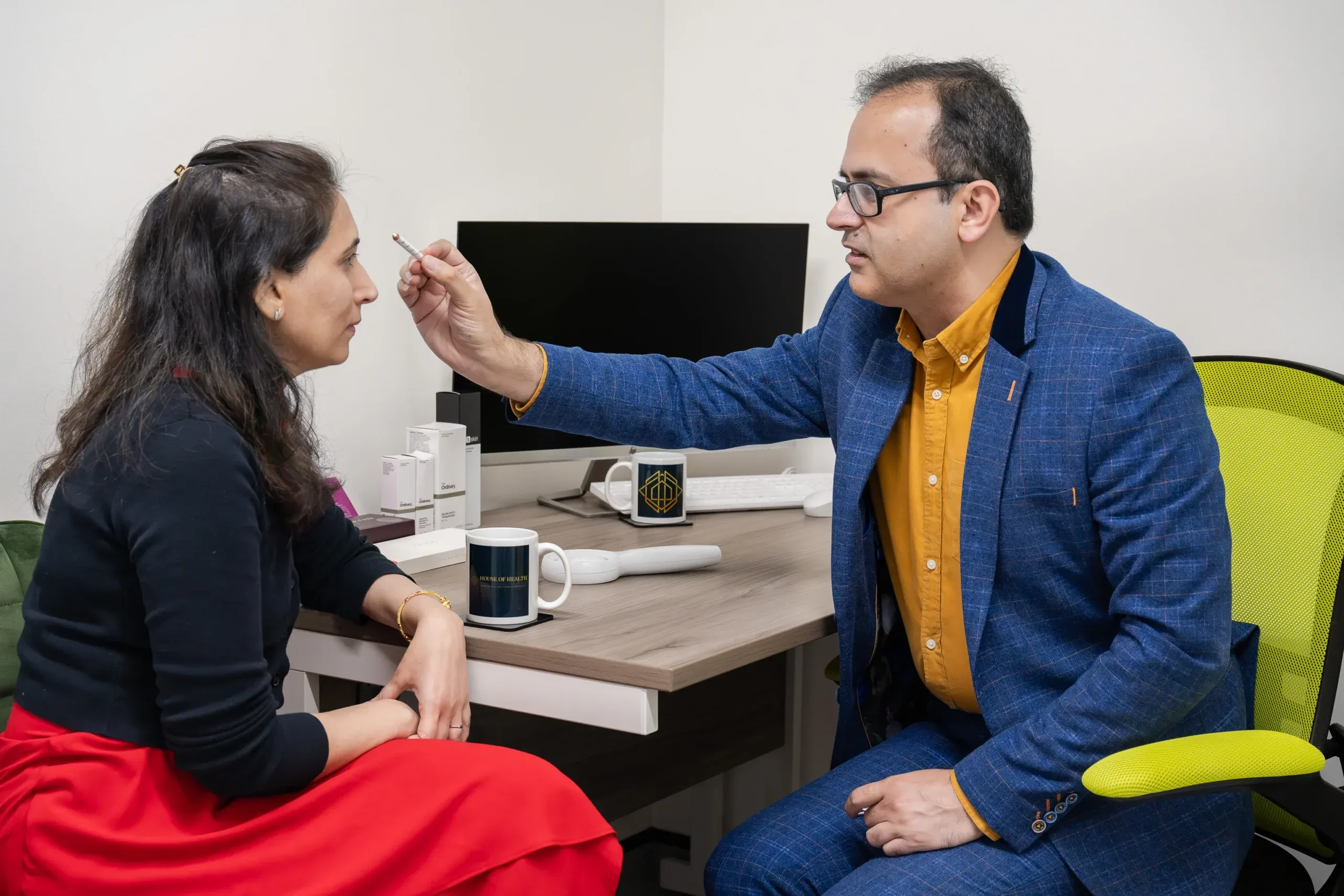
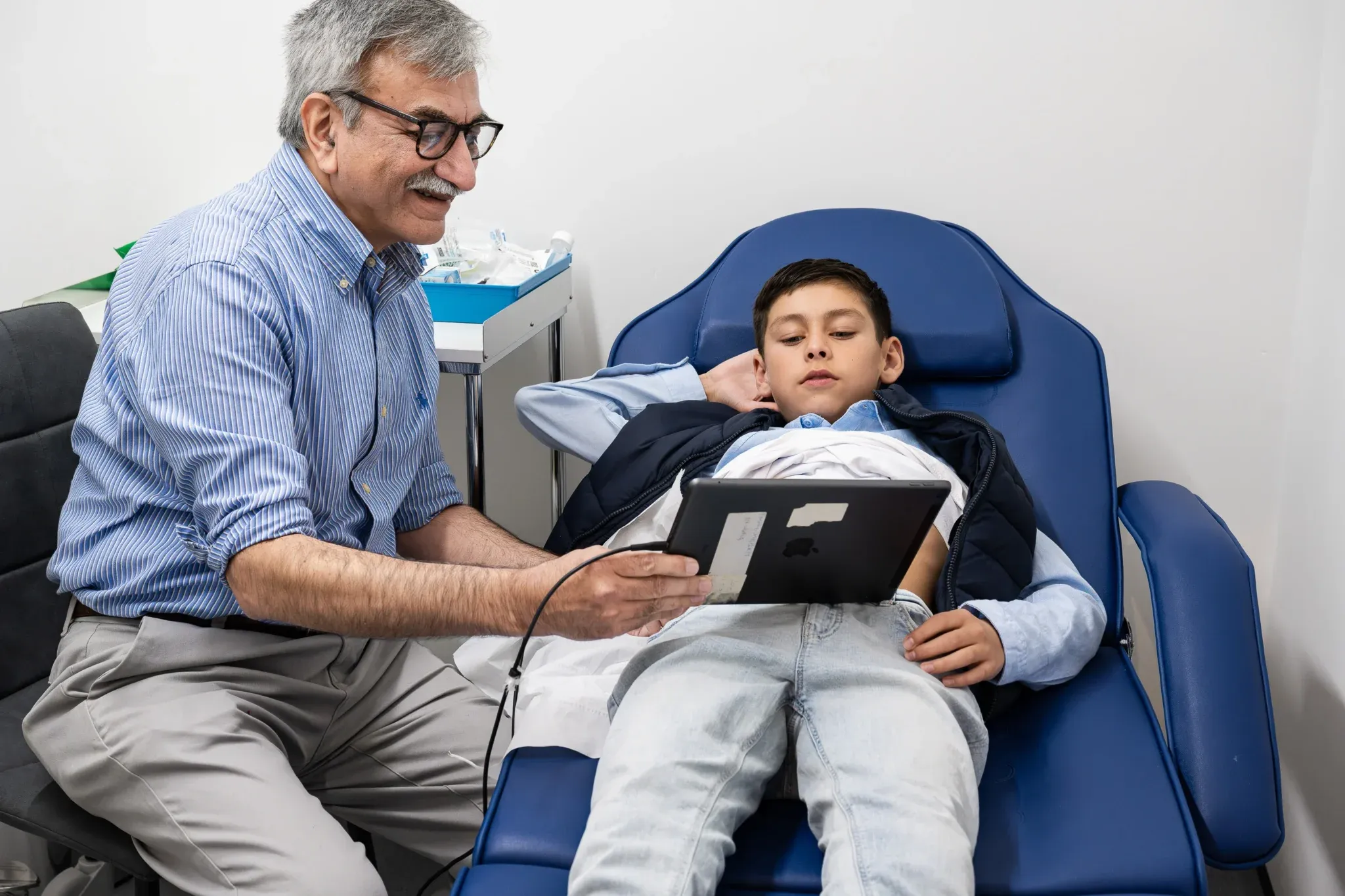
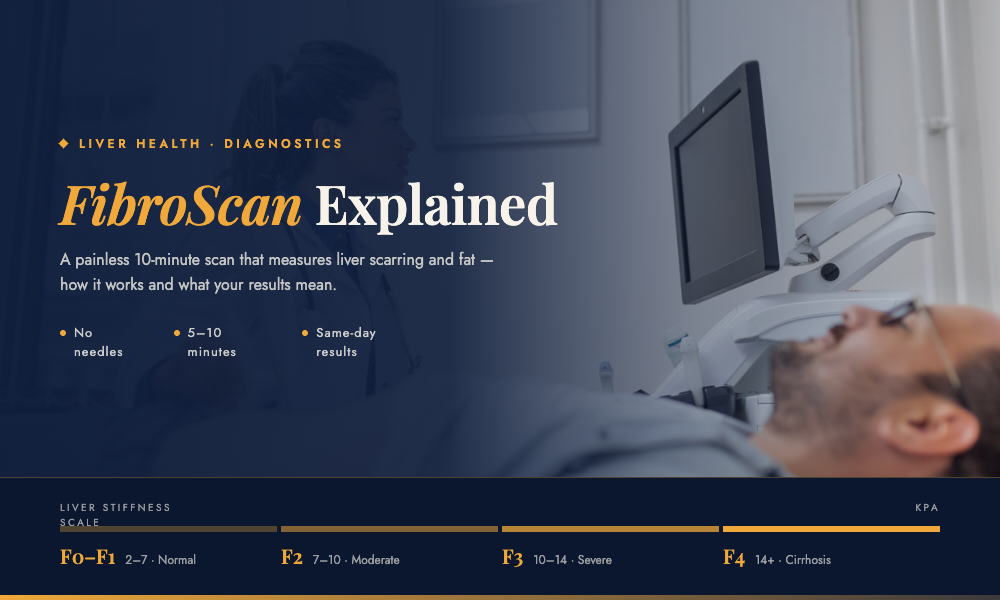
- FibroScan — a painless, ten-minute ultrasound that measures liver stiffness and fat content.
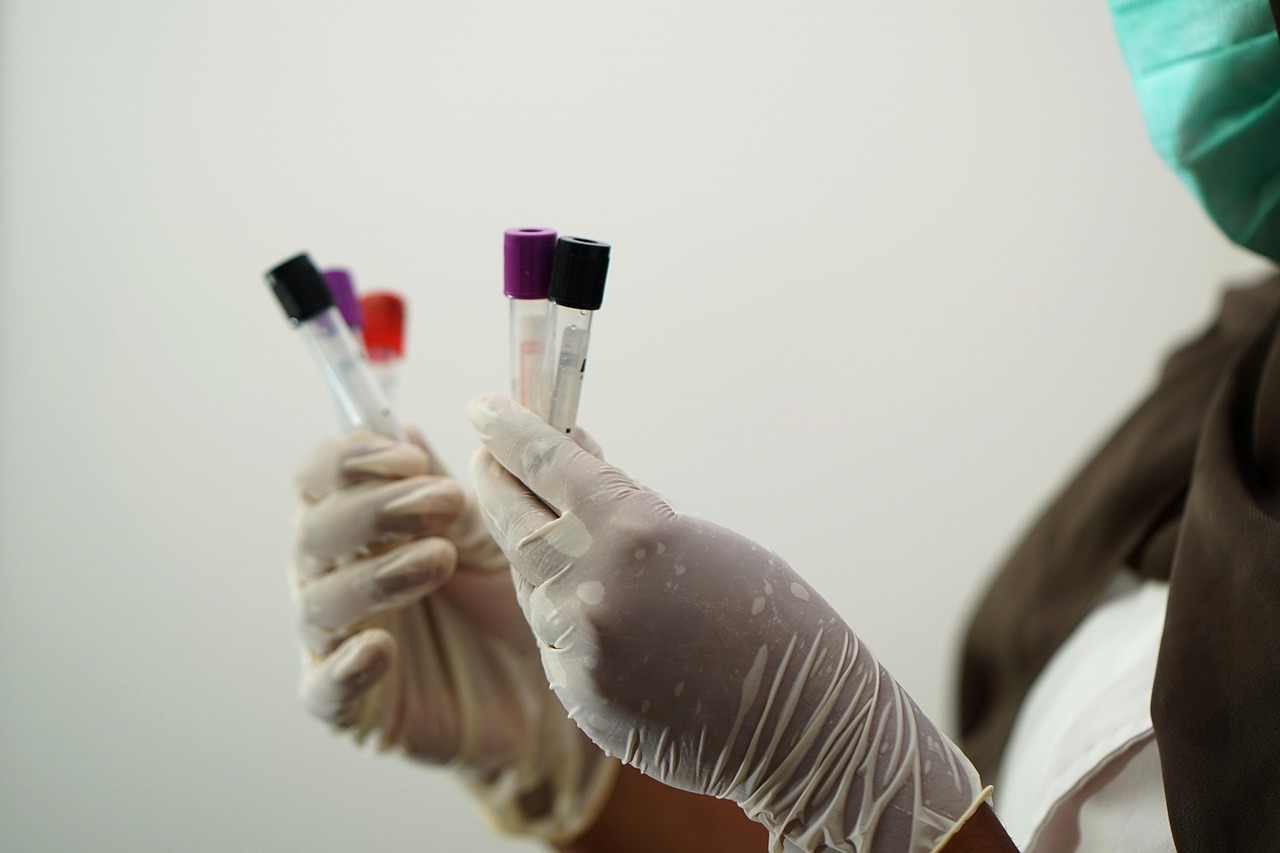
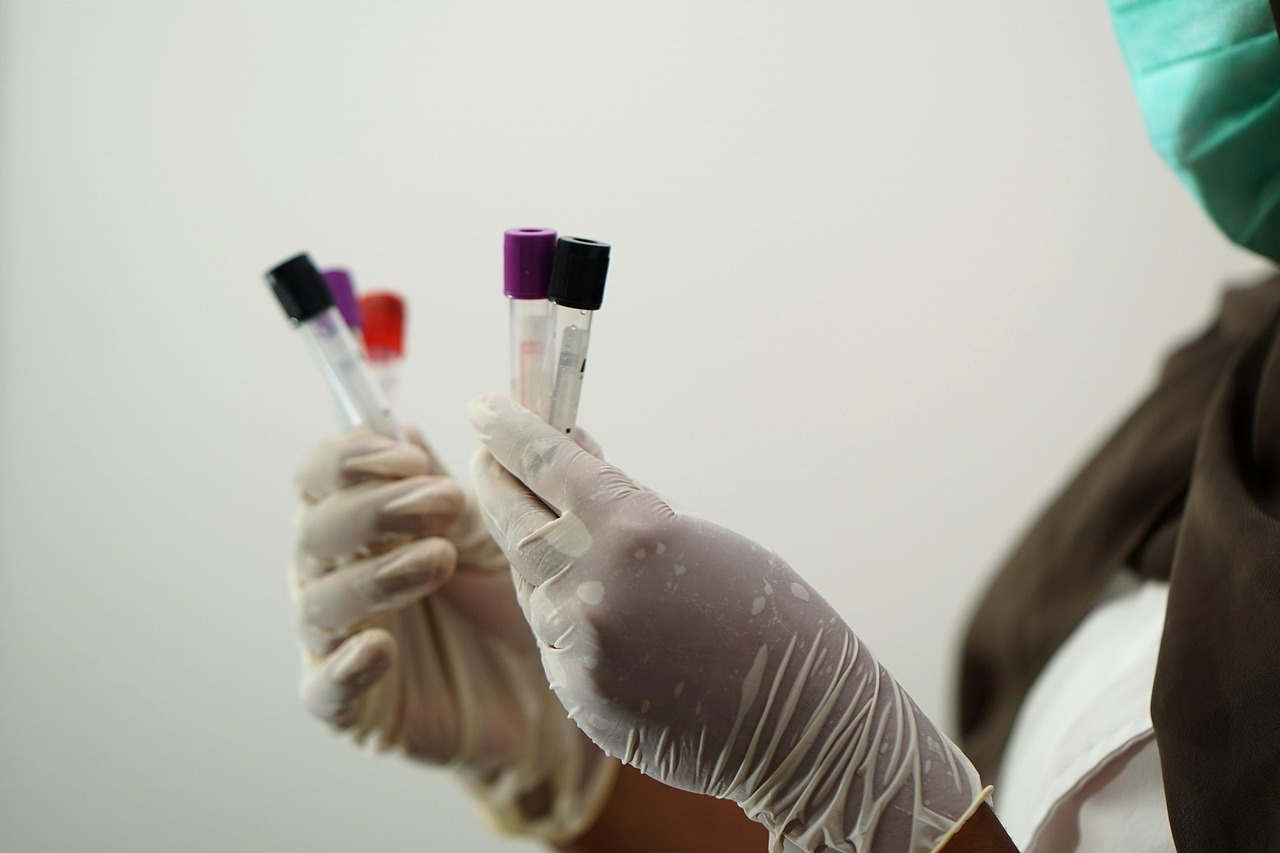
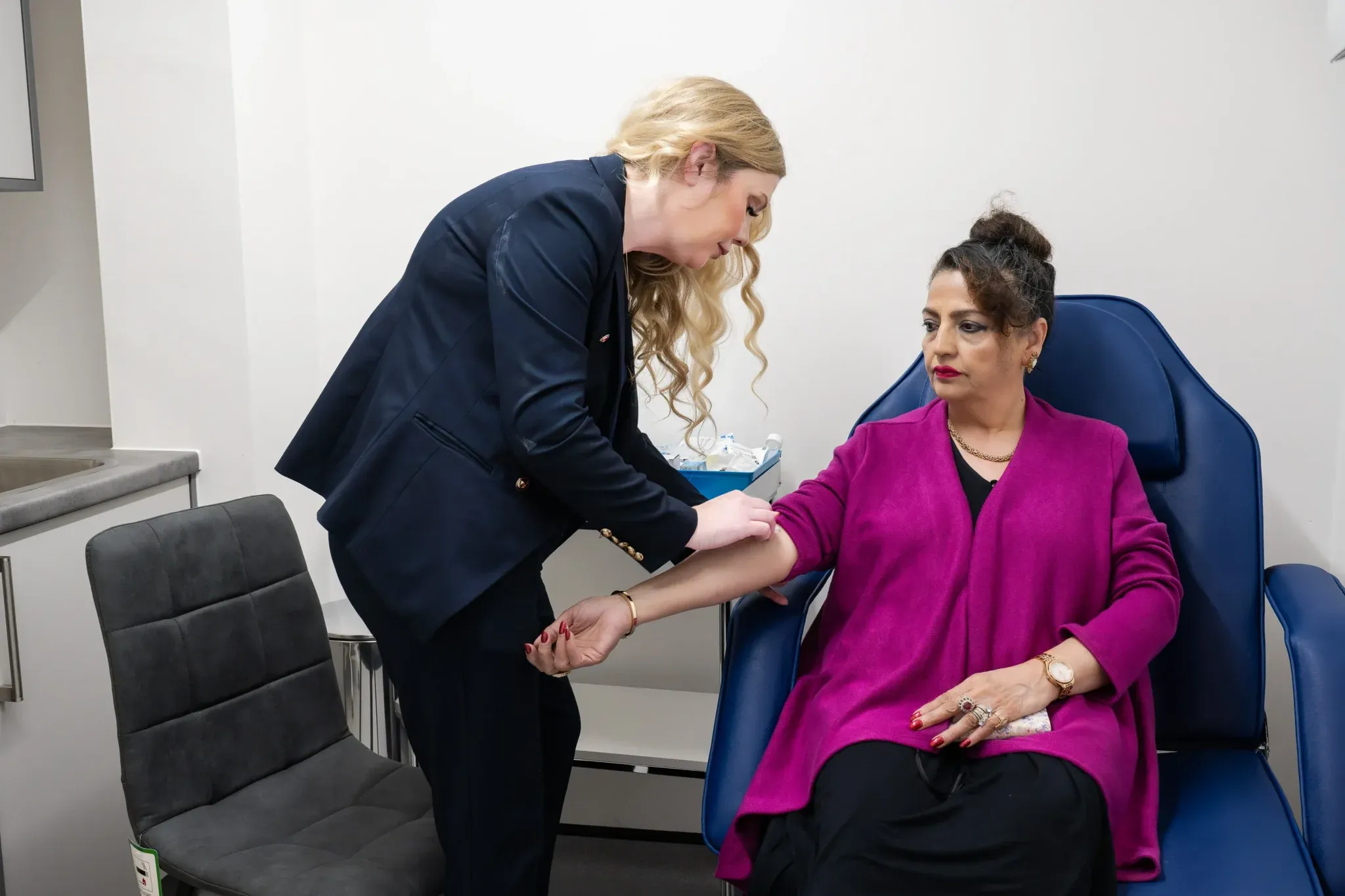
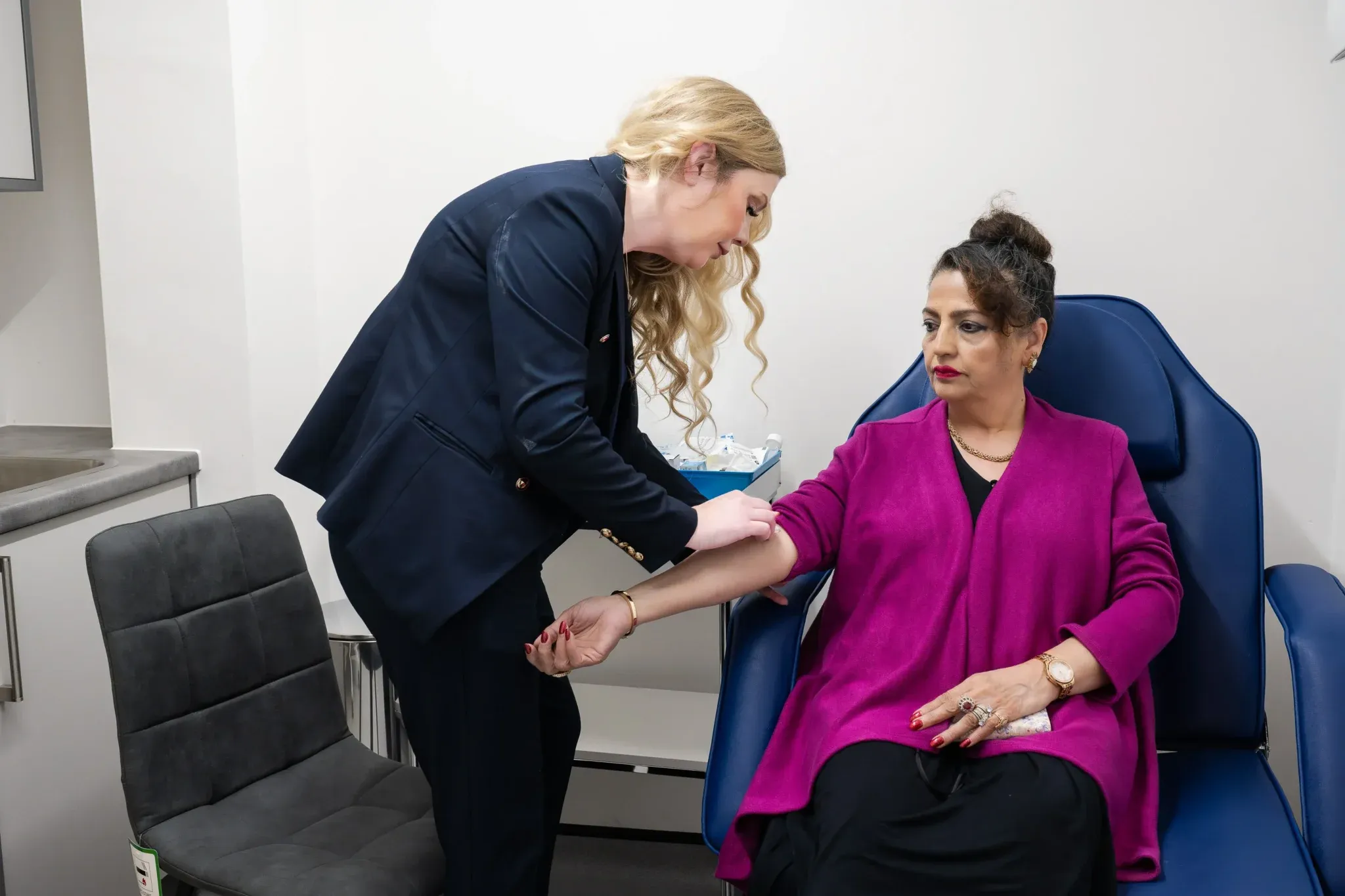
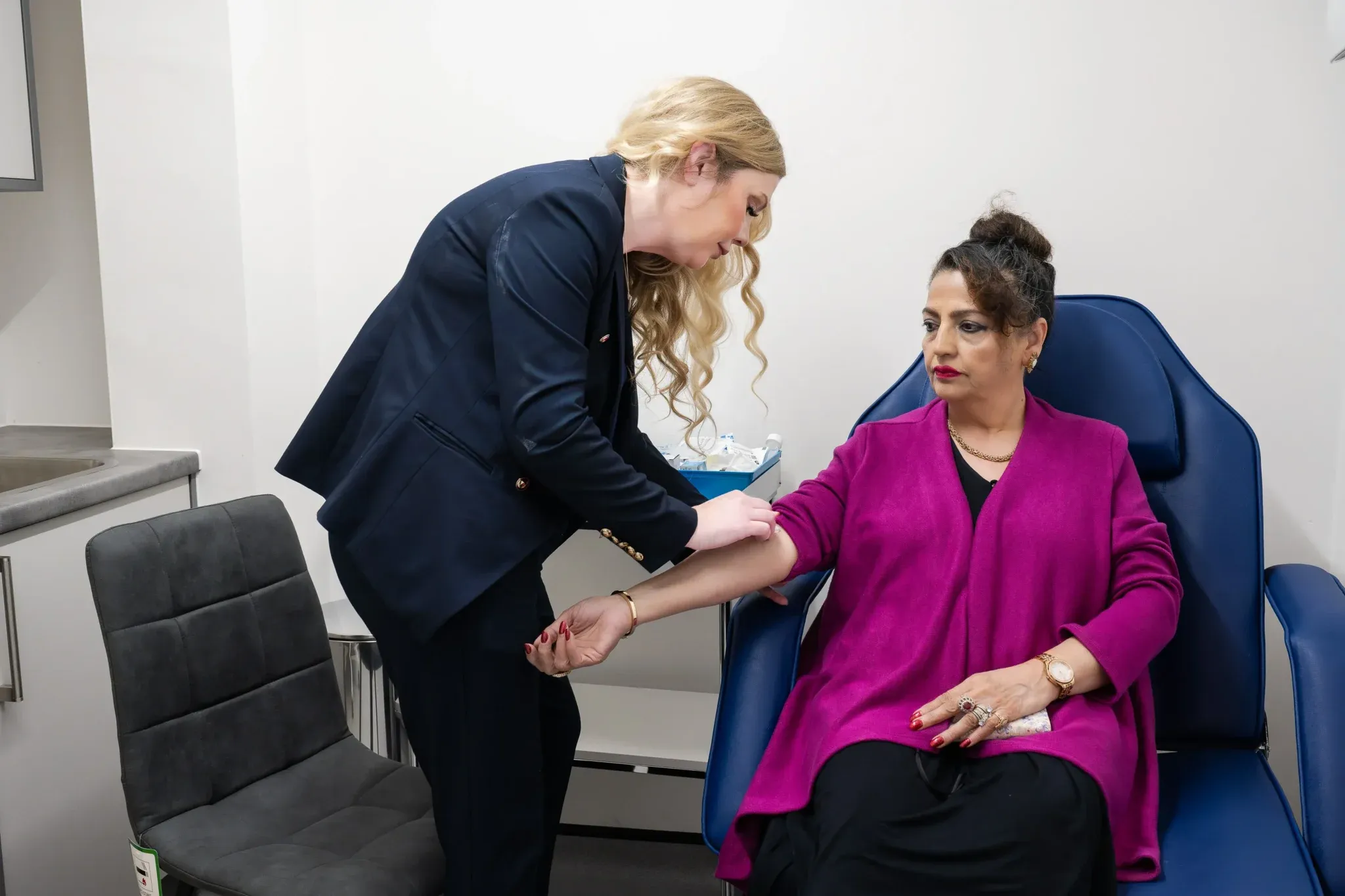
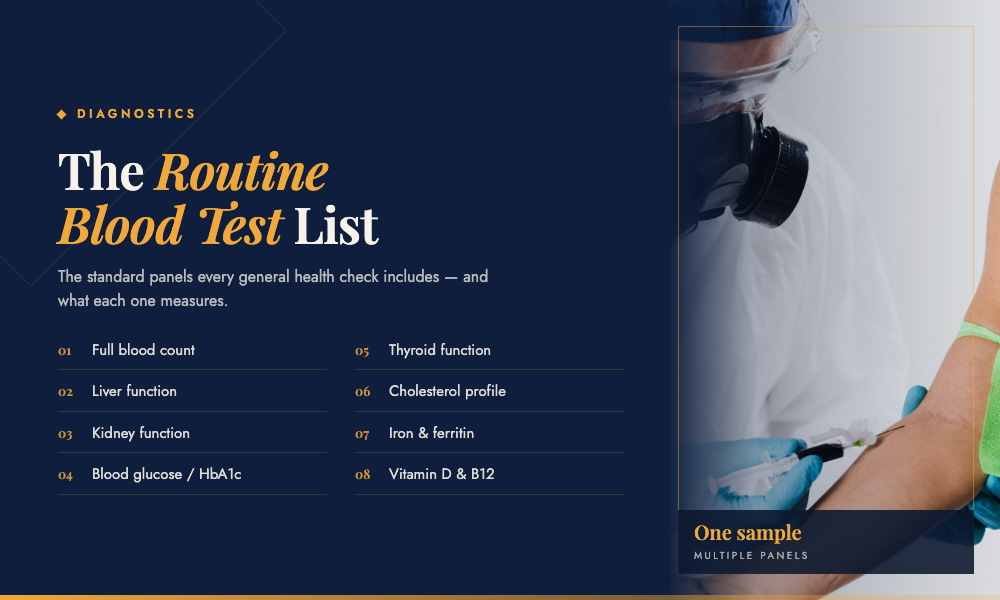
- Full liver blood test — checks ALT, AST, GGT, ALP, bilirubin, and albumin levels.
- Same-day results — a Consultant Hepatologist interprets your scan and bloods during the appointment.
Why FibroScan Outperforms Standard Scans
FibroScan uses safe ultrasound waves to give an exact score for liver scarring and fat. A regular ultrasound only shows the shape of the organ. FibroScan reveals what is happening within the tissue itself, making silent damage visible long before symptoms start.
Worried About Silent Damage But Unsure Where To Start?
- Consultant-led care with Dr Nadir Abbas (PhD in Liver Diseases)
- Personalised plan to halt or reverse damage
- Same-week appointments in Birmingham
Late-Stage Liver Failure Symptoms
When cirrhosis sets in, more serious liver failure symptoms appear. Anyone noticing the following should seek immediate medical care:
- Confusion, memory loss, or mood changes (hepatic encephalopathy)
- Vomiting blood or passing dark, tarry stools
- Severe weight loss and muscle wasting
- Loss of appetite that lasts for weeks
- Bright red palms on the hands
- Sweet, musty-smelling breath
These signs point to advanced liver failure and require hospital-level care.
Treatment Options For Liver Damage
The right treatment depends on the cause and stage of damage. Early-stage liver damage is often reversible with the right plan.
Lifestyle Changes
- Control or limit the consumption of alcoholic beverages
- Reduce body weight by 7 to 10 per cent if you are overweight
- Maintain a good diet programme, like the Mediterranean Diet, where fruits and grains predominate
- Exercise regularly for 150 minutes per week
- Check the levels of glucose, cholesterol, and blood pressure
Medical Treatment
- Antiviral medicines for hepatitis B and C
- Tailored medication for autoimmune liver disease
- Vitamin and mineral support for nutritional gaps
- Regular monitoring through repeat FibroScans and blood tests
Specialist Follow-Up
A Consultant Hepatologist makes an individualised plan based on the results of your scan and blood tests.
Conclusion
There are 14 symptoms of liver damage, but most people do not experience all of them at once. In many cases, there are no symptoms until the liver is seriously damaged. Factors such as alcohol use, weight, glucose levels, cholesterol, enzyme levels, viral infections, and family history are the best red flags for diagnosing liver problems. Physical symptoms like jaundice, fatigue, swelling, dark-coloured urine, and easy bruising are usually late symptoms that indicate immediate medical attention is required.
Early intervention means everything. A FibroScan and a specialised blood test provide conclusive and precise results about the state of the liver, even before you start seeing symptoms. By knowing exactly where you stand, you can start a personalised treatment plan to stop scarring and help reverse fatty liver.
The team of consultants at House of Health provides the trusted Liver MOT in Birmingham to help patients detect silent liver conditions and create a definitive, life-saving management plan. If you carry any of the risk factors listed above or notice any warning signs, book a specialist liver assessment today and get the clarity you deserve.
Frequently Asked Questions
What are the first signs of liver damage?
There is usually no symptom associated with initial liver damage. The actual symptoms manifest in terms of elevated liver enzymes detected during routine tests at the GP, persistent fatigue, and pain in the upper-right abdomen.
Can liver damage be reversed?
Yes, in some cases. We can reverse inflammation and early fibrosis through diet and other lifestyle changes, but once cirrhosis develops, it becomes irreversible. However, we can slow down its progression.
How is liver damage diagnosed?
Various specialists will use a combination of liver function blood tests, FibroScan, ultrasound, and occasionally, liver biopsy. The main non-invasive tool used is the FibroScan, as it evaluates the levels of scarring and fat in about 10 minutes.
What does a fatty liver feel like?
A fatty liver will not have any symptoms at all in most cases. Patients experience only mild fatigue and vague discomfort in the right rib cage.
How long does liver damage take to become serious?
Cirrhosis does not develop within a fixed timeframe. Heavy drinking or untreated hepatitis can cause it to develop over 10 to 20 years.