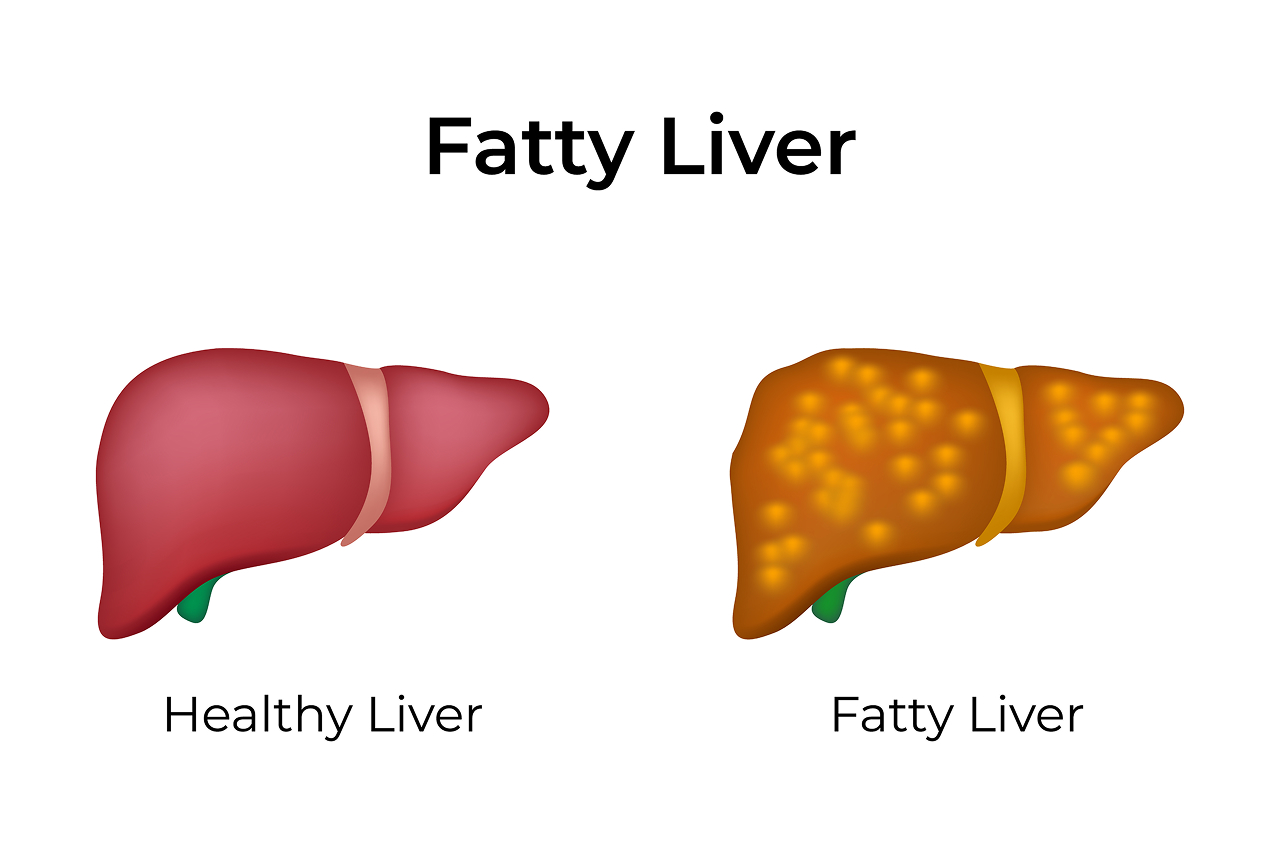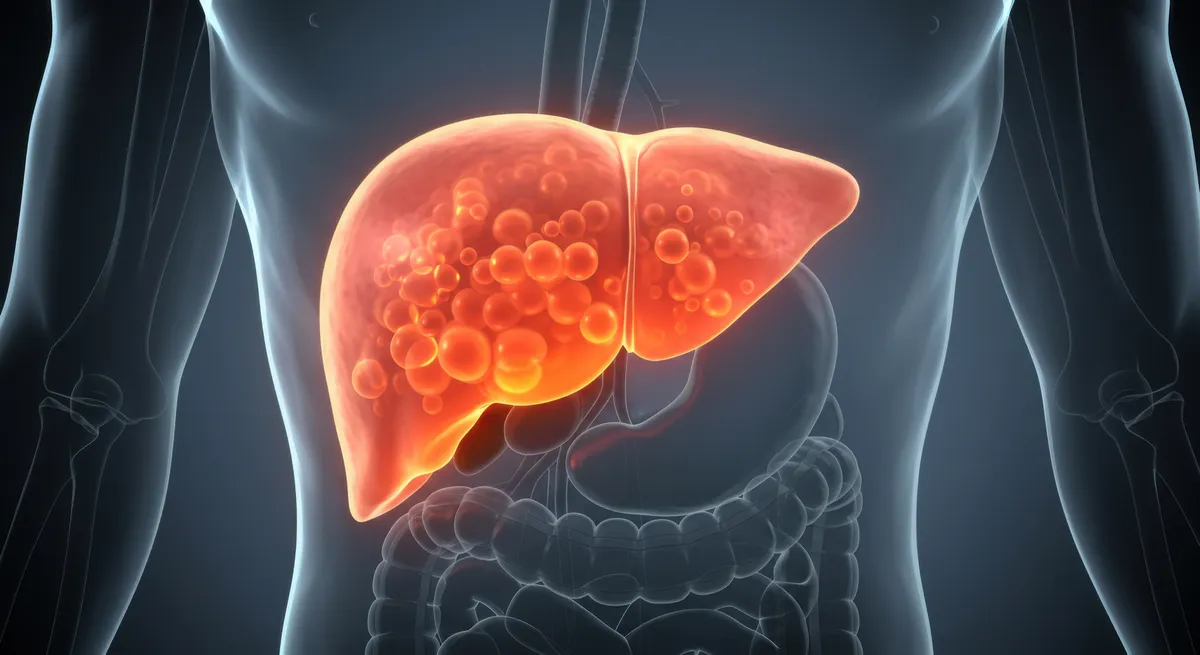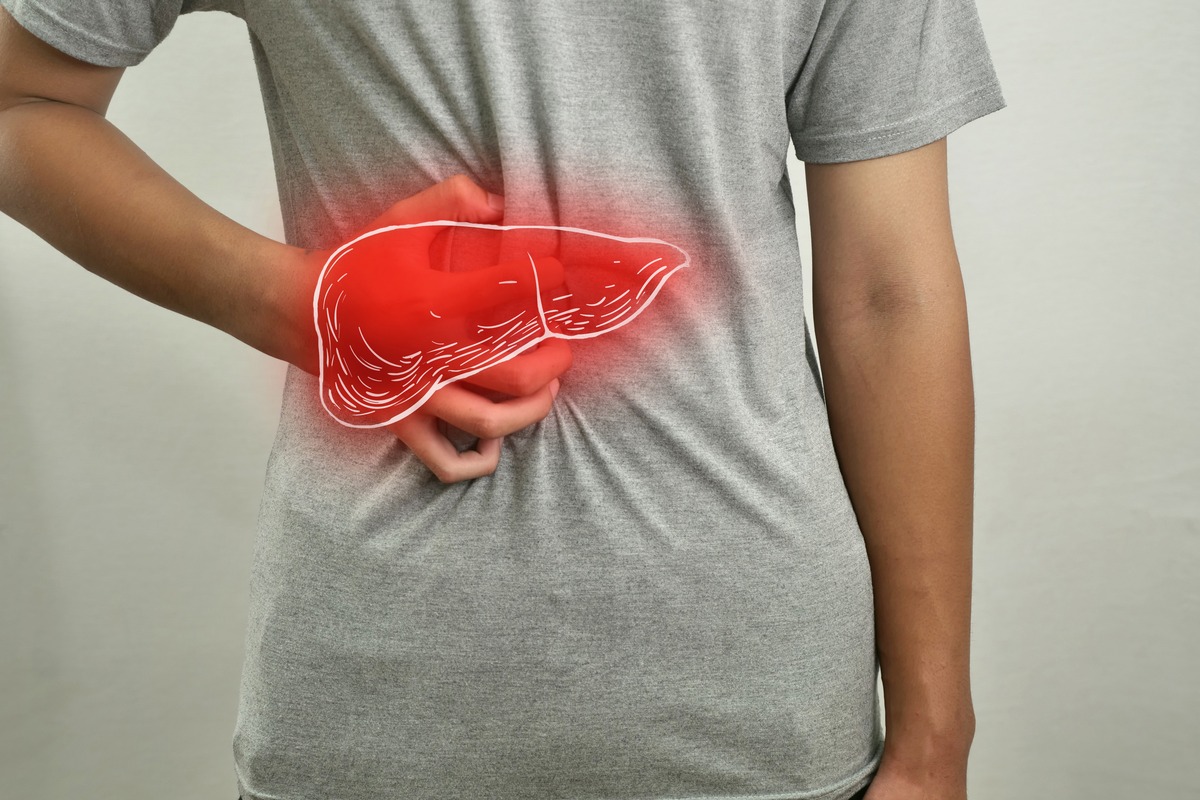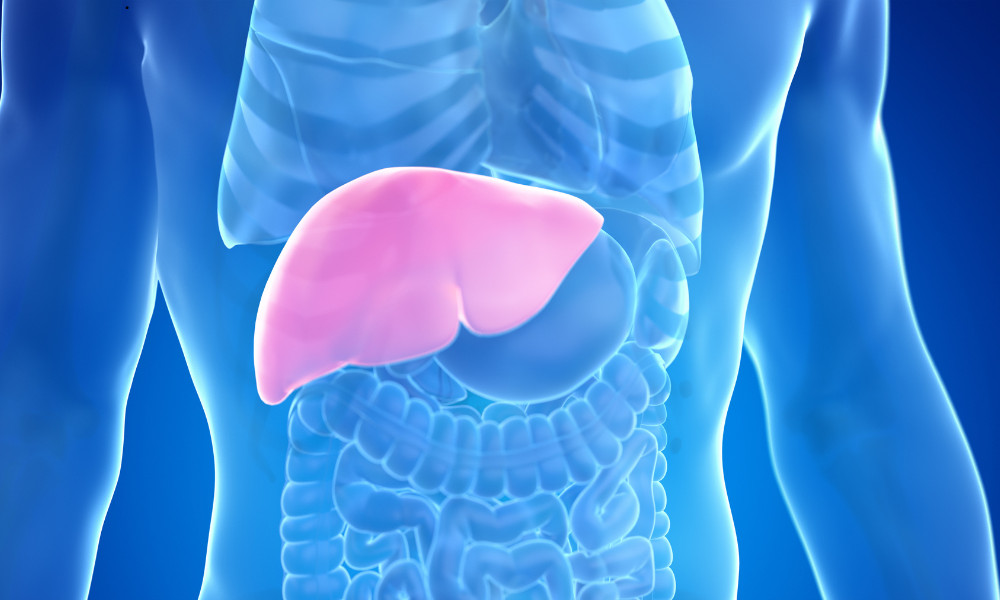

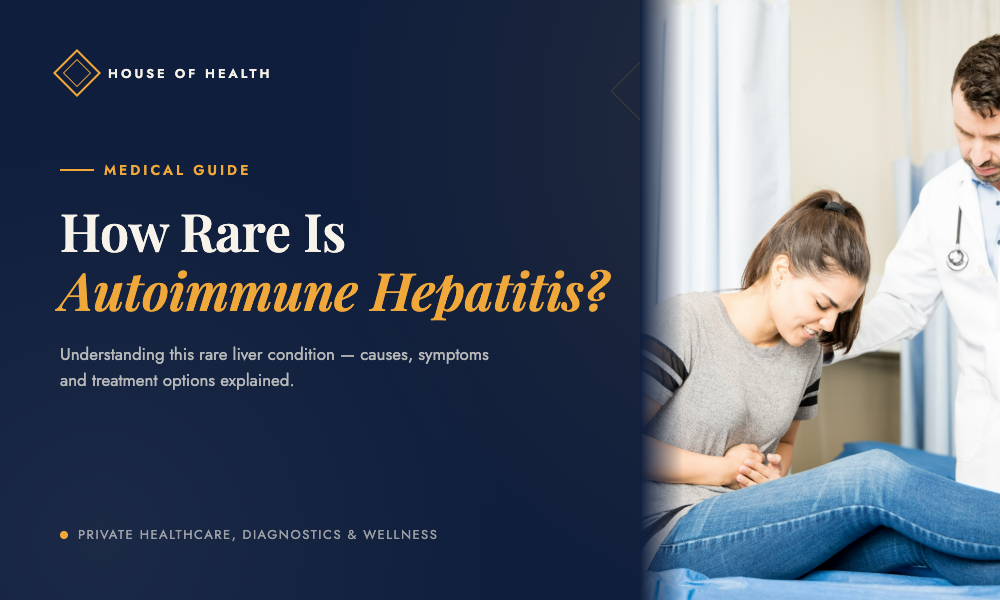
To answer the question of how rare autoimmune hepatitis is, medical statistics show it makes up about 10% to 15% of all long-term liver problems in Western countries. While it can happen to anyone at any age, it is much more common in women. AIH is a chronic liver disorder in which the immune system mistakenly targets healthy liver tissue, resulting in intense inflammation. Without treatment, the body's attack causes severe liver scarring.
Although it is considered a rare illness compared to other diseases, doctors routinely treat such cases. With sound knowledge of the disease's mechanisms and monitoring for the onset of its signs, one can effectively safeguard the organ for life and attain complete recovery.
What Is Autoimmune Hepatitis?
Autoimmune Hepatitis represents a long-term, functional liver condition. Rather than safely fighting off harmful germs, the body's natural defence system gets confused.
- Immune System Confusion: The immune system mistakenly treats your own healthy liver cells as dangerous invaders.
- Severe Inflammation: The continuous internal assault is directly responsible for causing significant inflammation within the tissues of the liver.
- Long-term Liver Scarring: Failure to take timely medical measures results in severe scarring within the liver, ultimately causing serious health problems.
Causes of Autoimmune Hepatitis
Medical professionals identify three primary factors that trigger this specific liver condition:
- Immune System Errors: The body's immune system gets confused and mistakenly attacks its own healthy liver cells.
- Genetic Links: Individuals possess a much higher likelihood of developing AIH if they already suffer from other autoimmune issues, such as thyroid problems or coeliac disease.
- Environmental Triggers: In people born with certain genes, a minor illness or a new medication might unexpectedly trigger a severe immune response.

Struggling With Unexplained Liver Symptoms?
- Specialist liver assessments
- Accurate and fast diagnosis
- Tailored clinical care plans
Symptoms of Autoimmune Hepatitis
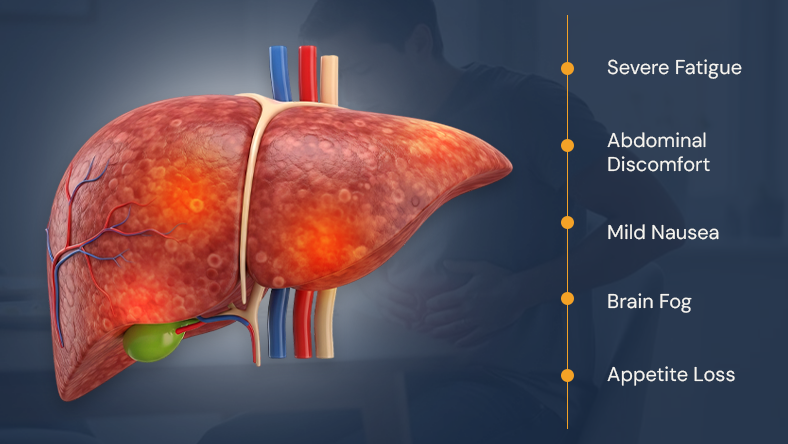
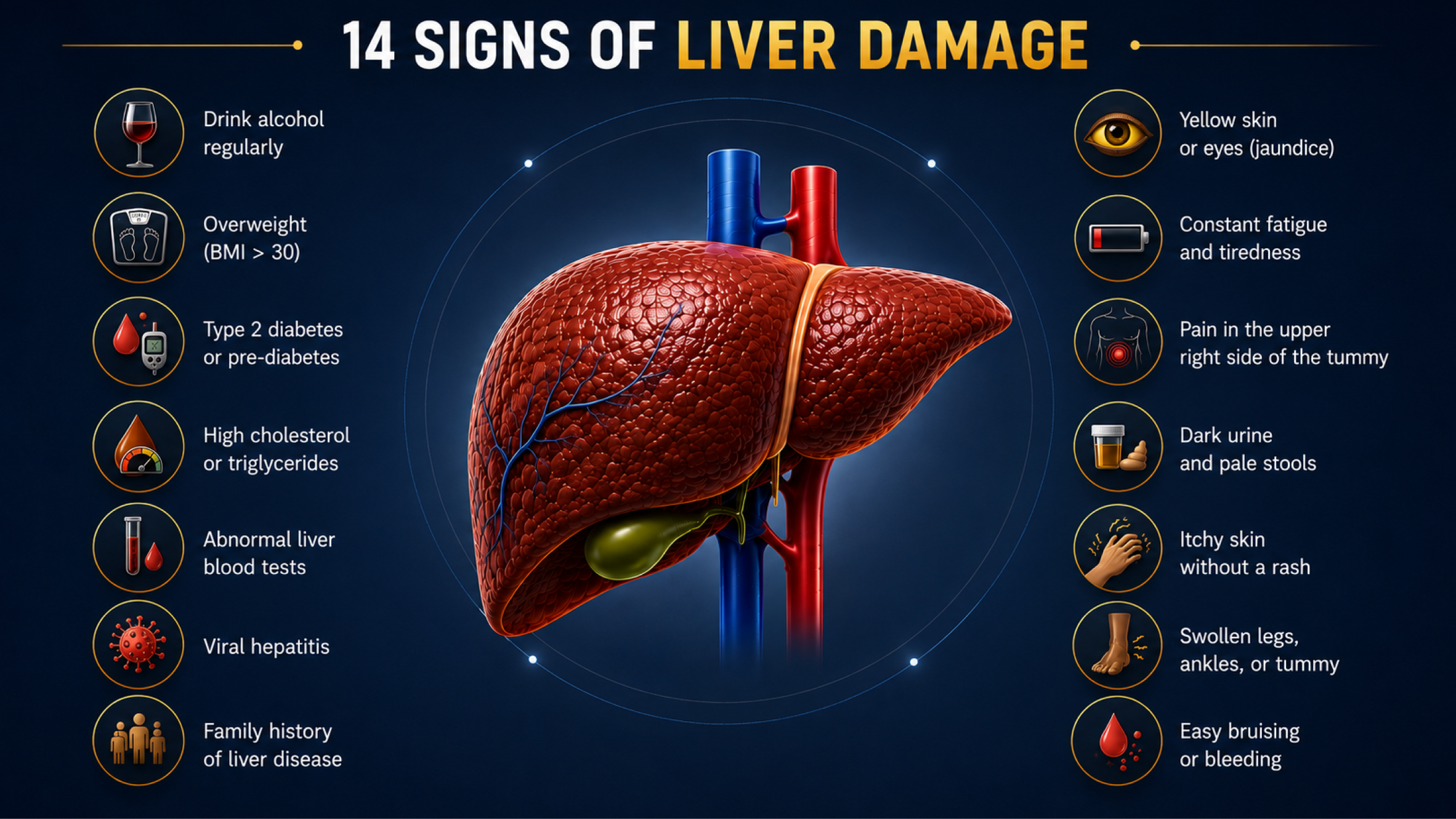
AIH symptoms can be incredibly tricky to spot because they frequently mimic other, simple illnesses. Common clinical signs include:
- Feeling very, very tired (profound fatigue).
- Yellow colouration of the skin or the whites of the eyes (jaundice).
- Joint pain, particularly affecting the fingers or the knees.
- Distinct pain in the abdominal area.
- Unusual skin rashes.
How It Works: The Stages of Autoimmune Hepatitis
Specialists use precise blood tests to determine exactly how the liver is currently functioning and properly identify the progression of the disease.
- Early Stage: There may be some swelling in the liver. Patients often do not feel sick at all, and medical professionals only find the issue during a normal blood test.
- Active AIH: The immune system actively targets the organ. People may experience fatigue or have a yellowish skin colour.
- Advanced Stage (Cirrhosis): Without treatment, the organ will develop numerous scars from inflammation.
- Remission: This remains the primary clinical goal. Remission occurs when the swelling completely goes away because of the right medicine.
How Rare Is Autoimmune Hepatitis?
Autoimmune hepatitis is classed as a rare, long-term liver condition. It accounts for roughly 10% to 15% of all chronic liver problems seen in Western countries, which means it appears far less often than conditions such as fatty liver disease or hepatitis caused by viruses. Even though it remains uncommon overall, specialists do see and treat it regularly through dedicated liver clinics.
A few key points highlight just how rare and specific this condition is:
- Higher rates in women: Women develop AIH far more frequently than men, although the disease can affect any age group.
- Wide age range: It can appear in young children, teenagers, adults, and even older people, but it tends to peak at two stages of life: during adolescence and in middle age.
- Strong link with other autoimmune conditions: Many patients diagnosed with AIH already have another autoimmune issue, such as thyroid disease or coeliac disease, which makes early identification even more important.
- Often hidden at first: Due to the mild nature of the initial symptoms or their resemblance to those of other diseases, the disorder can be detected unintentionally through regular blood tests, thus reinforcing its rarity.
While uncommon, AIH is extremely treatable once diagnosed. Early detection and effective steroid-sparing therapy lead to long-lasting remission and normal liver function throughout one's lifetime.
How Do Experts Diagnose the Condition?
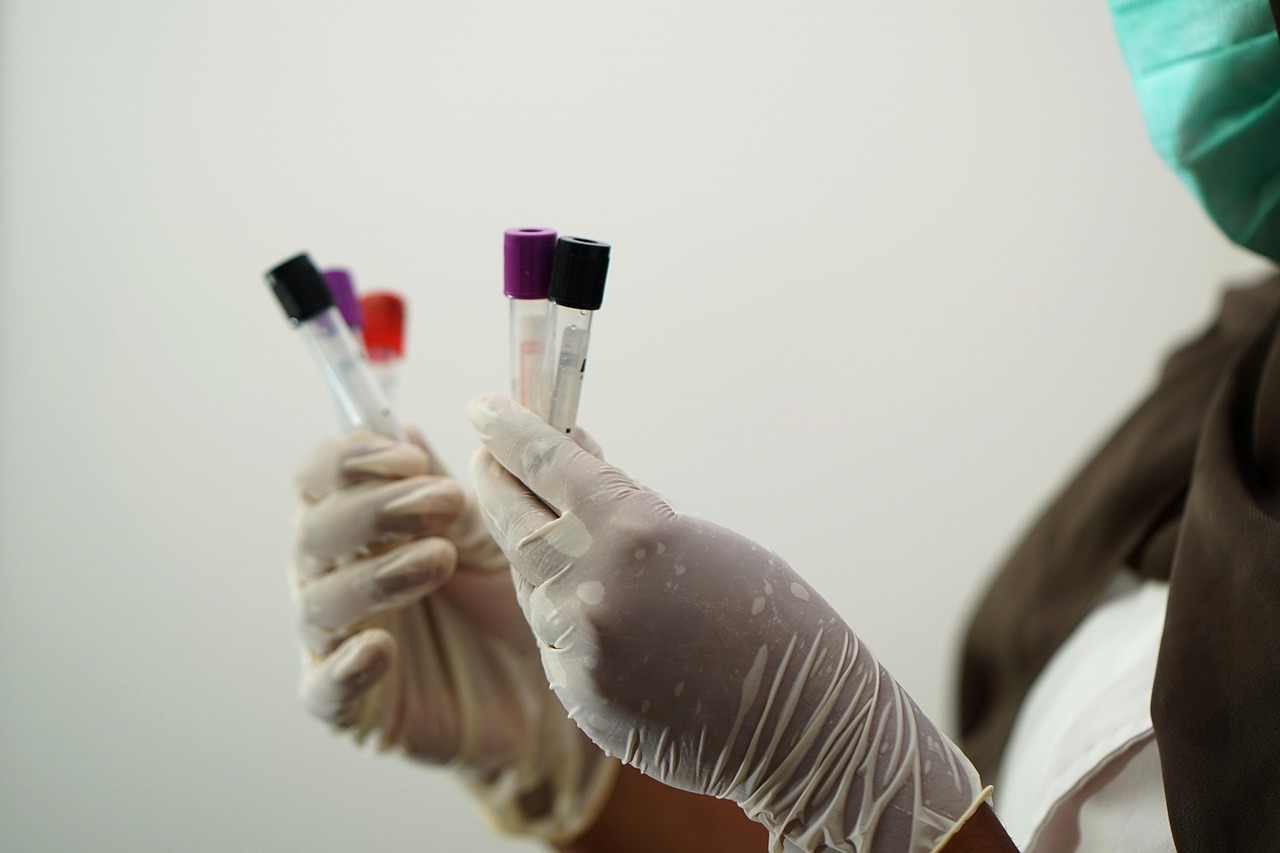
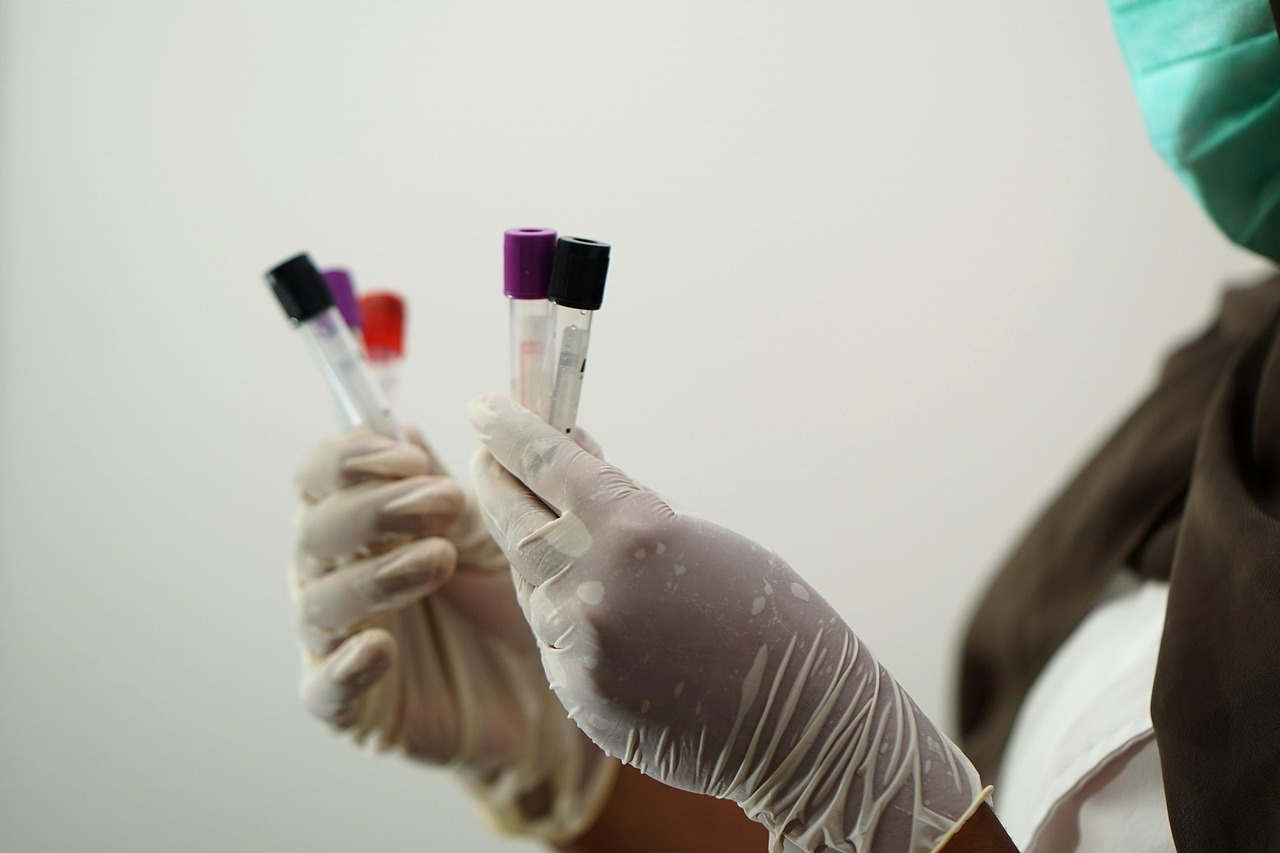
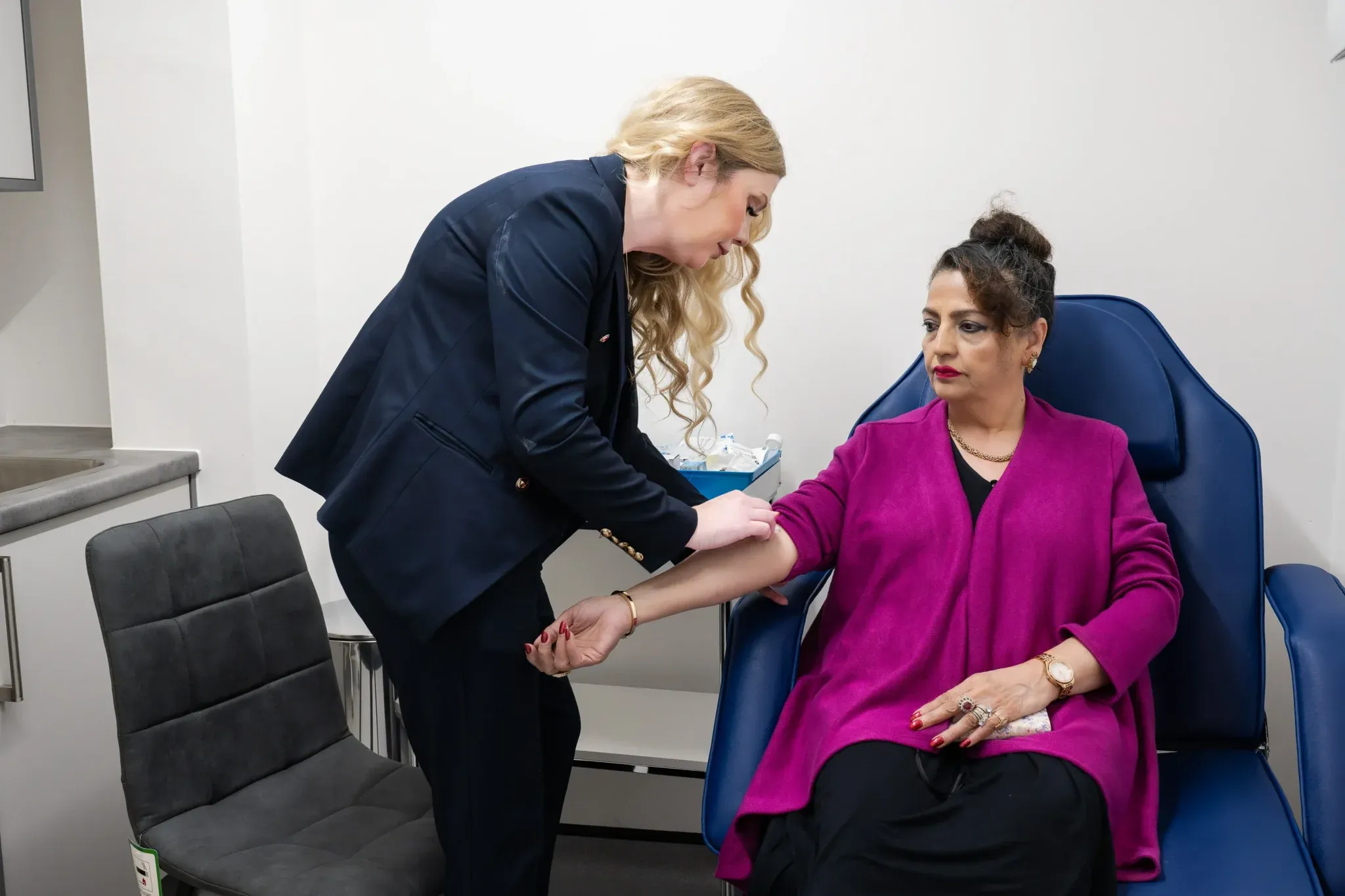
To confirm the diagnosis, specialists use the strict IAIHG scoring system to ensure certainty. Medical professionals conduct a 30-minute specialist consultation to discuss your health. Following this, they perform specific blood tests looking for autoantibodies (special markers in the blood) and an extended autoimmune panel. They also check IgG levels to assess immune system activity and usually require a liver biopsy to assess the extent of tissue damage.
Looking for Safe, Expert Liver Disease Management?
- Comprehensive clinical assessments
- Advanced, steroid-sparing treatments
- State-of-the-art medical excellence
Treatment Options for Autoimmune Hepatitis
Medical professionals carefully manage the condition using targeted, advanced immunosuppression methods to keep the liver entirely safe.
Steroid Treatment
Specialists use Prednisolone (a steroid) tablets to quickly stop liver inflammation. They start with a higher dose before slowly lowering it to move the patient onto long-term maintenance medicine.
Advanced Immunosuppression & Steroid-Sparing Care
The main clinical goal remains to keep the liver safe while using the least amount of medication possible. Practitioners carefully taper steroids to help patients avoid severe side effects like weight gain or weak bones.
Advanced Medicine
If standard tablets do not work, clinical experts can use second-line options such as azathioprine, MMF, or Tacrolimus to control the immune system.
Conclusion
To summarise how rare autoimmune hepatitis is, the condition represents about 10% to 15% of all long-term liver problems in Western countries, making it uncommon but highly manageable. The disease causes the immune system to attack healthy liver cells mistakenly, but with prompt diagnosis and advanced steroid-sparing treatments, patients safely achieve full remission. The expert practitioners at House of Health provide the best Autoimmune Hepatitis Treatment in Birmingham to help you safely protect your liver and live a long, happy life.
Frequently Asked Questions
Can autoimmune hepatitis be cured completely?
While a definite cure does not exist yet, with the help of skilled healthcare workers, people with the disease can enter full remission and lead a normal, fulfilled life.
What is the life expectancy with autoimmune hepatitis?
With expert clinical care, the outlook remains very good. The main medical goal is to push the disease into a deep sleep, and most patients go on to live long, happy, and entirely normal lives.
What should you avoid if you have autoimmune hepatitis?
You must completely avoid anything that makes your liver work harder. It strictly means no alcohol and no new vitamins without asking a medical professional first. You must also absolutely avoid taking high doses of steroids for a long time.
Will I need to take steroid tablets forever?
No. The main medical goal focuses strongly on using other safe medicines. This allows practitioners to reduce their steroid use to zero if biologically possible and safe.
What happens if the first AIH medicine makes me feel sick?
Medical professionals possess extensive experience using effective second-line medicines, such as MMF or Tacrolimus, for individuals who cannot tolerate standard tablets.