
Autoimmune hepatitis stages are where the condition gradually progresses from early liver inflammation to advanced scarring. The stages of autoimmune hepatitis range from mild, active inflammation (Stage 1) to severe, irreversible cirrhosis (Stage 4). Expert medical professionals focus on identifying the disease early to halt its dangerous progression.
It occurs when the body's immune system mistakenly attacks healthy liver cells, causing continuous swelling and internal tissue damage. Autoimmune hepatitis type 1 is the most common diagnosis in adults.
Fortunately, with prompt diagnosis and highly targeted immunosuppressive treatments, dedicated specialists can successfully calm the immune system, reverse early damage, and help patients enjoy a perfectly healthy, normal life. This blog will uncover the various stages, symptoms and types of autoimmune hepatitis.
What is Autoimmune Hepatitis?
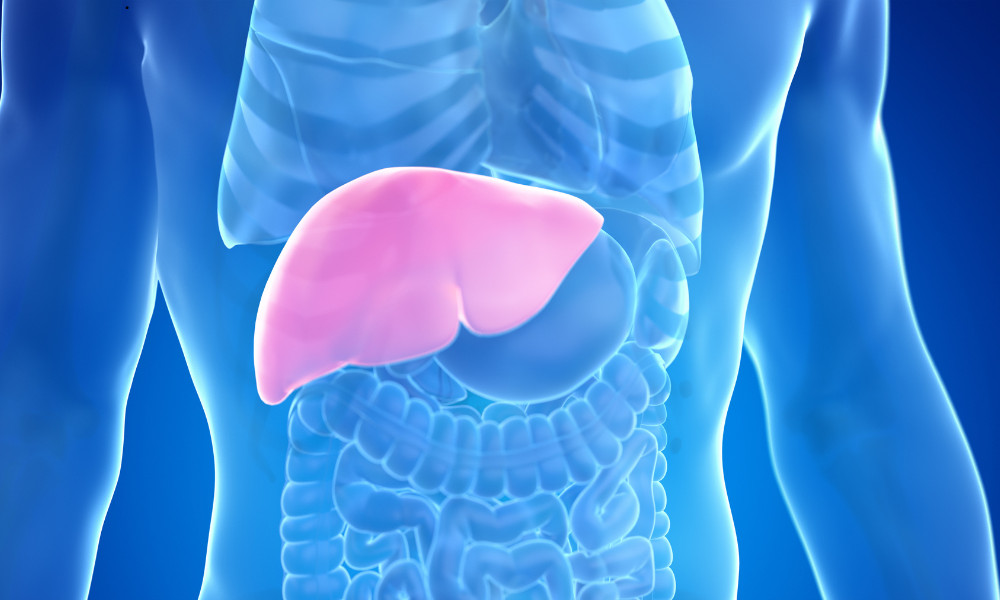
Before exploring the specific medical stages, understand exactly how this complex condition physically affects your body. Autoimmune hepatitis is a rare, long-term liver disease where the immune system becomes completely confused and attacks its own healthy organs.
An Autoimmune Condition
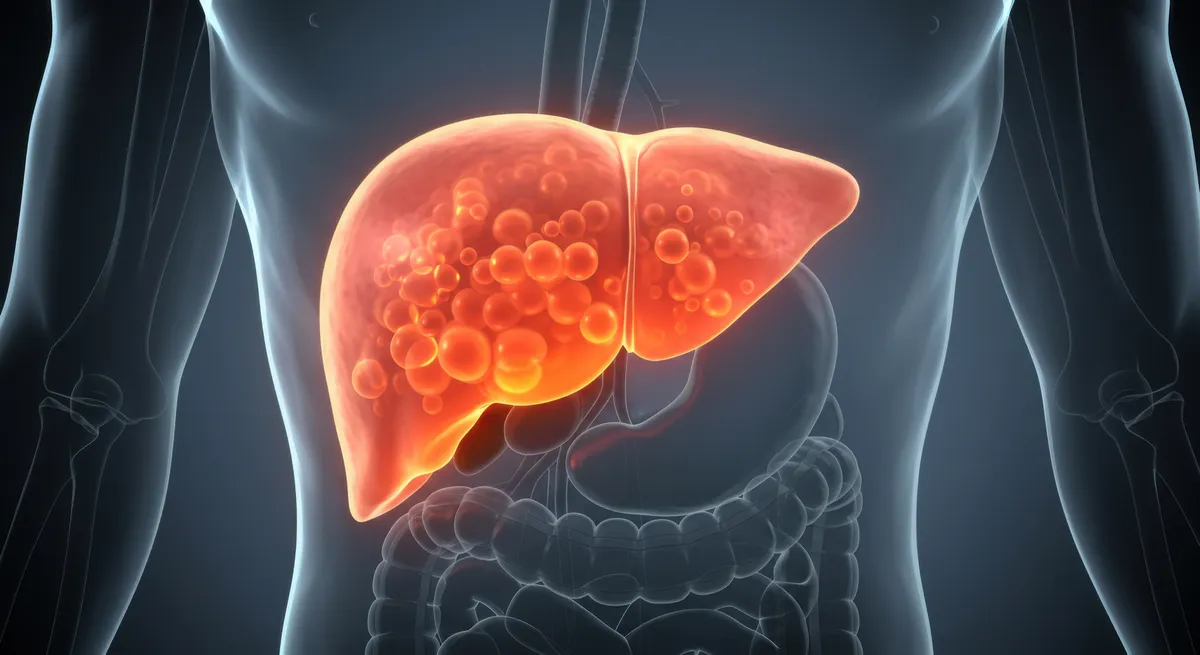
The human body's immune system normally acts as a highly effective shield against dangerous viruses. However, in this specific condition, the immune system mistakenly targets perfectly healthy liver cells. This continuous, misdirected cellular attack causes severe, chronic inflammation inside the delicate liver tissues.
The Role of Environmental Triggers
While the exact root cause remains a complex medical mystery, liver experts strongly believe it involves a mix of genetics and environmental triggers. Certain severe viral infections or harsh medications can accidentally trigger this overactive immune response in highly susceptible individuals.
The Risk of Liver Scars
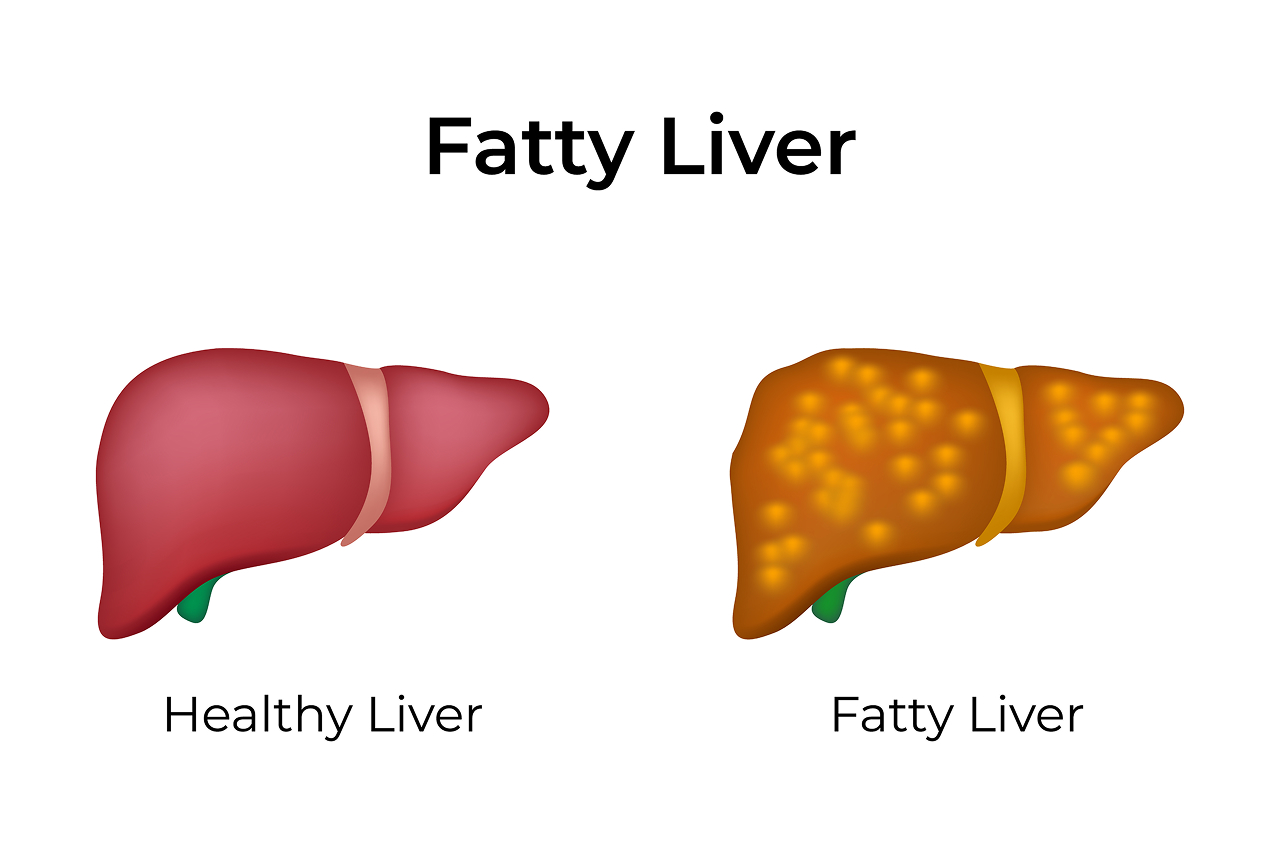
If this intense internal swelling is left completely untreated, it eventually damages delicate cells and creates thick, permanent scar tissue. Medical professionals confidently refer to this advanced scarring as cirrhosis. Finding the right medical treatment early successfully stops these dangerous scars from forming.

Find the Right Treatment for Your Liver Health Early
- World-class, personalised care
- Led by a PhD-qualified hepatologist
- Lower steroid reliance and side effects
- Deep Diagnostic Accuracy
The Four Autoimmune Hepatitis Stages
The physical progression of the disease happens gradually over many years if the intense internal inflammation is not properly controlled. Specialists track the stages of autoimmune hepatitis very closely using advanced, painless tests to prevent the liver from developing permanent, heavy scarring.
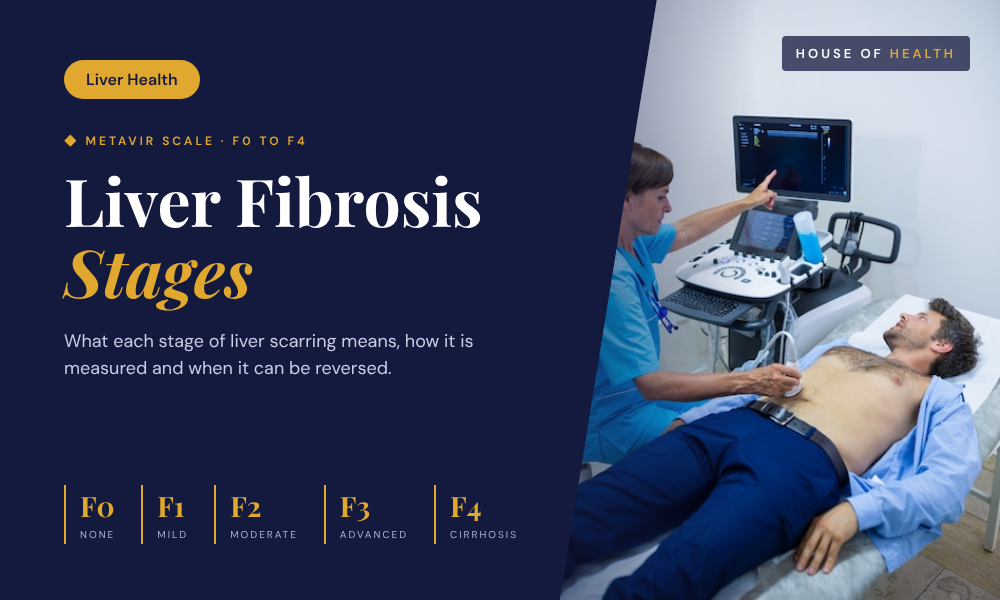
Stage 1: Chronic Active Inflammation
This is the initial stage, in which the confused immune system aggressively attacks liver cells, causing active inflammation but minimal scarring. Many patients are completely asymptomatic at this stage, feeling perfectly well despite the ongoing internal cellular damage. Brilliantly, the condition is highly reversible when targeted immunosuppressive treatment begins promptly at this exact phase.
Stage 2 - Periportal Fibrosis
The ongoing inflammation progresses, leading to early structural changes in the delicate liver tissue. Thin bands of scar tissue, medically known as periportal fibrosis, begin to form slowly around the liver's portal areas. The liver can still function well, but expert medical intervention is urgently needed to prevent further progression.
Stage 3 - Bridging Fibrosis
This is a more advanced stage in which fibrous scar tissue begins to connect different parts of the liver. It creates physical bridges of severe damage. The liver structure becomes highly distorted, making it much harder for the organ to filter blood and process essential nutrients. Early, aggressive treatment with specific medicines can still halt or completely stabilise this significant damage.
Stage 4 - Advanced Cirrhosis
At this final stage, the extensive, thick scarring permanently replaces healthy liver tissue, severely disrupting normal organ function. Cirrhosis makes it difficult for the liver to work properly, leading to dangerous complications like abdominal fluid buildup, internal bleeding, or liver failure. At this stage, doctors focus heavily on managing complications and safely preserving the remaining liver function.
The Main Types of Autoimmune Hepatitis
AIH can be classified into distinct categories based on the specific autoantibodies present in the blood. Understanding the specific types of autoimmune hepatitis allows doctors to tailor a safe and most effective medical treatment plan:
Autoimmune Hepatitis Type 1
As the most widely recognised form, type 1 autoimmune hepatitis is the most common diagnosis worldwide, predominantly affecting adult females between the ages of 15 and 40. It is strongly associated with other pre-existing autoimmune issues like coeliac disease, rheumatoid arthritis, or ulcerative colitis. Standard blood tests usually reveal positive anti-smooth muscle antibodies (ASMA) for this specific type.
Type 2 Autoimmune Hepatitis
Type 2 is a much less common form and is typically diagnosed in young children or teenagers, though adults can occasionally develop it. While it is significantly rarer, it can often be much more severe and progress to acute liver failure more rapidly than type 1. It involves completely distinct anti-liver-kidney microsomal antibodies that require highly specialised medical testing.
Overlap Syndromes
Some individuals experience a complex overlapping syndrome. For example, autoimmune sclerosing cholangitis, which makes the initial diagnosis slightly more challenging. This means the patient has characteristics of both autoimmune hepatitis and another severe bile duct condition simultaneously. An expert hepatologist is absolutely essential for accurately identifying and safely treating these combined symptoms without causing further liver stress.
Need Answers For Distressing Symptoms? Visit Specialist Hepatology Clinic
- Severe fatigue and joint pain need attention.
- Advanced Second-Line Therapies
- Specific blood tests and IgG levels check
Recognising the Symptoms and Flare-Ups
While the liver physically changes through different stages, how a patient actually feels can fluctuate wildly from day to day. Symptoms can range from being completely unnoticeable to sudden, highly intense flare-ups that require immediate medical care.
The Asymptomatic Phase
Surprisingly, roughly 25% to 34% of patients have absolutely no physical symptoms when they are first diagnosed with this complex condition. The disease is often only discovered by pure chance during routine blood tests that show dangerously elevated liver enzymes. This silent progression is exactly why attending regular medical check-ups is so incredibly vital for your long-term health.
Common Daily Symptoms
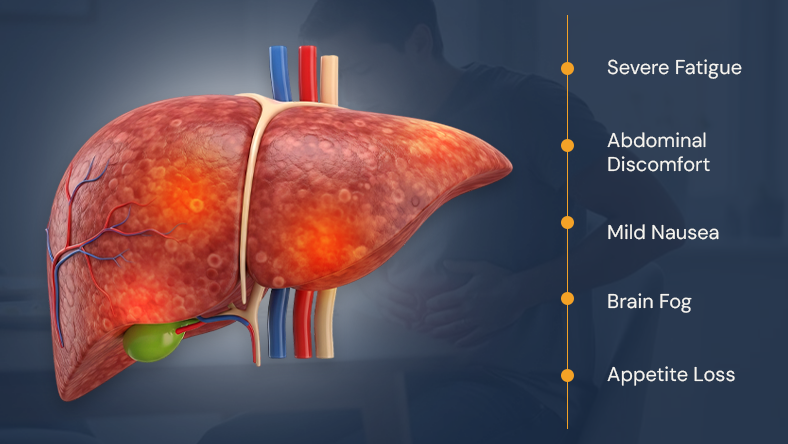
When the disease becomes physically active, patients often experience a highly frustrating range of daily issues that severely disrupt their normal routines. The most frequently reported signs include:
- Severe, exhausting daily fatigue that sleep does not fix.
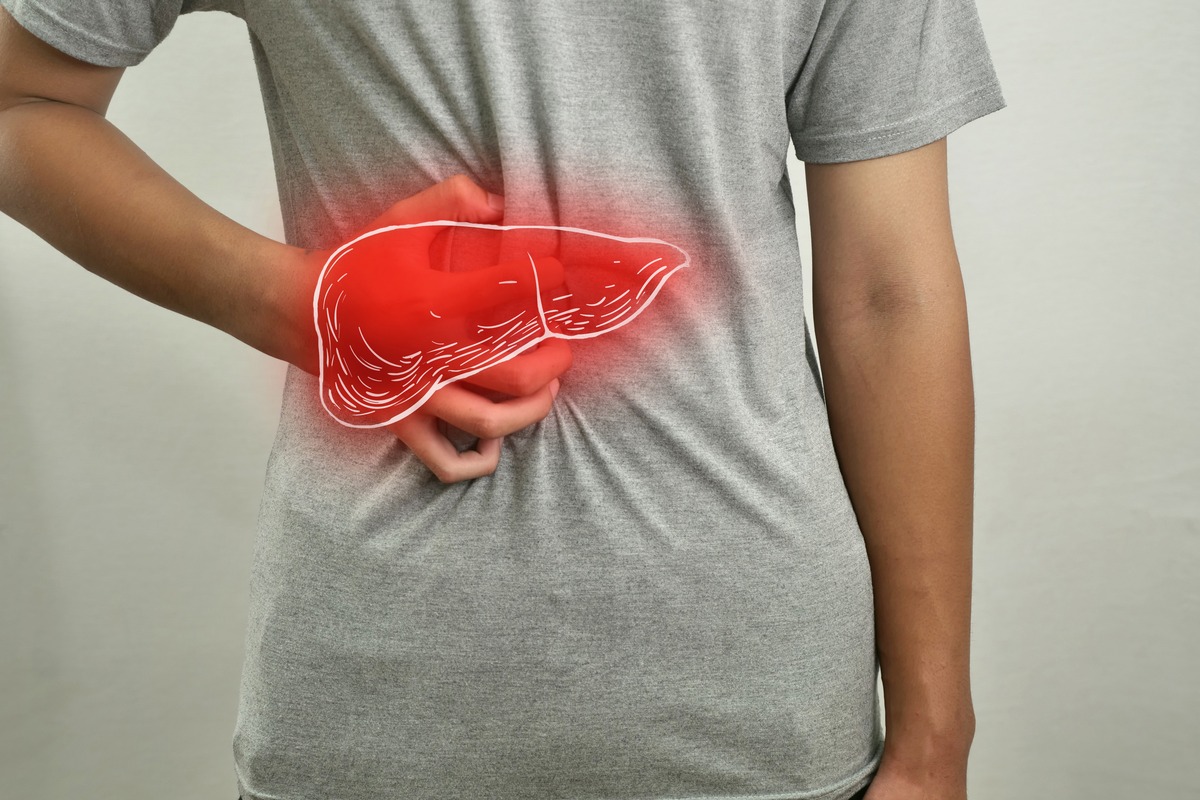
- A dull aching pain or discomfort over the right side of the liver.
- Noticeable yellowing of the skin or whiteness in the eyes (jaundice).
- Severe joint pain, skin rashes, and a sudden loss of appetite.
Acute Severe Hepatitis
A very small number of patients experience a sudden, incredibly intense flare-up called acute severe hepatitis, which happens very quickly. This is a severe medical emergency where the liver rapidly fails, causing extreme jaundice, confusion, and overwhelming fatigue. It requires immediate specialist intervention in a hospital setting to prevent life-threatening complications and secure the patient's safety.
How Specialists Diagnose and Treat AIH?
As these symptoms easily mimic other common illnesses, getting an accurate medical diagnosis is essential. Here's what a good autoimmune hepatitis diagnosis looks like:
Advanced Liver Diagnostics
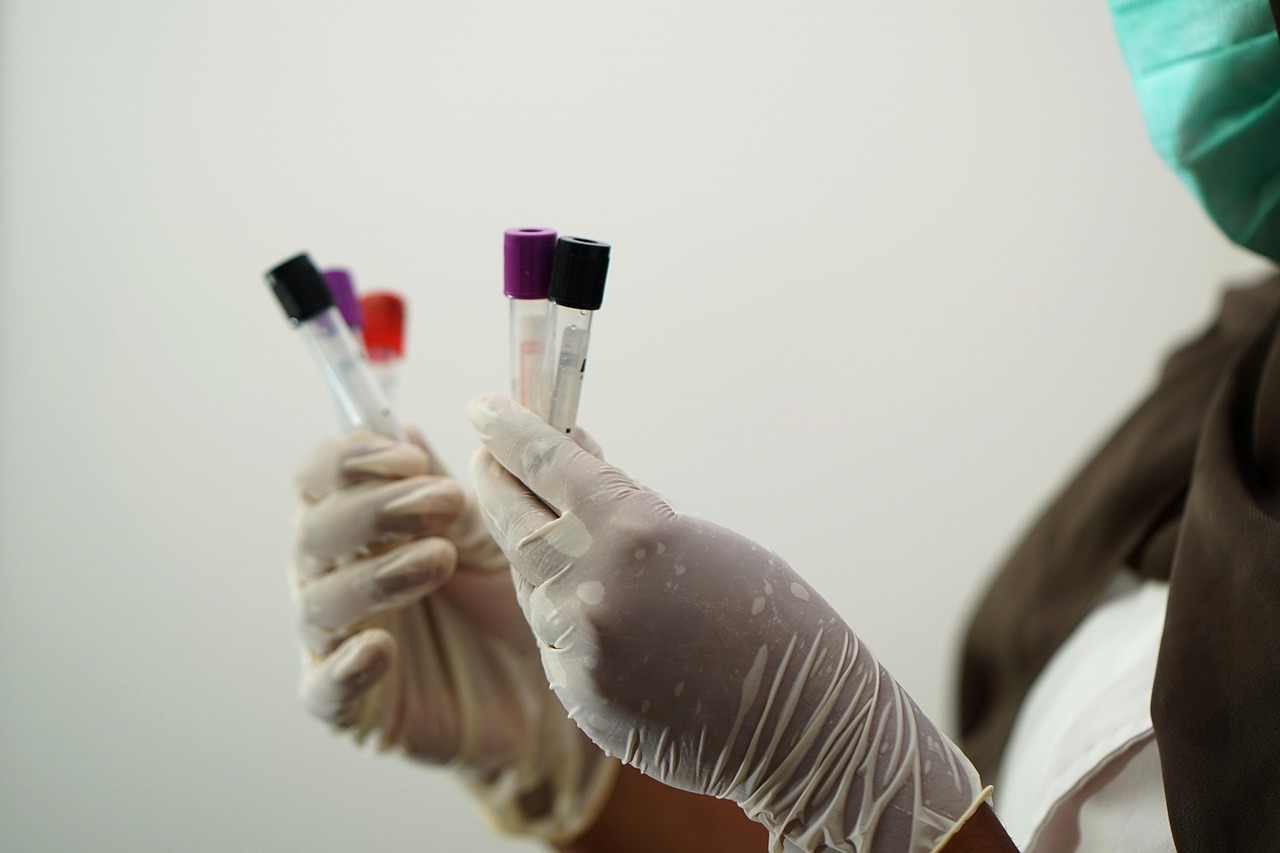
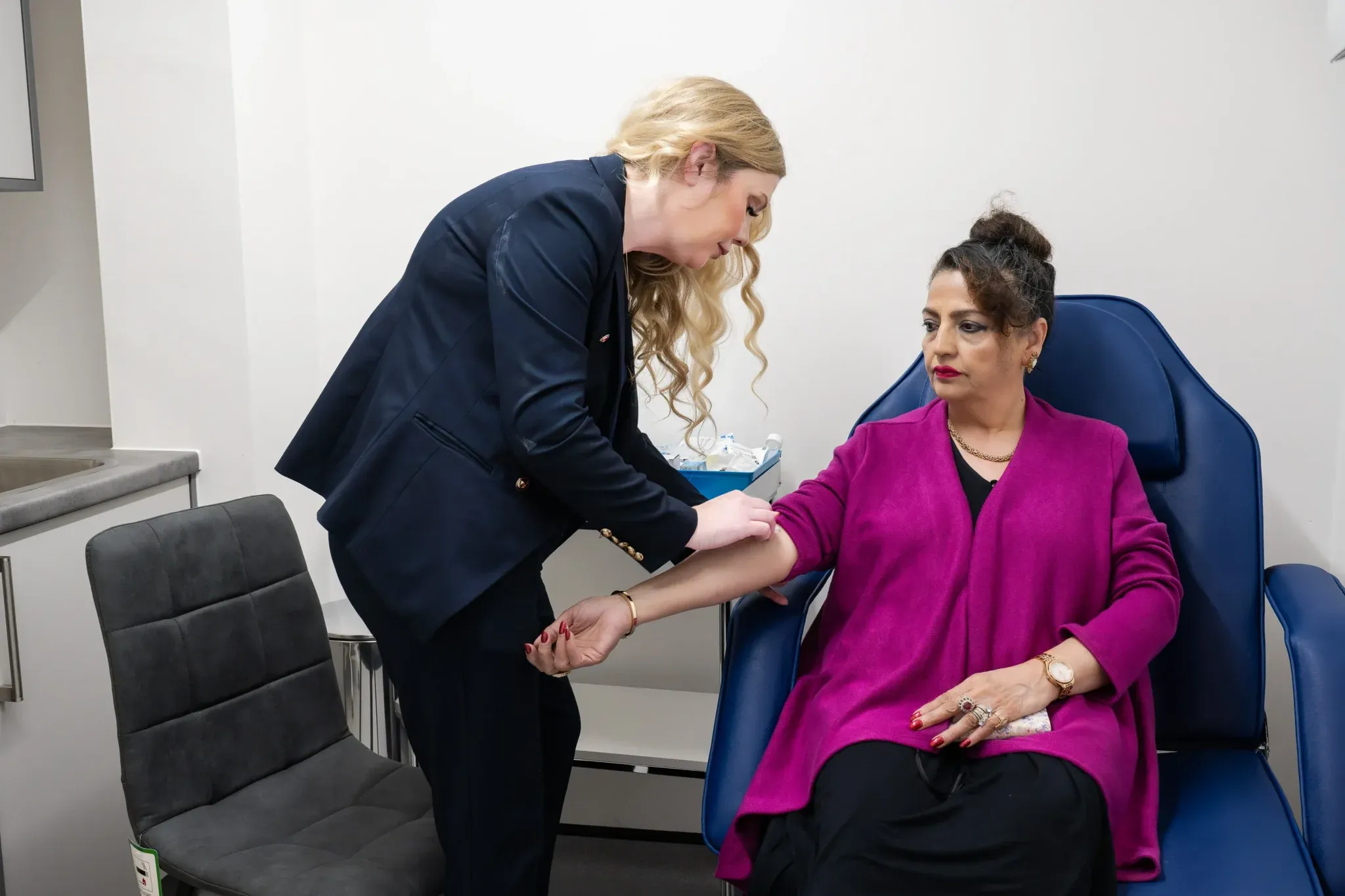
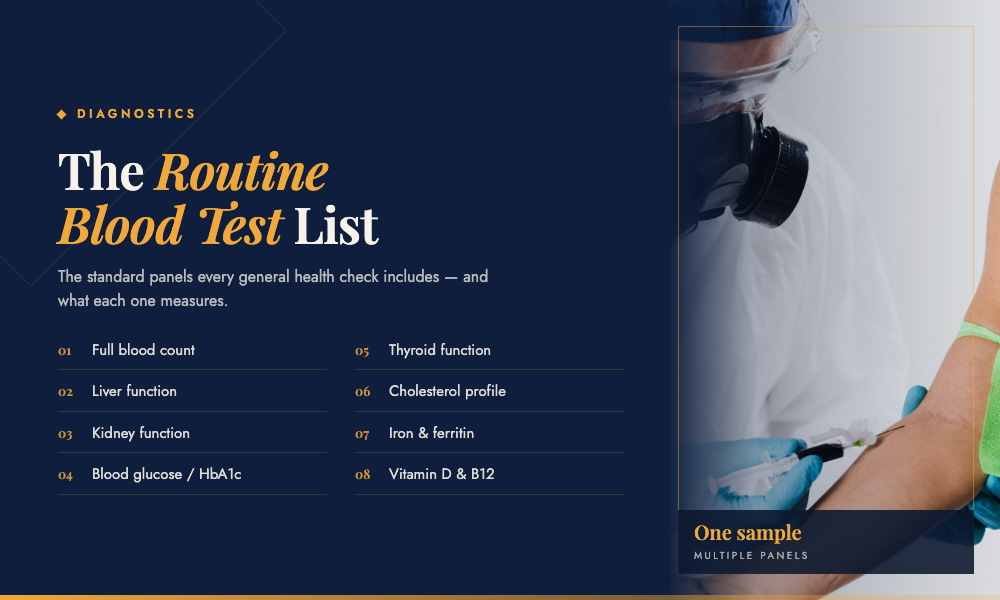
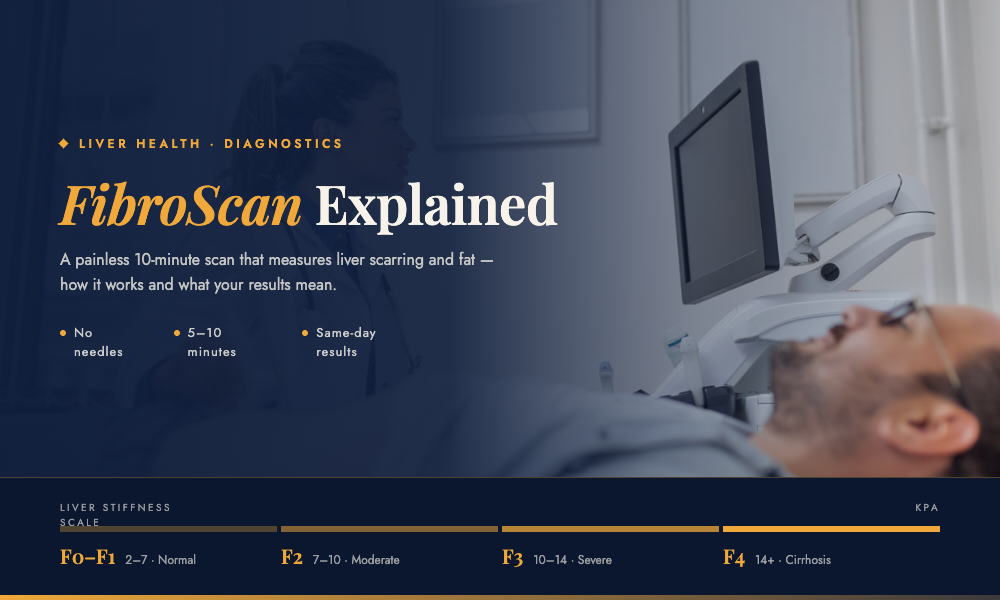
Specialists perform deep blood tests to detect specific autoantibodies, carefully reviewing extended panels alongside standard liver enzyme tests. They also utilise advanced liver biopsies and painless, high-resolution ultrasound scans to confirm the exact stage of liver scarring. This incredibly thorough approach ensures the doctor creates the most effective, highly personalised care plan possible.
Corticosteroid Therapy
Doctors usually start treatment with a high daily dose of a corticosteroid, like prednisone, to quickly reduce liver inflammation and stop the immune attack. Once the swelling calms down and liver tests improve, the dosage is gradually and safely lowered over several weeks. The ultimate goal is to minimise steroid use rapidly to successfully prevent adverse physical side effects.
Immune System Suppressors
To reduce the long-term reliance on steroids, specialists concurrently prescribe gentle immunosuppressants like azathioprine or advanced second-line therapies. This incredibly helpful medication keeps the immune system quiet over the long term, safely holding the disease in complete remission. Regular blood tests ensure the medication is working perfectly without impacting your essential white blood cell count.
The Conclusion
Understanding the autoimmune hepatitis stages is the very first step toward taking back control of your health and relieving your daily anxiety. By catching the disease early in its mild inflammatory phase, medical professionals can halt its progression and prevent irreversible cirrhosis.
Whether you have type 1 autoimmune hepatitis or a much rarer form, highly targeted immunosuppressive treatments offer brilliant, long-term remission. Managing complex liver conditions requires deep, specialist expertise. The dedicated professionals at the House of Health provide advanced, highly personalised care through their dedicated Liver Specialist Clinic in the UK, helping you easily access the exact medical plan you need to enjoy a perfectly healthy life.
Frequently Asked Questions
What is the life expectancy of a person with autoimmune hepatitis?
With prompt diagnosis and consistent medical treatment, the vast majority of patients achieve full remission and enjoy a completely normal, healthy life expectancy.
Can I live a normal life with autoimmune hepatitis?
Absolutely. While there is no definitive cure, immunosuppressive medicines effectively control the disease, allowing most patients to work, exercise, and live perfectly normal lives.
What is stage 2 autoimmune hepatitis?
Stage 2 involves periportal fibrosis, meaning ongoing internal inflammation has begun to form early, thin bands of scar tissue around the liver's delicate portal areas.
Do we fall ill with autoimmune hepatitis?
Symptoms fluctuate wildly. Some patients feel perfectly fine, while others experience severe daily fatigue, deep joint pain, sudden nausea, and a lack of energy.