
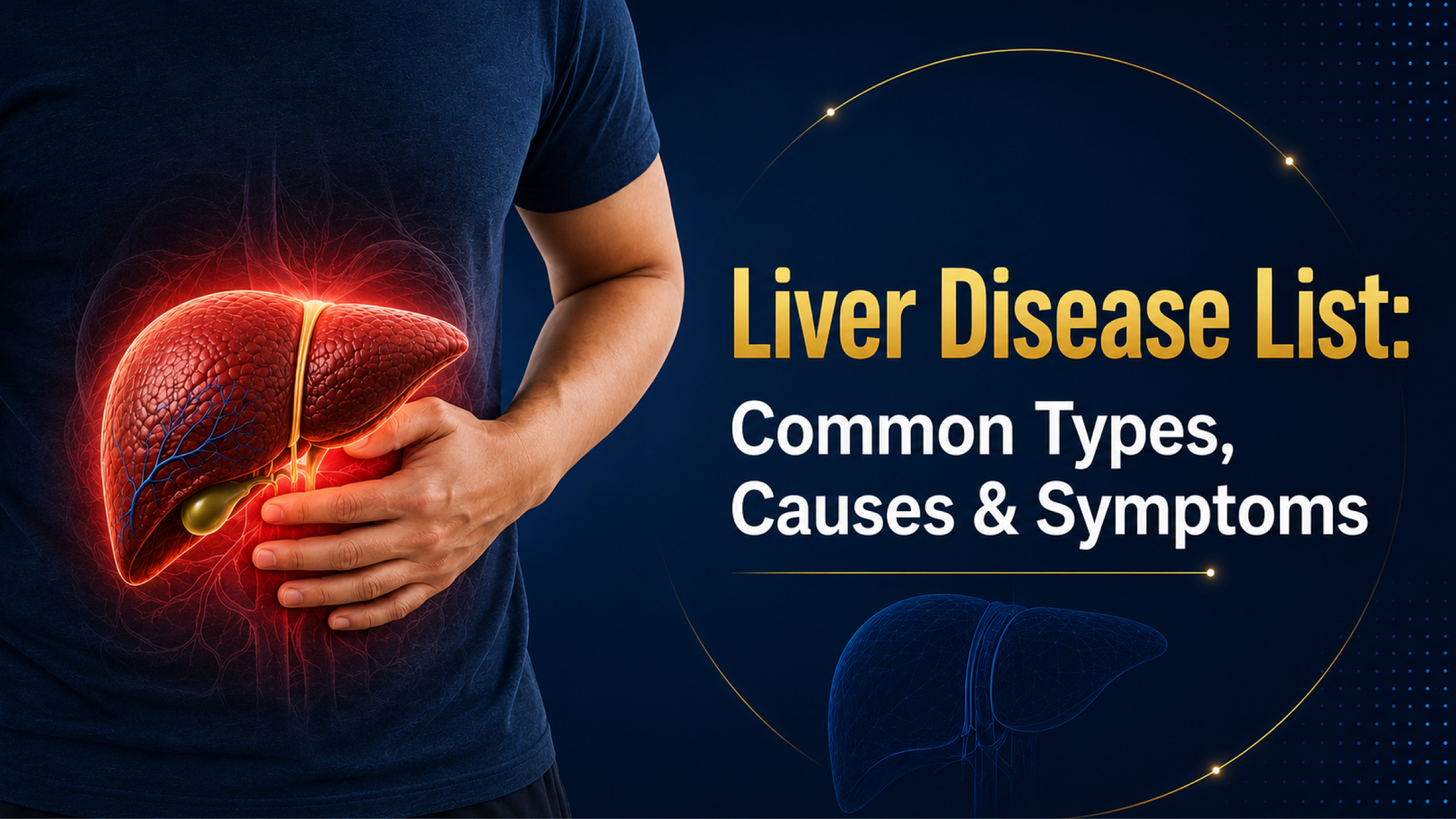
The complete liver disease list covers conditions like fatty liver disease, hepatitis, alcohol-related liver damage, cirrhosis, and liver cancer. Each one harms the liver differently, but most stay hidden until the damage becomes serious. That is why so many people in the UK live with liver problems for years without knowing.
This article explains the various types of liver disease in simple terms. It covers their causes, symptoms, stages, and current treatment methods. It aims to help the reader detect liver disease in its early stages, preventing further scarring.
Liver health matters at every age. Catching trouble early gives the organ a real chance to heal. With the right plan and timely care, we can slow, control, or even reverse many common liver diseases on this list.
Key Takeaways
- The various forms of liver diseases include fatty liver, hepatitis, alcoholic liver injury, liver cirrhosis, and liver cancer.
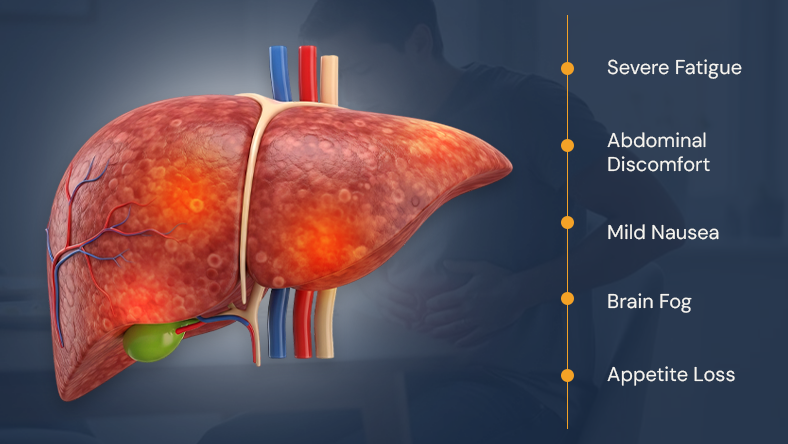
- In most liver conditions, patients will have no symptoms until the disease progresses to its later stages.
- Most liver conditions are a result of obesity, excessive drinking, viral infections, and genetic factors.
- Lifestyle changes and consultant-led care can slow or reverse early-stage damage.
What Is Liver Disease?
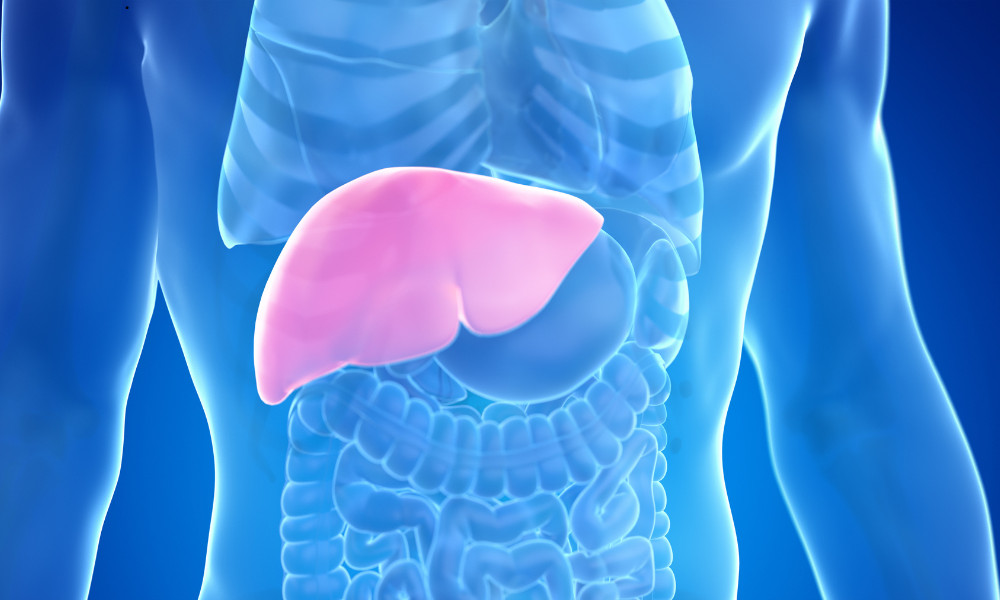
Liver problems are diseases that impair the liver's proper functioning. The liver helps clean the blood, produce proteins, store energy, and detoxify the harmful substances found in the body.
Doctors split liver problems into two main groups:
- Acute liver disease — sudden damage, often from a virus, a drug reaction, or poisoning.
- Chronic liver disease — slow damage that builds up over months or years.
A chronic liver disease list usually points to long-term issues that quietly scar the organ over time.
Common Liver Diseases: The Full List Of Liver Disorders
Knowing the different types of liver disease helps patients spot risks early and act before serious damage takes hold. Here is a clear list of liver disorders that doctors see most often in the UK.
1. Non-Alcoholic Fatty Liver Disease (NAFLD / MASLD)
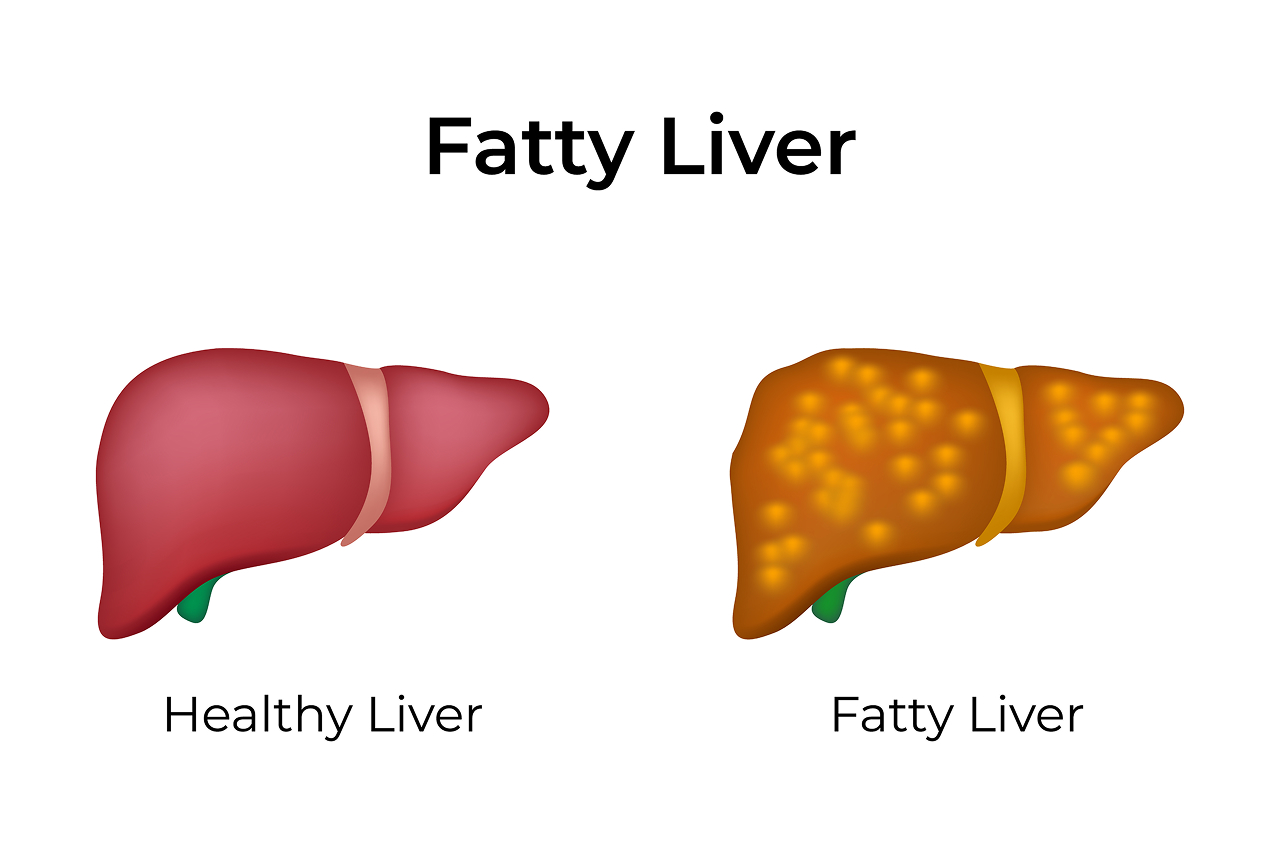
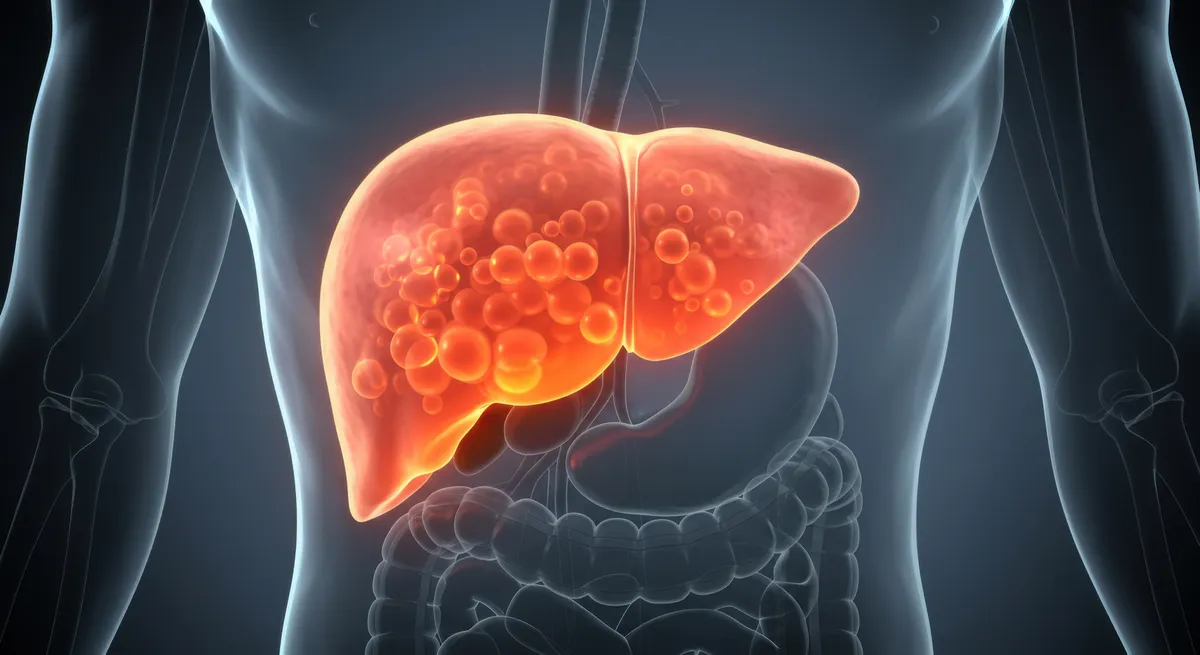
Fat builds up in liver cells in people who drink little or no alcohol. It is now the most common liver problem in the UK and is linked closely to obesity and Type 2 diabetes.
2. Alcohol-Related Liver Disease (ARLD)
Consumption of excessive alcohol leads to cell damage in the liver. The disease progresses in three phases that include fatty liver, alcoholic hepatitis, and cirrhosis.
3. Viral Hepatitis (A, B, C, D, E)
Viruses inflame the liver. Hepatitis B and Hepatitis C are the main long-term threats and can lead to cirrhosis or liver cancer if left untreated.
4. Cirrhosis
Years of damage leave the liver covered in scar tissue. Once cirrhosis is advanced, the liver struggles to do its everyday jobs.
5. Autoimmune Liver Diseases
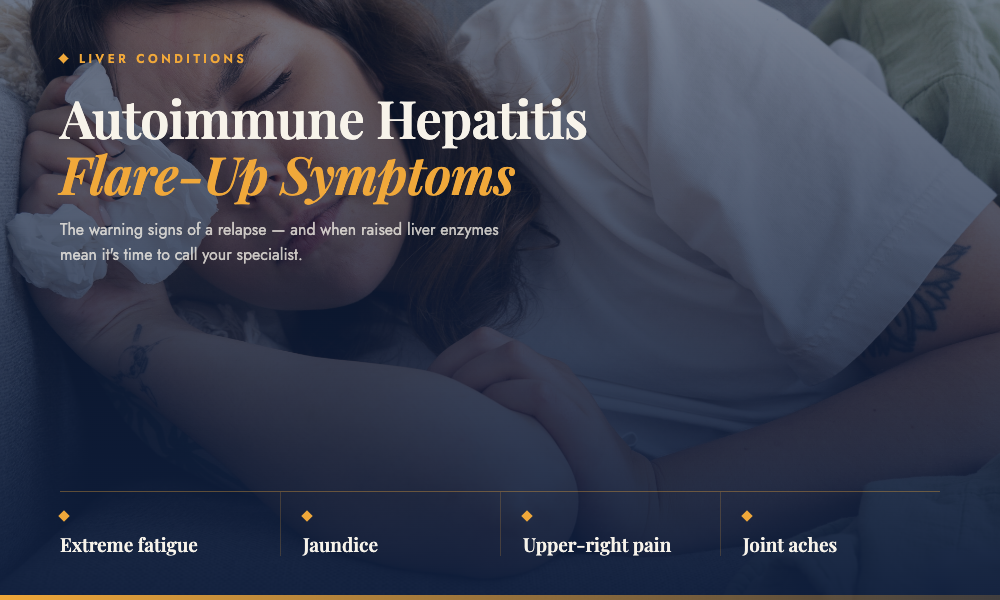
The body's immune response starts attacking the liver. They include autoimmune hepatitis, primary biliary cholangitis (PBC), and primary sclerosing cholangitis (PSC).
6. Genetic Liver Diseases
Inherited conditions damage the liver slowly. The main ones are:
- Haemochromatosis (too much iron)
- Wilson's disease (too much copper)
- Alpha-1 antitrypsin deficiency
7. Liver Cancer
Hepatocellular carcinoma mostly develops on an unhealthy or damaged liver due to previous instances of hepatitis or cirrhosis.
8. Bile Duct Problems
Gallstones, blockages, or inflammation in the bile ducts can hurt liver function over time.
Causes Of Liver Disease
The causes behind the different types of liver disease usually fall into a few clear groups:
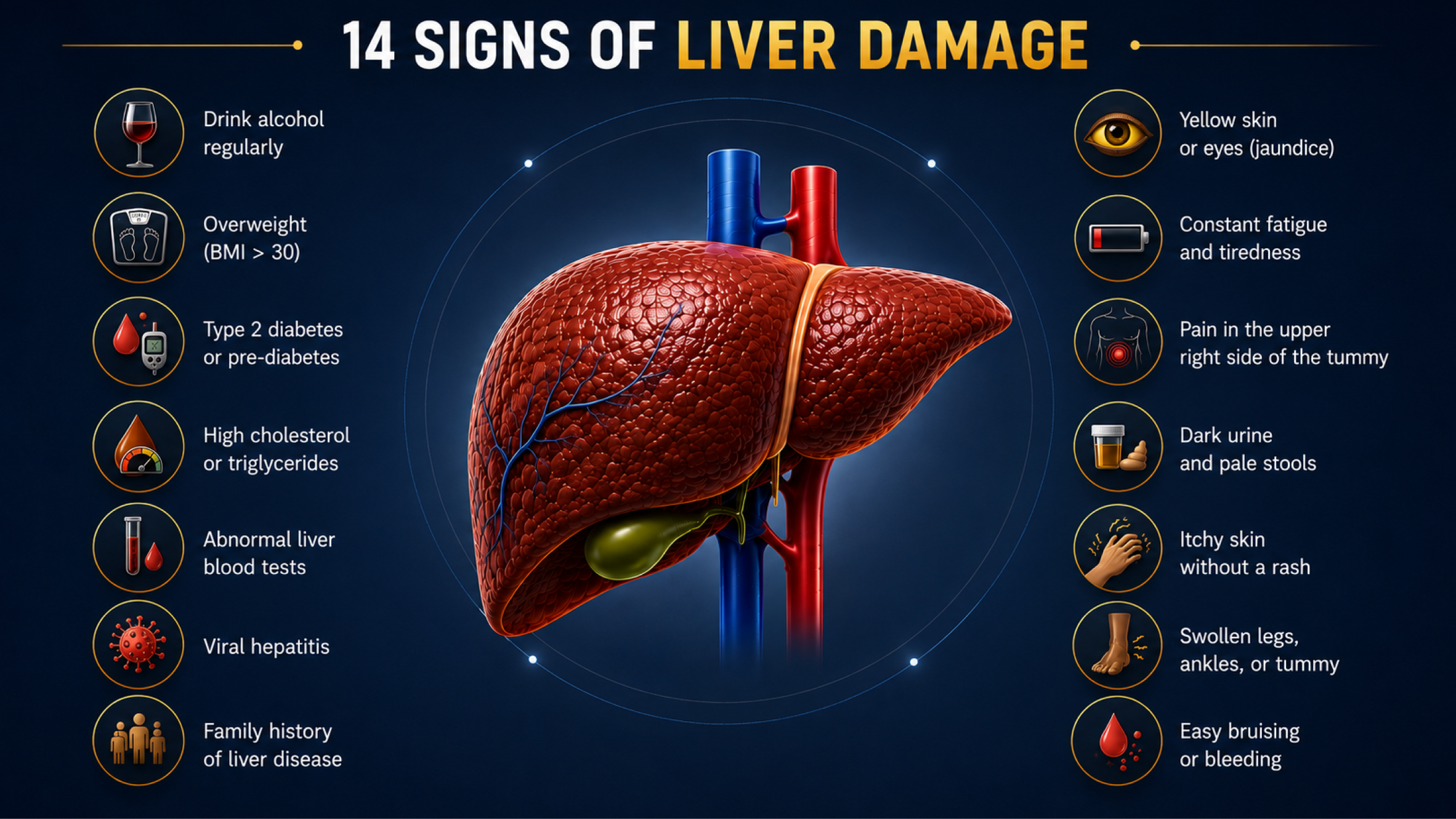
- Alcohol consumption — injury of liver cells from consistent excessive alcohol use.
- Being overweight — if your body mass index is above 30, the chances are increased.
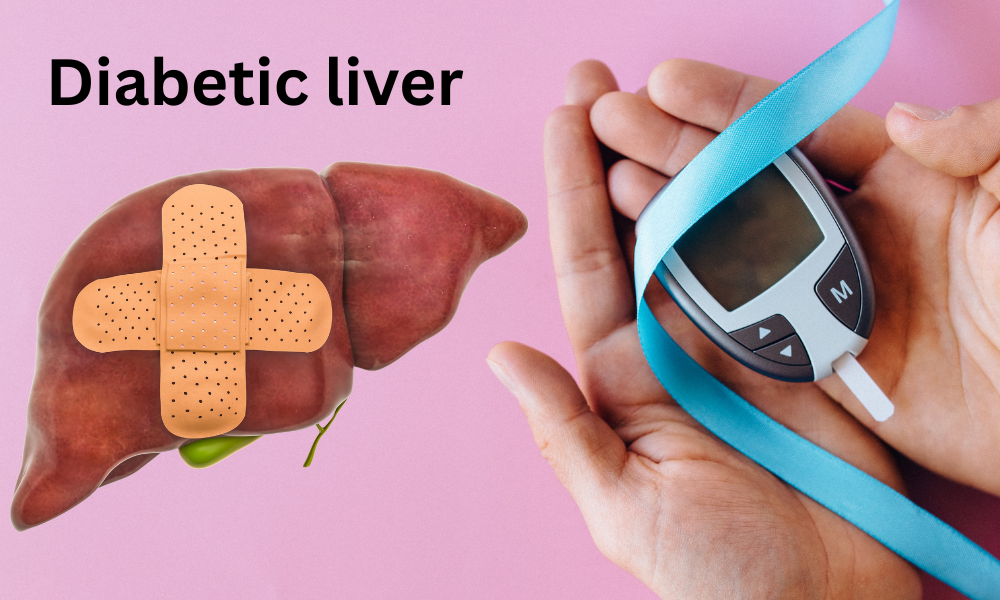
- Type 2 diabetes — strongly associated with fatty liver.
- High cholesterol and triglycerides — elevated blood fat levels place a burden on fat metabolism.
- Viral infections — hepatitis B, C, and others.
- Family history — genes play a strong role.
- Certain medicines — some drugs damage liver cells.
- Toxins — long exposure to chemicals or harmful substances.
- Ethnic risk — South Asian patients carry a higher genetic risk for fatty liver disease.

Worried About Long NHS Waits For A Liver Check?
- Same-week appointments available
- Painless FibroScan plus blood tests
- Instant interpretation by a specialist
Stages Of Liver Disease
The stages of liver disease usually follow a clear path. Most chronic conditions move through these steps one after the other:
- Inflammation — the liver swells and responds to damage. Reversible at this point.
- Fibrosis — mild scar tissue starts to form. Still reversible with proper care.
- Cirrhosis — heavy scarring takes over. The liver struggles to work normally.
- End-Stage Liver Disease / Liver Failure — the organ can no longer perform its function, and doctors may need to perform a transplant.
Catching the problem at stage one or two gives the best chance of full recovery.
How A Liver Health Check Works
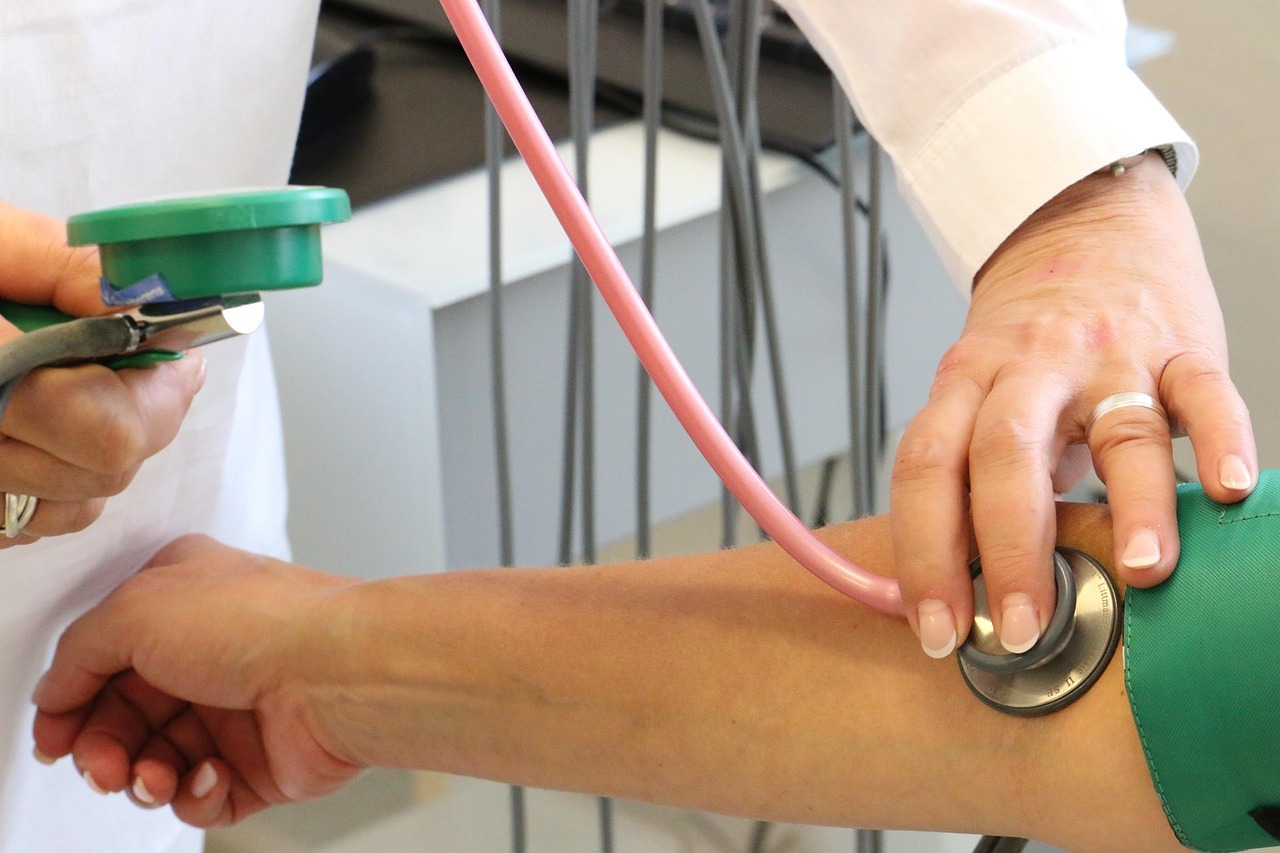
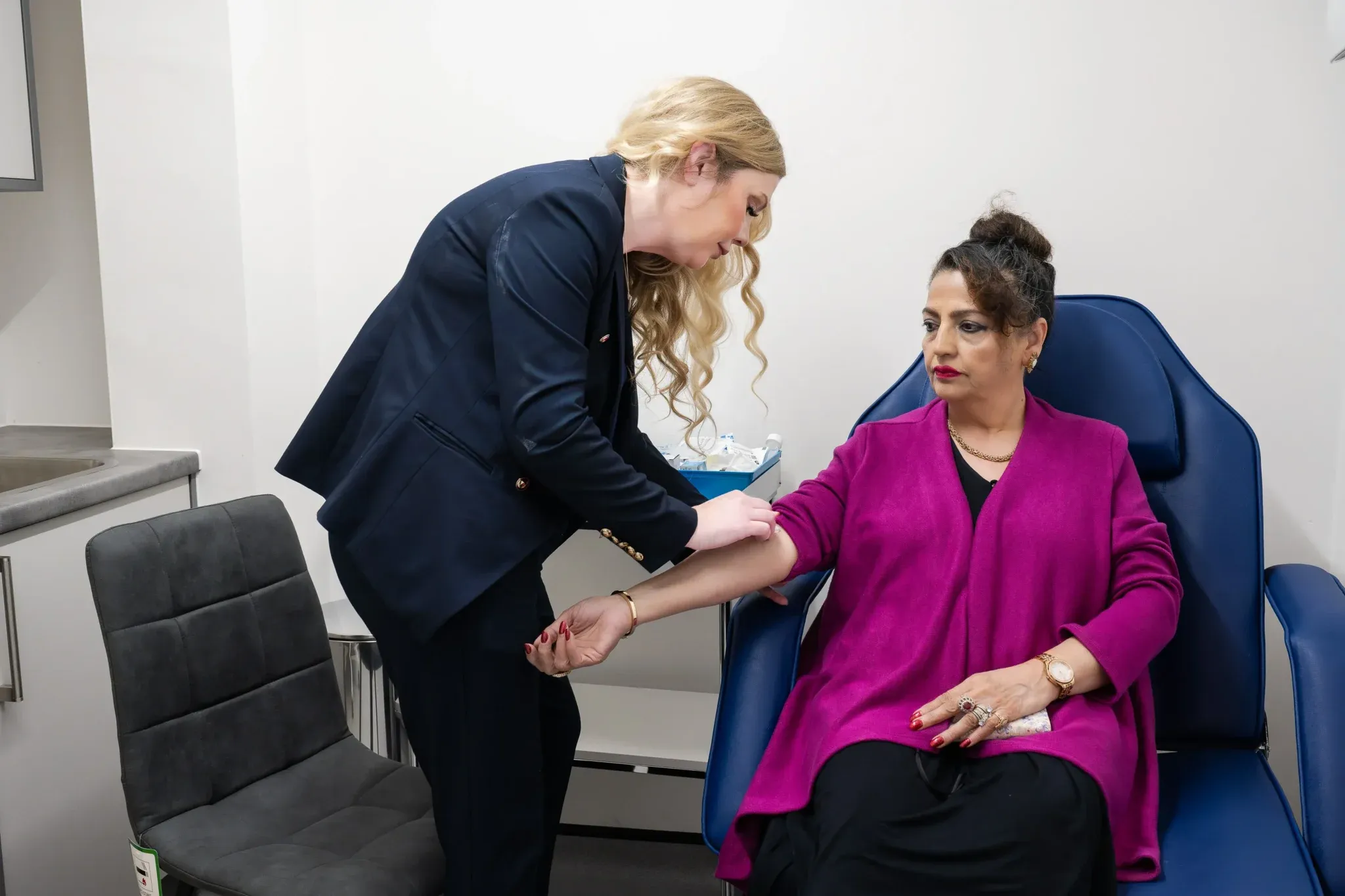
A modern liver check uses simple, painless tools to spot trouble early. A full assessment usually takes about an hour and provides a clear answer the same day.
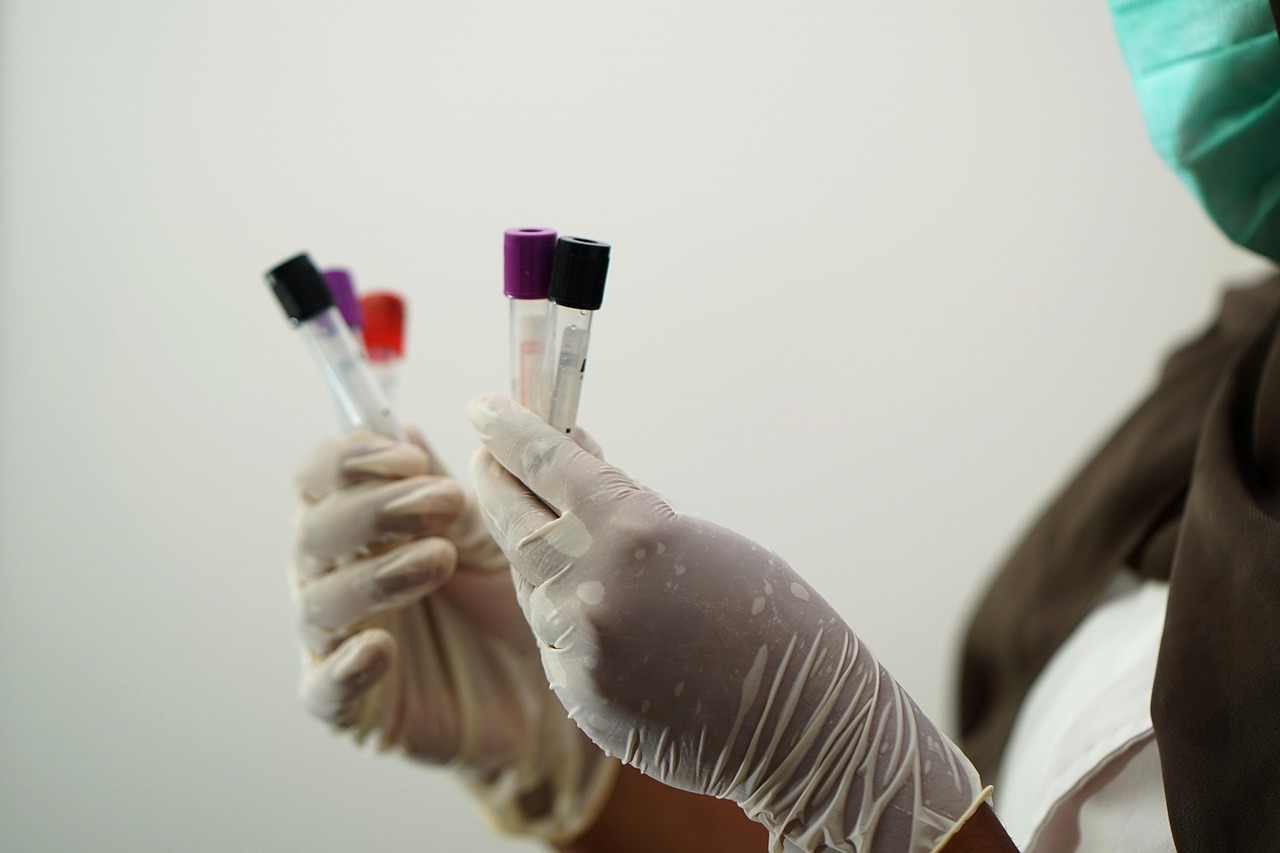
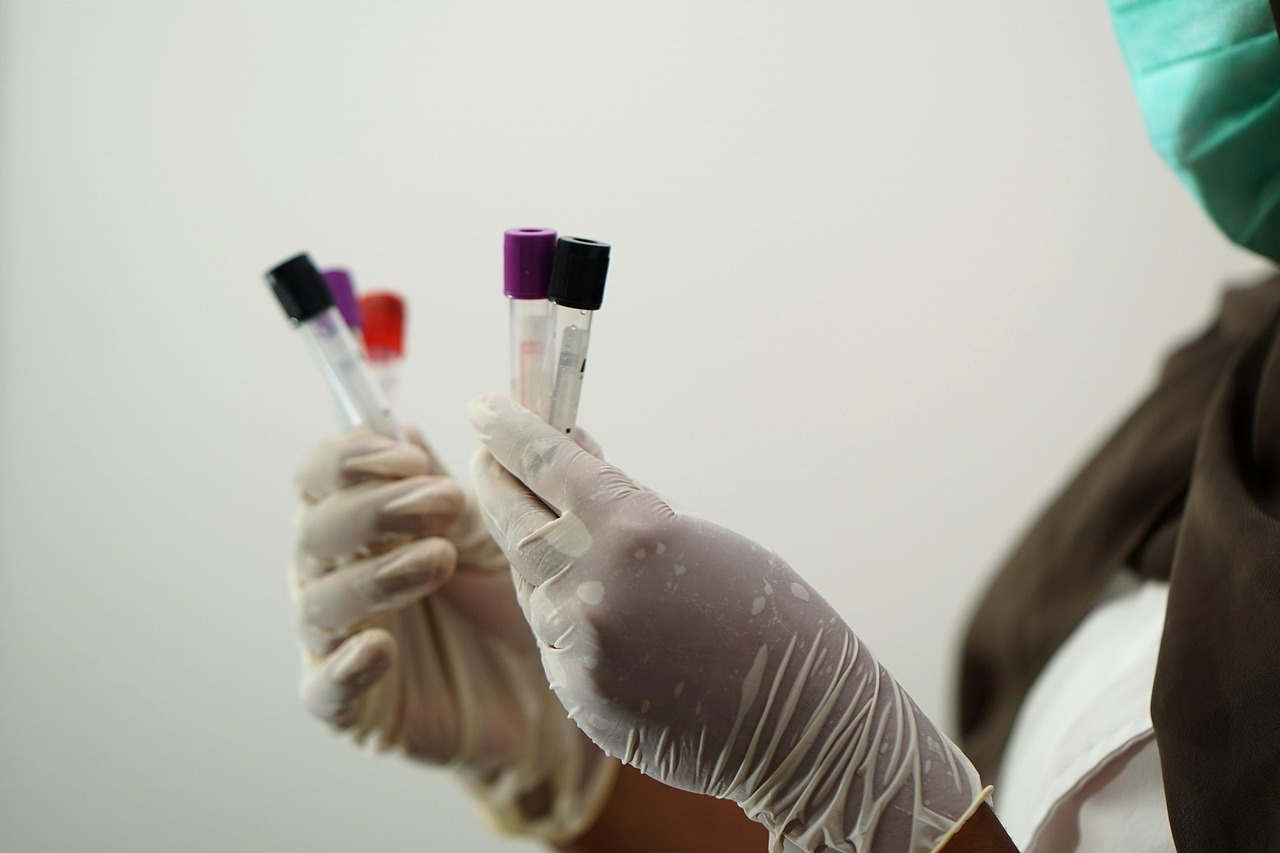
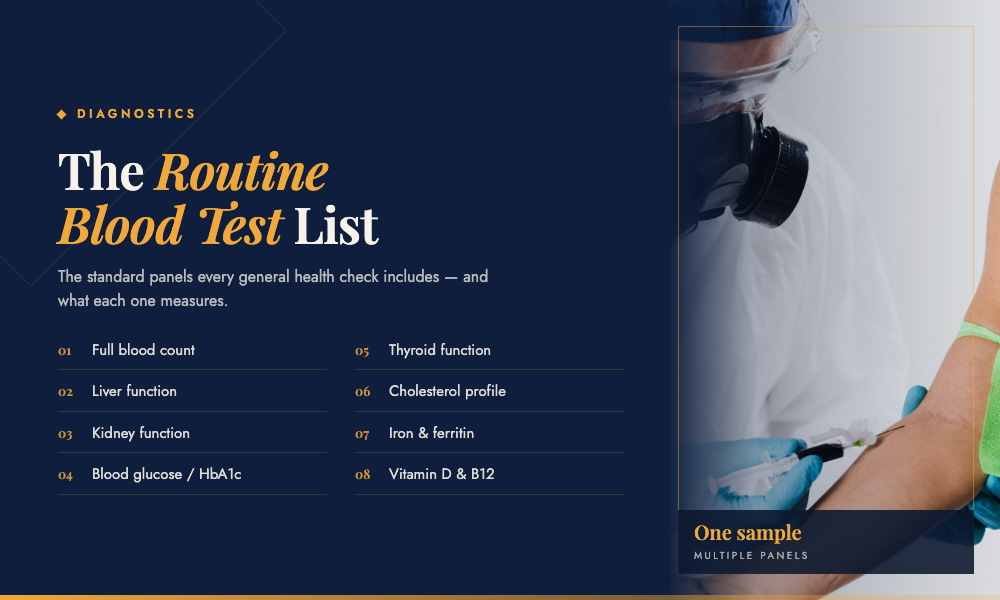
- Liver Function Blood Tests — measure liver enzymes, proteins, and bilirubin.
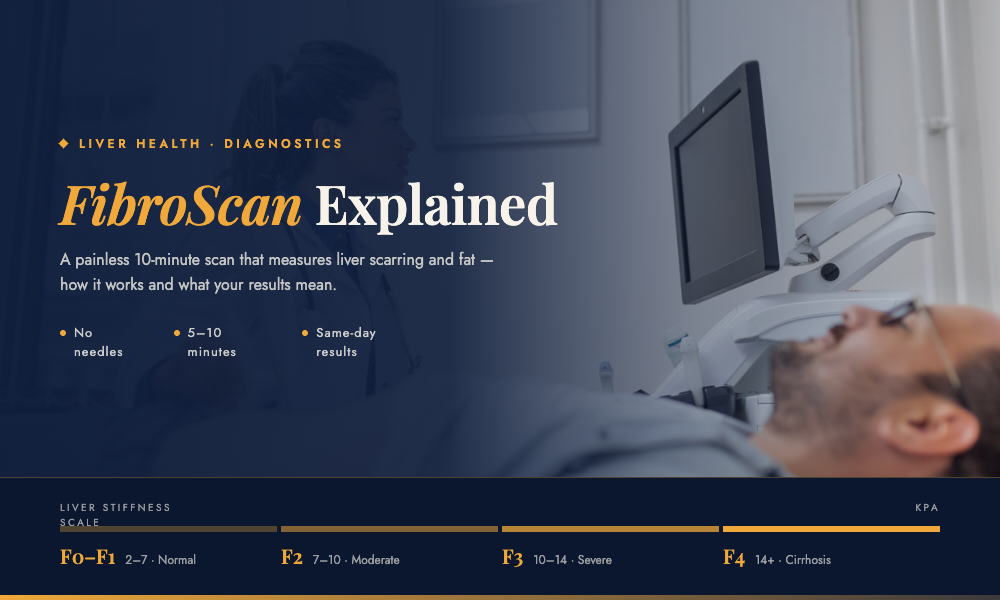
- FibroScan — a quick ultrasound that measures liver stiffness and fat in about 10 minutes.
- Ultrasound Scan — shows the size and shape of the liver.
- MRI or CT Scan — provides a detailed view when something needs closer inspection.
- Liver Biopsy — used only in rare, complex cases.
Want Specialist Answers, Not Just Numbers On A Report?
- Face-to-face appointments with a Consultant Hepatologist
- Same-day FibroScan, blood tests, and report
- Personalised plan to protect long-term liver health
Treatment Options For Liver Disease
Treatment depends on which condition appears on a patient's list of liver diseases. The aim is always the same: stop the damage and give the liver room to heal.
Common treatment options include:
- Lifestyle Changes — weight loss, balanced diet, less alcohol, and regular exercise.
- Antiviral Medicine — clears hepatitis B and C in many patients.
- Medication for Autoimmune Conditions — calms the immune attack on the liver.
- Iron or copper control — for genetic conditions such as haemochromatosis and Wilson's disease.
- Managing Diabetes and Cholesterol — keeps fatty liver under control.
- Regular Monitoring — repeat scans and blood tests to track progress.
- Liver Transplant — reserved for end-stage liver failure.
A bespoke plan, tailored to the patient's stage and lifestyle, delivers the best long-term results.
Conclusion
The entire range of diseases that could affect the liver, ranging from fatty liver to hepatitis, cirrhosis, and liver cancer, simply illustrates how the liver can silently become unhealthy. There are also instances where there are no clear signs that anything is wrong.
The good news is that many common liver diseases respond well to early action. Lifestyle changes, the right medication, and regular monitoring can prevent or even reverse damage in the early stages of liver disease. The key is catching the problem before scarring takes hold.
The expert team at House of Health provides a thorough Liver MOT in Birmingham to assess every aspect of liver health and develop a clear, personalised plan to protect the organ in the long term.
Frequently Asked Questions
What are the most common types of liver disease?
The most common types of liver disease are non-alcoholic fatty liver disease, alcohol-related liver disease, viral hepatitis, and cirrhosis.
What is included in a chronic liver disease list?
A list of liver conditions normally includes fatty liver, alcoholic liver disease, chronic hepatitis B and C, autoimmune hepatitis, primary biliary cholangitis, haemochromatosis, and cirrhosis.
What are the four stages of liver disease?
The four stages are inflammation, fibrosis, cirrhosis, and end-stage liver failure. We can often reverse the damage during the first two stages.
Who should get a liver health check?
Anyone with a BMI over 30, Type 2 diabetes, raised cholesterol, regular alcohol use, a family history of liver disease, or abnormal blood test results should consider a specialist liver check.
What is the silent stage of liver disease?
The silent stage covers inflammation and early fibrosis, when the liver is damaged but shows no outward symptoms. It is the ideal time to act.