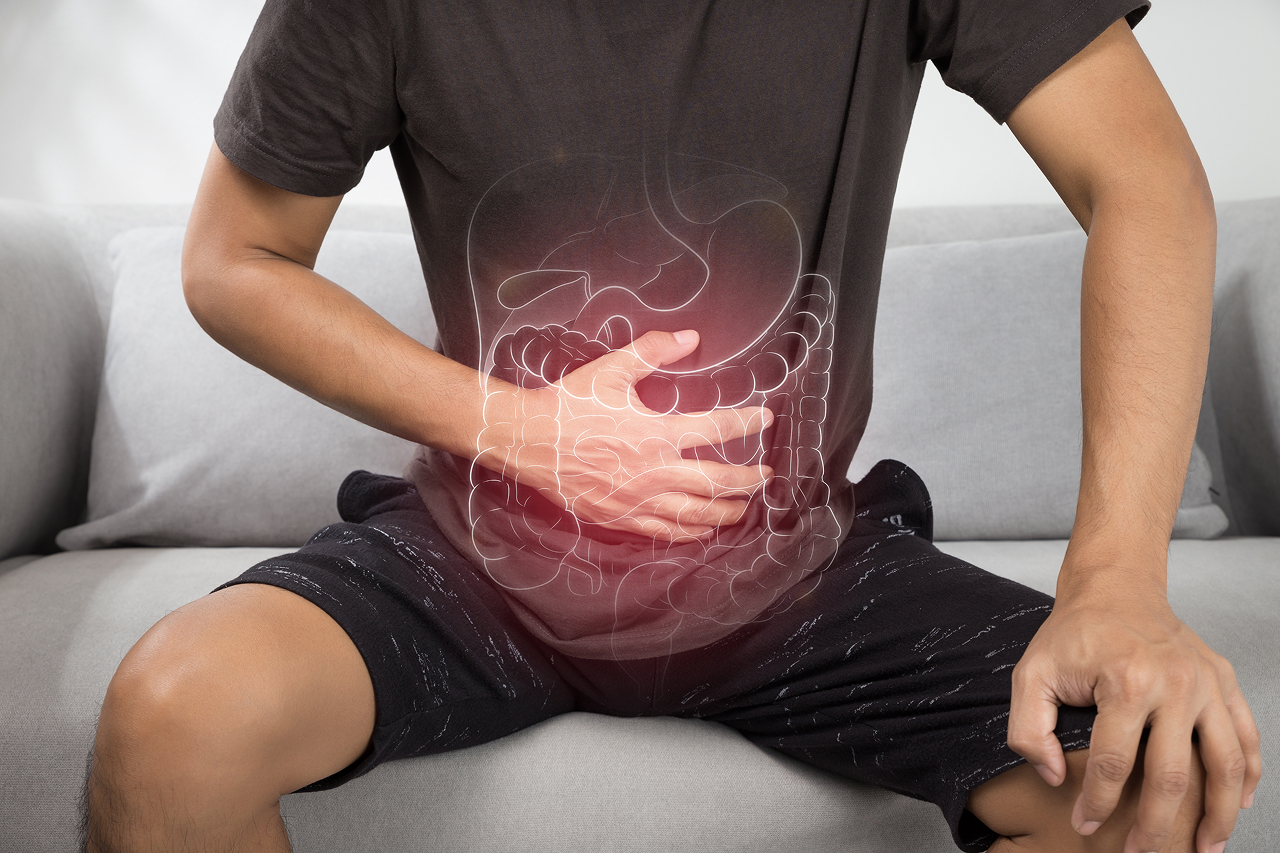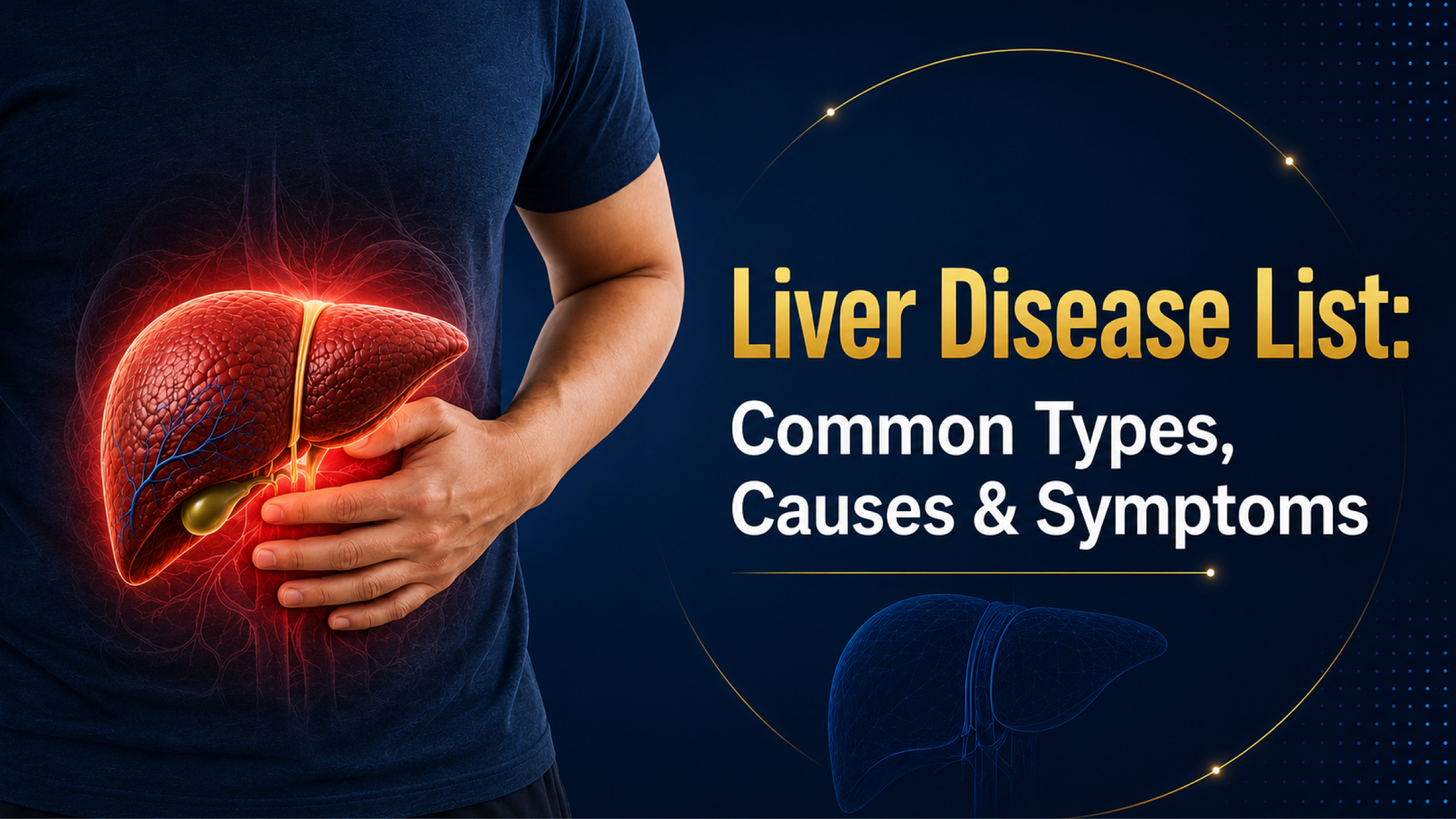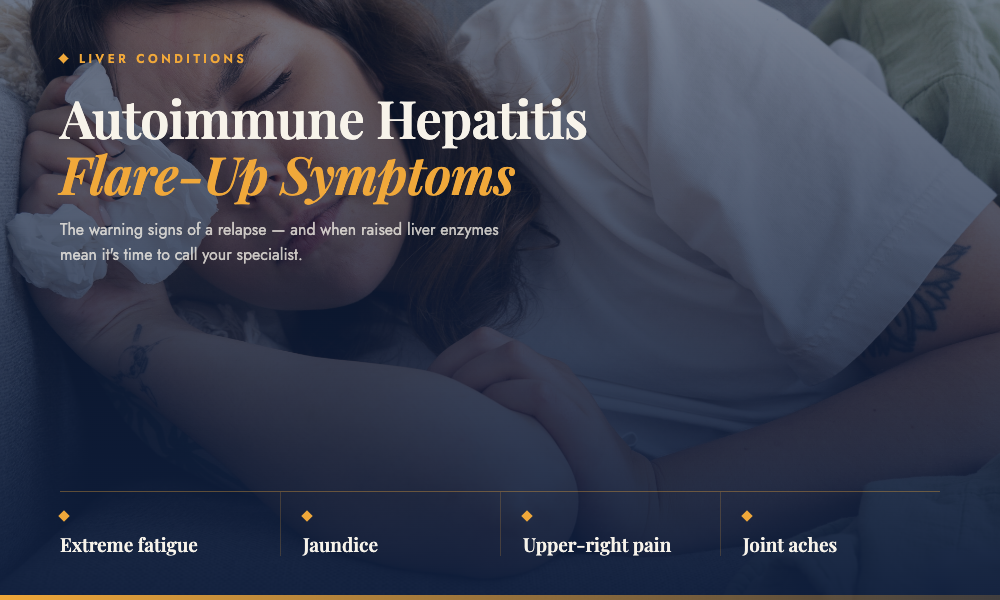

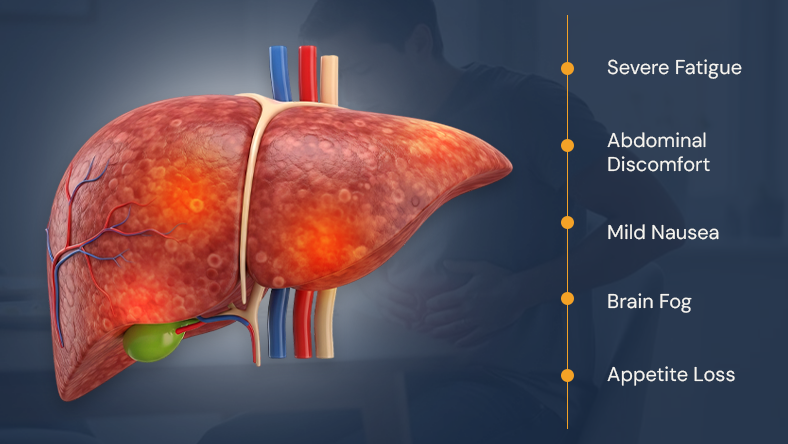
Identifying fatty liver symptoms is a tough task, as the initial signs are often subtle and nonspecific. As fat slowly builds up inside the liver cells, many people experience absolutely no physical warning signs. However, as internal inflammation worsens, early fatty liver symptoms begin to appear, including severe daily fatigue, unexplained weight loss, and a dull, persistent ache in the upper right side of the abdomen.
If left completely untreated, the disease progresses to severe scarring, triggering advanced signs like yellowing of the eyes (jaundice) and abdominal fluid buildup. By recognising these hidden symptoms early and seeking expert medical diagnosis, you can successfully reverse the damage and safely restore your long-term health.
What is Fatty Liver Disease?
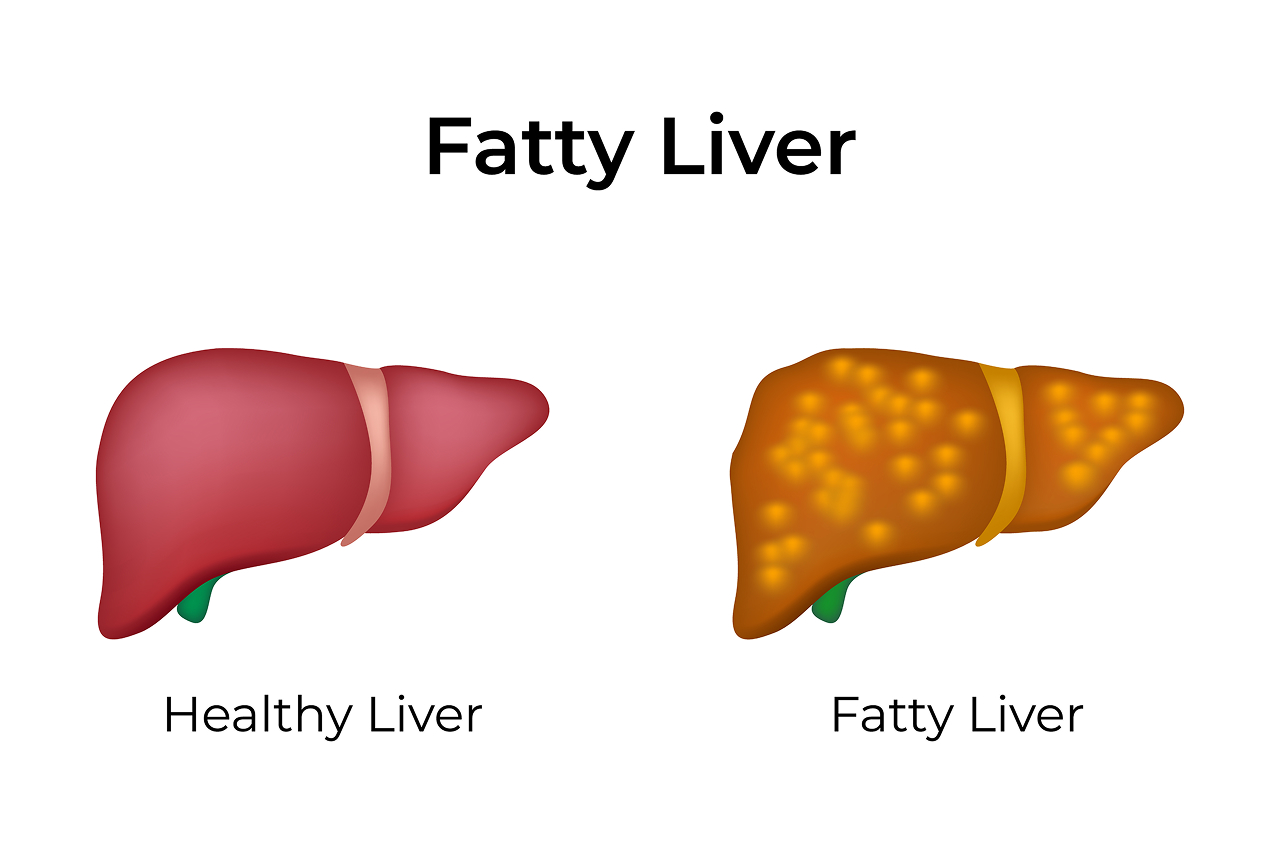
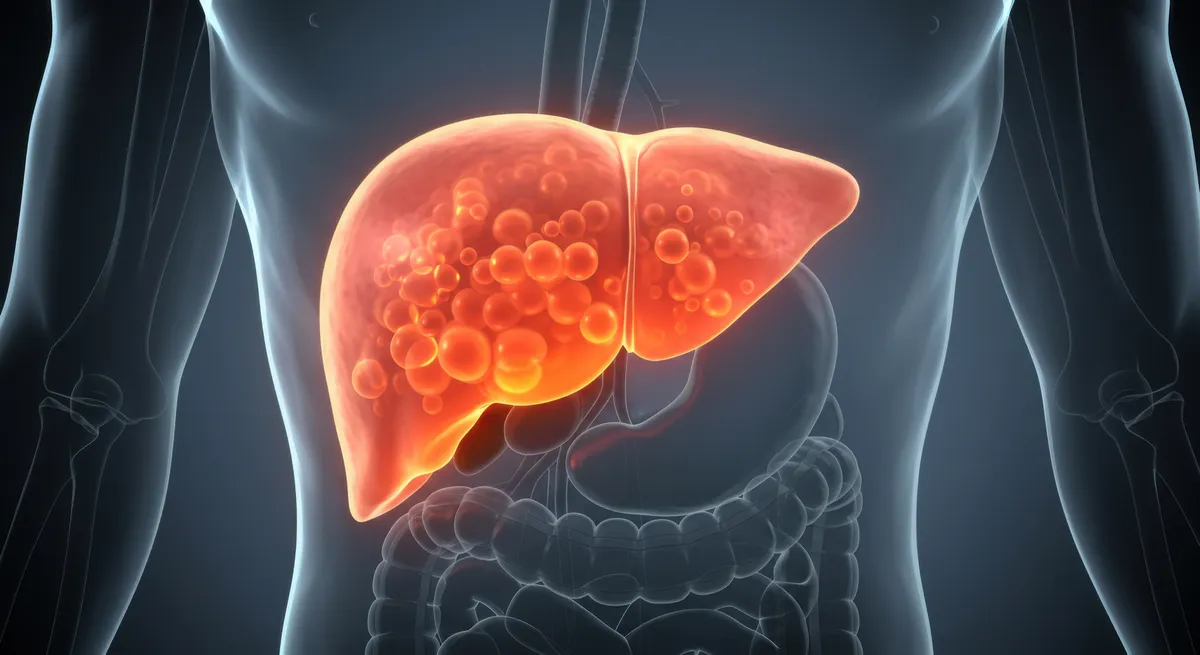
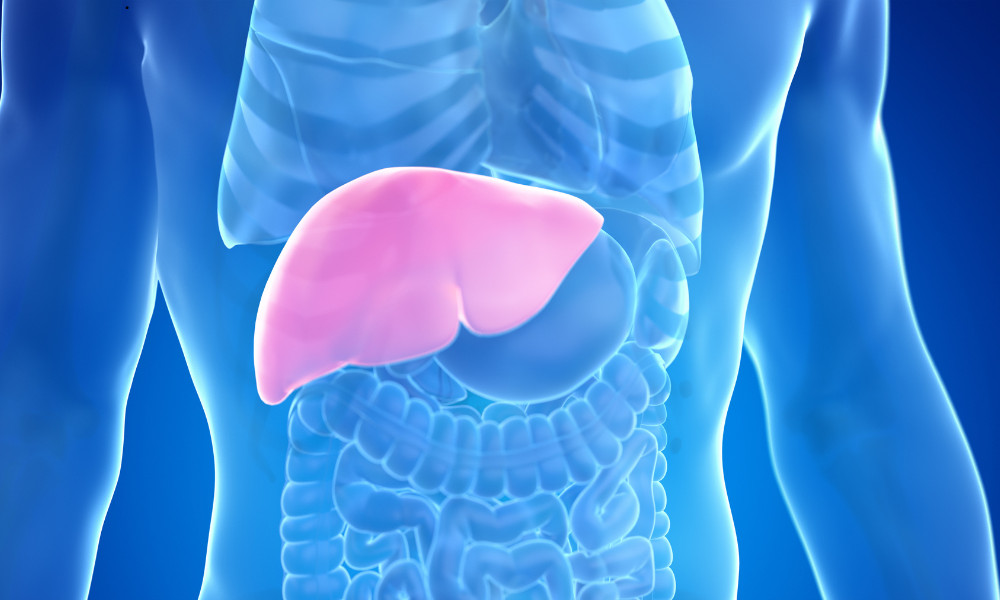
Before identifying specific physical symptoms, it is incredibly helpful to understand exactly how fat accumulation physically affects your internal organs. Fatty liver disease occurs when excess fat slowly accumulates and damages the liver's delicate tissues.
The liver is a massive, essential organ responsible for breaking down harmful toxins and safely producing bile for digestion. It meticulously filters everything you consume, keeping your entire bloodstream perfectly clean and balanced.
MASLD vs ALD
Metabolically Dysfunctional-Associated Steatotic Liver Disease (MASLD) is driven by underlying metabolic issues like excess weight. Conversely, Alcohol-Related Liver Disease (ALD) is caused directly by heavy, prolonged alcohol consumption.
The disease progresses slowly through four distinct stages. It begins with simple fat accumulation, progresses to active inflammation (MASH), and eventually leads to thick, permanent scar tissue medically known as cirrhosis.

Take Care of Your Liver Health at Every Stage With the Right Guidance
- A 30-min talk to discuss your condition
- Led by Dr Abbas, a fatty liver specialist
- Personalised treatment plans
Early and Mild Fatty Liver Symptoms
Because the liver has absolutely no pain receptors, the earliest warning signs are notoriously difficult to detect without a professional medical blood test. However, paying close attention to these early, subtle physical warning signs can successfully save your life.
The Asymptomatic Phase
In the earliest stage, known as simple steatosis, the vast majority of patients feel perfectly healthy. The disease is frequently discovered only by chance during routine medical blood tests that show elevated liver enzymes.
Severe Chronic Fatigue
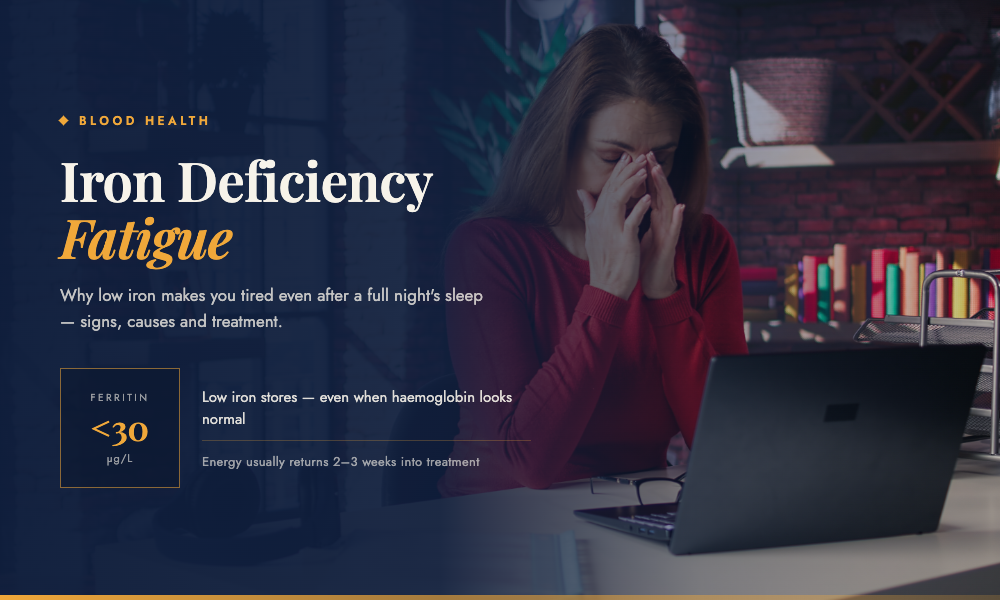
When liver cells become damaged, the body severely struggles to process energy efficiently. This directly leaves patients feeling constantly exhausted, deeply drained, and physically struggling to complete even basic daily tasks.
Vague Abdominal Discomfort
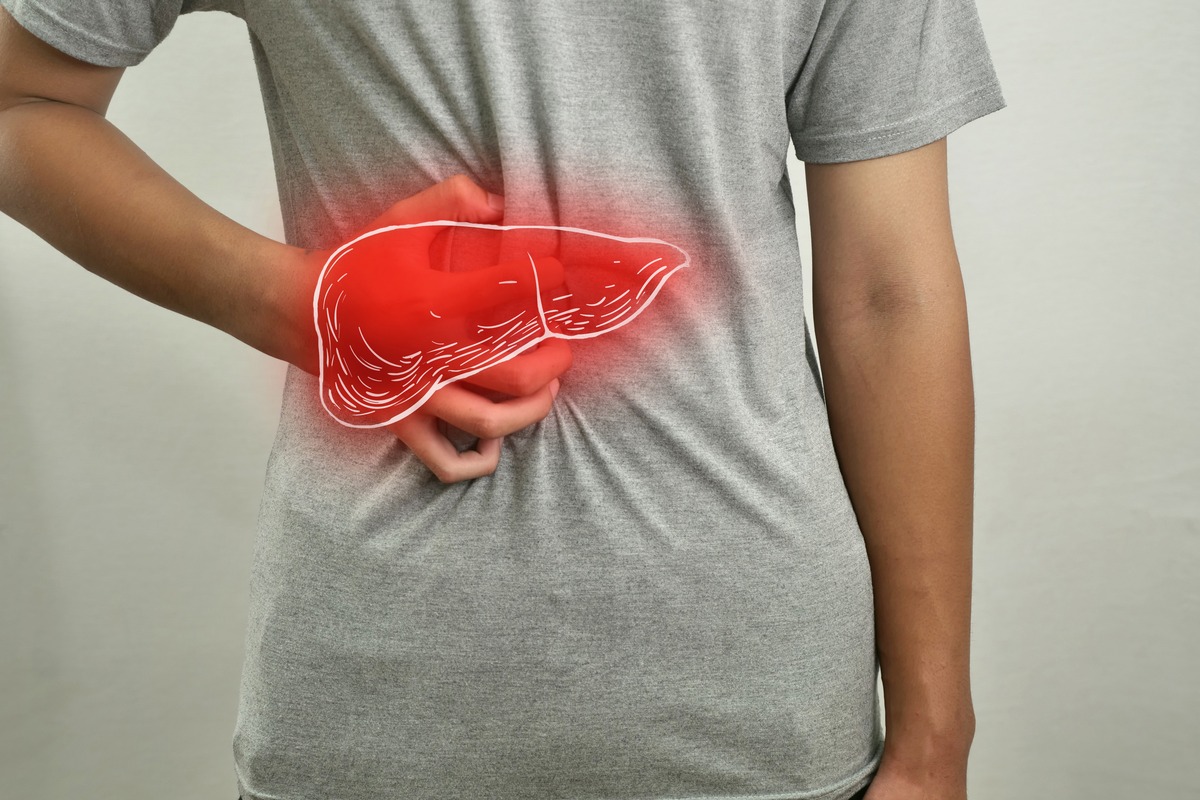
As the liver swells with excess fat and heavy inflammation, it stretches its outer protective capsule. This physical stretching causes a dull, persistent ache or feeling of fullness in the upper right side of the abdomen.
Mild Nausea and Appetite Loss
Digestive discomfort frequently occurs when a fatty liver severely struggles with normal bile production. Patients often experience sudden bouts of mild nausea and a highly frustrating, unexplained loss of appetite.
Brain Fog and Confusion
Toxin buildup from impaired liver function directly affects mental clarity. Patients frequently report experiencing deep brain fog, sudden forgetfulness, and severe difficulty focusing on simple daily tasks.
Physical and Dermatological Warning Signs
As liver function slowly decreases, the body severely struggles to safely process toxins and regulate insulin levels. This internal metabolic stress frequently manifests as highly visible, distressing changes on the skin and body.
Acanthosis Nigricans (Dark Patches)
Patients may suddenly develop dark, velvety patches of skin around their neck, armpits, or elbows. This skin change, called acanthosis nigricans, strongly indicates severe insulin resistance, a common companion of the disease.
Unexplained Weight Gain
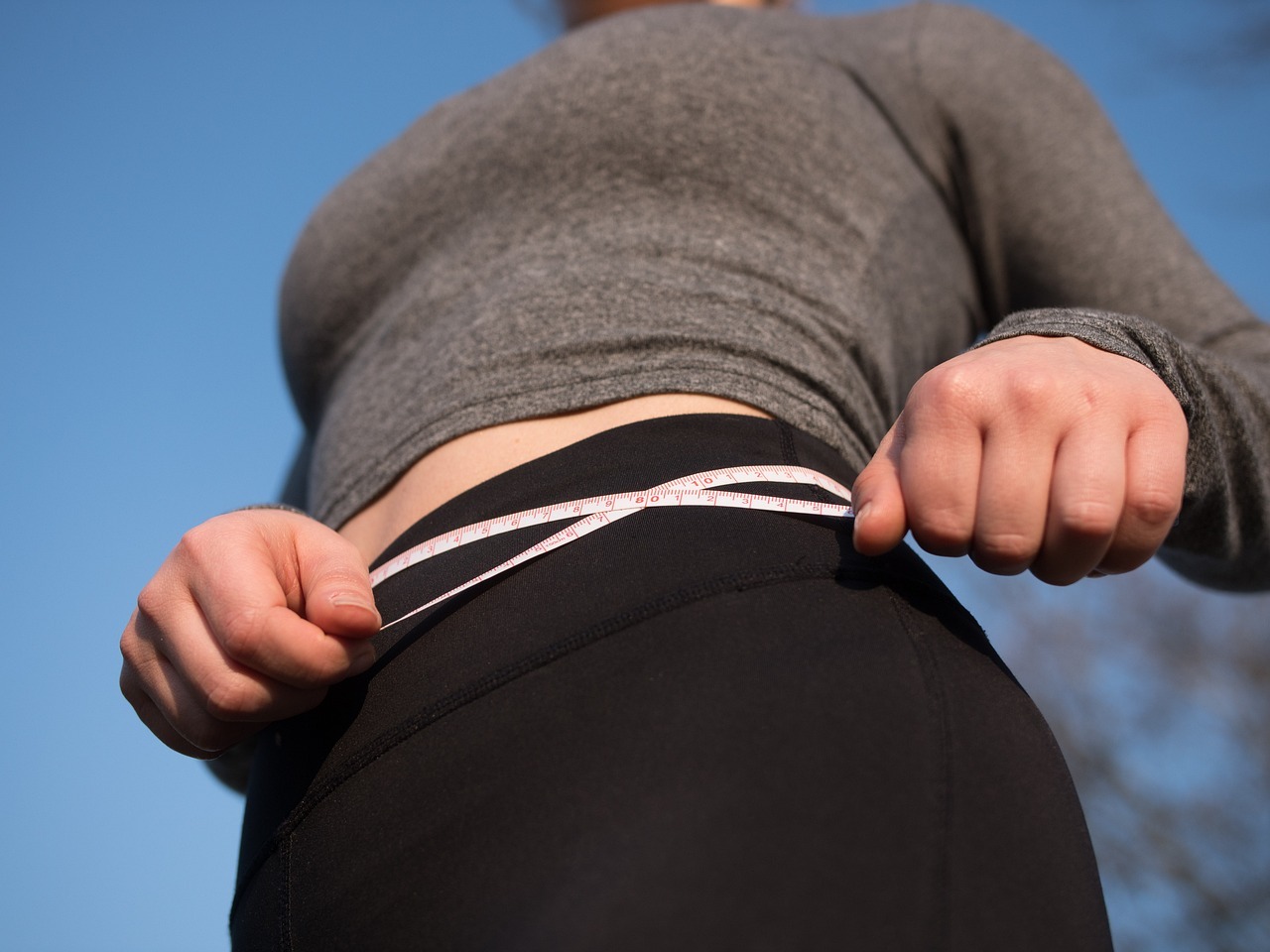
Sudden weight gain, especially around the abdomen, can be a major warning sign. This stubbornly trapped belly fat strongly suggests underlying liver function issues and severe metabolic disturbances.
Spider-Like Blood Vessels
As the liver struggles to safely process hormones and filter blood, small blood vessels can dangerously enlarge. This causes noticeable, spider-like blood vessels to appear just beneath the skin's surface.
Itchy and Irritated Skin
When bile salts accumulate unnaturally in the bloodstream due to poor liver function, it strongly affects the skin. This causes patients to experience extremely itchy, deeply irritated skin that is highly frustrating to manage.
Facing Distressing Symptoms? Treat Fatigue and Abdominal Pain
- Advanced methods to build your specific plan
- Comprehensive diagnostic blood panel tests
- Expert cirrhosis complication management
Advanced Symptoms of Liver Cirrhosis
If fatty liver disease silently progresses to heavy, permanent scarring (cirrhosis), the organ begins to fail completely. This highly dangerous stage triggers severe, life-threatening symptoms that strictly require immediate emergency medical care.
Jaundice (Yellowing Skin)
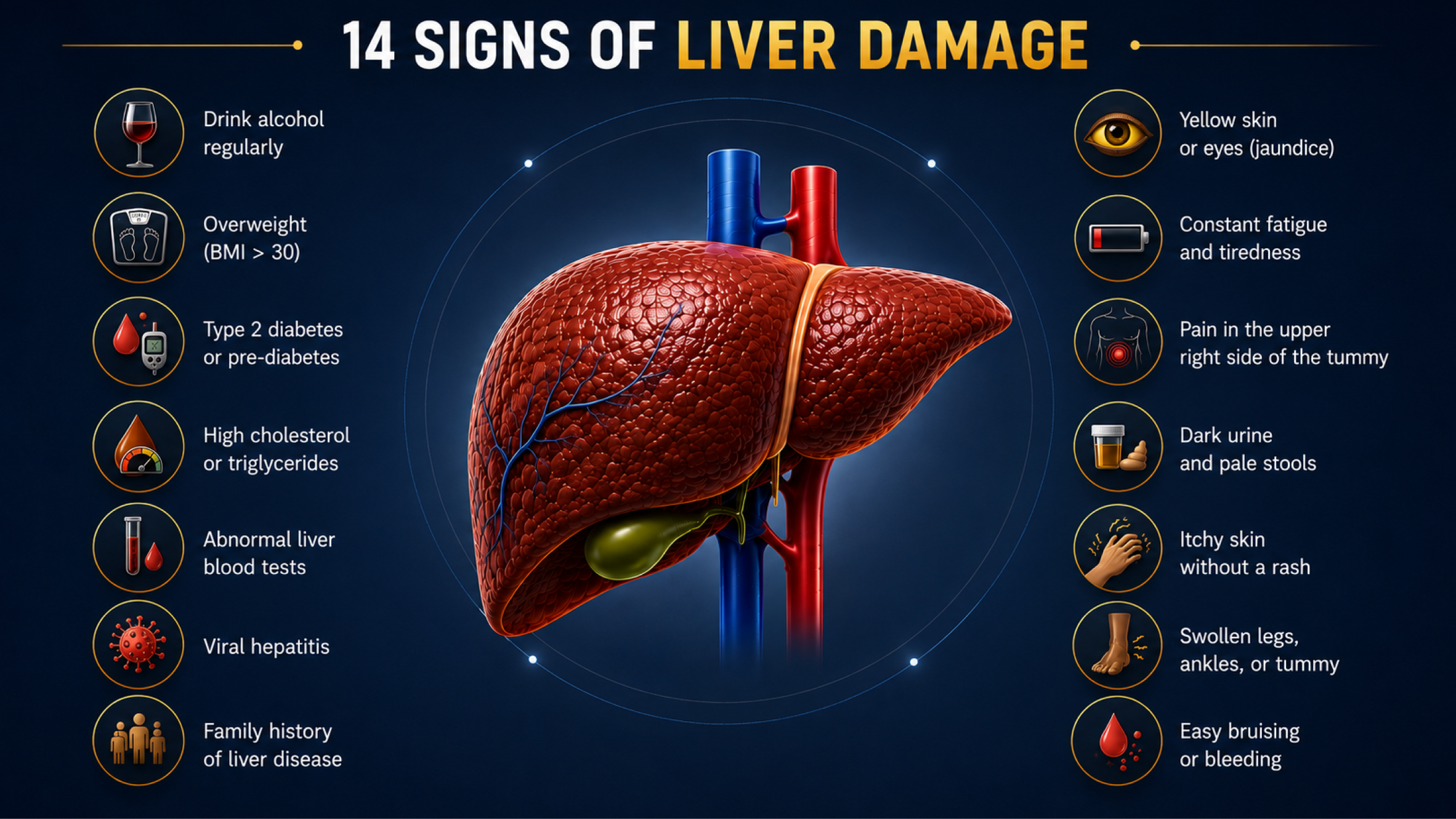
A failing liver cannot safely clear bilirubin from the bloodstream. This toxic buildup causes the skin and whites of the eyes to turn visibly yellow, a highly concerning indicator of advanced liver disease.
Ascites and Severe Oedema
Advanced scarring severely increases blood pressure inside the liver, a condition medically called portal hypertension. This dangerous pressure forces massive amounts of fluid to safely leak into the abdomen (ascites) and severely swell the legs.
Easy Bruising and Bleeding
A severely damaged liver completely stops producing the essential proteins needed for healthy blood clotting. This makes patients bruise incredibly easily and suffer from frequent, heavy nosebleeds or dangerous internal bleeding.
Changes in Urine and Stool Colour
Alterations in bathroom habits often signify severe liver dysfunction. Dark urine results from excess bilirubin, while noticeably pale or black stools indicate a severe deficiency of bile production.
Identifying the Hidden Root Causes
Understand exactly what causes fat before you consider a treatment. While alcohol is a known toxin, the most common triggers are heavily linked to your overall metabolic health. Some major causes are:
1. Metabolic Syndrome Triggers
You are significantly more at risk if you experience these primary metabolic triggers:
- Excess Body Weight: Carrying a large amount of visceral fat around your middle directly stresses the liver.
- Type 2 Diabetes: Severe insulin resistance causes toxic fat to rapidly build up inside liver cells.
- High Cholesterol: High levels of circulating triglycerides strongly drive excess liver fat production.
2. The Harmful Impact of Alcohol
Alcohol acts as a direct, highly harmful toxin inside the delicate human body. When consumed heavily over the years, it forces the liver to work overtime. This results in toxic byproducts that lead to severe internal swelling.
3. Age and Genetic Factors
The condition is significantly more common in individuals over the age of 50. Furthermore, having specific family genetics makes certain patients naturally much more susceptible to developing the disease, even without being overweight.
Expert Medical Diagnosis
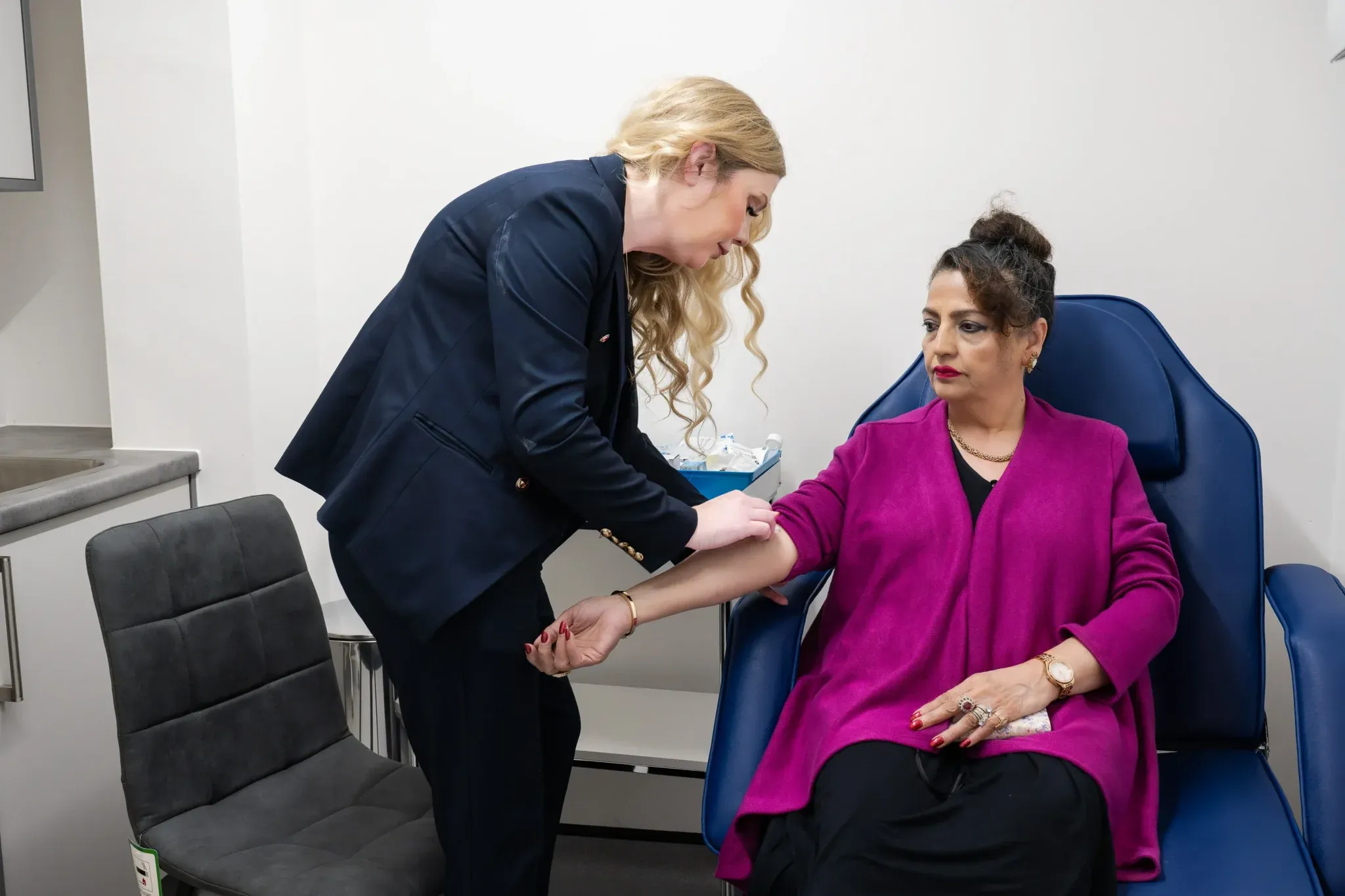
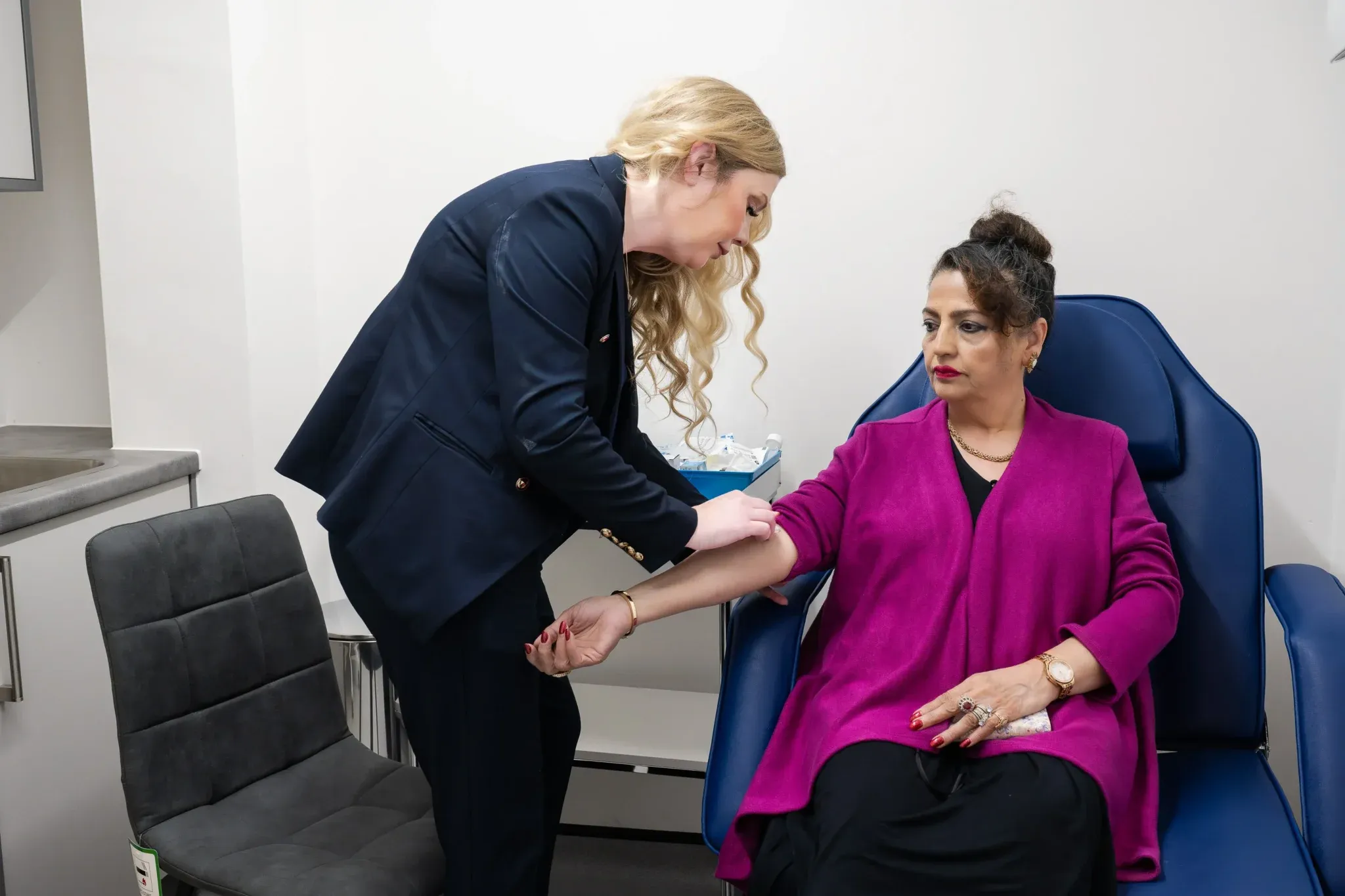
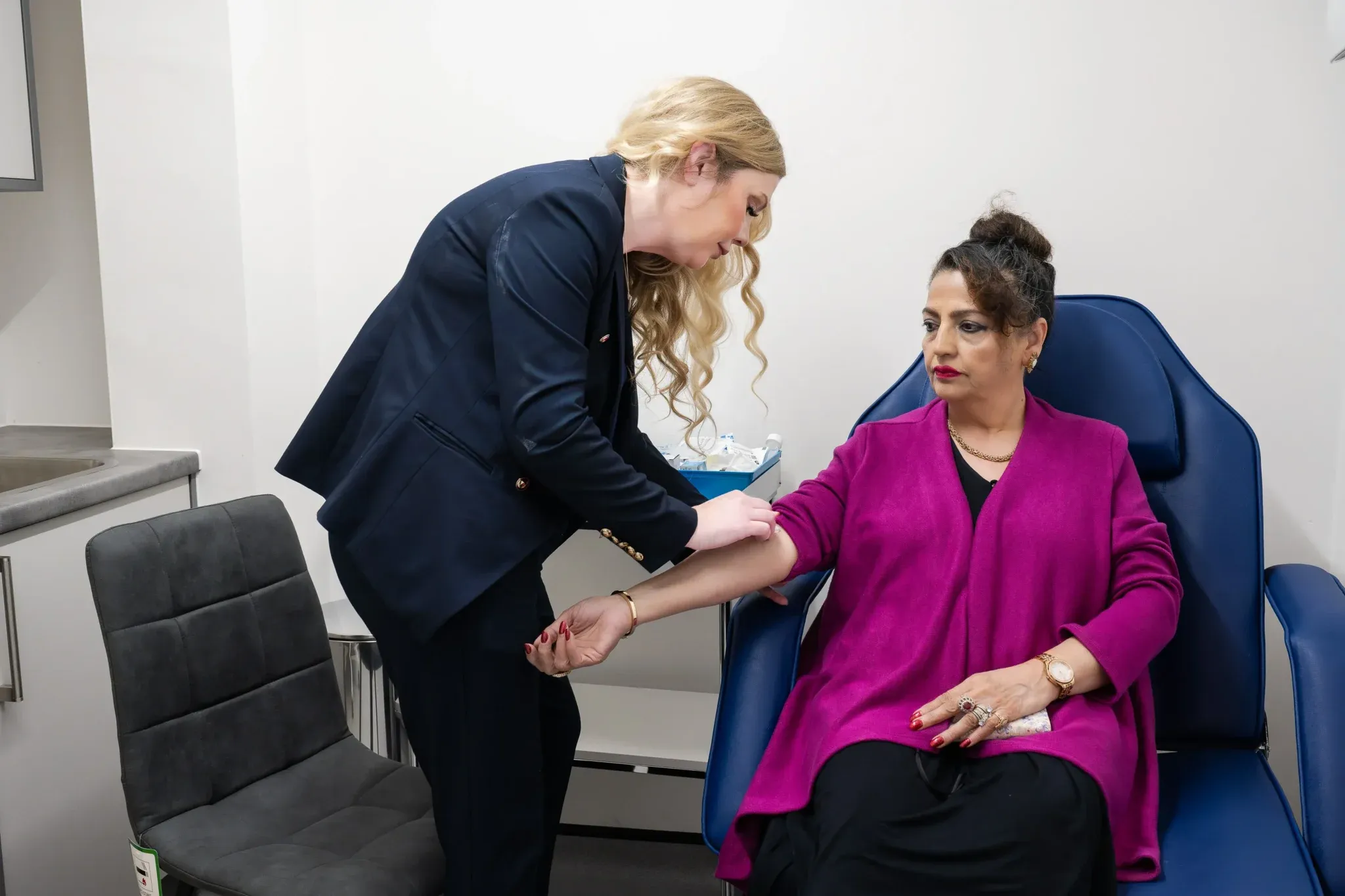
Fatty liver symptoms can easily mimic other common illnesses. This makes it important to get a highly accurate medical diagnosis. Here's how trusted clinics perform advanced processes:
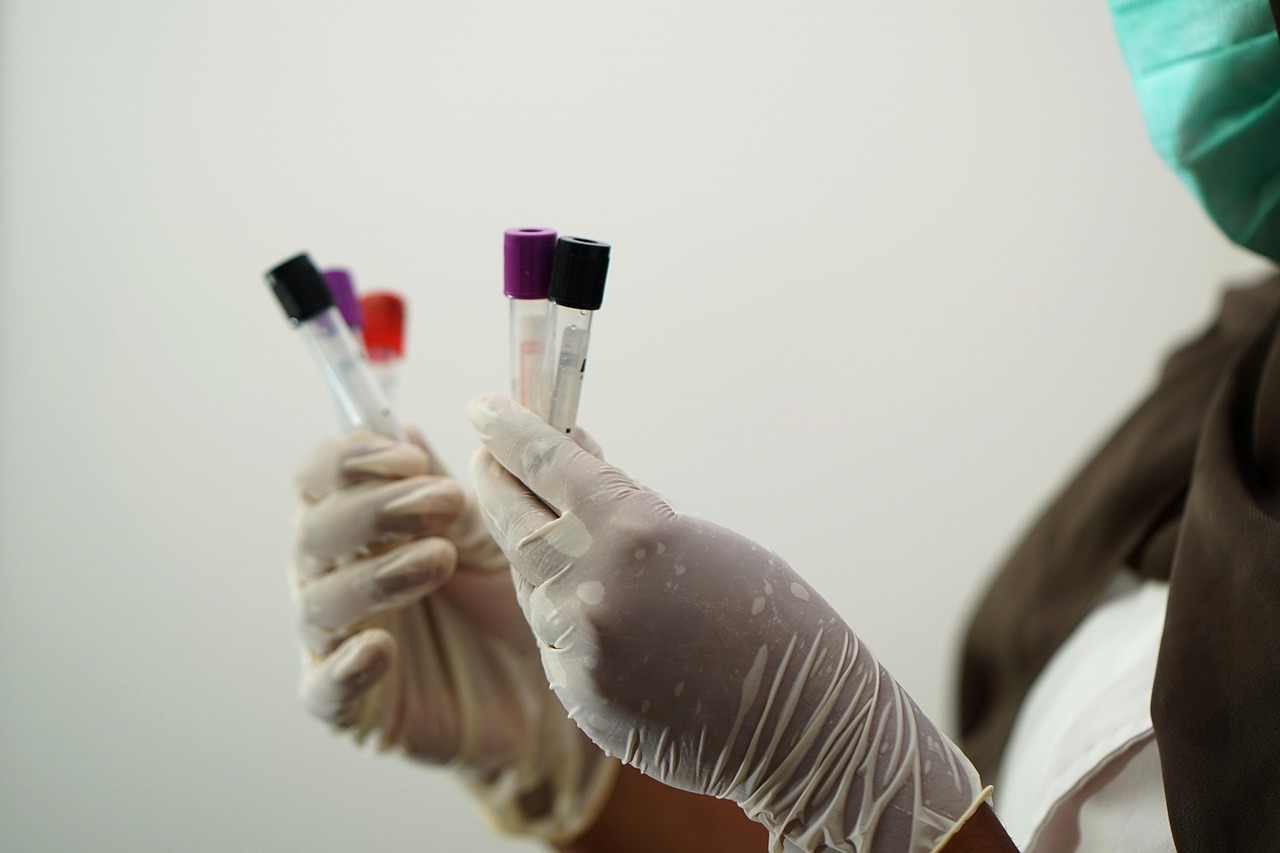
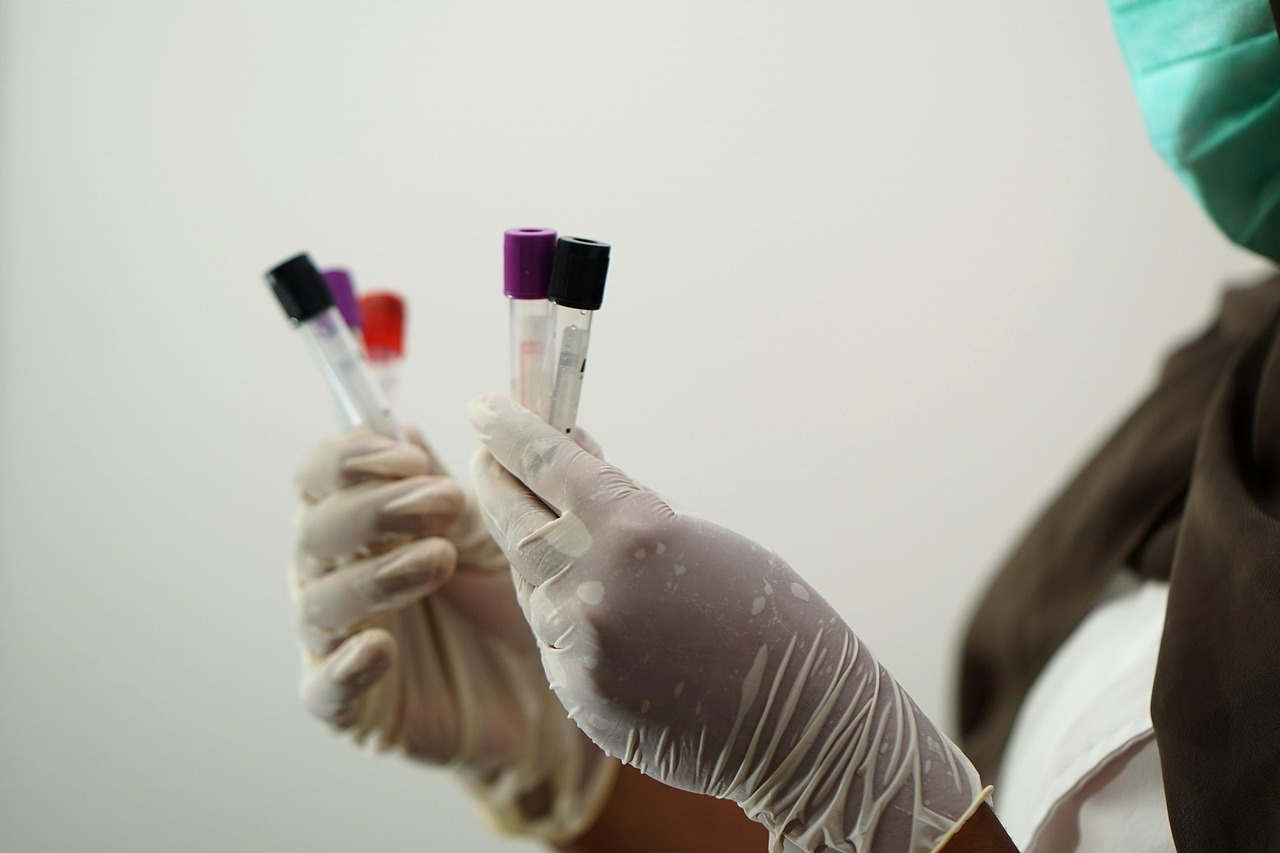
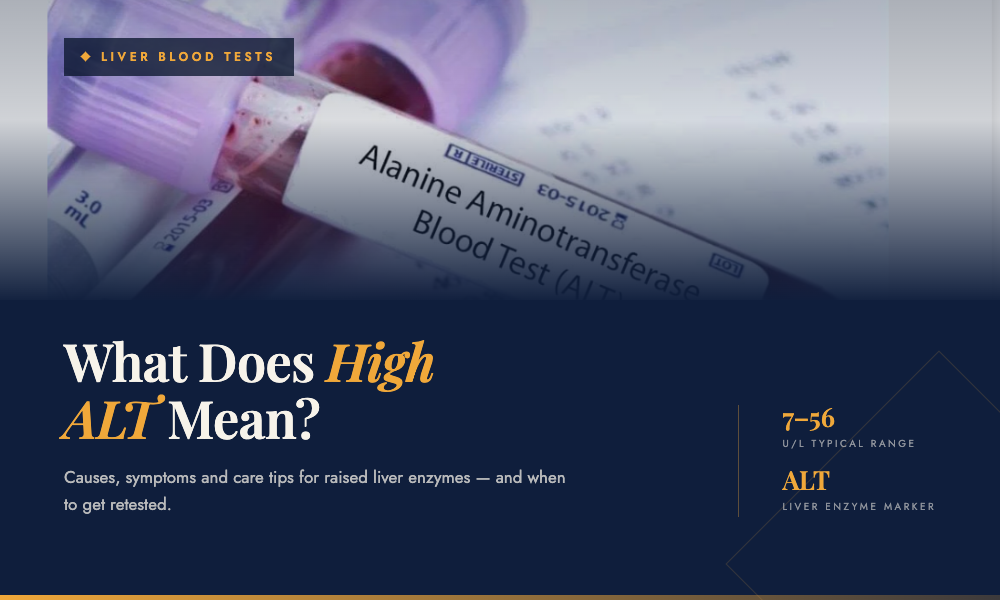
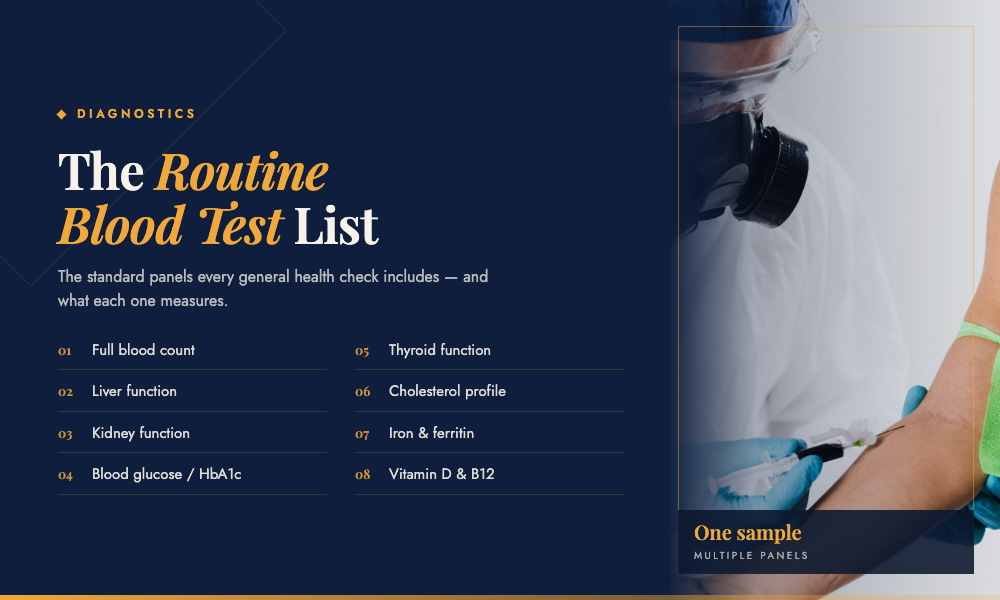
- Comprehensive Blood Panels: Blood tests are performed to detect elevated liver enzymes. Your cholesterol levels, triglycerides, and blood sugar are monitored to assess your overall metabolic health.
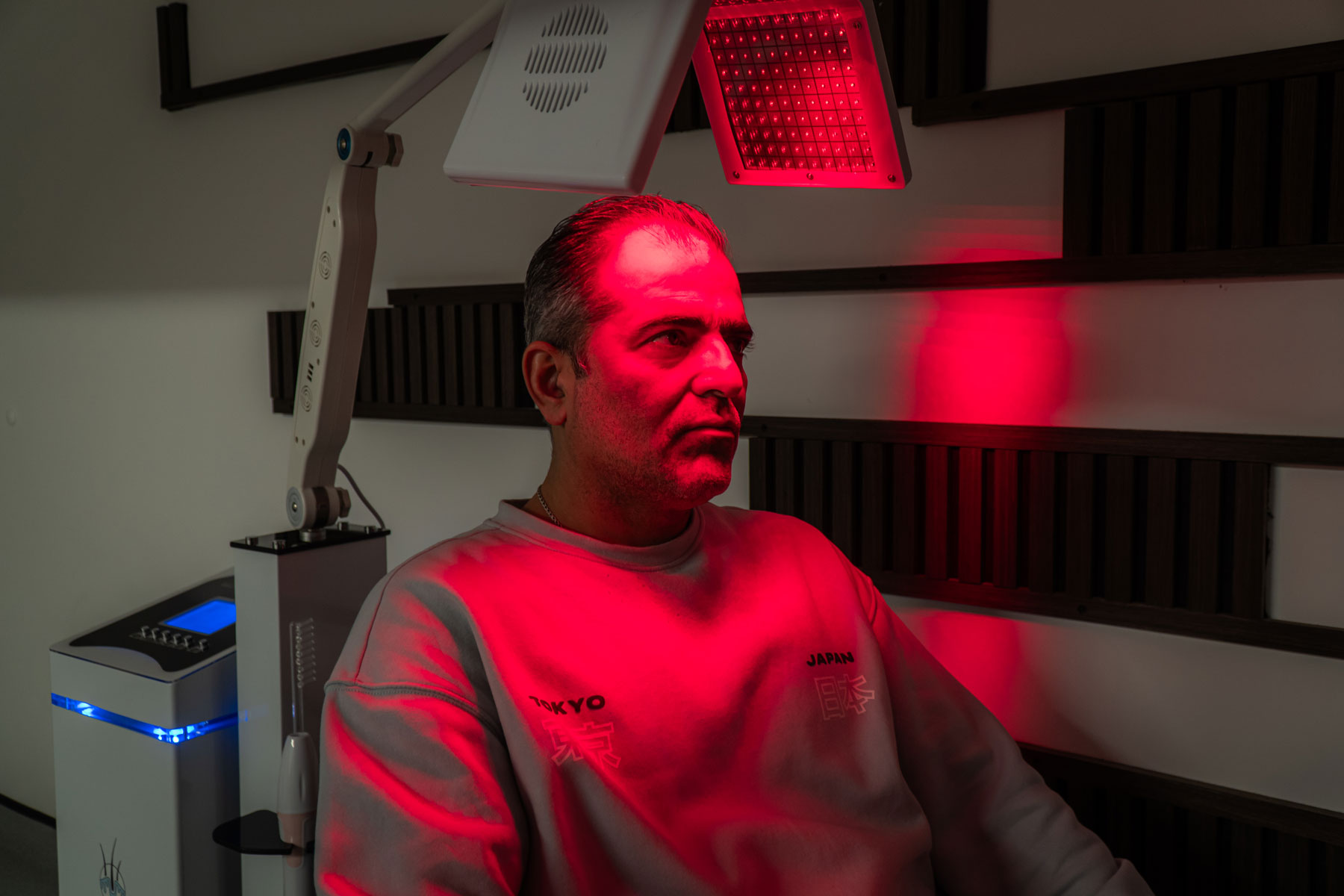
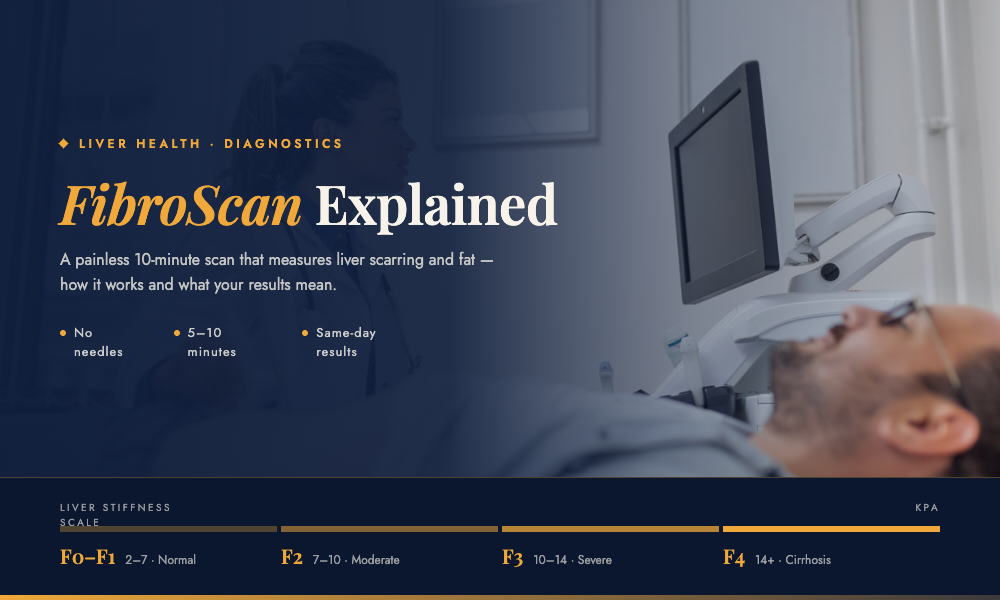
- Painless FibroScan Technology: A high-tech FibroScan replaces painful liver biopsies. This advanced ultrasound tool accurately measures liver scarring and fat levels in just a few quick minutes.
Essential Lifestyle and Diet Changes
Once physical warning signs appear, taking immediate control should be your first step to preventing irreversible cirrhosis. Transitioning to a highly nutritious, liver-friendly diet to treat liver symptoms early:
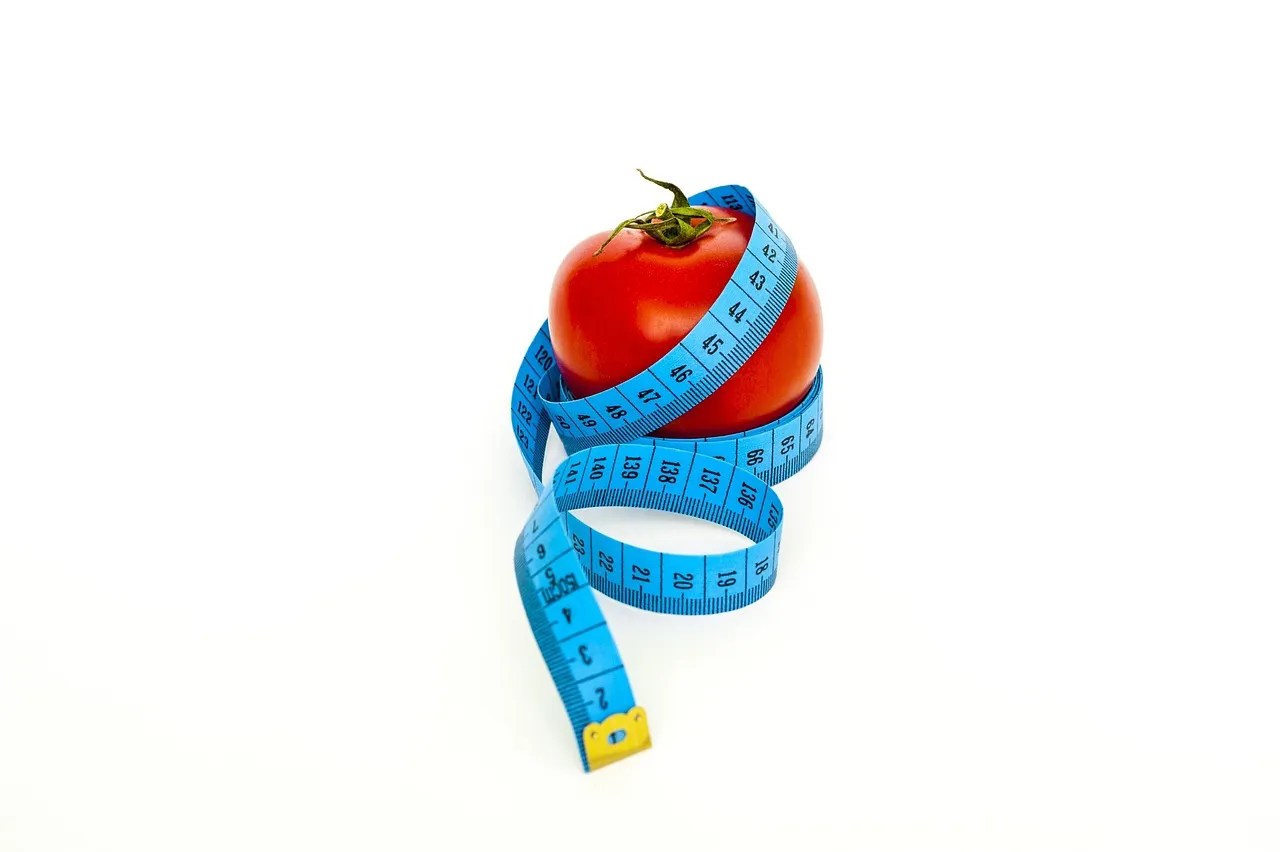
- Safe and Gradual Weight Loss: Losing just 7% to 10% of your total body weight drastically reduces trapped liver fat and internal inflammation. However, avoid extreme crash diets and aim instead for a safe, gradual loss of 1 to 2 pounds per week.
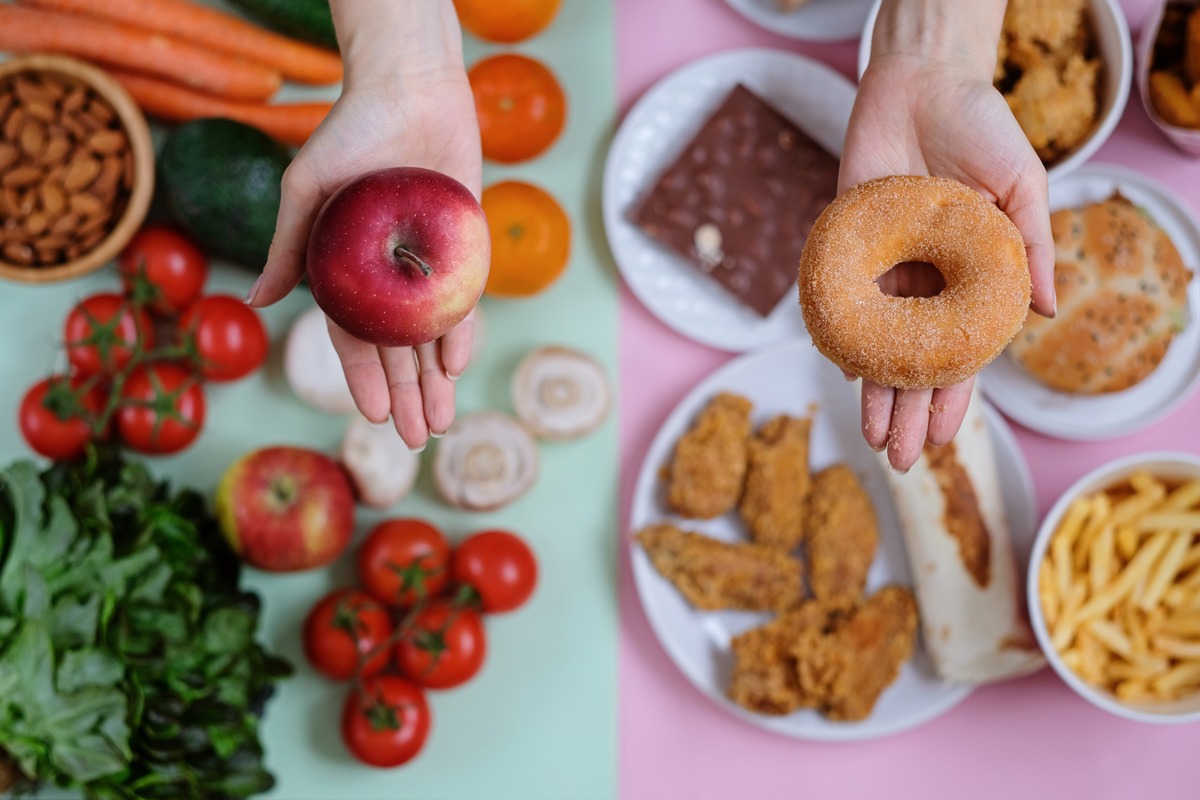
- Adopt the Mediterranean Diet: Medical experts widely consider this the ultimate liver-healing diet. It focuses heavily on healthy fats like extra-virgin olive oil, lean proteins like salmon, and complex carbohydrates, while strictly eliminating sugary, fizzy drinks.
- Complete Alcohol Abstinence: Even if your condition is driven entirely by metabolic issues, alcohol acts as a harsh, unnecessary toxin. Completely stopping alcohol consumption removes severe stress, giving the delicate organ the best possible environment to heal itself safely.
The Conclusion
Understanding early fatty liver symptoms helps you maintain control of your health and reverse early organ damage. Keep an eye out for early warning signs such as severe fatigue and dull abdominal aches. Meanwhile, advanced symptoms like jaundice and ascites indicate a critical medical emergency.
Treating metabolic liver conditions requires deep clinical expertise. The dedicated professionals provide highly advanced, PhD-level care through their specialist Liver Clinic in Birmingham, helping you easily access the exact diagnostic testing and tailored clinical treatments you need to enjoy a perfectly healthy life.
Frequently Asked Questions
1. What are the first signs of a fatty liver?
Early signs are often incredibly subtle, frequently presenting as severe daily fatigue, a dull ache in the upper right abdomen, sudden nausea, and an unexplained loss of appetite.
2. How does a fatty liver make you feel?
While many feel perfectly fine initially, as inflammation grows, patients often feel constantly exhausted, deeply drained, and physically struggle to complete even basic daily tasks.
3. Is fatty liver 100% curable?
Yes. In its early to moderate stages, the condition is highly reversible. However, if the disease silently progresses to heavy, permanent scarring (cirrhosis), the physical damage cannot be undone.
4. What not to eat with a fatty liver?
You should strictly avoid foods heavily loaded with refined carbohydrates and high-fructose corn syrup, such as sugary fizzy drinks, highly processed sweets, and foods high in trans fats.