
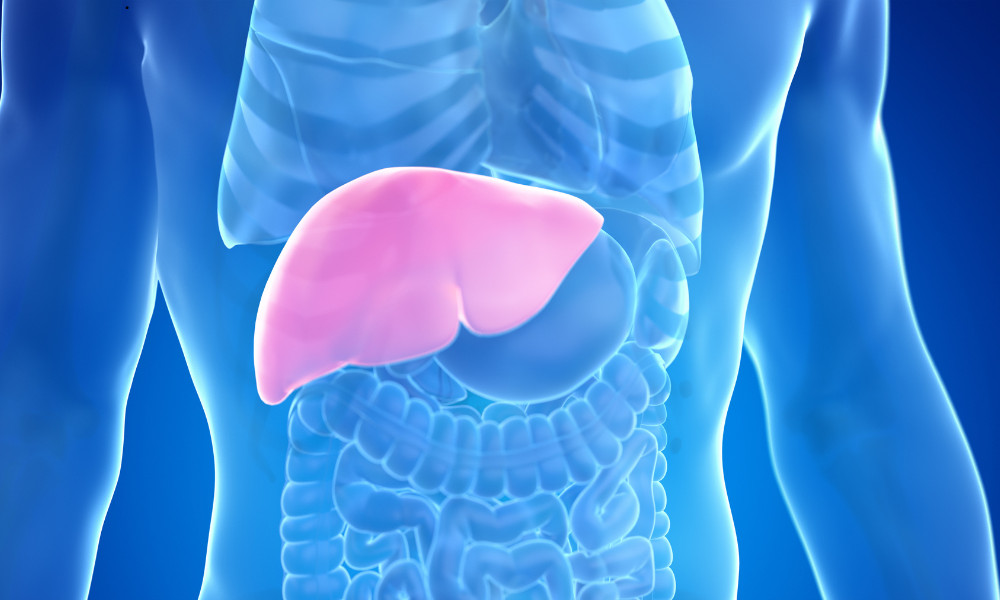
Yes, you can reverse much of the liver damage. But not all of it. Two things matter most: One, what caused it. Two, how soon a doctor finds it. Catch it early, and your liver can often heal itself.
Leave it too long, and the scars stay for good. Doctors call that cirrhosis. This guide shows you how to reverse liver damage, step by step.
Key Takeaways
- Your liver can heal itself. But only if you stop the cause.
- Early hepatitis, mild alcohol damage, and fatty liver can often heal.
- Cirrhosis is the late stage. You cannot undo it. But you can stop more damage.
- The sooner you catch it, the better your chances.
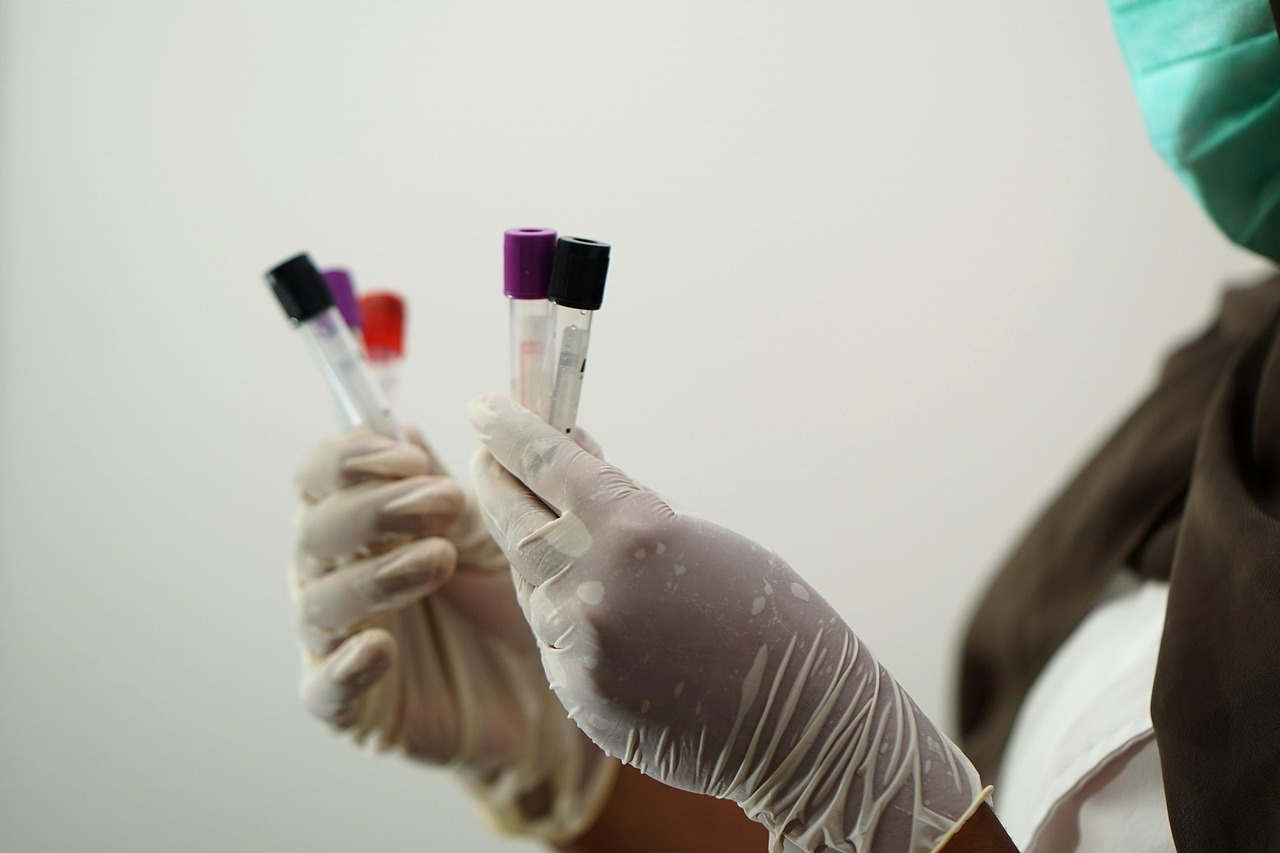
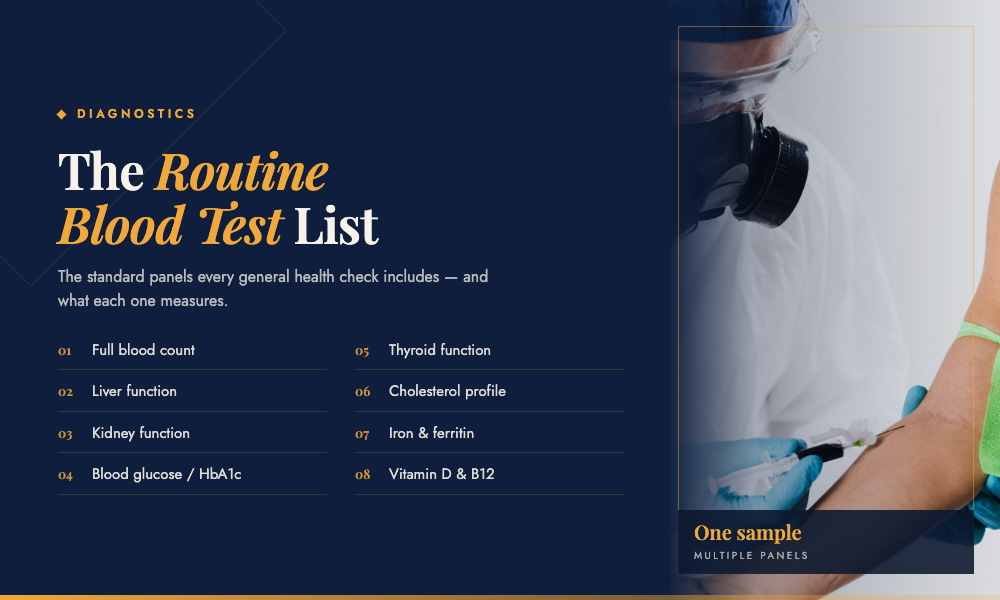
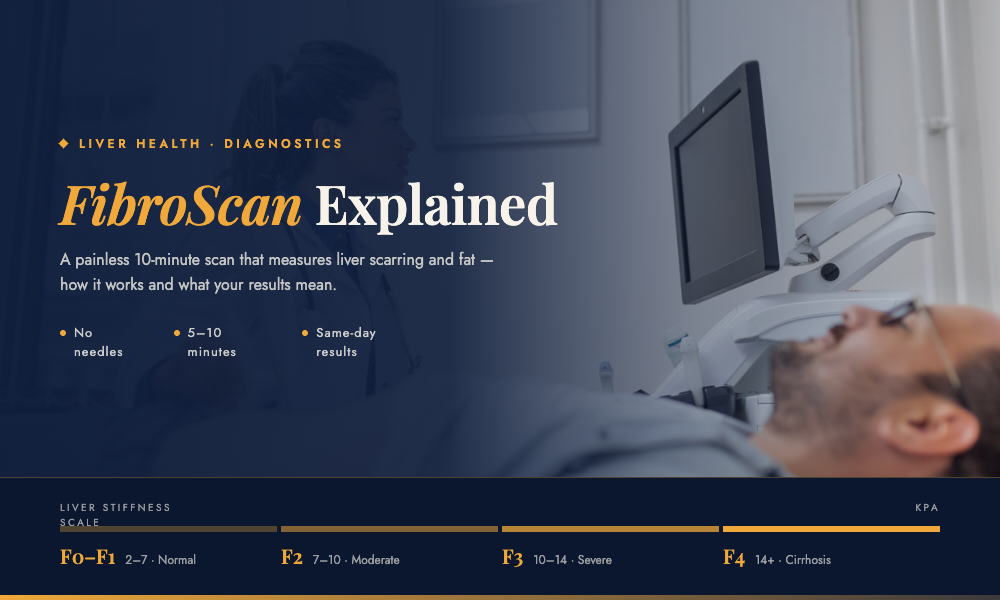
- A blood test and a FibroScan can spot damage before you feel ill.
Can the Liver Repair Itself?
Yes. The liver is the only organ that can grow back its own tissue. It swaps old, damaged cells for fresh ones. So once you stop the harm, it often heals.
But it has limits. Every day, your liver has to perform hundreds of tasks. It helps break down meals, stores energy, and purifies your blood. Push it too hard for too long, and it cannot keep up. That is when real damage starts.
Is Liver Damage Permanent?
Not always. It depends on how far it has gone. Doctors split it into four stages. Each one is different.
- Inflammation (hepatitis) — your liver is swollen and sore. At this stage, it can fully heal.
- Fibrosis — a little scar tissue forms. You can still undo it if you act fast.
- Cirrhosis — the scar tissue is now thick and hard. This will not heal. But you can stop more damage.
- Liver failure — your liver can no longer do its job. This is serious. You need care right away.
How Can Liver Damage Be Repaired?
To treat liver damage, doctors address the underlying cause. Remove the cause, and the liver can start to heal. The right plan depends on what hurt your liver.
- Too much alcohol? Cut it out. Mild alcohol-related liver disease can heal in a few months.
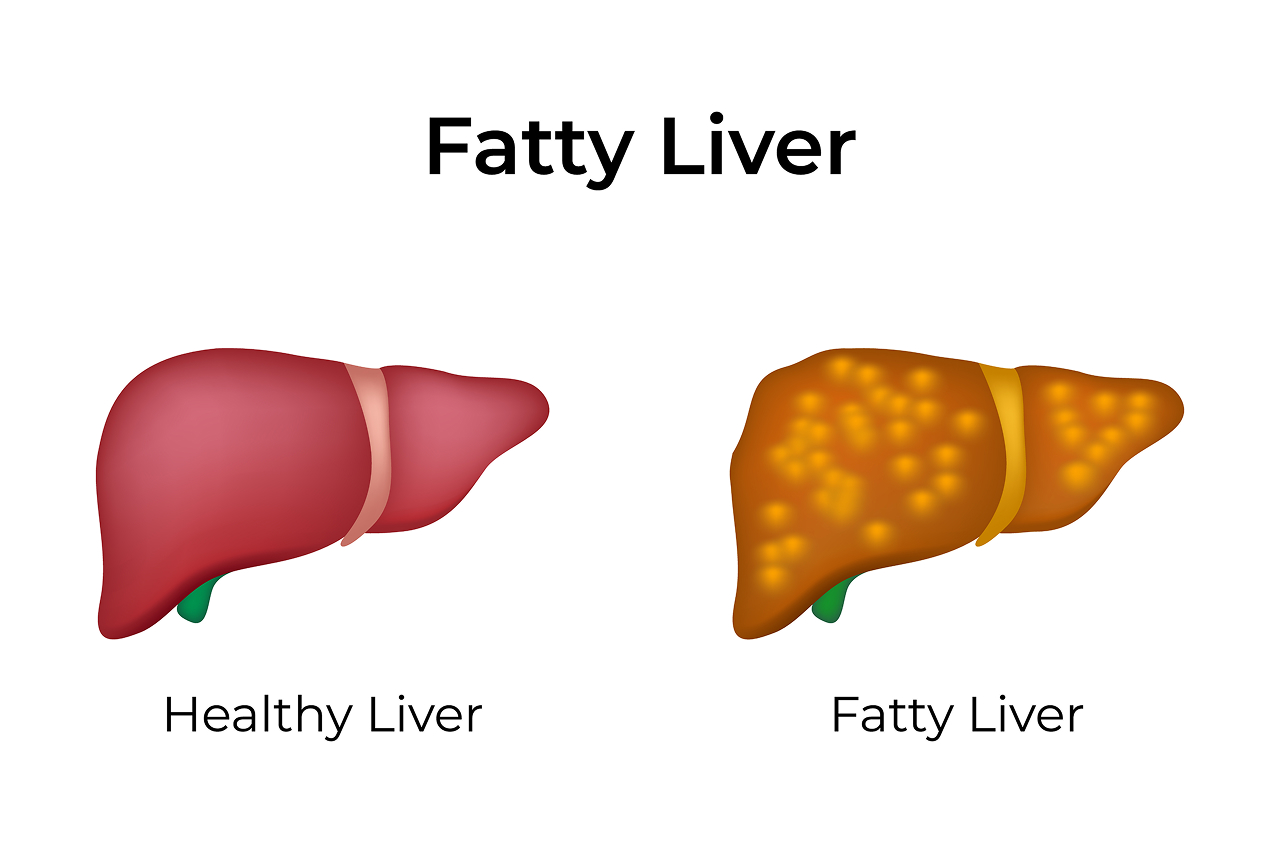
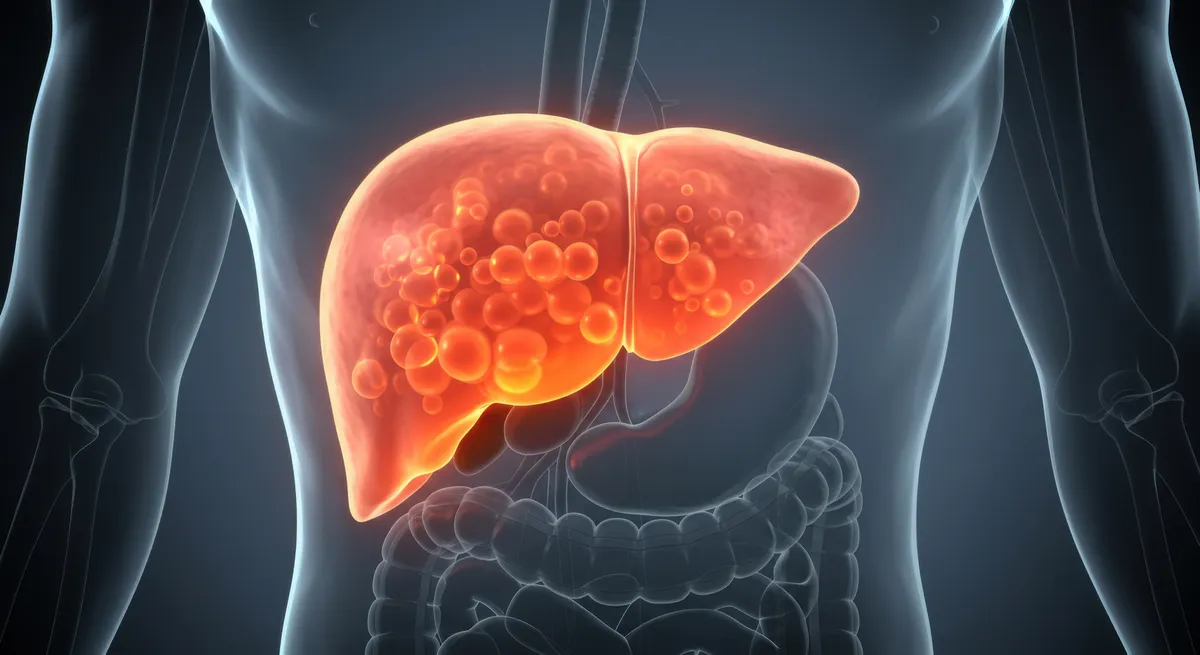
- Fatty liver (MASLD)? Eat healthily, exercise more, and shed a few pounds. Early fatty liver often clears this way.
- Viral hepatitis? The right medicine can clear Hepatitis B or Hepatitis C and protect your liver.
- An autoimmune cause? Medications calm your immune system and lessen the damage from conditions like autoimmune hepatitis.
- A medicine that hurt your liver? Stop it, with your doctor's okay. Most people fully recover.
Skip the detox fads. No drink, pill, or cleanse will undo real liver damage. That is a myth.

Worried Your Liver Damage Might Be Permanent?
- A quick, painless check shows exactly how your liver is doing
- Find out whether you can still turn things around
Which Liver Conditions Are Reversible?
Is liver disease reversible? Some of it, yes. You need to catch it early.
- Often reversible — early fatty liver, modest alcohol damage, medication side effects, and rapid (acute) hepatitis are frequently curable.
- Sometimes reversible — some scar tissue (fibrosis), if you act fast.
- Not reversible — cirrhosis and liver failure. Even so, good care can slow the progression of the damage and protect the rest of your liver.
How Long Does Liver Recovery Take?
There is no set time. It depends on the cause, the stage, and your general health. As a rough guide:
- Alcohol-related fatty liver — a few weeks to a few months, once you stop alcohol.
- Mild alcoholic hepatitis — often better within months, if you stay off alcohol for good.
- Fatty liver — slow and steady over a few months, as the weight comes off.
- Drug-related injury — usually a few weeks to a few months.
Recovery can feel slow. You may still feel tired or unwell even when your tests look better. That is normal. Be patient.
Not Sure How Bad Your Liver Damage Is?
- 60-minute, consultant-led Liver MOT with a full blood test and FibroScan
- Same-day results, explained in person
- Personalised plan from a Consultant Hepatologist
When Should You Get Your Liver Checked?
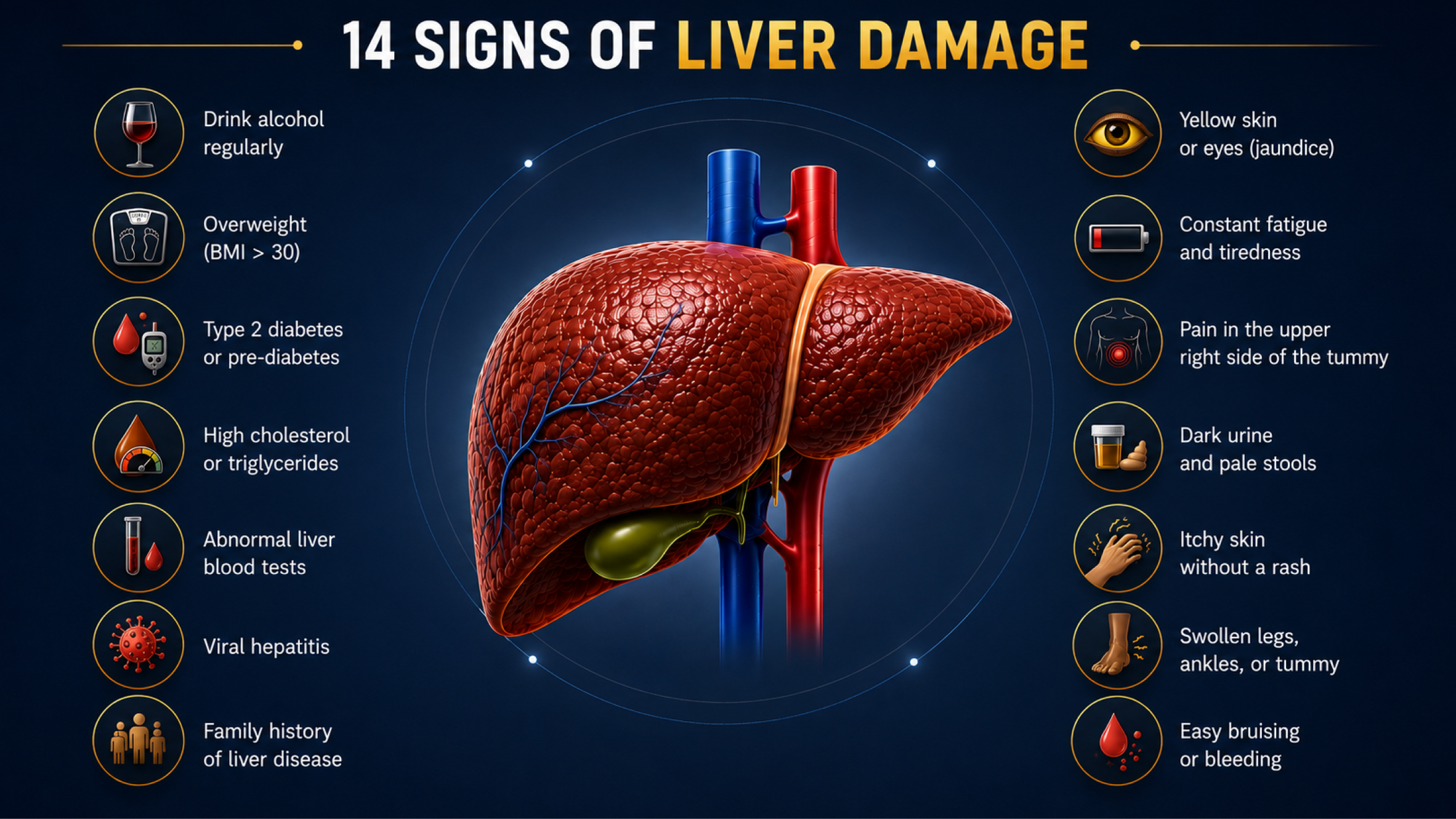
Here is the hard part. Early liver damage has no symptoms. You feel fine while it builds up. So do not wait to feel ill. Get checked if you:
- Drink alcohol often, or more than the limits
- Have a BMI over 30, or carry weight around your middle
- Have Type 2 diabetes or high cholesterol
- Have liver disease in the family
- Take medicines that can affect the liver
Some signs need a doctor straight away. Get seen if you notice:
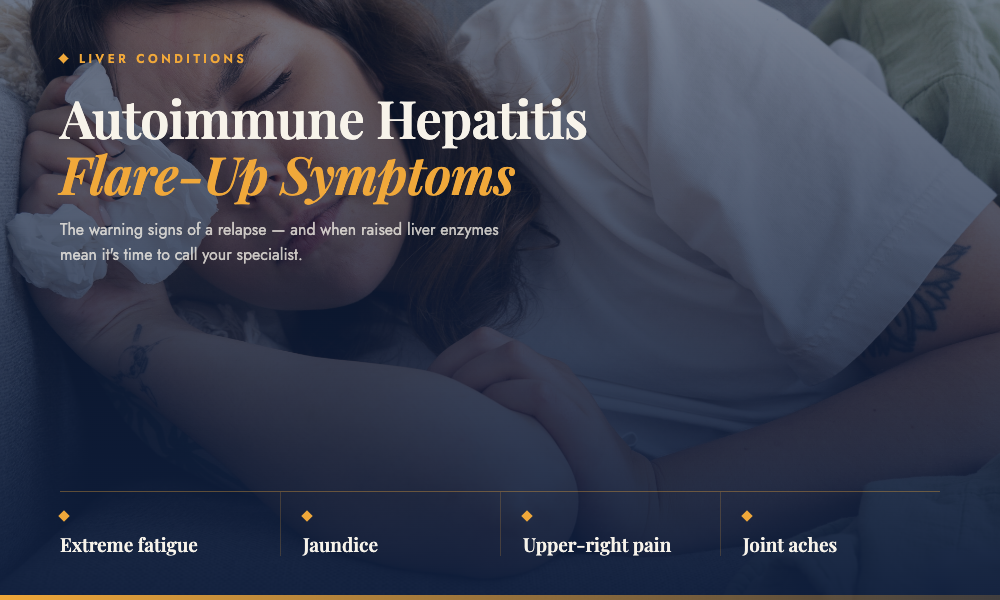
- Yellow skin or eyes (jaundice)
- A swollen tummy or swollen legs
- Dark urine or pale stools
- Constant tiredness, or confusion
- You bruise or bleed easily
Conclusion: So, Can Liver Disease Be Cured?
If you catch it early, the answer is often yes. Your liver can heal itself if the cause is stopped in time. But once you have cirrhosis, a full cure is not likely. Even so, good care can keep you well for years.
The first step is simple. Find out how your liver is doing today. Do not wait for symptoms. If you want to know how to reverse liver damage in your case, you need a clear diagnosis first. The Liver MOT at House of Health in central Birmingham gives you a consultant-led check, same-day results, and a personalised plan from Dr Nadir Abbas, a Consultant Hepatologist & Gastroenterologist with a PhD in Liver Diseases.
Frequently Asked Questions
What are the 4 warning signs of a damaged liver?
The main four are yellow skin or eyes (jaundice), a swollen tummy, constant tiredness, and dark urine or pale stools. See a doctor if any of these show up.
What are the first signs of liver damage?
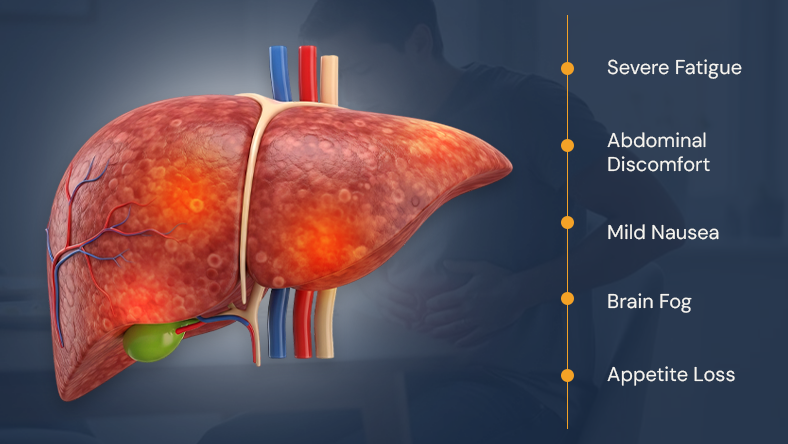
Often there are none. When signs do appear, they are usually tiredness, mild pain on the upper right side, or nausea. Many people feel fine until late.
What foods help repair the liver?
A balanced diet helps most. Eat plenty of vegetables, fruit, whole grains, lean protein, and oily fish. Cut back on sugar, salt, alcohol, and processed food.
What are the signs your liver is healing?
You may feel less tired and look less yellow. Your blood test results often get better too. A doctor can confirm real progress with a scan or blood test.
Can cirrhosis be cured?
No. Cirrhosis cannot be cured. The scar tissue stays for good. But good care can stop further damage and keep you well for years.
What is the life expectancy with liver disease?
It depends on the type and stage. Many people with early liver disease live a full life. Even with cirrhosis, good care can mean many more years.