
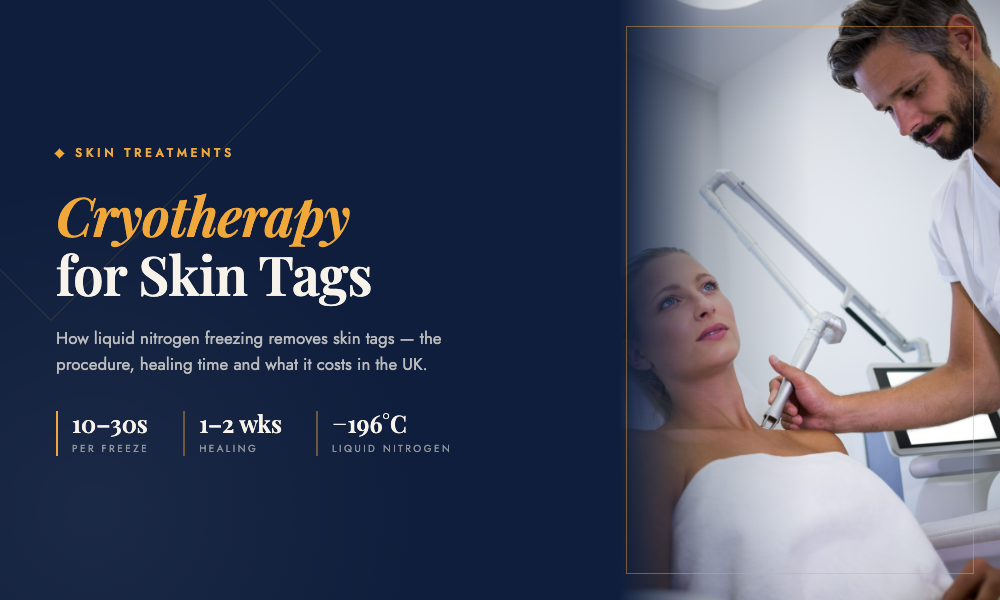
Cryotherapy for skin tags is a quick treatment that freezes the growth with liquid nitrogen, causing it to dry up and fall away within 1 to 2 weeks. Most cryotherapy skin tag removal sessions take only a few minutes and need no cuts or stitches.
Skin tags are harmless, but they can catch on clothing, jewellery or a razor and become sore. Freezing offers a simple way to address a troublesome tag once a doctor has confirmed that the growth is safe to treat.
This guide will provide information on how the procedure is carried out, what outcomes to look for, what the risks might be, and what other methods of skin tag removal are available in the UK.
Key Takeaways
- Cryotherapy freezes a skin tag with liquid nitrogen, causing it to dry out and fall off within 1 to 2 weeks.
- Most sessions take just a few minutes and need no cuts or stitches.
- Larger tags sometimes need more than one session, and new tags can still form elsewhere.
- A doctor should always check the growth first to confirm it is a harmless skin tag.
What Is Cryotherapy for Skin Tag Removal?
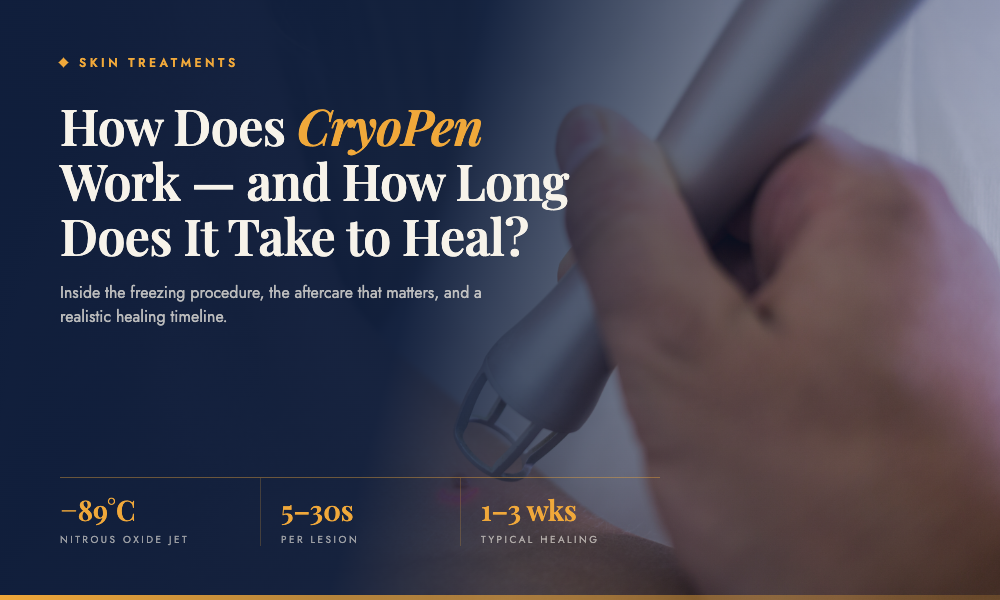
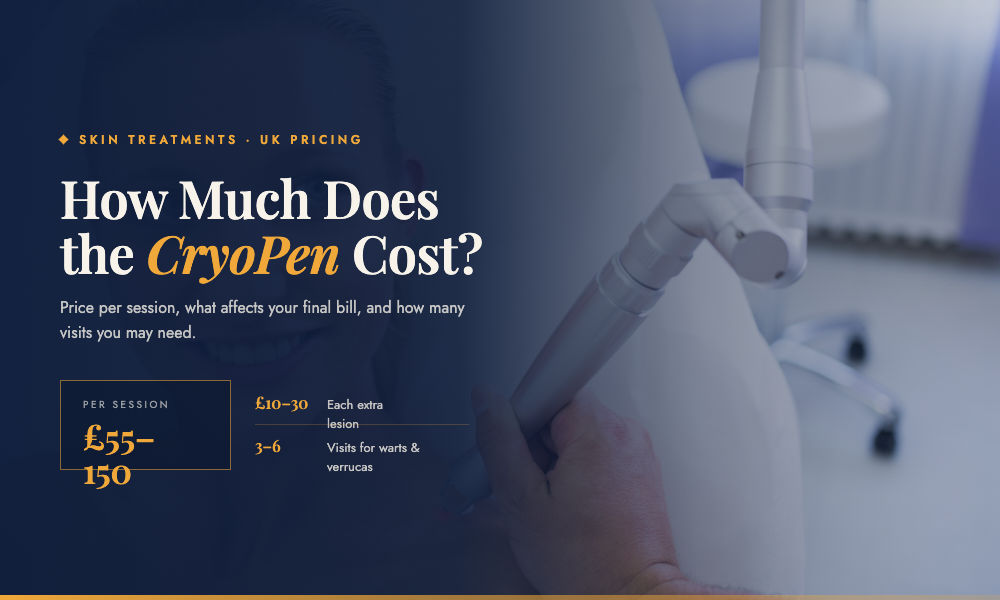
Cryotherapy is a procedure that involves freezing undesired tissue at very low temperatures. For skin tags, a medical practitioner freezes the growth with liquid nitrogen for several seconds. This leads to cell death and detachment of the tissue from the skin.
Doctors sometimes call this cryosurgery for skin tags, the clinical name for the same freezing treatment. Despite the name, it involves no cutting.
Clinics across the UK use cryotherapy for skin tags, warts and patches of sun damage. It suits small tags well, and professional skin lump removal at a doctor-led clinic means the growth is properly checked before and after treatment.
What Causes Skin Tags?
A skin tag is a benign tumour composed of loose collagen fibres and capillaries beneath the skin. It appears that friction plays a crucial role in the development of skin tags, which is why they often occur in areas of skin-to-skin and skin-to-clothing rubbing.
The risk factors for developing skin tags are:
- Being elderly
- Overweight/obesity
- Type 2 diabetes/insulin resistance
- Pregnancy
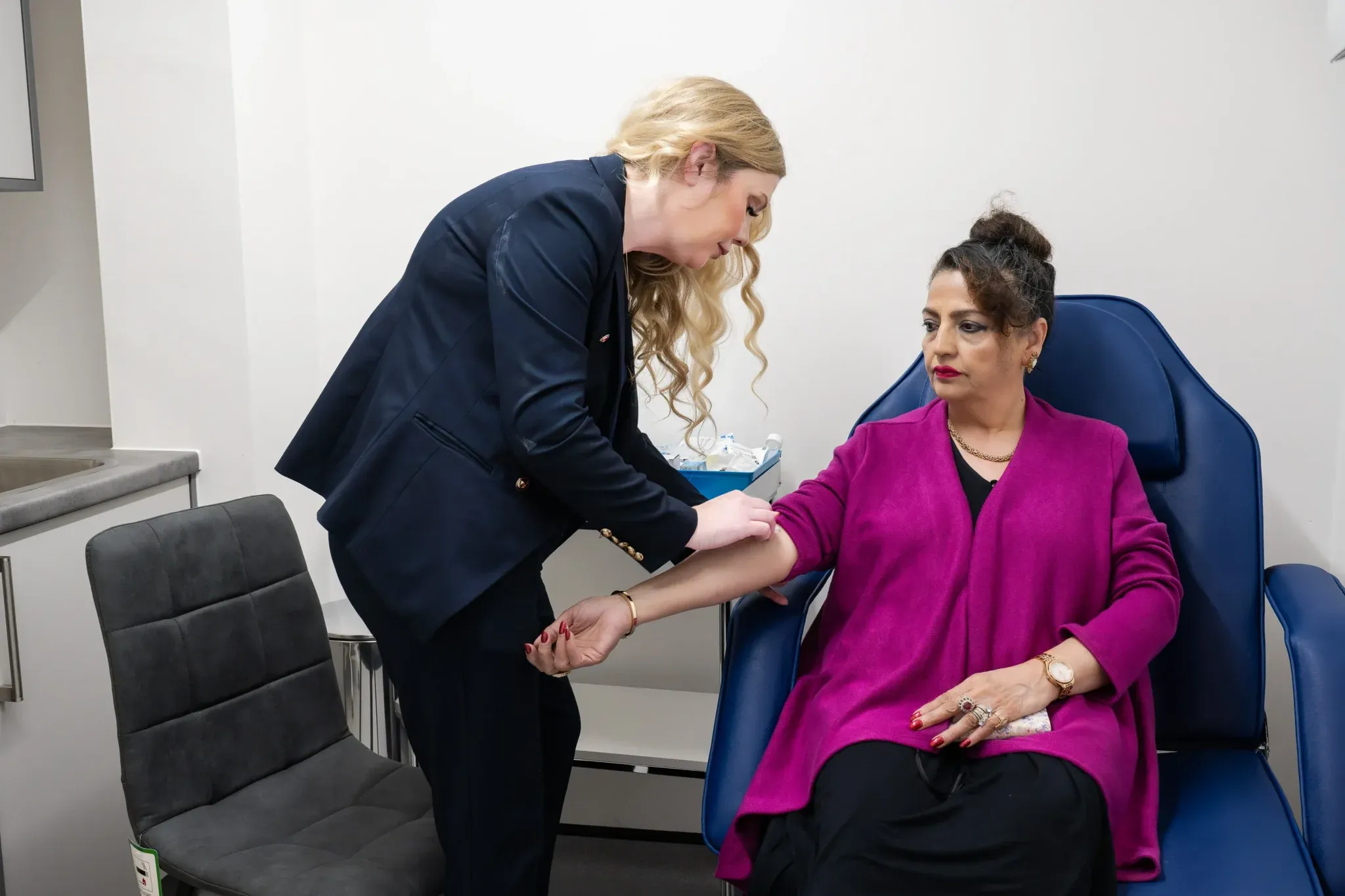
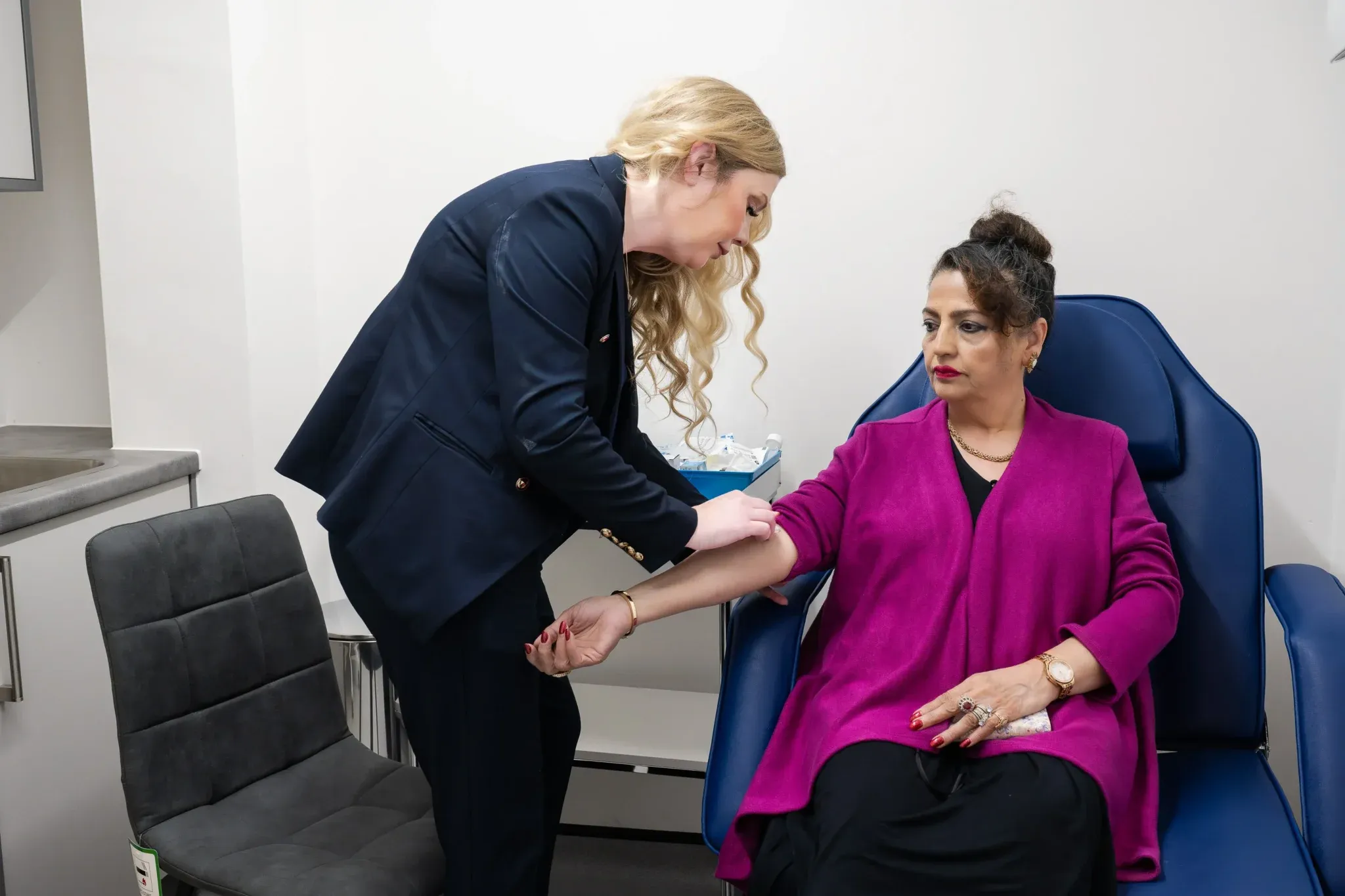
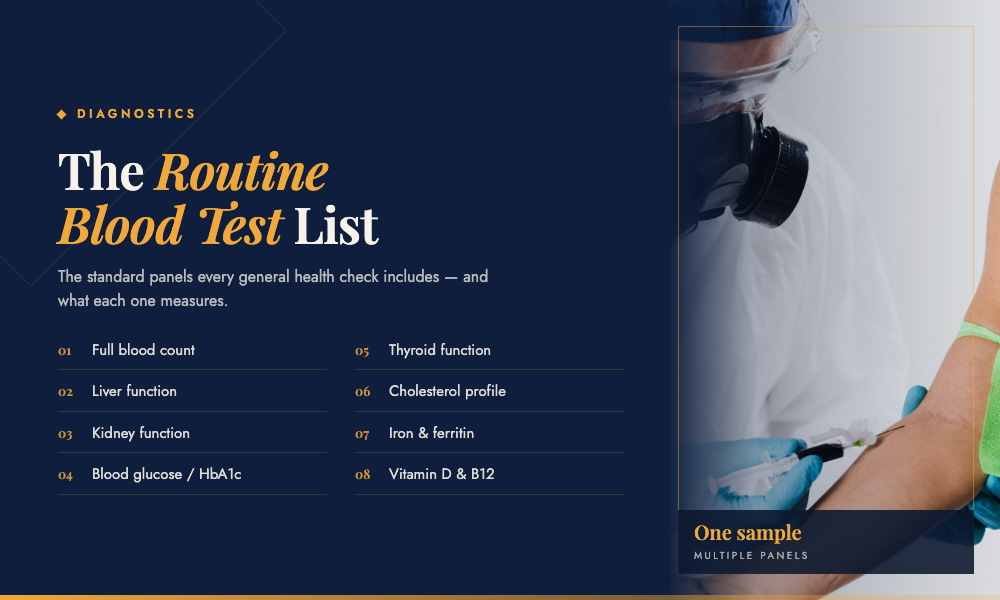
Some people develop them for no clear reason. Because tags are linked to blood sugar problems in some people, a private blood test can be a sensible way to check glucose levels if tags keep appearing. Official health guidance on skin tags confirms the growths themselves are harmless.

Not Sure If Your Growth Is a Skin Tag?
Signs and Symptoms of Skin Tags
Skin tags are usually easy to recognise. Common signs include:
- A small, soft growth that hangs off the skin on a thin stalk
- A skin-coloured or slightly darker shade
- A size from a few millimetres up to around 5 centimetres
- A smooth surface that moves easily when touched
- Common sites such as the neck, armpits, groin, eyelids and under the breasts
Tags cause no pain on their own. They only become sore when clothing, jewellery, or shaving rubs them, which can cause redness or slight bleeding.
See a doctor promptly if a growth changes colour, bleeds without friction, grows quickly or feels firm. These features need a proper check, because other skin lesions can look similar to a tag.
How Skin Tag Freezing Works
Skin tag freezing follows a simple, well-practised routine. A typical appointment looks like this:
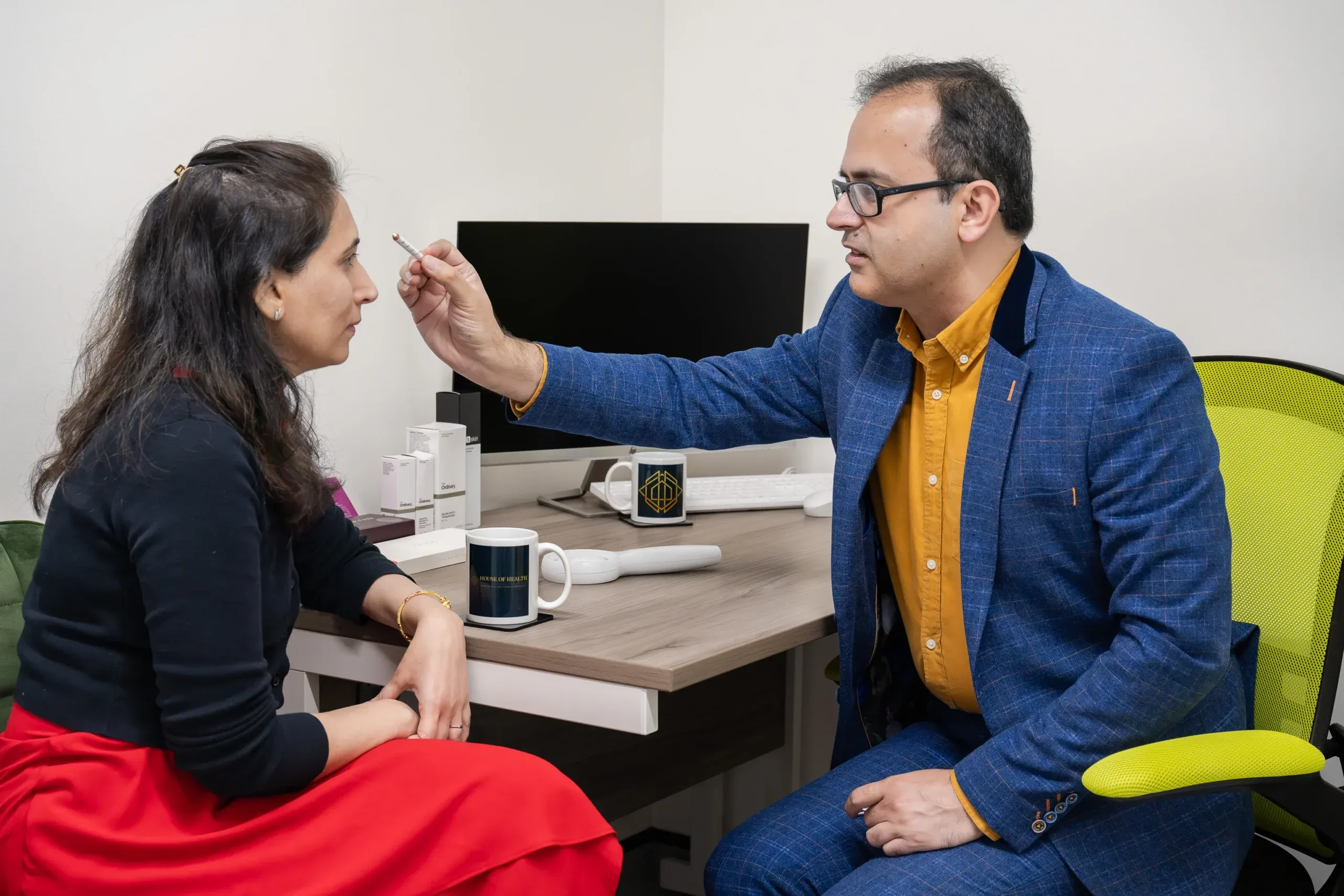
- The doctor examines the tag and confirms it is suitable for freezing.
- They apply liquid nitrogen with a fine spray or a cotton-tipped applicator for a few seconds.
- The area stings briefly and may turn red or swell slightly.
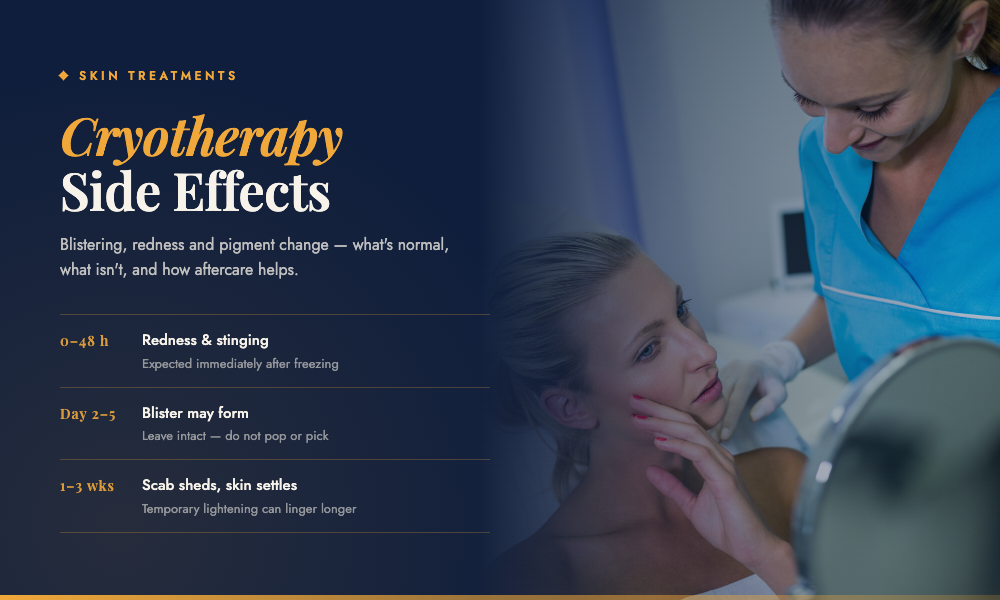
- A small blister or scab can form over the next day or two.
- The tag darkens, dries out and falls away over one to two weeks.
Freezing Skin Tags with Liquid Nitrogen
Freezing skin tags with liquid nitrogen works because of the extremely low temperature. Liquid nitrogen has a temperature of around -196°C. That level of cold forms ice crystals inside the tag's cells and cuts off its tiny blood supply. Without blood, the tissue breaks down, and the body simply sheds it.
What Happens After the Session
Aftercare is simple, and most people return to normal activities straight away:
- Keep the area clean and dry for the first day.
- Avoid picking or scratching the blister or scab.
- Let the tag fall away on its own, because pulling it off can cause bleeding.
- Protect the healed skin from strong sun while the colour settles.
Does Freezing Skin Tags Work?
So, does freezing skin tags work? For most small tags, yes. Cryotherapy has a long track record as a treatment for harmless skin growths, and a successfully treated tag does not usually grow back in the same spot.
The effectiveness of the procedure depends in part on the size of the tag:
- Small and thin tags usually go away with just one visit.
- Thicker tags may require another visit in a few weeks.
- Tags could form again due to other factors, such as friction and/or high blood sugar levels.
Freezing gradually destroys the tissue rather than removing it in one go. If you want a large tag removed immediately, a snip or shave excision may suit you better, and a doctor can help you weigh up both options.
Tired of a Skin Tag Catching on Clothes or Jewellery?
Other Treatment Options for Skin Tags
Cryotherapy for skin tags is one of several established removal methods. A doctor may also suggest:
- Snip or shave excision: the doctor numbs the area with a local anaesthetic, if needed, and removes the tag using sterile instruments. The tag goes immediately, with a small risk of minor bleeding.
- Cautery (electrosurgery): a fine, heated tip burns away the tag and seals the base, limiting bleeding.
- Ligation: the doctor ties off the base of the tag to cut its blood supply, and it drops off over the following days.
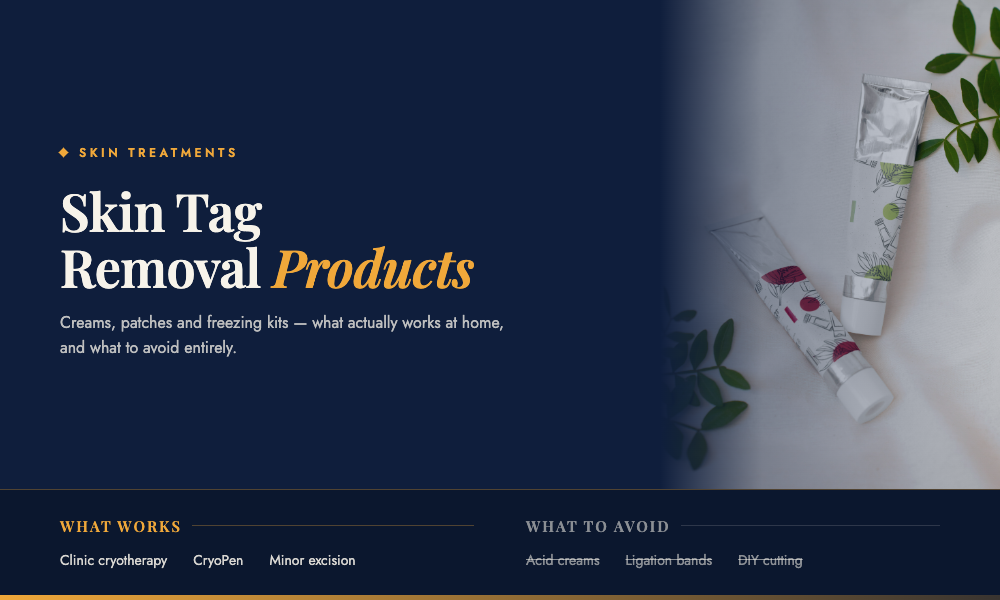
Avoid cutting, tying or freezing tags yourself at home. Home freezing kits use milder freezing agents than clinical liquid nitrogen, and official guidance advises speaking to a doctor before removing any tag. Never attempt to remove a large tag at home, because it can bleed heavily.
Risks and Considerations of Cryotherapy
Cryotherapy carries few risks with a skilled practitioner; however, no medical treatment exists without side effects, which might be:
- Temporary stinging or burning sensation when being treated
- Redness, swelling or a small blister afterwards
- A patch of lighter or darker skin once healed, which shows more on darker skin tones and usually fades with time
- A small risk of infection if the area is scratched before it heals
- The need for more than one session on larger tags
The essential step comes before treatment, not after. A doctor should always confirm the growth is a genuine skin tag, because moles and other lesions sometimes look similar and need a different approach.
Conclusion
The cryotherapy procedure is quick and easy, providing an effective way of removing an irritating skin tag. The tag will be frozen using liquid nitrogen; the cells will break down, and the tag will fall off within one or two weeks. There may be nothing more than a sting during the procedure.
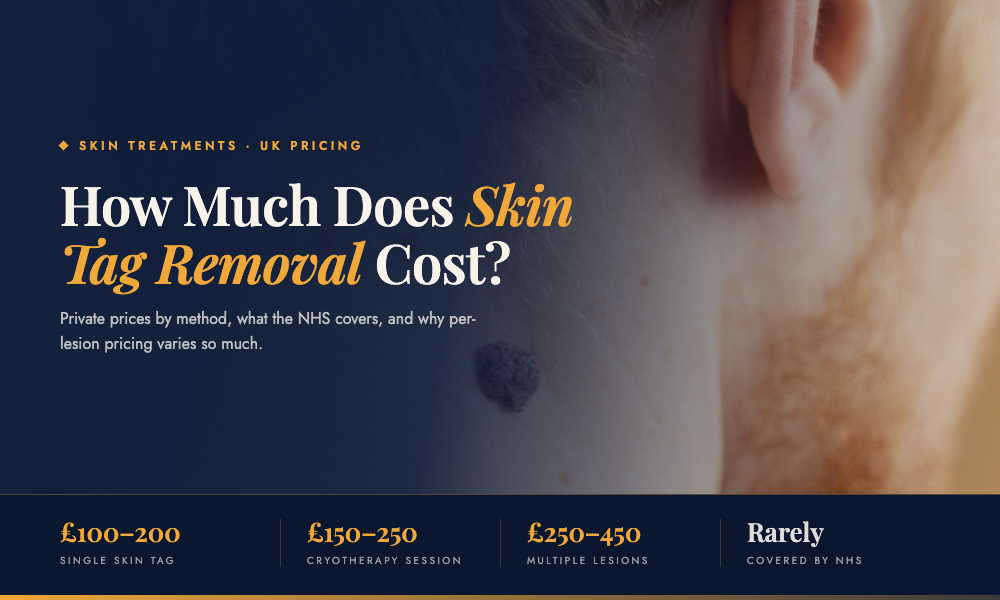
It will depend on the size and location of the skin tag, as well as how quickly you wish to remove it, which process is best. Freezing is ideal for smaller tags, and excision is used for larger tags. As the procedure is considered cosmetic by the NHS, it is often paid for privately.
The consultant-led dermatology team at House of Health provides cryotherapy in Birmingham, with sessions priced from £135 and simple treatments often performed during the consultation.
Frequently Asked Questions
How Long Does Cryotherapy Take to Remove Skin Tags?
The freezing itself takes only a few seconds, and the full appointment usually lasts a few minutes. The treated tag then darkens and falls away over one to two weeks. Larger tags sometimes need a second session a few weeks later.
Does Skin Tag Freezing Hurt?
Most people feel a brief stinging or cold, burning sensation as the doctor applies liquid nitrogen. The feeling settles within minutes. For sensitive areas, the doctor can apply a numbing cream first.
How Much Does Skin Tag Freezing Cost in the UK?
The costs vary from one clinic to another based on the number of tags requiring treatment and whether additional visits are needed. A consultation fee might be incurred. The NHS does not offer removal because it is considered a cosmetic procedure.
Can Skin Tags Grow Back After Freezing?
Once a tag has fully broken down and fallen away, it usually does not return to the same spot. However, new tags can appear elsewhere on the body, particularly in areas of friction or in people with ongoing risk factors such as type 2 diabetes.
Can I Freeze Skin Tags at Home?
Pharmacies sell home freezing kits, but these use milder freezing agents than the liquid nitrogen doctors use. Official guidance advises speaking to a doctor before removing any skin tag, and never treating large tags at home, as they can bleed heavily.
Does the NHS Remove Skin Tags?
Very rarely. It is considered cosmetic by the NHS, and therefore removal is not usually offered unless there is an underlying medical condition associated with the skin tag.
Can Cryotherapy Treat Skin Tags Near the Eyes?
Tags on the eyelids need extra care because the skin there is thin and sits close to the eye. A doctor may still use careful freezing, or may recommend snip excision instead. Always have eyelid growths assessed by an experienced clinician first.