

The side effects associated with iron infusion are considered mild and transient. The following are some of the side effects that a patient undergoing therapy may experience: headache, warmth/flushing sensation, dizziness, metallic taste, and joint pain. These side effects are known to resolve on their own within 24 to 48 hours without any intervention.
Major side effects are rare because, before giving someone an iron infusion, the clinician makes sure they are healthy enough to receive the infusion and monitors them during the process. This document explains the reasons behind the side effects, how long they last, additional symptoms that might appear a day or two later, and symptoms that need immediate attention.
Key Takeaways
- Most iron infusion side effects are mild and settle within 48 hours
- Headache, flushing, and aching joints or muscles are the most common reactions
- A delayed reaction can appear one to two days after the drip
- Skin staining at the drip site is rare but can be long-lasting
- Severe allergic reactions are very rare and need urgent medical care
Common Iron Infusion Side Effects
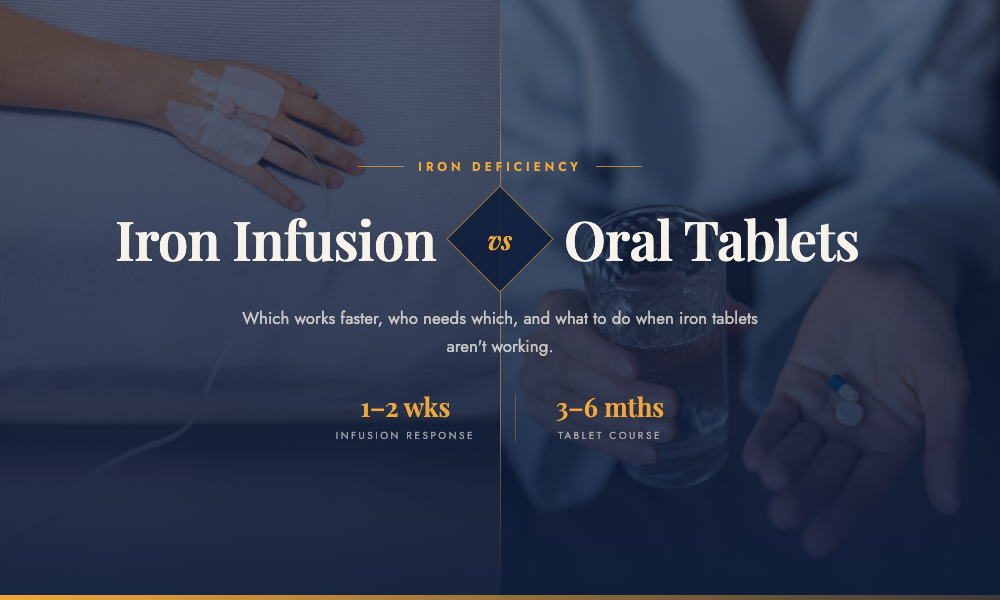
An iron infusion tops up your iron through a drip, and like any medical treatment, it can cause a few reactions. You may also hear people call them IV iron side effects, because the iron goes straight into a vein. Most iron infusion side effects fall into two groups: mild reactions that pass quickly, and rare reactions that need medical care.
Mild and Common Reactions
These reactions affect a small number of patients and usually pass quickly:
- Headache or mild dizziness
- A warm or flushed feeling in the face
- A metallic taste in the mouth
- Feeling sick (nausea)
- Aching joints or muscles
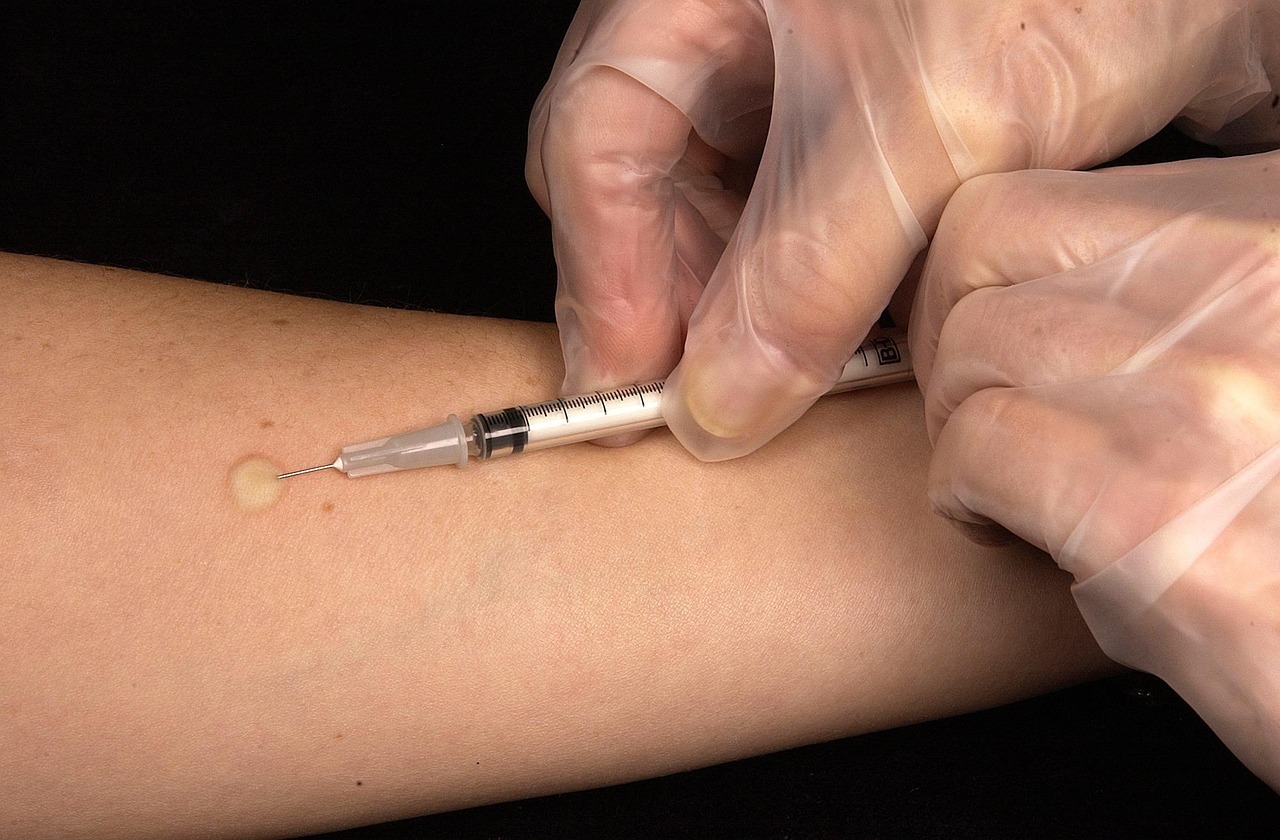
- Mild swelling, bruising, or soreness where the needle went in
- A small change in blood pressure during the drip
Less Common and Serious Reactions
A few reactions need more care:
- Skin staining. If iron leaks under the skin at the drip site, it can leave a brown mark. This is rare, but the stain can be long-lasting and may not fade fully.
- Low phosphate levels. Some people develop low phosphate in the blood after certain infusions. This can cause tiredness or bone aches, so clinicians may check your blood if symptoms continue.
- Allergic reactions. Severe allergic reactions are very rare. Clinics keep emergency medicines ready, and staff watch you during and after the drip.

Worried About How an Iron Infusion Might Affect You?
How Does an Iron Infusion Work?
The process is simple and closely monitored:
- A clinician reviews your blood results, medical history, and current medicines.
- A nurse places a small cannula (thin tube) into a vein in your arm.
- The iron drips in slowly, usually over 15 to 60 minutes depending on the dose.
- Staff watch you during the drip and for around 30 minutes afterwards.
- You go home with clear aftercare advice and a plan for a follow-up blood test.
Careful checks before and during the drip keep iron infusion side effects to a minimum.
Why Do Side Effects of Iron Infusion Happen?
The side effects of iron infusion happen for a few simple reasons:
- The body reacts quickly to iron entering the blood. This can trigger flushing, headache, or aching joints as the immune system responds.
- The vein reacts to the cannula. Mild soreness or bruising at the site is a normal response to the needle.
- Blood chemistry shifts. Iron changes how the body handles minerals such as phosphate, which explains some delayed tiredness or aches.
- Sensitivity to the iron preparation. A small number of people react to the type of iron used, which is why staff monitor every patient.
Most of these reactions show the body adjusting to the treatment, not the treatment failing.
What to Expect After an Iron Infusion
Knowing what to expect after an iron infusion makes the first two days much easier:
- The first few hours. You may feel tired or notice a mild headache. Drink water and rest.
- The next day. Iron infusion side effects the next day commonly include aching joints or muscles, a slight temperature, or tiredness. These usually fade on their own.
- Day two to three. Most reactions settle fully. Energy often starts to improve over the following weeks as the body uses the new iron.
Keep the drip site clean and dry for the first day, and book your follow-up blood test as advised so the clinical team can confirm your iron levels are rising.
Feeling Unsure About Your Symptoms After a Drip?
How Long Do Iron Infusion Side Effects Last?
Many people ask how long iron infusion side effects last, and the answer is reassuring. Mild reactions such as headache, flushing, and nausea usually pass within 24 to 48 hours. Joint and muscle aches can take two to three days to settle.
If any reaction lasts longer than a week, or gets worse instead of better, contact the clinic that treated you. A quick review rules out anything that needs attention.
Delayed Reaction to Iron Infusion
Iron infusion side effects that may occur 24 to 48 hours after infusion resemble a mild case of the flu; you may experience muscle and joint pain, mild fever, or fatigue. Iron infusion side effects that develop after 24 to 48 hours should disappear within a few days with adequate rest and water consumption and do not imply an allergic reaction to the medication.
How to Manage Iron Infusion Side Effects at Home
Most cases of iron infusion side effects require nothing more than basic self-care:
- Drink plenty of water for the first two days
- Rest and avoid strenuous activity for 24 to 48 hours
- Apply cold compresses to achy joints or the infusion site
- Gentle movement, such as walking, can help alleviate stiffness in your joints
- Take pain-relieving medication when approved by your clinician
If a symptom worries you, ring the clinic that gave your infusion. Quick advice is always better than waiting and worrying.
When to Seek Urgent Medical Help
Severe iron infusion side effects are very rare, but you should know the red flags. Call 999 or go to A&E if you notice:
- Swelling of the face, lips, or tongue
- Wheezing or trouble breathing
- A widespread rash or severe itching
- Chest pain or a racing heartbeat
- Feeling faint or collapsing
These signs can point to a serious allergic reaction and need treatment straight away.
Conclusion
Side effects associated with iron infusions are typically mild, temporary, and manageable at home. Headaches, flushing, and joint pain are the most frequent side effects, and all resolve themselves within 48 hours. In some instances, a late side effect may present itself one or two days after the procedure; however, that too resolves quickly. Serious reactions occur extremely rarely because all patients are screened.
If you are considering treatment for low iron, the consultant-led team at House of Health provides iron infusion treatment in Birmingham with careful screening, monitoring, and follow-up care.
FAQs
What are the most common side effects of an iron infusion?
Headache, flushing, a metallic taste, nausea, and aching joints or muscles are the most common. These iron infusion side effects usually settle within 24 to 48 hours.
Are IV iron side effects worse than iron tablets?
Not usually, as the two cause different problems. Tablets often upset the stomach and cause constipation, while infusions more often cause short-lived aches, flushing, or headache.
Can I drive after an iron infusion?
Most people drive home safely. If you feel dizzy or unwell after the drip, wait until you feel steady or ask someone to collect you.
What should I avoid after an iron infusion?
Avoid heavy exercise for 24 to 48 hours and keep the drip site clean and dry for the first day. Rest, drink water, and let your body settle.
Why do my joints ache after an iron infusion?
Aching joints are part of a common delayed reaction. The immune system responds to the sudden rise in iron, which causes flu-like aches. The feeling usually fades within a day or two.
When should I worry about iron infusion side effects?
Report immediately in case of swelling of the face, difficulty in breathing, chest pain or a widespread skin rash. Consult your clinic if you have minor symptoms for more than a week.