
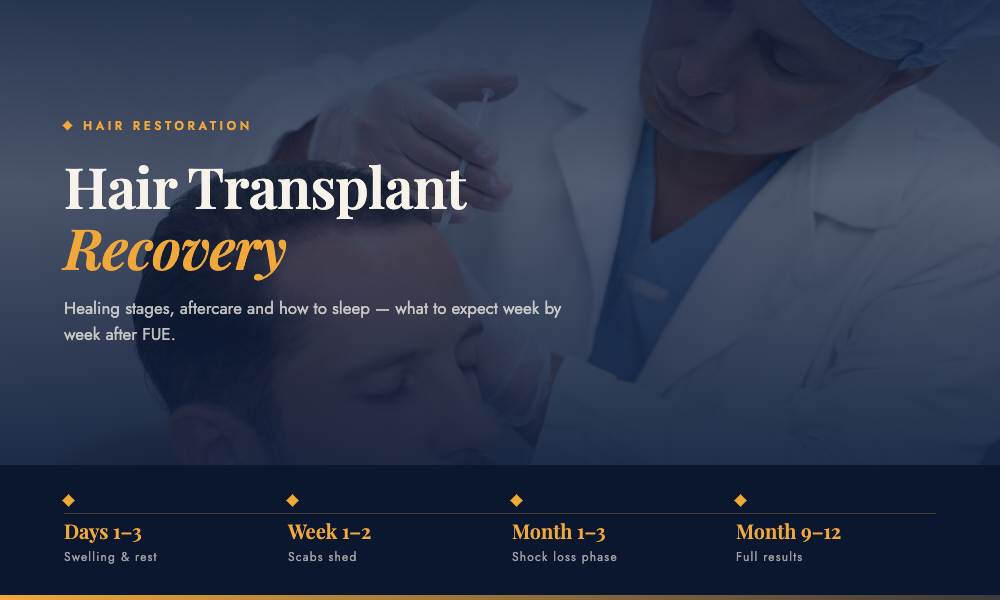
Hair transplant recovery usually takes 10 to 14 days for the scalp to heal on the surface, while the full results appear over 12 to 18 months. Most people feel comfortable within the first week and return to work within a few days, depending on the kind of work they do.
The process takes place in distinct stages. The scabs drop off, the new hair falls out, and new growth begins over a few months. All these stages are natural in the process, and basic grooming helps a lot in ensuring a good result. The following is a guide to the entire hair transplantation recovery process.
Key Takeaways
- The scalp usually heals on the surface within 10 to 14 days of surgery.
- Shedding of the transplanted hairs in the early weeks is normal.
- Gentle washing, careful sleeping positions and sun protection keep the grafts safe.
- Full results take 12 to 18 months, so patience matters as much as daily care.
What Does Hair Transplant Recovery Involve?
Hair transplant recovery is the healing period after surgery, when the moved hair follicles (grafts) settle into place and begin a fresh growth cycle. The NHS classes a hair transplant as a cosmetic procedure carried out under local anaesthetic, usually as day surgery, so healing takes place at home.
Recovery has three broad phases:
- Surface healing (days 1 to 14): the small wounds close, scabs form and then lift away.
- Shedding (weeks 2 to 8): the transplanted hairs fall out while the roots stay in place.
- Regrowth (months 3 to 18): new hairs come through, thicken and blend in.
Each phase looks different, and knowing what belongs to each one keeps worry to a minimum.
How Long Does Hair Transplant Recovery Take?
For most individuals, the following is how hair transplant recovery period can be described: The scalp will look stable after 10-14 days, the shedding period will be over at about 8 weeks, and the outcome will appear from months 12-18.
Several things affect how quickly each person heals:
- Age and general health - circulation and skin repair slow naturally with age.
- Iron, thyroid and vitamin levels - low levels can hold back new growth.
- The size of the procedure - larger graft numbers mean a larger healing area.
- Aftercare habits - gentle handling in the first fortnight protects the grafts.
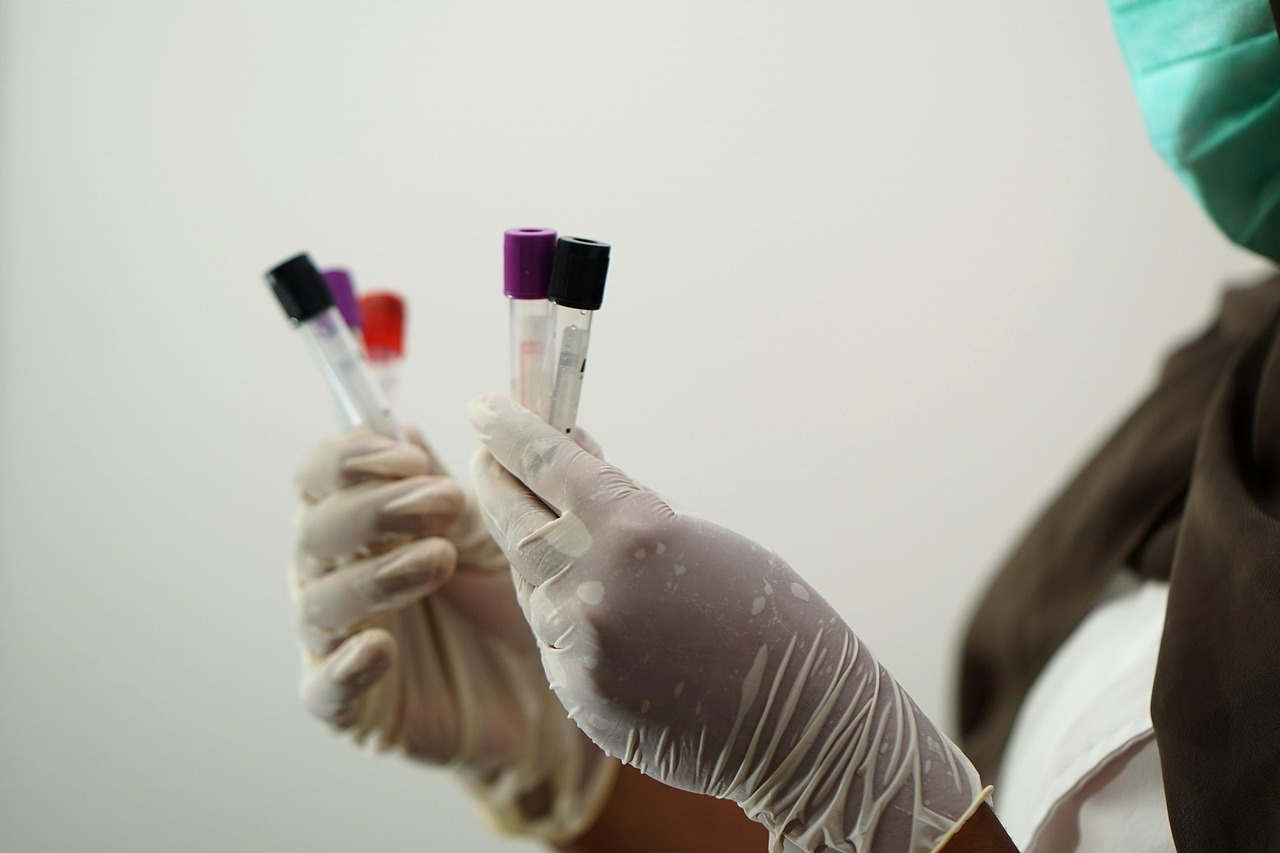
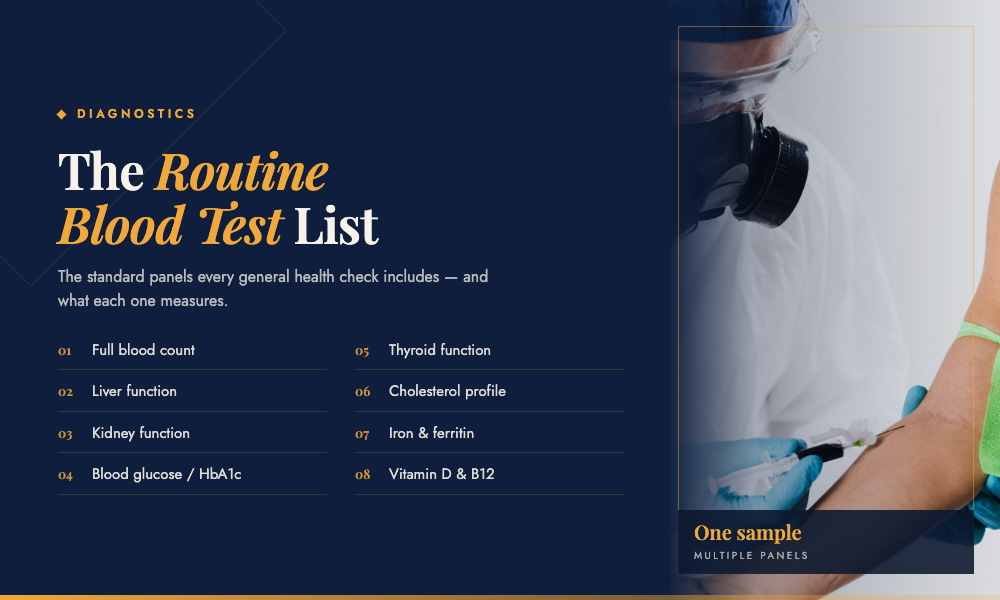
Low iron and hormone imbalances often go unnoticed. A doctor-led hair loss clinic can check these levels with targeted blood tests, which helps both before surgery and while new growth comes through.

Not Sure If Your Scalp Is Healing as It Should?
- Our doctor-led team at House of Health reviews healing scalps every week and can explain what looks normal and what needs a closer check.
Hair Transplant Recovery Timeline: Week by Week
The hair transplant recovery timeline follows a fairly predictable pattern, even though small details vary between clinics and techniques.
- Days 1 to 3: the scalp feels tight and tender as the anaesthetic wears off. Redness and mild swelling appear, and forehead swelling often peaks around day two or three.
- Days 4 to 7: discomfort subsides. Grafts will have their own little scabs, and the clinic will normally recommend gentle cleansing by then.
- Week 2: most scabs fall off easily when washed carefully, and most individuals begin to feel socially ready.
- Weeks 3 to 8: the transplanted hairs shed. This stage, often called shock loss, can look worrying, yet the roots remain healthy under the skin.
Hair Transplant Healing Stages: Month by Month
The later stages of hair transplant healing reward patience. Progress during hair transplant recovery can be hard to judge in the mirror, so clinics often track it with standardised photographs or an AI scalp analysis, which measures changes in hair density that the eye cannot see.
- Months 1 to 2: the scalp looks much as it did before surgery, because most transplanted hairs have shed.
- Months 3 to 4: fine, wispy new hairs appear. They often look thin and uneven at first.
- Months 6 to 9: growth speeds up, and new hair thickens and darkens.
- Months 12 to 18: the result matures and blends with the surrounding hair.
Hair Transplant Aftercare: How to Protect Your Grafts
Good hair transplant aftercare in the first fortnight has the biggest influence on the final result. The grafts sit loosely in the skin for the first few days, so gentle handling matters most.
Follow the routine your clinic sets, which usually includes:
- Wash gently. Start soft rinses on the day your clinic advises, usually day two or three, using the products they recommend.
- Keep hands off. Never scratch, rub or pick at the healing area.
- Sleep with care. Many people ask about how to sleep after hair transplant surgery. Lie on your back with your head raised on pillows for the first five to seven nights, so the grafts avoid pressure and swelling drains away.
- Pause hard exercise. Skip the gym, heavy lifting and anything sweaty for at least two weeks, and check with your clinic before returning to sport.
- Avoid heat and sun. Stay away from saunas, steam rooms, swimming pools and strong sunshine for about a month.
- Limit alcohol and smoking. Both slow wound healing, so pause them for as long as your clinic advises.
- Take prescribed medicines as directed. Clinics may supply short courses of medication after surgery; use them exactly as instructed.
Worried That Low Iron or Hormones Are Slowing Your Regrowth?
- Our specialists at House of Health test the levels that matter for healthy hair growth and explain the results in plain language, with a clear plan to follow.
FUE Hair Transplant Recovery: Is It Different?
FUE hair transplant recovery follows the same pattern in the recipient area as any other technique. The difference sits in the donor area. FUE removes follicles one by one, leaving tiny dot wounds that usually close within a week or two without stitches. FUT removes a thin strip of skin instead, so the donor area carries stitches and a fine line scar, and it can feel tight for longer. Ask your surgeon which method was used and what that means for donor care.
Scabs After Hair Transplant: What Is Normal?
Scabs form on top of each graft right after the hair transplant procedure, typically on day 1 or 2. They serve as a protective cover for the area beneath that is healing. Gentle daily washing causes them to fall off naturally between days 7 and 14. Never peel them off since each scab will cover a graft. If scabs remain firmly attached after 2 weeks, have the clinic check them out.
What Can Slow Down Healing?
A few habits and health factors commonly hold back hair transplant recovery:
- Smoking and alcohol, which reduce blood flow to the scalp
- Low iron, low vitamin D or an untreated thyroid problem
- Intense workouts or sweat during the first two weeks
- Exposure to direct sunlight for the recovering scalp
- Wearing tight headgear like hats or helmets too soon
- Picking at the scabs
None of these can ruin the results on their own, but together they can hamper the growth process and irritate the scalp. It is the small, consistent steps that help preserve the results rather than any particular product.
When Should You Contact a Doctor?
All hair transplant recovery phases should go smoothly, but hair transplantation is a form of surgery and therefore has associated risks. Please contact your hair transplant clinic or a doctor immediately in case of:
- Spreading redness, heat sensation, or worsening of inflammation after the first few days
- Discharge or a bad odour from your head
- Feeling sick or having a fever
- Increased pain that does not subside beyond the third day
- Bleeding that cannot be stopped by applying slight pressure
- Inflammation after the fourth day
Early consultations usually resolve the vast majority of problems.
Final Thoughts on Hair Transplant Recovery
Hair transplant recovery requires 10 to 14 days in the short term and 12 to 18 months in the long term, from scabbing to shedding to growth. The process of washing gently, sleeping carefully, protecting the scalp from the sun, and being patient becomes most important, while balanced iron, thyroid, and vitamin levels help hair grow.
For support at any stage of hair transplant recovery, the doctor-led team at House of Health offers scalp assessments, blood testing and non-surgical treatments through its hair loss clinic in Birmingham, along with independent advice for anyone still weighing up transplant surgery.
Frequently Asked Questions
How should you sleep after a hair transplant?
Sleep flat on your back using two or three pillows under your head for five to seven days after surgery. It allows you to avoid stress on your grafts while helping with drainage of swelling from the forehead.
When can you wash your hair normally again?
You can take regular showers starting on day 2 or 3, following the advice of your treatment facility. People usually resume regular washing between days 10 and 14, when scabs peel off.
When do scabs fall off after a hair transplant?
Usually, scabs peel off between days 7 and 14 after daily gentle washes. They should peel off on their own, since peeling them might damage your graft beneath them.
Why does the transplanted hair fall out after a few weeks?
The shedding, known as shock loss, happens because the follicles enter a resting phase after being moved. The roots stay healthy, and new hairs grow from them around month three.
When can you exercise again after a hair transplant?
Light walking is good after just a few days. Don't sweat it with exercises or lifting heavy weights for at least two weeks. Get your surgeon's go-ahead on contact sports and swimming too.
Can you wear a hat during hair transplant recovery?
Many clinics will recommend wearing a loose hat starting from week one or two. However, avoid hats that are too tight, as they tend to rub against the grafted hairs. Helmets should be avoided until the doctor approves their use.
When will you see the full results of a hair transplant?
Hair regrowth can be observed three months after the procedure. It takes 12 to 18 months to see the full effect of a hair transplant procedure.