
House of HealthCall us

What Does High ALT Mean? A Simple Guide to Results

Written and Medically Reviewed By:Dr Nadir AbbasMBBS BA Hons, MRCP (Gastro), FEBGh, FRCPE, PhD (Birmingham), Dual CCT
12 August 2026
What Does High ALT Mean? A Simple Guide to Results

High ALT levels are generally indicative of liver stress. ALT stands for alanine aminotransferase, an enzyme mainly found in the liver cells. If these liver cells become irritated or damaged, this enzyme leaks into your bloodstream, leading to a higher level.

Should the recent report leave you puzzled about what high ALT levels mean, here's what you need to know briefly: your liver needs a bit more attention. The increased value serves as a pointer towards further investigation of the condition rather than a particular disease.

This article decodes the test report in easy language. It discusses the factors considered by the test, reasons behind high levels, possible symptoms, and ways out.

Key Takeaways

  • ALT is a liver enzyme, so a high reading usually points to liver stress or damage.
  • Normal ALT levels typically range from 10-40 IU/L, though the exact range varies by laboratory.
  • Fatty liver, alcohol, viral infections and certain medicines are common reasons behind a raised result.
  • Many people feel completely well, so a blood test is often the only warning sign.
  • Treating the cause and making small lifestyle changes can lower ALT over time.

What Is an ALT Blood Test?

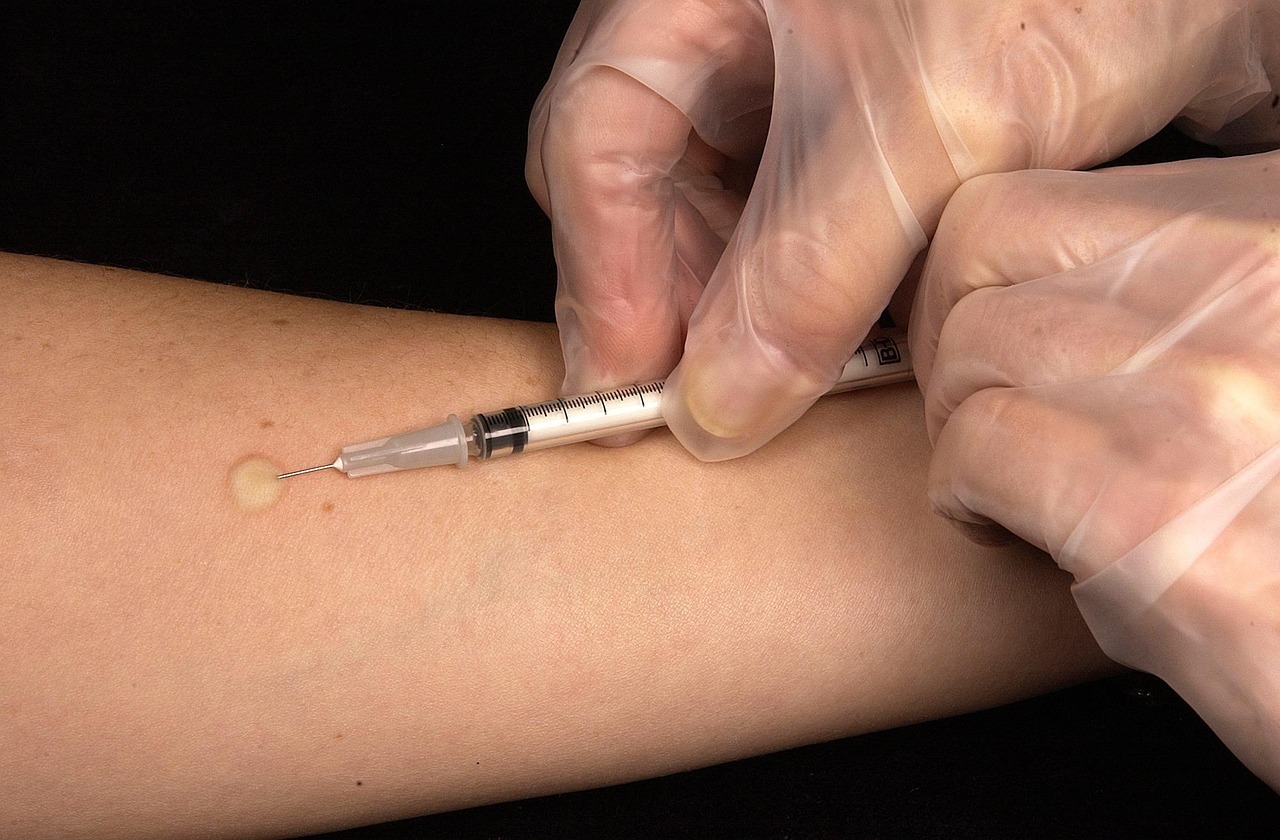
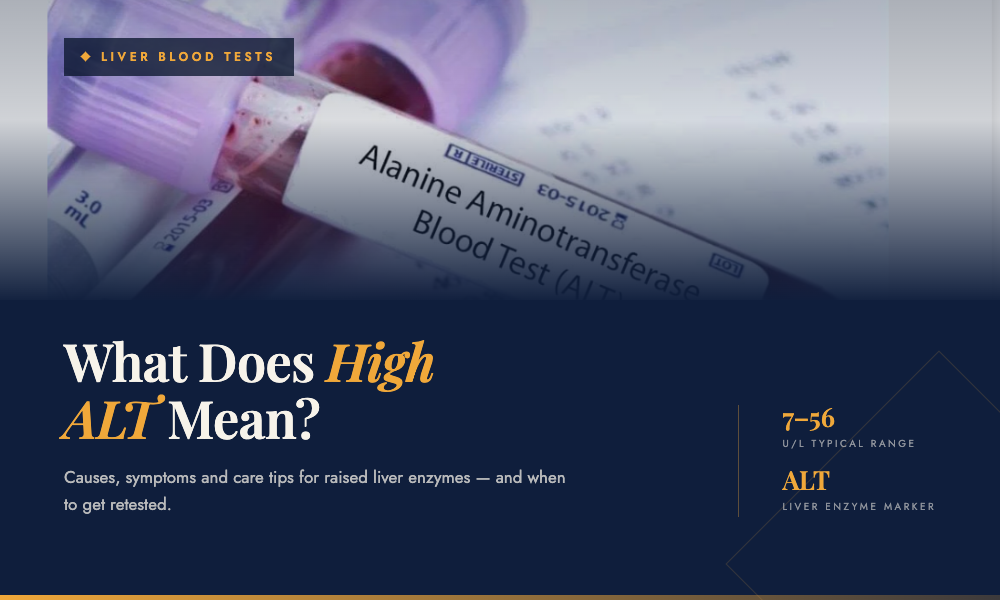
An ALT blood test measures the amount of alanine aminotransferase in a small sample of your blood. It is one of the most useful checks of liver health, which is why doctors order it so often.

Most of your ALT lives inside liver cells. While those cells stay healthy, very little ALT escapes into the blood. When the liver becomes inflamed or damaged, more of the enzyme leaks into the bloodstream, and the reading climbs.

In most cases, this test is performed alongside other liver function tests, although these were previously referred to as liver blood tests. In addition to ALT, other substances analysed are AST, ALP, GGT, and bilirubin; AST is an enzyme that frequently increases in parallel with ALT.

Doctors may request an ALT blood test to:

  • Check the liver during a routine health screen.
  • Look out for symptoms such as tiredness, tummy pain, or yellow skin.
  • Find a reason for results that already look off.
  • Keep an eye on any known liver condition or any medication that can affect the liver.

What Does a High ALT Result Mean?

A high result means more ALT than expected has leaked into your blood. In most cases, this signals that liver cells are under strain. Still, the number alone cannot name the cause.

A few points are worth keeping in mind:

  • Elevated levels can sometimes be harmless and might resolve on their own.
  • A healthy person can have elevated ALT levels, so the number alone does not tell the whole story.
  • What's important is the overall picture from all your liver function tests.
  • Very high readings require urgent attention, which we cover later.

Doctors also compare ALT with AST. The balance between the two can hint at whether alcohol, fatty liver or another problem is the more likely driver.

Normal ALT Levels vs Raised ALT Levels

Normal ALT values range from 10 to 40 IU/L across most laboratories in the United Kingdom. A few laboratories set the upper limit at around 55 IU/L. Age and sex differences affect these results too. As such, it is best that you refer to only your laboratory test report.

When a reading is above that range, doctors call it elevated ALT. How concerned they are depends on how high the number climbs:

  • Mildly raised: often linked to fatty liver, a few extra pounds, or a recent drink. Frequently watched and repeated.
  • Moderately elevated: may indicate ongoing inflammation, such as hepatitis or a medication reaction.
  • Very high (above 1,000 IU/L): a red flag for serious liver injury, such as a paracetamol overdose or acute hepatitis. It needs emergency care straight away.

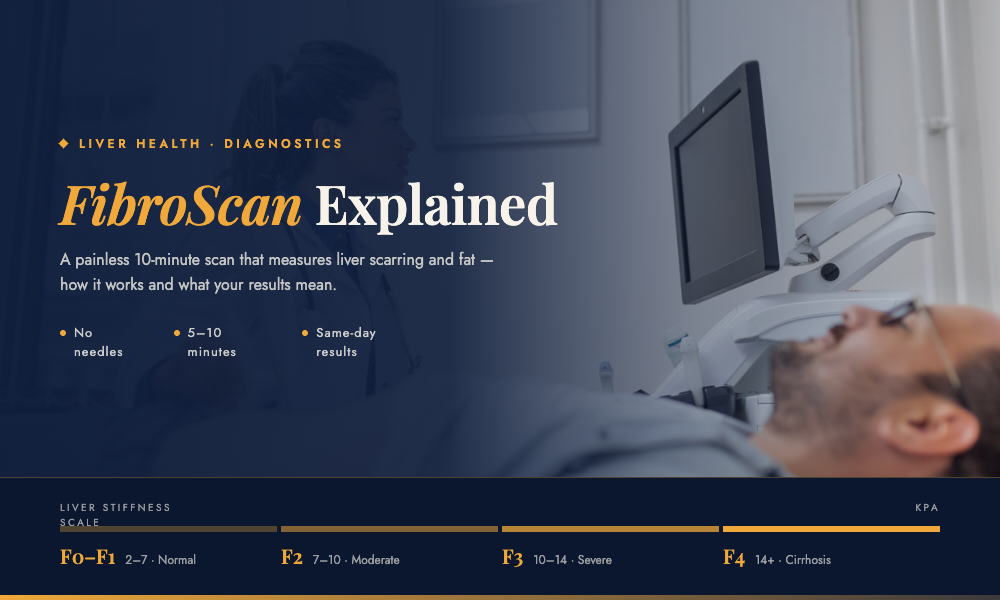
A painless fibrosis scan can also measure scarring and fat in the liver, which helps put a raised result in context.

Worried About an Abnormal Liver Result?

Causes of High ALT

The causes of high ALT range from very common and mild to rare and serious. The most frequent reasons in the UK include:

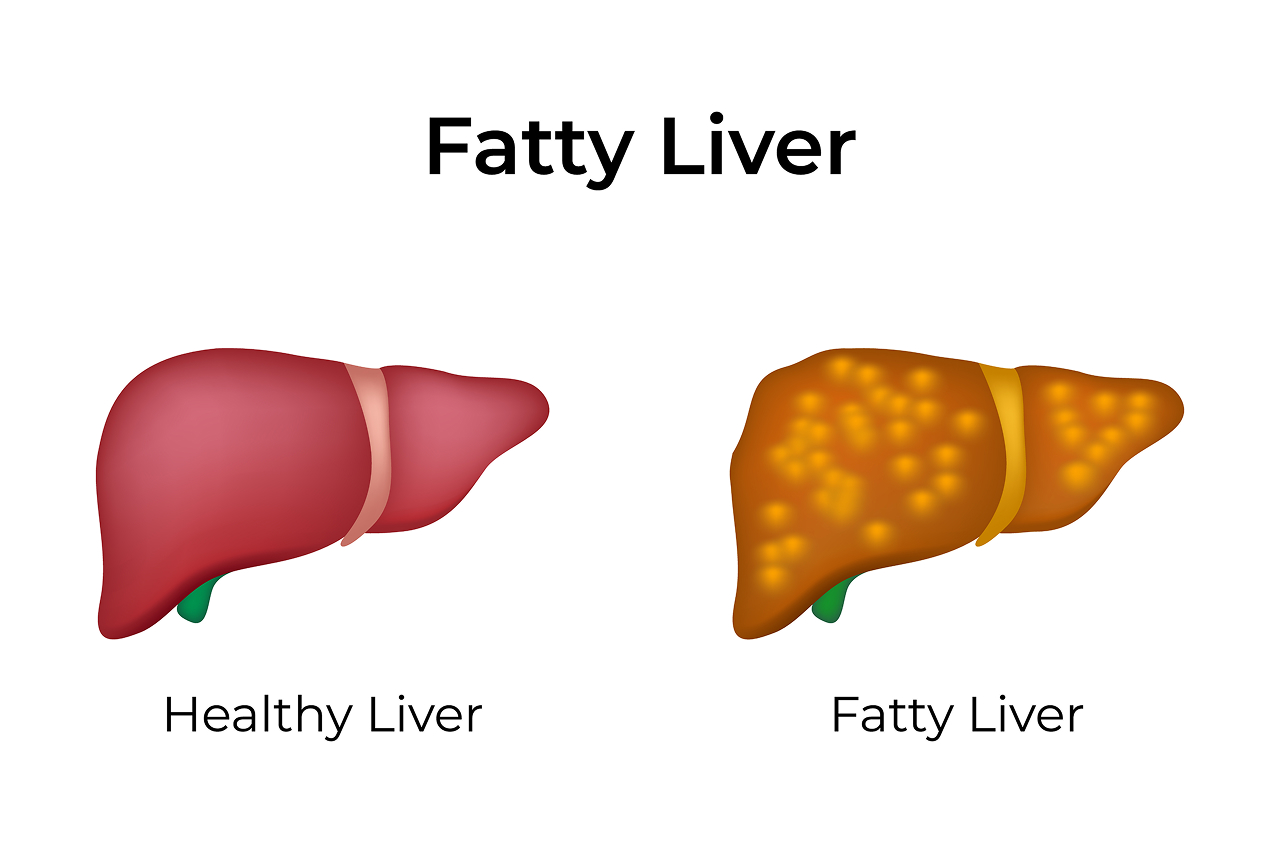
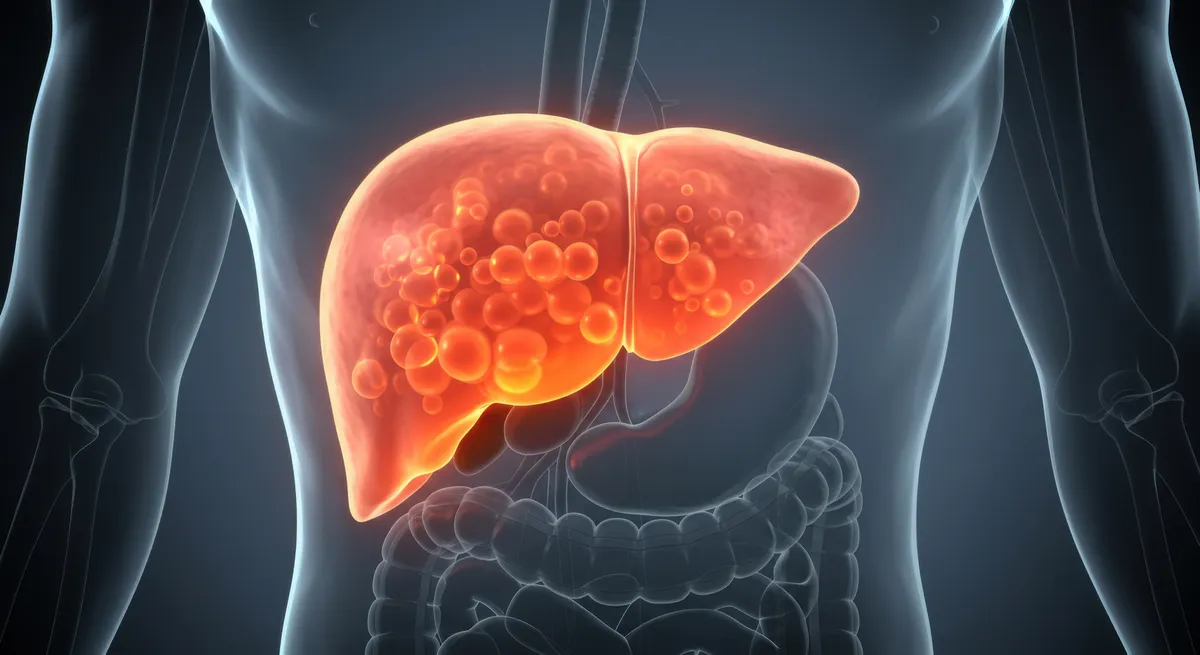
  • Fatty liver disease (MASLD): the leading cause. Extra fat builds up in the liver, often alongside weight gain, type 2 diabetes or high cholesterol.
  • Alcohol: regular heavy drinking irritates and damages liver cells.
  • Viral hepatitis: infections such as hepatitis A, B or C inflame the liver.
  • Medicines: paracetamol in high doses, some statins and certain other drugs can push ALT up.
  • Autoimmune hepatitis: the immune system mistakenly attacks the liver.
  • Muscle strain: strenuous exercise or a muscle injury can raise ALT, as the enzyme is also present in muscle.
  • Other causes: coeliac disease, an iron overload condition called haemochromatosis, and even some heart problems.

Because the list is so broad, the same raised number can mean very different things in two different people. That is why finding the exact cause matters more than the figure itself.

Symptoms of High ALT Levels

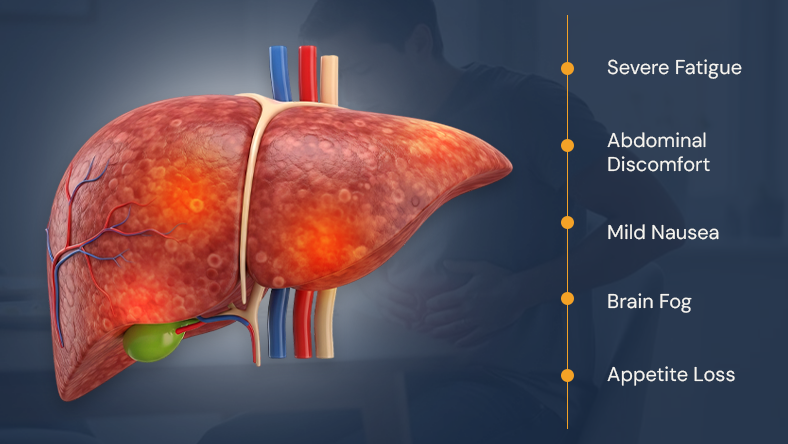
Here is the tricky part: high ALT often causes no symptoms at all. Many people only find out after a routine blood test for something else entirely.

When the liver is more unwell, warning signs can appear, including:

  • Constant tiredness or low energy.
  • The skin and the white part of the eyes turn yellow (jaundice).
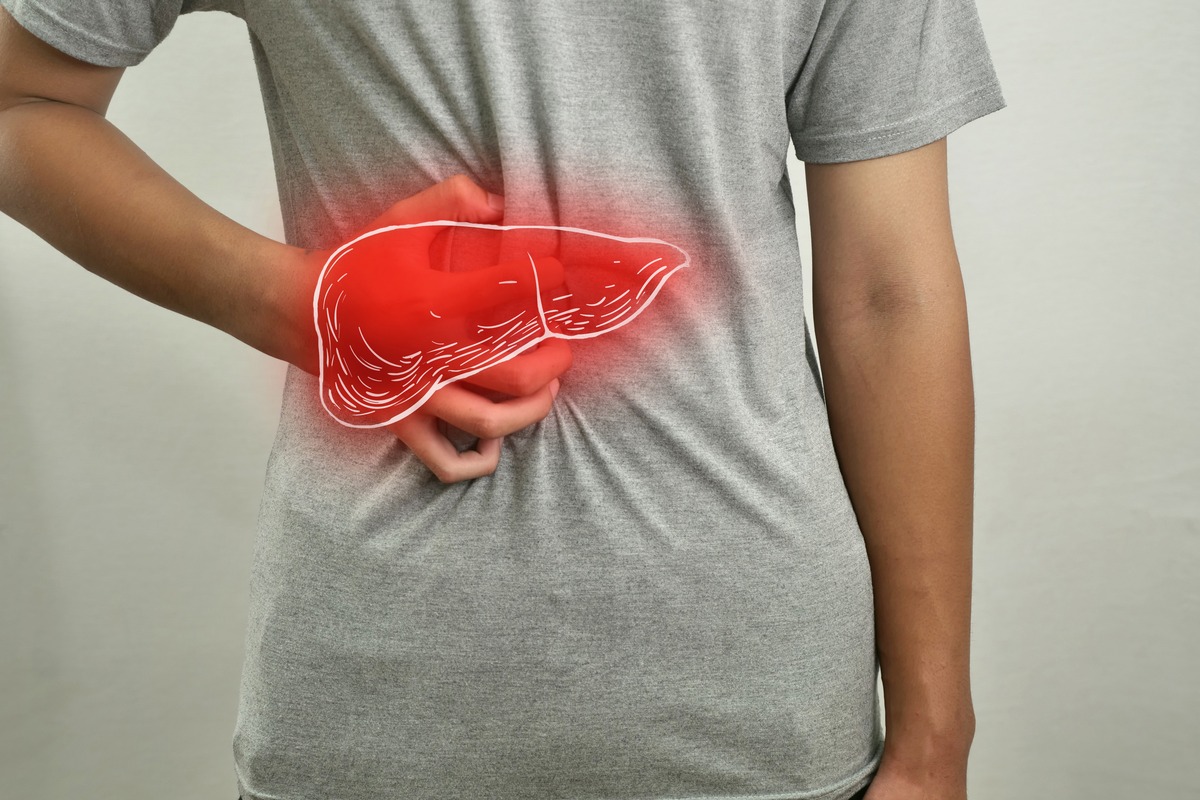
  • Pain or discomfort in the upper right side of the tummy.
  • Feeling sick, or losing your appetite.
  • Dark urine and pale stools.
  • Itchy skin or easy bruising.

Some symptoms need same-day medical help. Treat the following as red flags:

  • Deep yellowing of the skin or eyes.
  • A swollen, painful tummy.
  • Confusion or unusual drowsiness.
  • Vomiting blood, or very dark, tar-like stools.

If you notice any of these symptoms, seek medical help right away rather than waiting for another test.

Need a Clear Plan for Your Liver Health?

How Is High ALT Diagnosed?

Finding the cause is a step-by-step process. Doctors rarely act on a single reading, especially a mild one.

A typical path looks like this:

  • Repeat the test: a second blood test confirms whether the level is truly raised or was a one-off.
  • Assess the complete panel: doctors use bilirubin along with ALT, AST, ALP, and GGT to identify patterns.
  • Conduct a thorough history: the physician gathers information regarding alcohol use, weight, medication, family history, and symptoms of illness.
  • Arrange a scan: an ultrasound or fibrosis scan checks for fat, scarring, or other changes in the liver.
  • Add targeted tests: depending on the clues, this may include viral screens, autoimmune markers or iron studies.

Expert hepatologists pull these results together to reach a clear diagnosis. From there, they can explain exactly what is driving your raised ALT and what to do next.

How to Lower ALT Levels

The best way to lower a raised reading is to treat its cause. Even so, a handful of everyday changes help most people, especially when fatty liver is involved. Here is how to lower ALT levels in practical steps:

  • Lose a little weight. Shedding even 5 to 10 per cent of your body weight can reduce liver fat and lower ALT.
  • Cut back on alcohol. Stay within 14 units a week, with two or three drink-free days. Some people need to stop fully for a while.
  • Eat for your liver. Choose more vegetables, whole grains and lean protein. Go easy on sugar, fried food and ultra-processed snacks.
  • Move more often. Regular activity, even brisk walking, helps the liver clear fat.
  • Manage other conditions. Keeping diabetes and cholesterol in check also protects the liver.
  • Review your medicines. Never stop a prescribed drug on your own, but do ask whether anything you take could affect your liver.
  • Retest and monitor. Repeat blood tests show whether your efforts are working.

Results take time. ALT usually falls over weeks to months, not overnight, so patience and steady habits win in the end.

Conclusion

Basically, this implies that your body has produced higher-than-normal levels of the liver enzyme, which could be due to various factors such as inflammation or damage.

The good news is that many causes are manageable, and some are fully reversible. Once you know the reason, whether it is fatty liver, alcohol, a virus or a medicine, you and your doctor can act on it. Lifestyle changes, the right treatment and regular checks often bring ALT back towards a healthy range.

If a result is worrying you, expert help makes the path clearer. The team behind the private liver specialist in Birmingham offers consultant-led assessment, advanced scans and a personal plan to protect your liver health for the long term.

Frequently Asked Questions

Is high ALT serious?

Not always. Mild elevations in ALT levels are generally normal and do not pose any health risk. However, extremely elevated levels may point to serious liver damage.

What ALT level is dangerous?

Readings above 1,000 IU/L are a warning sign of severe liver damage, such as a paracetamol overdose or acute hepatitis. Anyone with a result this high needs emergency medical attention.

Can high ALT go back to normal?

Yes, in many cases. When the cause is treated, such as losing weight, cutting alcohol or stopping a triggering medicine, ALT often returns to a normal range over weeks or months.

Do I need to fast before an ALT blood test?

Usually not for ALT alone, but some panels test cholesterol or glucose at the same time, which may need fasting. Follow the instructions before your appointment.

Can drinking water lower ALT levels?

Drinking water alone cannot reduce ALT levels, although being well hydrated is always beneficial overall. It's all about fixing the cause of high ALT levels.

Can stress or exercise raise ALT?

High-intensity workouts may raise ALT levels because this enzyme is also present in your muscles. However, stress does not directly increase ALT levels.

How long does it take for ALT to return to normal?

It depends on the reasons behind the condition. As one's way of life changes, most patients observe significant improvement during the first three to six months.

About Dr Abbas – Medical Reviewer

Dr Nadir Abbas

Dr Nadir Abbas

MBBS BA Hons, MRCP (Gastro), FEBGh, FRCPE, PhD (Birmingham), Dual CCT

Dr Nadir Abbas is a Consultant Gastroenterologist and Hepatologist at University Hospitals Birmingham NHS Foundation Trust, holding a PhD from the Institute of Immunology and Immunotherapy and the NIHR Birmingham Biomedical Research Centre. He trained at the Queen Elizabeth Hospital liver unit, one of the largest liver transplant units in Europe, and specialises in the full breadth of gastroenterology and hepatology conditions.

Dr Abbas is also the founder of Liverdojo, a nationally recognised multilingual patient education initiative designed to improve liver health awareness and bridge health literacy gaps within BAME communities.

View all posts by Dr Nadir Abbas

Recent Blogs

Why Regular Health Checks Are Essential for Long-Term Wellness
Health Checks

Why Regular Health Checks Are Essential for Long-Term Wellness

28 July 2025
Why Choose House of Health for Your Travel Clinic Needs in the UK
Travel Health

Why Choose House of Health for Your Travel Clinic Needs in the UK

27 July 2025
What Are the Early Signs of Hair Loss and How to Spot Them
Hair Loss

What Are the Early Signs of Hair Loss and How to Spot Them

22 July 2025
Why Blood Testing Is a Key Part Preventive Healthcare
Blood Tests

Why Blood Testing Is a Key Part Preventive Healthcare

21 July 2025
The Importance of Routine Immunisations: Safeguarding Your Health at Every Stage
Immunisations

The Importance of Routine Immunisations: Safeguarding Your Health at Every Stage

16 July 2025
What to Expect from a Professional Weight Loss Clinic
Weight Loss

What to Expect from a Professional Weight Loss Clinic

15 July 2025
When to See an ENT Specialist: Common Symptoms You Shouldn’t Ignore
ENT

When to See an ENT Specialist: Common Symptoms You Shouldn’t Ignore

17 June 2025
What Can a Blood Test Really Tell You? More Than You Think
Blood Tests

What Can a Blood Test Really Tell You? More Than You Think

12 June 2025
Understanding Hormonal Imbalances: Symptoms, Causes and Treatment Options
Hormones

Understanding Hormonal Imbalances: Symptoms, Causes and Treatment Options

10 June 2025
Understanding The Importance Of Regular Health Screenings
Health Checks

Understanding The Importance Of Regular Health Screenings

5 June 2025
Do You Have Persistent Allergy Symptoms? It Might Be More Than Just Hayfever
Treatment

Do You Have Persistent Allergy Symptoms? It Might Be More Than Just Hayfever

3 June 2025
Stay Safe While You Explore: The Importance of Travel Health Advice
Travel Health

Stay Safe While You Explore: The Importance of Travel Health Advice

29 May 2025
Why Gut Health Is the Key to Feeling Better Every Day
Gut Health

Why Gut Health Is the Key to Feeling Better Every Day

27 May 2025
How Adult ADHD Can Affect Daily Life - and Why Support Matters
ADHD & ASD

How Adult ADHD Can Affect Daily Life - and Why Support Matters

22 May 2025
Living with Headaches or Migraines? Here's How a Clinic Can Help
GP Services

Living with Headaches or Migraines? Here's How a Clinic Can Help

20 May 2025
Child ADHD & ASD Assessments: What Parents Need to Know
ADHD & ASD

Child ADHD & ASD Assessments: What Parents Need to Know

15 May 2025
Menopause and Female Health Care in Birmingham: Expert Support for Every Stage of Life
Menopause

Menopause and Female Health Care in Birmingham: Expert Support for Every Stage of Life

13 May 2025
Understanding Hair Loss: What a Hair Loss Clinic in Birmingham Can Do for You
Hair Loss

Understanding Hair Loss: What a Hair Loss Clinic in Birmingham Can Do for You

8 May 2025
Hayfever Symptoms and Treatments: Expert Advice
Treatment

Hayfever Symptoms and Treatments: Expert Advice

6 May 2025
Effective Hay Fever Treatment in Birmingham
Treatment

Effective Hay Fever Treatment in Birmingham

1 May 2025
Private Psychiatric Care in Birmingham: Helping You Manage Your Mental Health
Mental Health

Private Psychiatric Care in Birmingham: Helping You Manage Your Mental Health

28 April 2025
How Private GPs in Birmingham Can Help Manage Chronic Conditions
GP Services

How Private GPs in Birmingham Can Help Manage Chronic Conditions

22 April 2025
Longevity & Lifestyle Services in Birmingham: Living Your Best Life with Expert Advice
Longevity

Longevity & Lifestyle Services in Birmingham: Living Your Best Life with Expert Advice

17 April 2025
Everything You Need to Know About Travel Clinics in Birmingham
Travel Health

Everything You Need to Know About Travel Clinics in Birmingham

15 April 2025
Weight Loss Clinics in Birmingham: Achieve Your Health Goals with Expert Guidance
Weight Loss

Weight Loss Clinics in Birmingham: Achieve Your Health Goals with Expert Guidance

3 April 2025
How an Online GP in Birmingham Can Save You Time and Offer Convenience
GP Services

How an Online GP in Birmingham Can Save You Time and Offer Convenience

1 April 2025
Face-to-Face GP Services in Birmingham: Personal Care You Can Trust
GP Services

Face-to-Face GP Services in Birmingham: Personal Care You Can Trust

27 March 2025
Hair Loss Treatment in Birmingham: Your Guide to Private Hair Loss Clinics
Hair Loss

Hair Loss Treatment in Birmingham: Your Guide to Private Hair Loss Clinics

25 March 2025
Online GP Services in Birmingham: How Virtual Consultations Work
GP Services

Online GP Services in Birmingham: How Virtual Consultations Work

20 March 2025
Top Gynecology Clinics in Birmingham: What to Expect from a Private Consultation
Gynaecology

Top Gynecology Clinics in Birmingham: What to Expect from a Private Consultation

18 March 2025
Comprehensive Private Health Checks in Birmingham: What’s Included?
Health Checks

Comprehensive Private Health Checks in Birmingham: What’s Included?

13 March 2025
The Best Menopause Clinics in Birmingham: Symptoms, Treatments & Support
Menopause

The Best Menopause Clinics in Birmingham: Symptoms, Treatments & Support

6 March 2025
How a Private Psychiatrist in Birmingham Can Help with Mental Health Concerns
Mental Health

How a Private Psychiatrist in Birmingham Can Help with Mental Health Concerns

4 March 2025
Private Blood Tests in Birmingham: Fast, Accurate & Confidential Results
Blood Tests

Private Blood Tests in Birmingham: Fast, Accurate & Confidential Results

27 February 2025
How to Book a Same-Day GP Appointment in Birmingham
GP Services

How to Book a Same-Day GP Appointment in Birmingham

20 February 2025
Private GP Services in Birmingham: Why Choose Us?
GP Services

Private GP Services in Birmingham: Why Choose Us?

20 February 2025
The Benefits of Private Healthcare in Birmingham
Private Healthcare

The Benefits of Private Healthcare in Birmingham

18 February 2025
How to Cure IBS Permanently: Complete Guide
IBS

How to Cure IBS Permanently: Complete Guide

31 March 2026
Is IBS Dangerous?
IBS

Is IBS Dangerous?

31 March 2026
Treatment for Fatty Liver Disease: A Complete Patient Guide
Liver Disease

Treatment for Fatty Liver Disease: A Complete Patient Guide

31 March 2026
Foods to Eat and Avoid With IBS: Diet Tips
IBS

Foods to Eat and Avoid With IBS: Diet Tips

6 April 2026
Life Expectancy With Fatty Liver Diseases: What It Really Means for Your Health
Liver Disease

Life Expectancy With Fatty Liver Diseases: What It Really Means for Your Health

6 April 2026
Fatty Liver Diet Guide: Foods to Eat and Foods to Avoid
Liver Disease

Fatty Liver Diet Guide: Foods to Eat and Foods to Avoid

27 April 2026
Understanding How Long It Takes to Reverse Fatty Liver
Liver Disease

Understanding How Long It Takes to Reverse Fatty Liver

28 April 2026
Fatty Liver Symptoms and Warning Signs
Liver Disease

Fatty Liver Symptoms and Warning Signs

26 May 2026
14 Signs Of Liver Damage: Spot The Warning Signs Early
Liver Disease

14 Signs Of Liver Damage: Spot The Warning Signs Early

28 May 2026
Liver Disease Type: Causes, and Symptoms
Liver Disease

Liver Disease Type: Causes, and Symptoms

29 May 2026
How to Reduce Fatty Liver Quickly: Causes, Treatments and Diagnosis
Liver Disease

How to Reduce Fatty Liver Quickly: Causes, Treatments and Diagnosis

30 May 2026
Diabetes Liver: How High Blood Sugar Harms Your Liver
Liver Disease

Diabetes Liver: How High Blood Sugar Harms Your Liver

14 June 2026
Can Liver Disease Be Cured? How to Reverse Liver Damage
Liver Disease

Can Liver Disease Be Cured? How to Reverse Liver Damage

20 June 2026
How to Get Tested for ADHD: The Complete Medical Pathway
ADHD & ASD

How to Get Tested for ADHD: The Complete Medical Pathway

10 July 2026
How Rare Is Autoimmune Hepatitis?
Liver Disease

How Rare Is Autoimmune Hepatitis?

14 July 2026
Understanding the Stages of Autoimmune Hepatitis
Liver Disease

Understanding the Stages of Autoimmune Hepatitis

18 July 2026
How to Improve Liver Function: Your Complete Guide
Liver Disease

How to Improve Liver Function: Your Complete Guide

22 July 2026
Liver Health on Mounjaro and Wegovy: A Clear Guide
Liver Disease

Liver Health on Mounjaro and Wegovy: A Clear Guide

26 July 2026
Can Lack of Sleep Cause Hair Loss?
Hair Loss

Can Lack of Sleep Cause Hair Loss?

31 July 2026
Which Vitamin Deficiency Causes Hair Loss?
Hair Loss

Which Vitamin Deficiency Causes Hair Loss?

3 August 2026
IV Iron Side Effects: What to Expect and Manage
Treatments

IV Iron Side Effects: What to Expect and Manage

7 August 2026
Cryotherapy for Skin Tags: A Simple Guide to Freezing
Treatments

Cryotherapy for Skin Tags: A Simple Guide to Freezing

16 August 2026
How Does CryoPen Work and How Long Does It Take to Heal?
Treatments

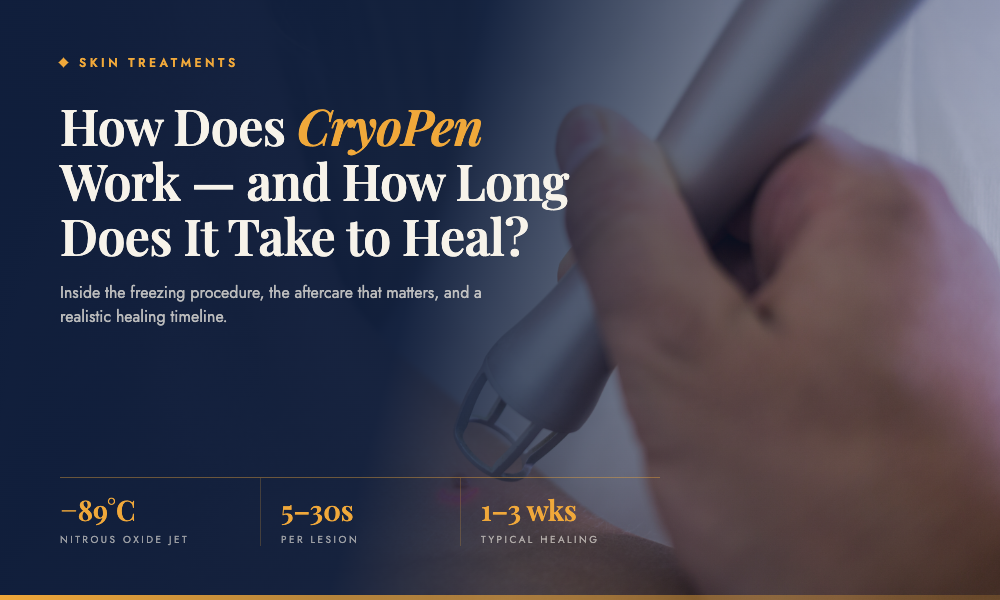
How Does CryoPen Work and How Long Does It Take to Heal?

20 August 2026
Iron Infusion vs Oral: Which Treatment Do You Need?
Treatments

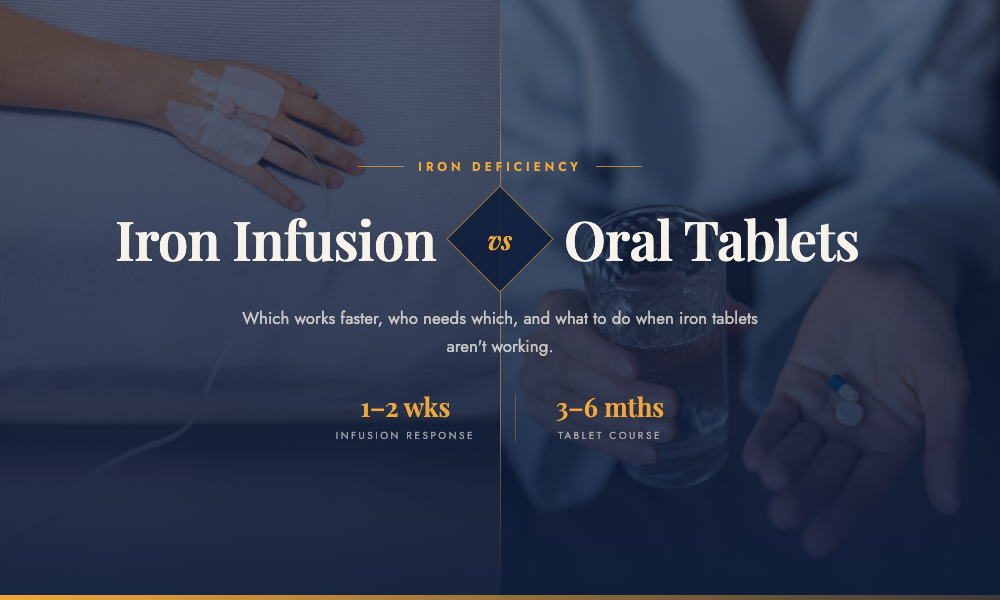
Iron Infusion vs Oral: Which Treatment Do You Need?

24 August 2026
Hair Transplant Recovery: What to Expect as You Heal
Hair Loss

Hair Transplant Recovery: What to Expect as You Heal

28 August 2026
How to Prepare for an Iron Infusion: A Simple Guide
Treatments

How to Prepare for an Iron Infusion: A Simple Guide

1 September 2026
Get Started

Request a Callback

Fill out the form below and our team will get back to you to arrange your consultation.

Insurance

We Accept The Following Insurance

Bupa
Vitality
WPA
AXA
Testimonials

Feedback from Our Happy Patients

"We experienced high class service at House of Health from the doctors. Thank you for seeing us promptly."

M
MAVerified Patient

"House of Health is really just that! My experience has been nothing short of delightful and I am so happy I have discovered this clinic! The staff are warm and welcoming, the clinic is immaculate and the Dr's are extremely knowledgeable. This for me is a life changing service and I am so grateful."

A
AnonymousVerified Patient

"A seamless experience to date. The clinic is very well presented and a step up from my usual GP clinic. Dr Anita is lovely and really makes you feel heard. The patient coordinator Megan has been extremely helpful and always on hand to answer all of my queries."

L
LPVerified Patient

"Got an appointment for next day really quick. Dr. Sharan Wadhwani was incredibly professional and gave me a really quick diagnosis and weeks of fretting and worrying were over in seconds. The whole team were really polite and welcoming."

S
SSVerified Patient

"Great service! I was able to get an appointment the same day, and the whole process was easy and smooth. Highly recommend!"

A
ARVerified Patient

"From the moment you step into the clinic, the welcoming atmosphere and professionalism of the staff put you at ease. Dr. Raja is incredibly knowledgeable, attentive, and genuinely cares about your well being."

H
HAVerified Patient

"A wonderful clinic with caring, dedicated doctors. We have never experienced such care before. Efficient and high class."

B
BHVerified Patient

"I was able to book a same-day appointment online, which was incredibly convenient. The GP was absolutely lovely—so knowledgeable, attentive, and reassuring throughout the appointment. I felt truly listened to and cared for."

M
MSVerified Patient

"House of Health is a 5 star service. From booking, being seen by the doctor to medications – everything was a breeze. Thank you to the doctors for providing such a high quality service."

K
KCVerified Patient