
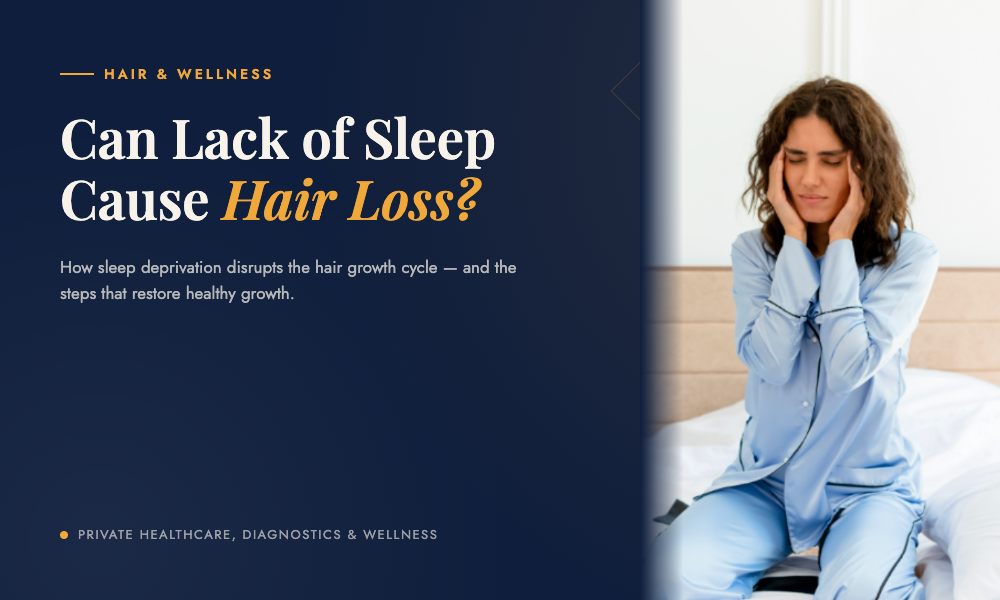
Yes, severe sleep loss causes hair loss. Sleep deprivation floods the body with stress hormones like cortisol, which forces hair follicles into a premature rest phase. The strands fall out a few months later.
Proper rest is vital for cellular repair. This guide explains the precise biological connection between poor rest and hair preservation. It explores the underlying medical mechanisms, diagnostic steps, and evidence-based clinical solutions available to patients.
The Nature of Sleep Deprivation and Hair Loss
Hair loss due to sleep deprivation is associated with a specific medical condition. Doctors call this condition telogen effluvium. It represents a temporary form of hair loss. It occurs when immense physical or mental stress disrupts the natural life cycle of human hair.
Under normal conditions, a strand grows for several years. Then, it transitions to a rest phase. Finally, it falls out, allowing a new strand to emerge. If a patient suffers from chronic sleep loss, the body panics. It pushes a massive amount of hair into the rest phase all at once.
The Biological Link Between Rest and Follicle Health
How exactly does poor rest destroy hair? The mechanism relies heavily on hormones and cellular repair.
High Cortisol Levels
Sleep reduces physical stress. If a person stays awake, cortisol levels skyrocket. High cortisol damages the proteins in the skin. It attacks the dermal papilla. The dermal papilla serves as the hair's root. When this root suffers damage, the strand detaches.
Melatonin Disruption
The brain produces melatonin when a person sleeps in a dark room. Melatonin regulates rest. Furthermore, melatonin receptors exist in hair follicles. This chemical actually protects hair from oxidative stress. If a patient lacks sleep, they lack melatonin. Therefore, their hair loses its natural defence.
Poor Cellular Repair
The human body heals itself at night. Deep sleep promotes cell division. Hair cells divide faster than most other cells. If a person cuts their rest short, cell division slows down. The body diverts energy to essential organs like the heart. It abandons the hair.
Restricted Blood Flow
Chronic exhaustion can affect your scalp's health. When your body is constantly tired, the small blood vessels in the scalp may narrow. This can reduce blood flow, meaning hair follicles receive less oxygen and nutrients. Over time, this may weaken the follicles and make it harder for them to produce thick, healthy hair strands.
Who Faces the Highest Risk of Follicle Damage?
Certain people face a much higher risk of this specific type of hair loss.
- Shift Workers: People who work at night disrupt their natural circadian rhythm. Their bodies never settle into a proper routine. This constant shift exhausts the system completely.
- Insomnia Sufferers: Patients who cannot fall asleep face chronic stress. This constant exhaustion accelerates hair loss. They spend hours awake in bed. This creates a severe mental burden.
- Severe Mental Pressure: If a person faces extreme pressure at work, they likely sleep poorly. The combination of mental stress and physical exhaustion creates the perfect storm for follicle damage.
- Post-Partum Mothers: New mothers experience severe sleep loss. Furthermore, they experience massive hormone drops. This double impact almost always triggers severe telogen effluvium.
How to Identify Sleep-Related Hair Loss?
How do doctors identify this specific type of hair loss? The clinical signs are quite distinct.
- Diffuse Thinness: Patients do not see bald patches. Instead, they notice an overall thinness across the entire scalp. The ponytail feels much smaller.
- Delayed Fall: The hair does not fall out straightaway. Usually, the severe shed happens three months after a period of extreme sleep deprivation. This delay often confuses patients.
- White Bulbs: When a patient examines the fallen strands, they see a tiny white bulb at the root. This white bulb confirms the hair was in the telogen rest phase.
Severe Danger Signs You Must Not Ignore
Sometimes, hair loss can point to a much more serious medical emergency. Patients must watch for these severe signs.
- Sudden Bald Spots: If hair falls out in smooth, round circles, the patient might possess an autoimmune disease. Doctors call this alopecia areata. This requires specialist intervention.
- Severe Scalp Pain: Sleep loss does not cause pain. If the scalp burns, the patient might possess a severe infection. This requires urgent antibiotics.
- Extreme Fatigue with Weight Drop: If a person cannot sleep and loses weight rapidly, their thyroid might be hyperactive. This requires immediate medical attention and referral to an endocrinologist.

Need A Plan For Your Hair Loss?
Other Conditions That Mimic Sleep Exhaustion
Doctors must rule out other conditions. Many diseases mimic sleep-related hair loss perfectly.
- Androgenetic Alopecia: This is genetic male- or female-pattern baldness. It happens slowly over many years. It focuses on the crown and hairline. It does not happen suddenly.
- Nutritional Deficiencies: A severe lack of iron or Vitamin D causes identical diffuse hair loss. A proper evaluation of blood reveals these specific shortages.
- Medication Side Effects: Certain blood pressure pills or mood stabilisers cause strands to shed. A doctor will always review the complete medical history.
Medical Tests to Confirm the Root Cause
A clinical professional will perform specific tests to confirm the exact cause. They will analyse the scalp closely.
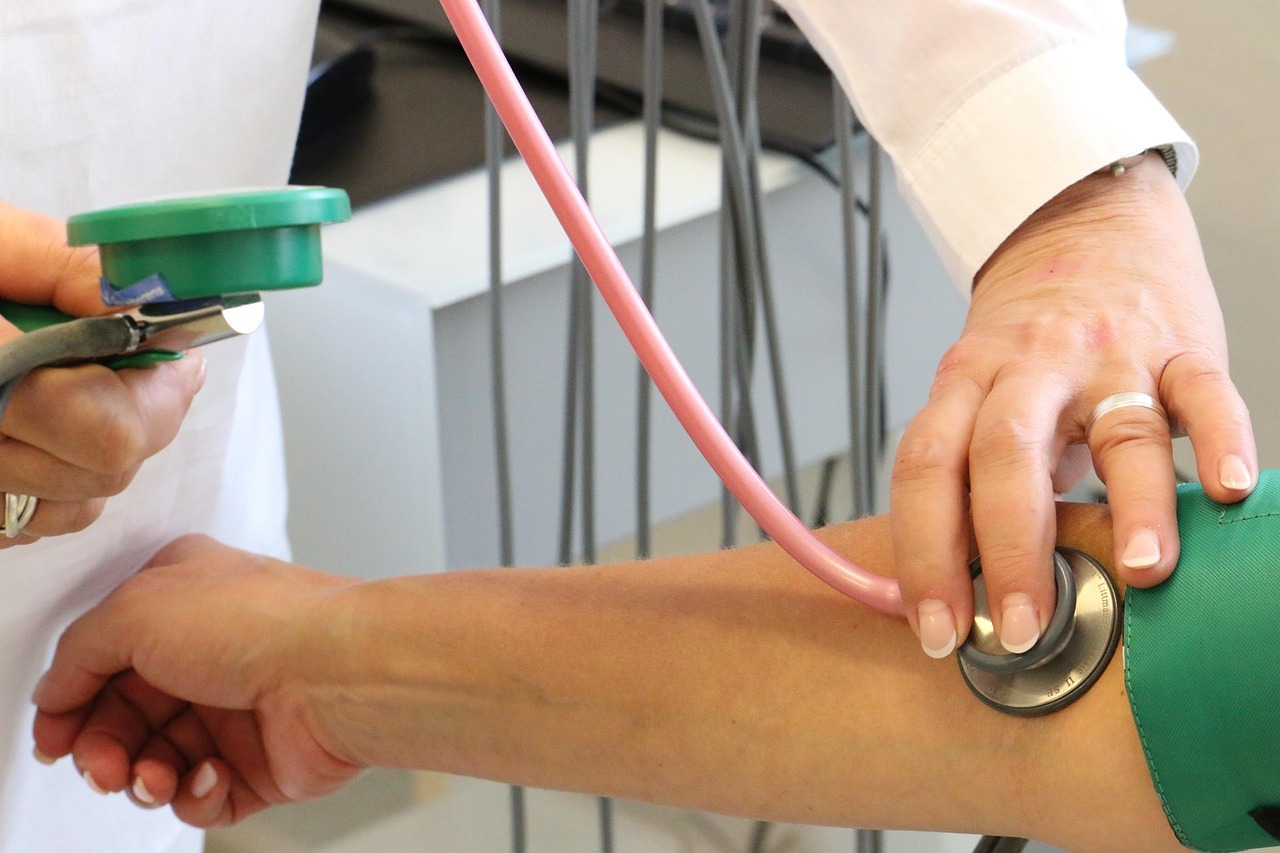
- The Pull Test: A doctor grasps a small section of hair. They pull it gently. If more than six strands detach easily, it indicates active telogen effluvium.
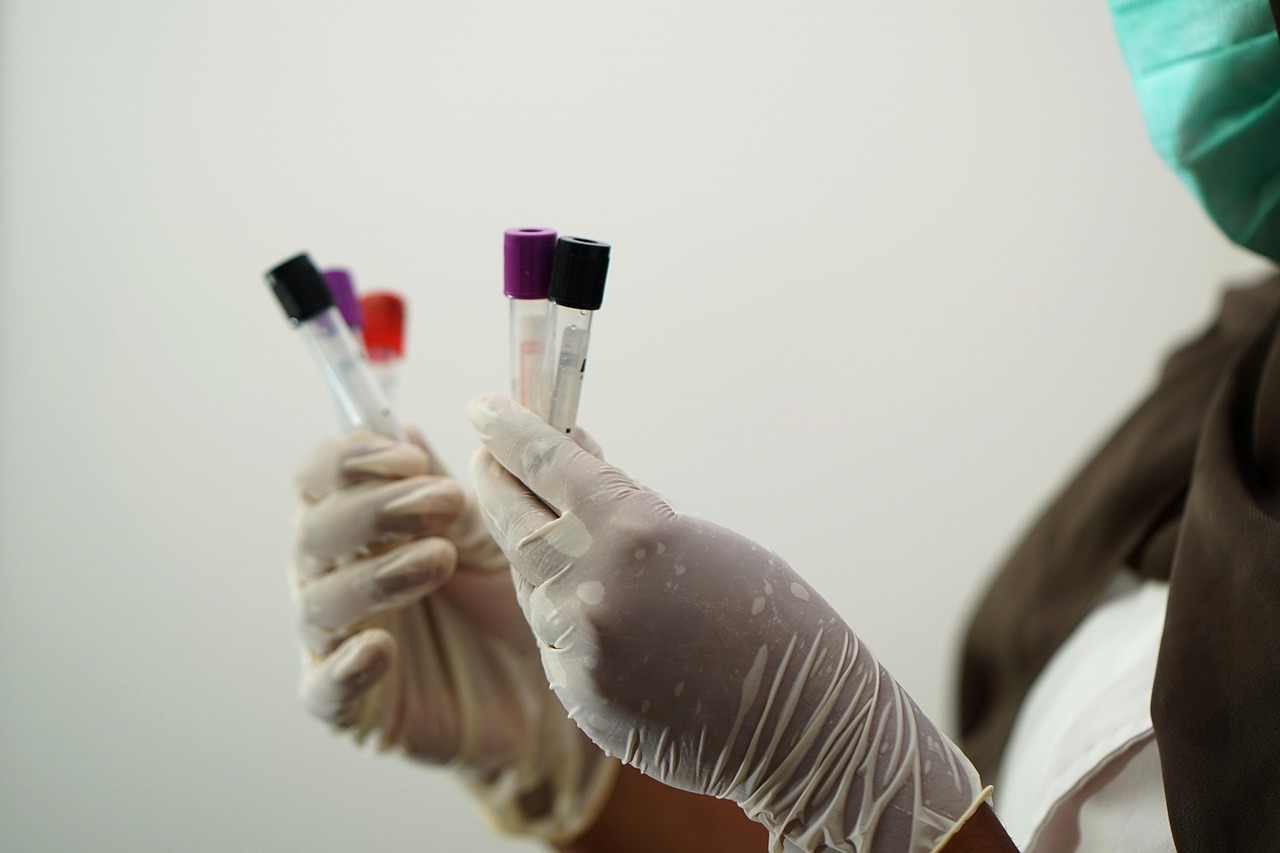
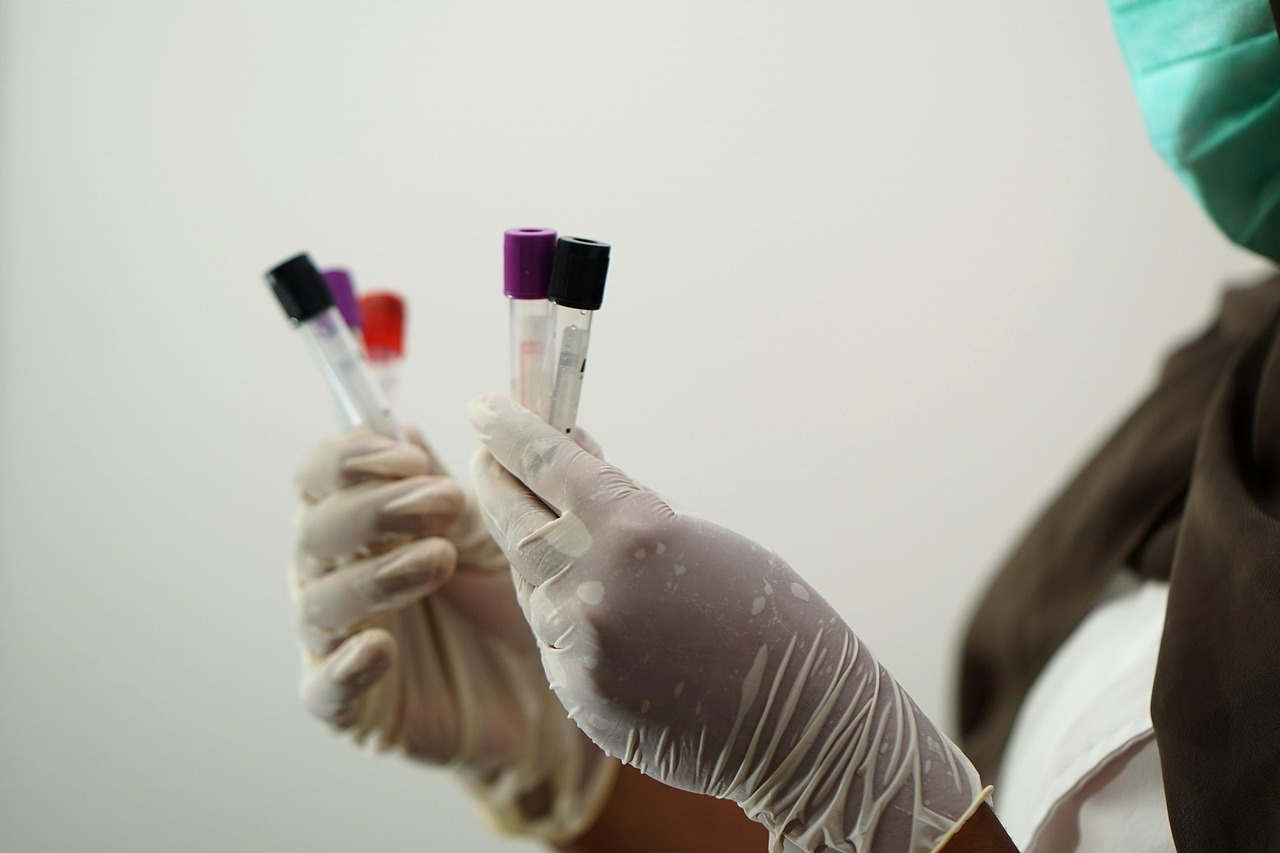
- Comprehensive Blood Tests: To rule out other causes, a doctor will order complete blood work. They check iron, thyroid hormones, and vitamin levels.
- Scalp Biopsy: In rare cases, a doctor removes a tiny piece of skin from the scalp. They examine it under a microscope to check the health of the follicles.
Clinical Options to Restore Hair Growth
Medical science offers clear pathways to treat this condition.
- Sleep Hygiene Protocols: The primary treatment is sleep restoration. Patients must aim for 8 hours of uninterrupted sleep. They must keep the bedroom cool. They must remove the mobile phone from the room. A strict bedtime routine is essential.
- Topical Minoxidil: Doctors often prescribe a topical liquid called minoxidil. Patients apply this directly to the scalp. It expands blood vessels. This delivers more oxygen and nutrients to starved follicles. It forces the hair back into the active growth phase.
- Nutritional Support: If blood tests reveal a deficiency, doctors prescribe precise medical supplements. High-grade Vitamin D or iron can support the recovery of hair cells.
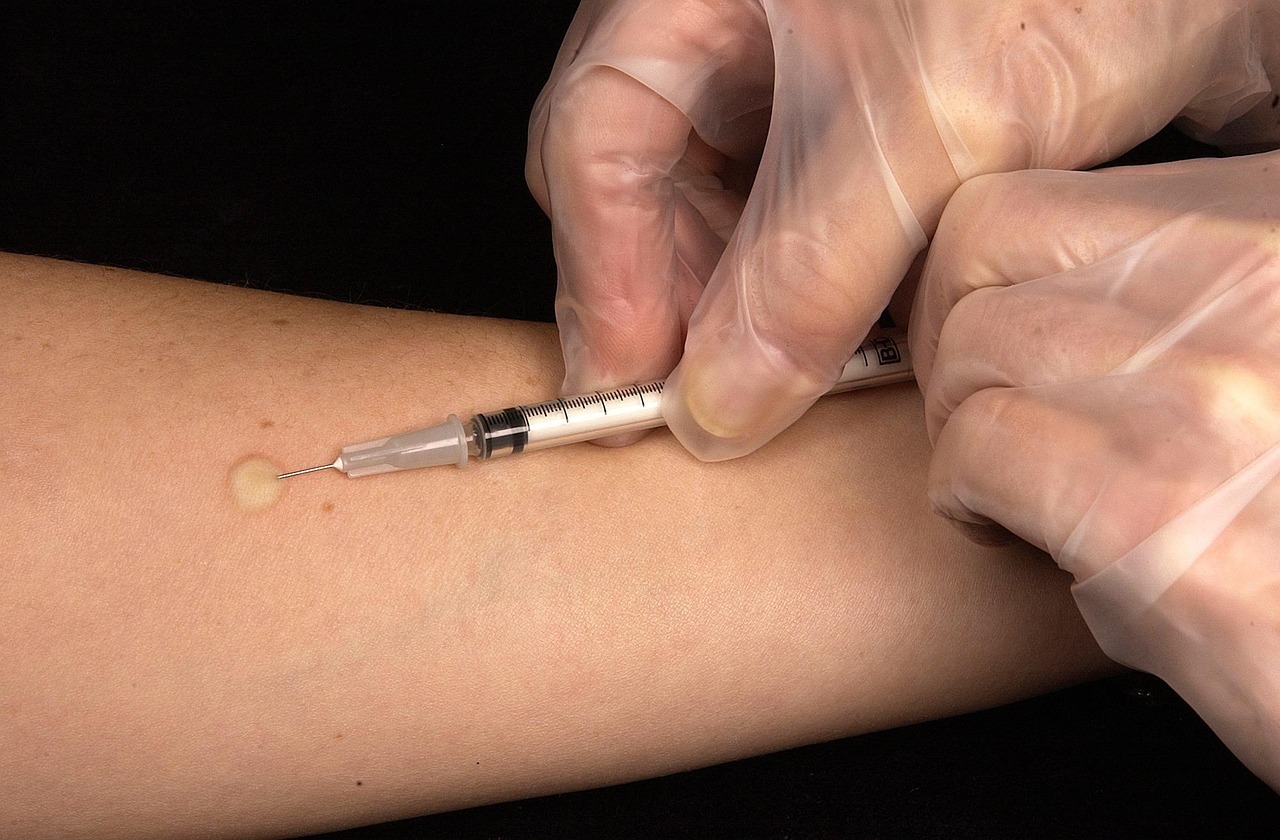
- Platelet-Rich Plasma: Doctors extract blood from the patient. They isolate the growth factors. They place these factors back into the scalp. This stimulates dormant hair roots. It accelerates the natural recovery process.
Long-Term Outlook for Follicle Recovery
The outlook for sleep-related hair loss is excellent. The condition is entirely reversible.
Once a patient corrects their sleep patterns, the excessive shedding will stop. However, patience is vital. Hair grows slowly. It usually takes three to six months for the shed to halt completely. It takes another six to twelve months for the hair to regain its normal density. Permanent baldness does not occur from simple sleep deprivation.
If you are experiencing persistent hair thinning or would like expert guidance on improving hair growth, the specialists at House of Health can assess your scalp health and discuss personalised hair restoration options tailored to your needs.
Common Queries About Sleep and Hair Health
Can an afternoon nap reverse the damage?
No. Naps are helpful. However, they do not replace deep, continuous sleep. The human body needs uninterrupted hours to complete essential cellular repair cycles.
Does stress cause more hair loss than lack of sleep?
They are deeply connected. High stress ruins sleep. Poor sleep increases stress hormones. Both factors trigger the exact same biological response in hair follicles.
Will the strands grow back on their own?
Yes. If sleep deprivation were the sole cause, the hair would recover naturally once rest patterns normalise. Patients do not always need medical treatment if the root cause is addressed.
Does the time a person goes to bed matter?
Yes. The body follows a natural circadian rhythm. A person produces the most melatonin late at night. If they stay awake at this time, they disrupt the vital repair mechanisms for their skin and hair.