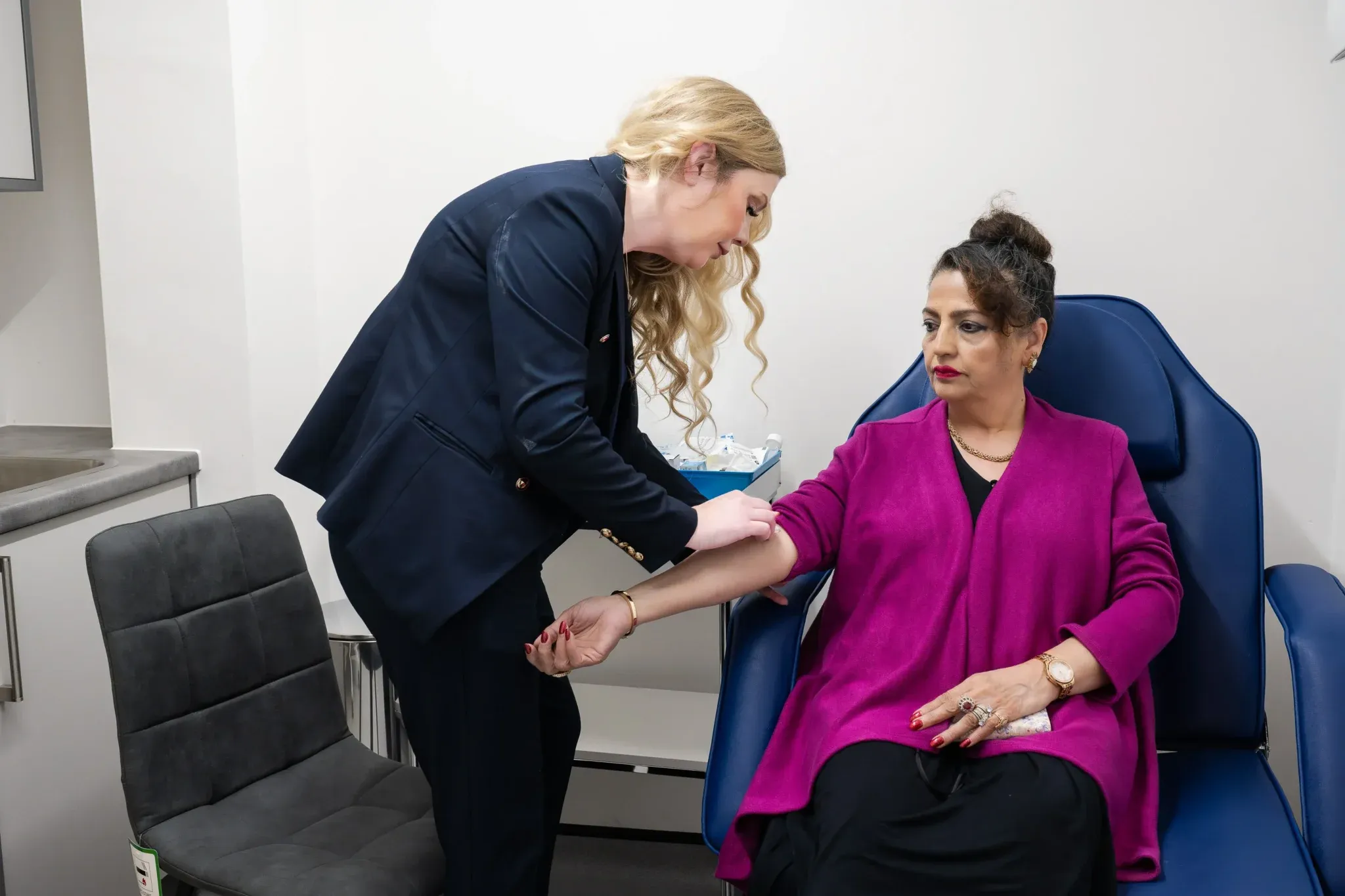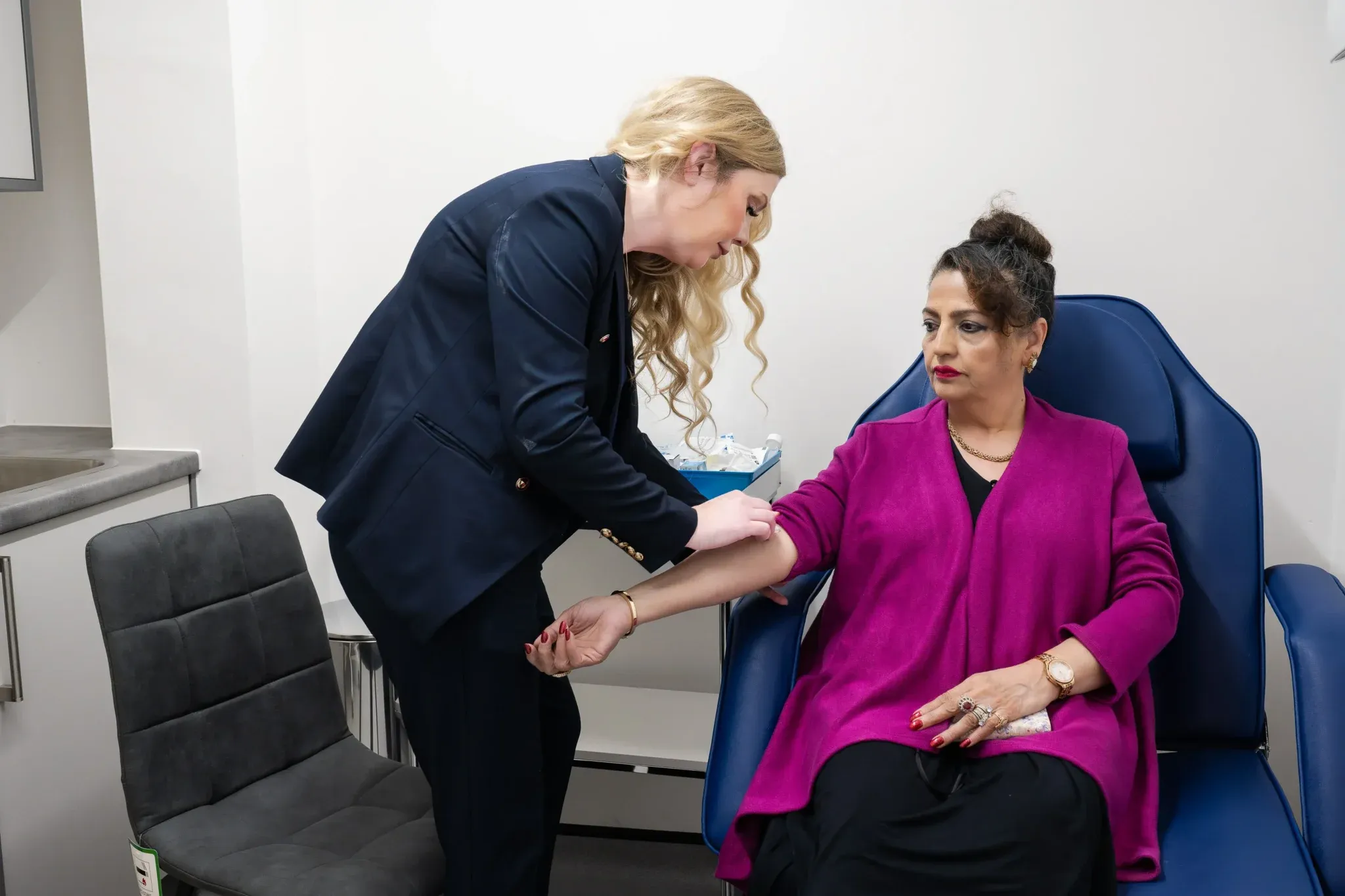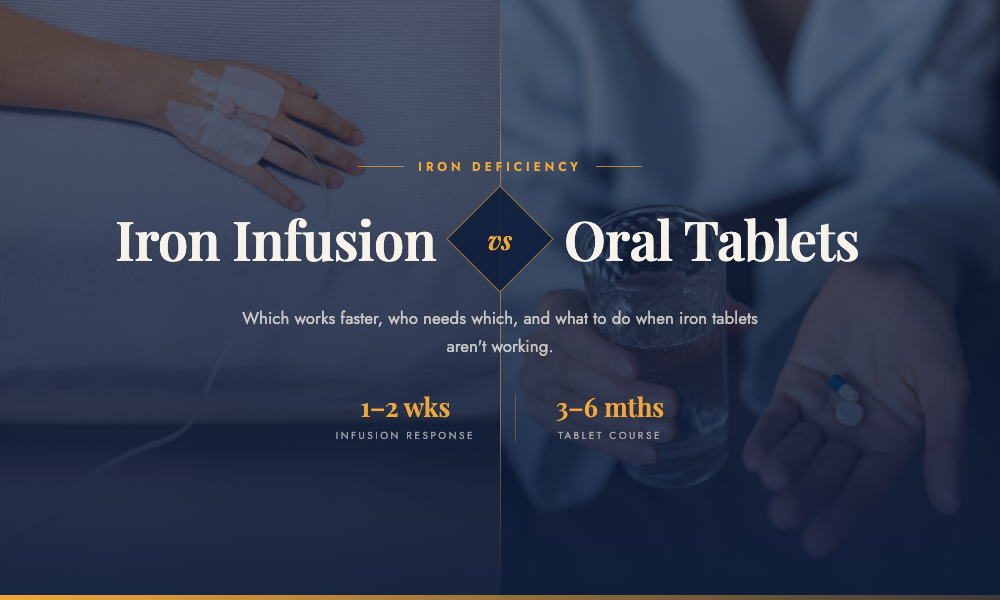

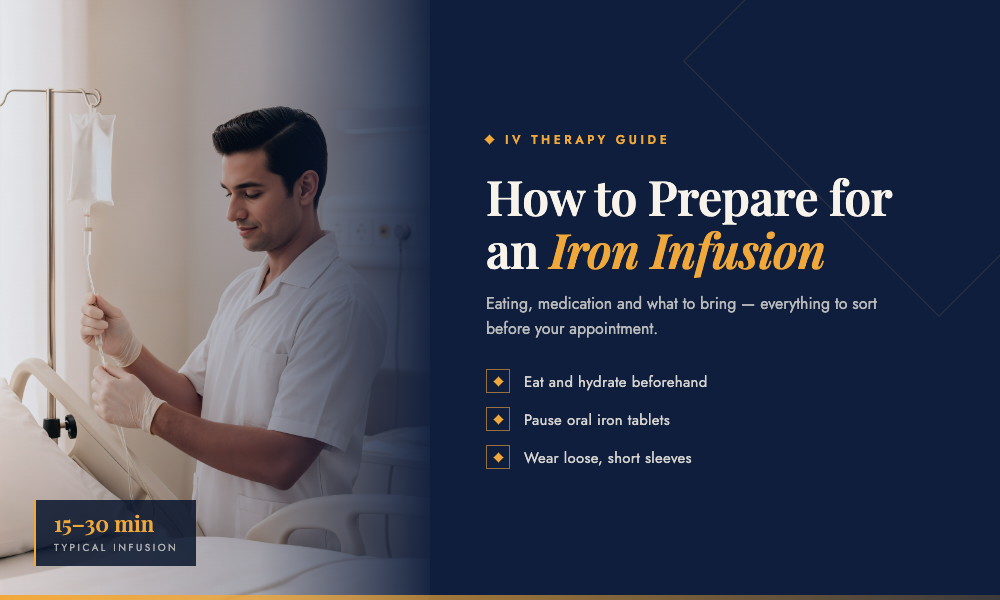
In preparation for an iron infusion, eat a light meal, drink lots of water, continue taking your medication unless your physician advises against it, and dress in loose, easily rolled-up-sleeve clothes. Such simple measures will make you feel comfortable and ensure that the process proceeds without any hitch. Iron infusions are given when iron levels in your body are low via a tiny drip into your arm.
This guide explains each step in plain words. It covers what to do before you arrive, what happens on the day, how long the drip takes, and how to look after yourself once you get home.
Key Takeaways
- Take your regular medicines unless your doctor gives you different advice.
- Pause iron tablets around the treatment only if your care team asks you to.
- Wear loose sleeves and plan for one to two hours at the clinic.
- Rest, drink fluids, and watch for delayed reactions in the first two days afterwards.
Iron Infusion Preparation: Steps to Take Before Your Visit
Proper preparation for IV iron infusion is key to making the process as easy as possible one or two days before the appointment.
The following will make the insertion easier and will allow you to relax before the procedure.
- Stay hydrated the day before and on the morning of the appointment, as properly hydrated veins facilitate the insertion of the drip.
- Eat normally on the morning of the appointment to ensure that you do not get dizzy.
- Stop iron tablets around the treatment only if your care team tells you to.
- Wear a top with loose sleeves so the nurse can easily reach your arm.
- Bring a book, headphones, or your phone to pass the time.
- Tell the clinic if you are pregnant or think you may be.
- Share your full medical history with the consultants and clinical team before the day. This helps them plan the right dose and answer your questions early.

Tired All the Time Because of Low Iron?
- The specialist doctors and nurses at House of Health check your iron levels, find the cause, and plan your treatment with care all under one roof in Birmingham.
Iron Infusion for Anaemia: Who Needs This Treatment?
Doctors often recommend an iron infusion for anaemia caused by low iron stores. Anaemia means your blood carries less oxygen than your body needs, which drains your energy day after day.
You may need this treatment if you have:
- Heavy periods that lower your iron levels over time
- A gut condition that stops your body from absorbing iron well
- Ongoing blood loss after surgery or childbirth
- Long-standing kidney or heart disease
- Indigestion or constipation caused by iron supplements
Tiredness, pale complexion, difficulty breathing, headaches, and weak nails are common symptoms of iron deficiency. Prolonged iron deficiency is often an indicator of an underlying stomach or intestinal disorder, which is why it is important to have your digestive system checked by a specialist.
Can You Eat Before an Iron Infusion?
Yes, you can eat before this treatment. You do not need to fast, and arriving with an empty stomach can actually make you feel dizzy in the chair.
Many people ask, "Can you eat before an iron infusion?" Here is the simple approach:
- Eat a light meal one to two hours before your appointment.
- Skip heavy or greasy food that may sit badly while you rest in the chair.
- Keep sipping water before and during your visit.
- Tea and coffee are fine in normal amounts.
Some clinics ask you to pause iron tablets on the day itself. Follow the exact advice your care team gives you, because it depends on your blood results.
What to Expect During an Iron Infusion
Knowing what to expect during an iron infusion takes away most of the worry. The visit follows four simple stages:
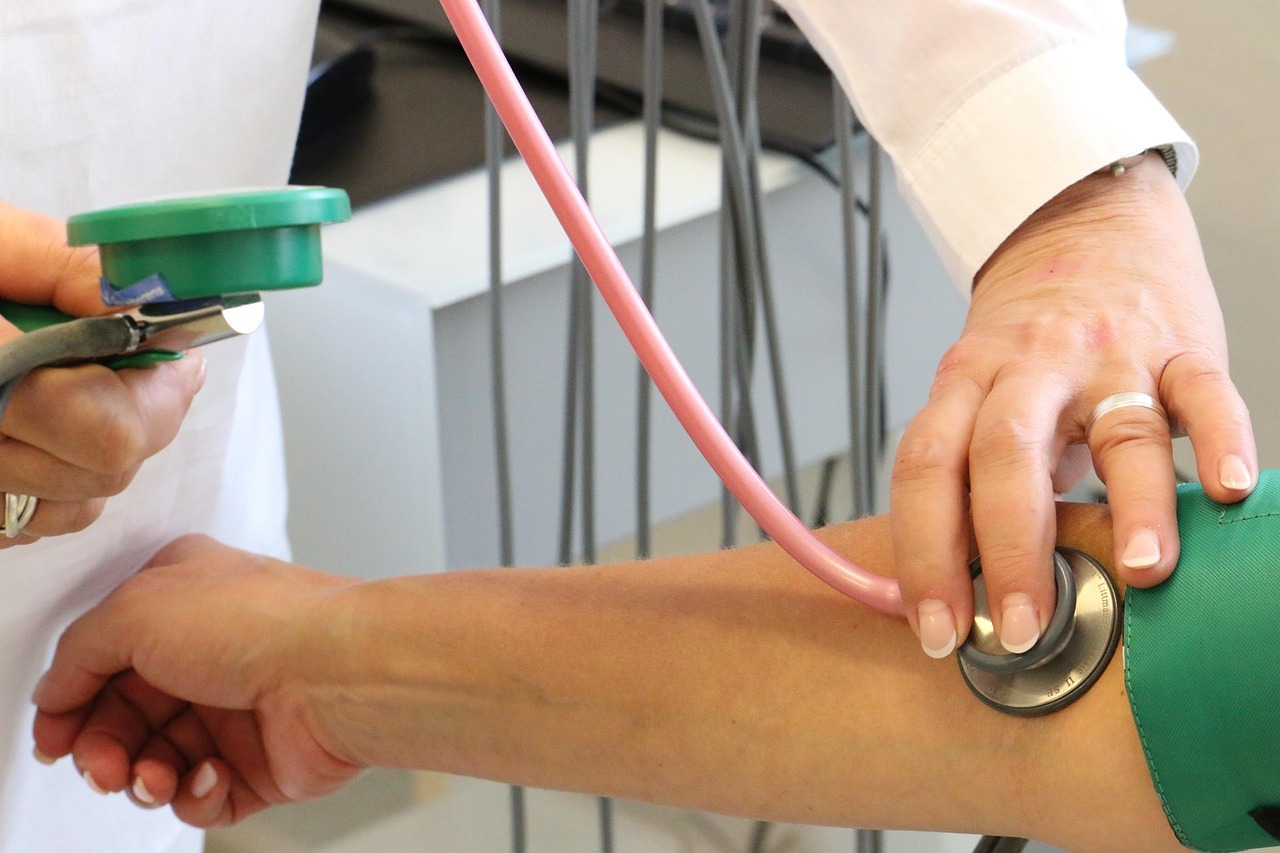
- Checks first. A nurse records your blood pressure, pulse, and temperature, and asks about your health and allergies.
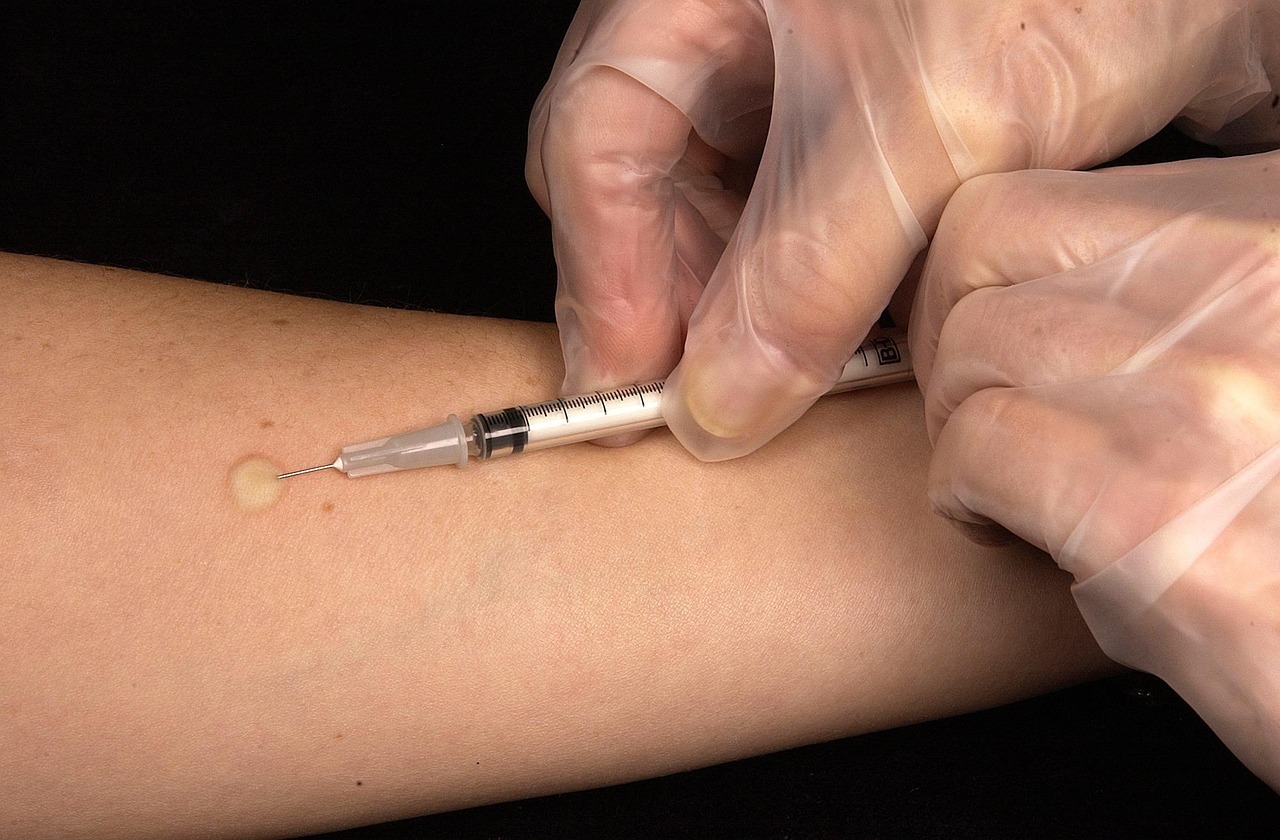
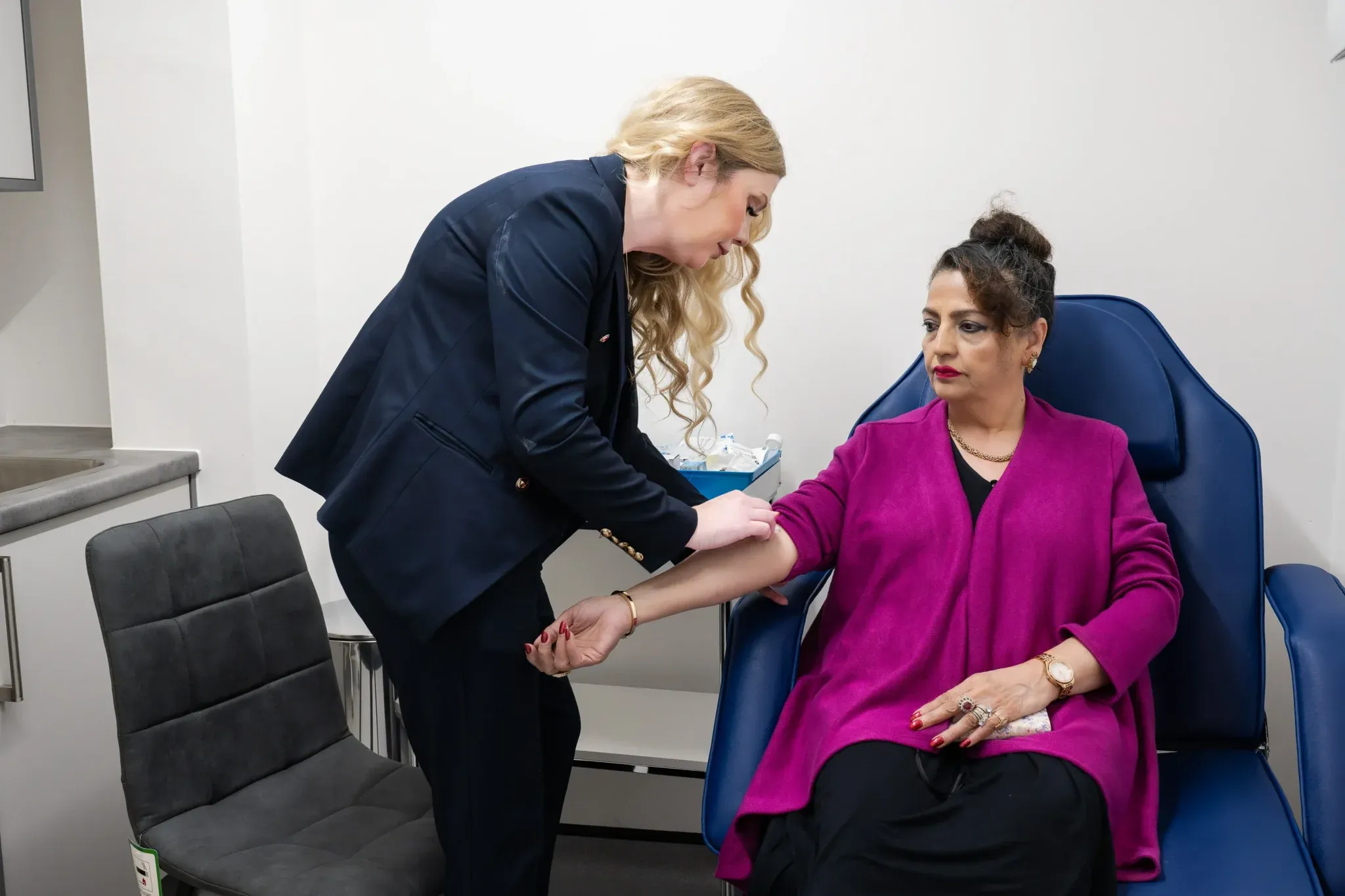
- The drip goes in. The nurse places a thin tube in a vein in your arm or hand. You may feel a quick sting that fades in seconds.
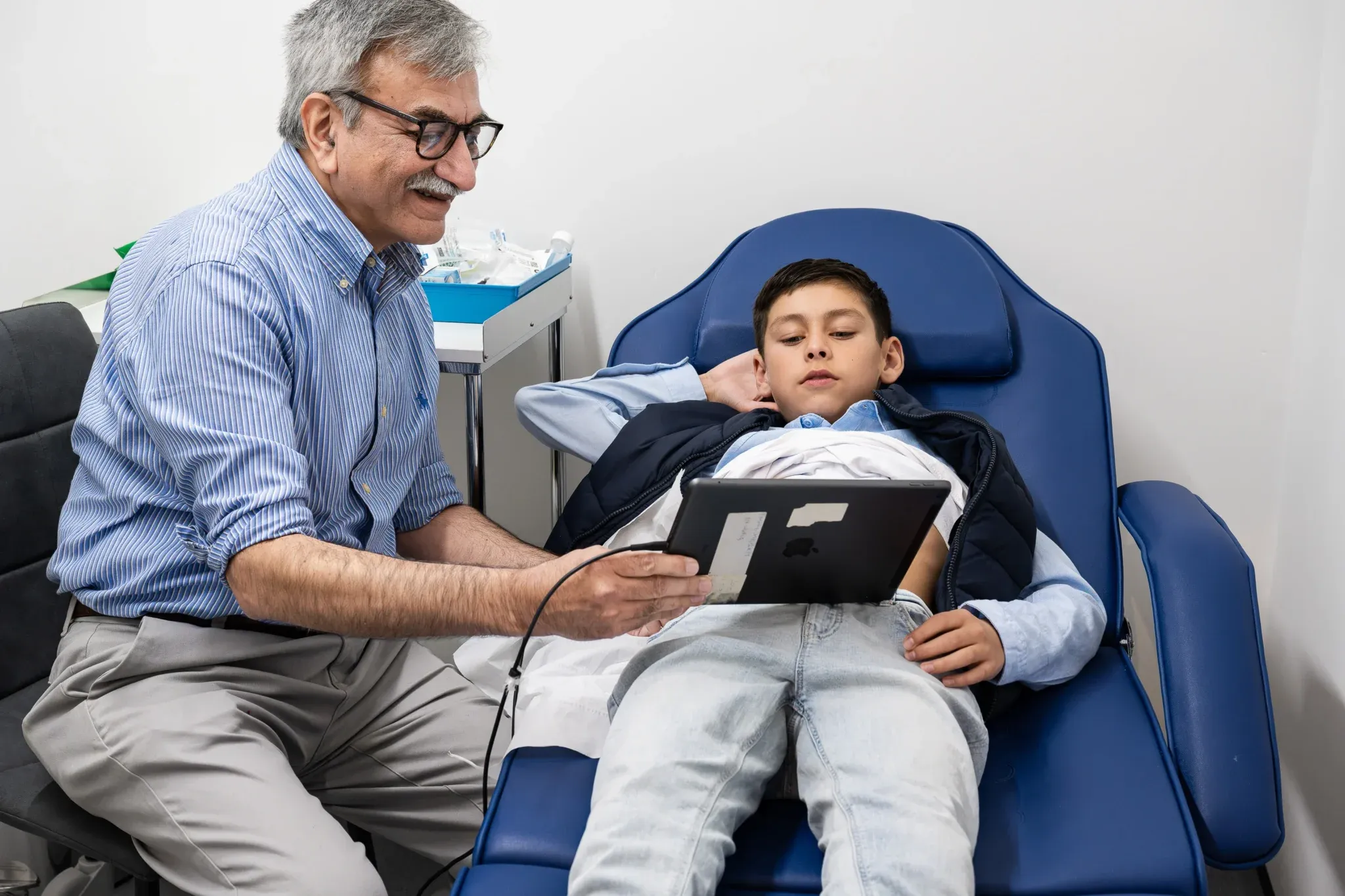
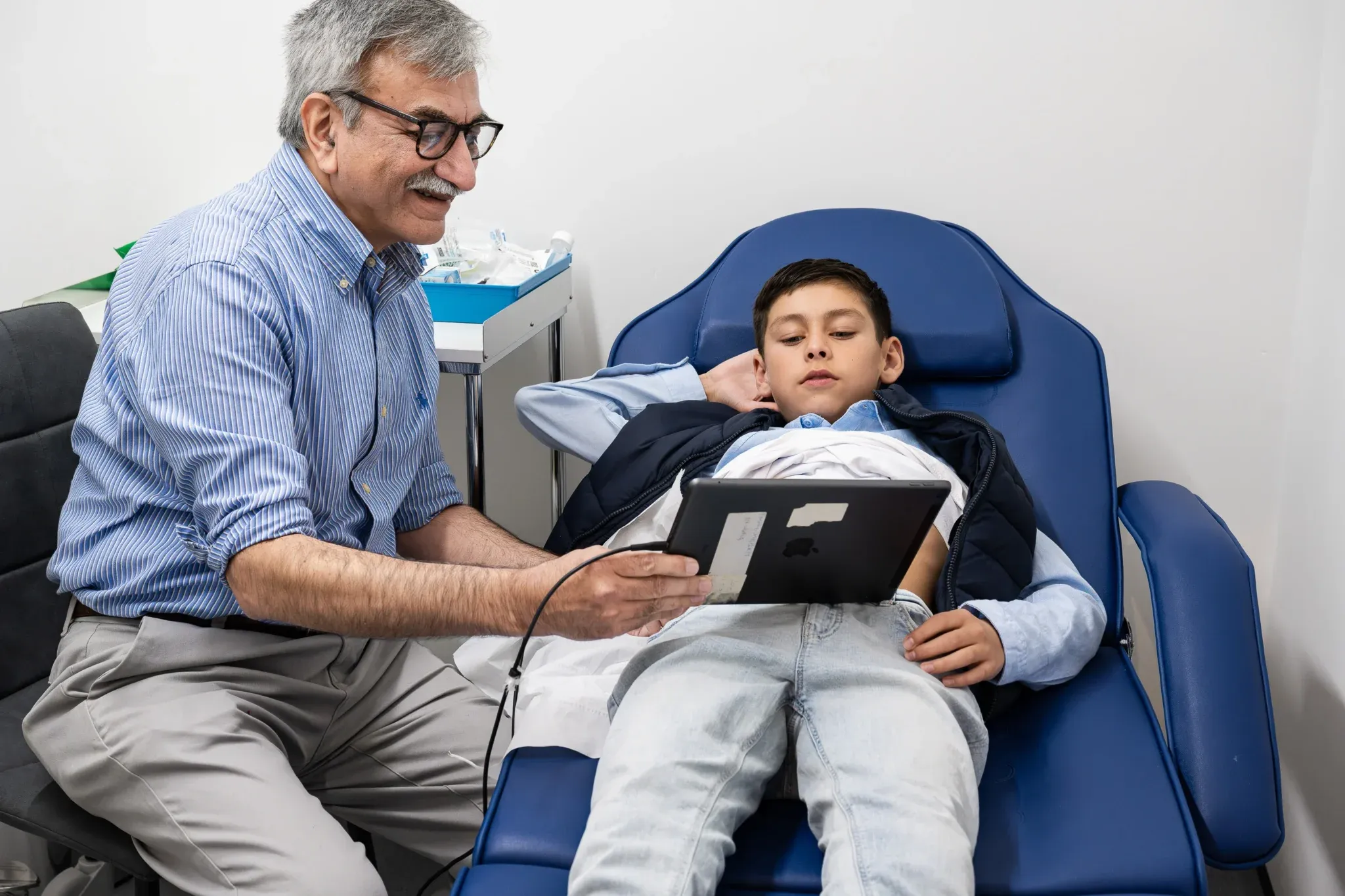
- The iron flows slowly. You sit back in a comfortable chair while the liquid iron enters your vein. You can read, listen to music, or simply rest.
- A short watch period. Staff observe you during the drip and for about 30 minutes afterwards to ensure you feel well.
Tell the nurse straight away if you feel itchy, flushed, dizzy, or unwell at any point. The team can slow or stop the drip and help you quickly.
How Long Does an Iron Infusion Take?
So, how long does an iron infusion take? Most sessions take between 15 and 60 minutes, depending on the dose your doctor prescribes.
Allow one to two hours for the full visit. This covers your checks before the drip, the drip itself, and the short observation period afterwards. Some people need a second visit a week or more later to fully top up their iron stores. Your blood results guide that decision.
Worried About Your First Infusion Visit?
- Consultant-led care with close monitoring at every step
- Same-day appointments at a CQC-registered Birmingham clinic
- Clear advice before, during, and after your treatment
Iron Infusion Side Effects
Most iron infusion side effects are mild and settle on their own within a day or two. Knowing what is normal helps you stay calm if they appear.
Common short-term effects include:
- Headache or feeling a little sick
- A metallic taste in the mouth
- Flushing or a warm feeling
- Muscle or joint aches
- Mild bruising where the drip went in
Some people notice flu-like aches or a mild fever within 1 to 2 days after the visit. These usually pass with rest and fluids.
In rare cases, the fluid might escape beneath the skin and result in a brown stain which may take time to heal. If you experience any burning sensation, stinging, or swelling around the drip site during treatment, inform the nurse immediately. Such severe allergic reactions are uncommon, and nurses are available to monitor you closely. If you experience any such symptoms after leaving the clinic, then visit a hospital immediately.
What to Do After an Iron Infusion
Good aftercare helps your body settle and enables early detection of any abnormalities. After iron infusions, the following steps should be taken:
- Eat as usual; there is no need for any special diet.
- You may return to work and other activities as soon as you feel well.
- Avoid strenuous exercise for 24 hours if you feel tired and sore.
- Keep the small bandage in place for several hours and keep the affected area clean.
- Monitor the infusion site and inform the clinic if you experience any inflammation or pain.
It takes some time for your energy levels to build up with the iron intake, typically one to several weeks and not immediately. A blood test after several weeks would show your results.
Conclusion
Preparation for an iron infusion is quite simple. All you need to do is have a light meal, drink plenty of fluids, take all your medications (except what you are told not to), and wear loose-sleeved clothing. Spend two hours at the facility, and afterwards make sure you stay hydrated.
The specialist team at House of Health provides consultant-led iron infusion care and private blood tests in Birmingham to check your iron levels before and after treatment. If you have questions about the treatment, the House of Health team can guide you at every step.
FAQs
Should you stop iron tablets before the treatment?
Avoid only if advised by your healthcare provider. Medication may be temporarily held during the infusion process, and most patients do not require any medication afterwards.
What should you wear to the appointment?
Wear comfortable clothes with loose sleeves that roll up above the elbow. Light layers help, since you will be sitting still for up to an hour.
Can you have an iron infusion while pregnant?
Sometimes, yes. Doctors usually avoid the treatment in the first three months of pregnancy, so always tell the clinic if you are pregnant or trying to conceive.
How soon do you feel better afterwards?
Most people notice increased energy within 1 to a few weeks as the body produces new red blood cells. A follow-up blood test confirms your levels have improved.
Can you exercise after the treatment?
Light activity such as walking is fine on the same day. Wait around 24 hours before intense exercise, and longer if you feel achy or tired.
How often can you have an iron infusion?
It depends on your blood results and the cause of your low iron. Some people need a single visit, while others need a top-up after a week or more. Your doctor makes a decision based on regular blood tests.