
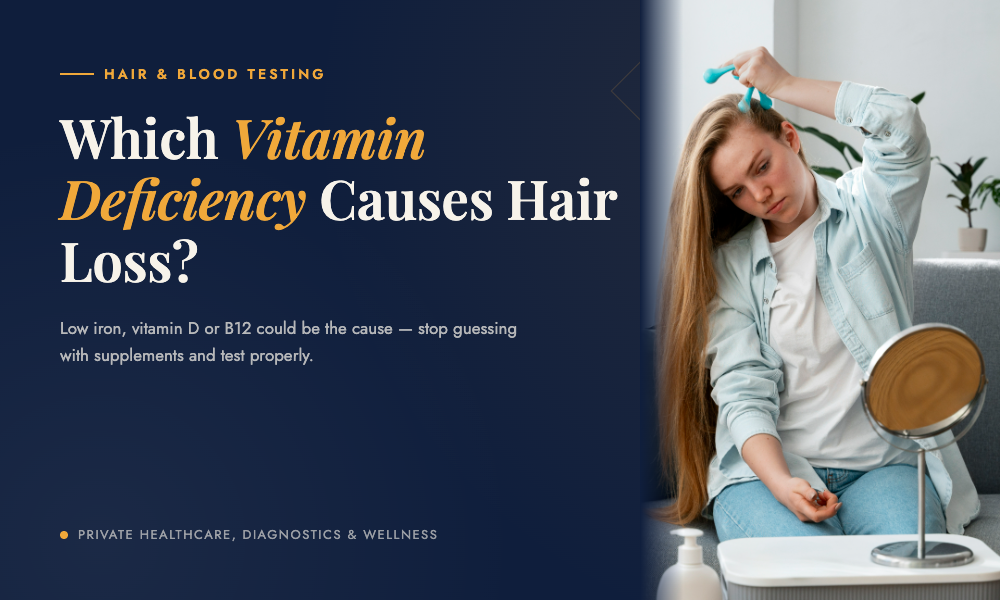
The most common deficiencies linked to hair loss are Iron (specifically Ferritin), Vitamin D, Vitamin B12, and Zinc. Low levels of these nutrients restrict oxygen and energy to the hair follicle, forcing it into a resting phase and causing noticeable shedding.
Certain vitamins play a critical role in hair follicle function, and when levels drop too low, excessive shedding can occur. Identifying the specific vitamin deficiency is key to treating hair loss effectively, without wasting money or worsening the problem.
This guide explains exactly which vitamins matter and the myths about supplements. We will discuss why a simple blood test is the only safe way to start your journey to recovery.
The Biological Link Between Nutrition and Hair Cycles
Hair loss due to internal starvation is associated with a specific medical condition. Doctors call this condition telogen effluvium. It represents a temporary form of hair loss. It occurs when immense physical stress disrupts the natural life cycle of human hair.
Under normal conditions, a strand remains in the active growth phase for several years. Then it pauses briefly. Next, it enters a rest phase. Finally, it falls out, allowing a new strand to emerge.
If a patient suffers from a chronic vitamin shortage, the body panics. It pushes a massive amount of hair into the rest phase all at once. The follicles shut down. They conserve energy for survival.
How Specific Nutrient Shortages Destroy Follicles?
How exactly does a nutritional shortage destroy hair? The mechanism relies entirely on cellular division and oxygen transport. Different vitamins perform distinct biological roles.
The Impact of Vitamin B12
The body requires Vitamin B12 to produce red blood cells. Furthermore, it needs this vitamin for DNA synthesis. Hair matrix cells divide at an incredibly rapid pace. They require massive amounts of DNA to replicate.
If a patient is deficient in B12, their cells cannot divide properly. Doctors call this macrocytic anaemia. The red blood cells become unusually large. They become highly inefficient. They fail to deliver adequate oxygen to the tiny blood vessels in the scalp. The follicles suffocate. They cannot breathe. The hair detaches from the starved root.
The Vital Role of Iron
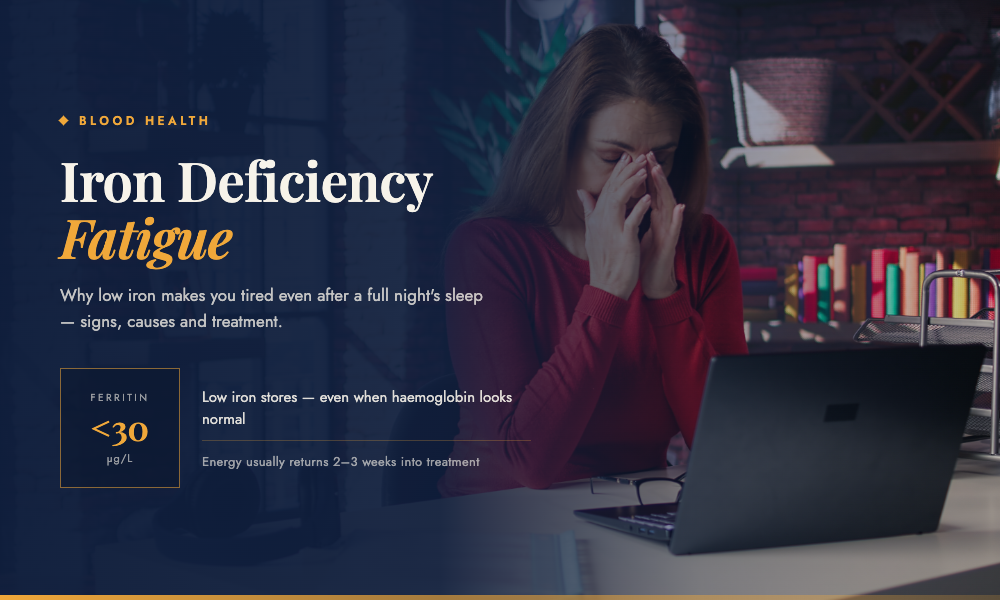
Iron creates haemoglobin. Haemoglobin binds to oxygen in the blood. The body stores reserve iron as a protein. Doctors call this protein ferritin. The human body is incredibly smart. It prioritises vital organs for iron distribution.
If dietary iron drops, the body steals ferritin from non-essential tissues. The hair bulb is a non-essential tissue. A massive drop in ferritin halts cellular mitosis in the scalp. Without iron, the dermal papilla starves. The dermal papilla acts as the true root of the hair. The sudden depletion of iron forces the strand into a premature rest phase.
The Power of Vitamin D3
The sun provides this vital hormone. The skin absorbs ultraviolet rays. It converts these rays into provitamin D, and the liver and kidneys then activate it. The active form binds to specific receptors in the skin.
These receptors must activate to initiate the active hair growth phase. If a patient stays indoors constantly, they lose this vital hormone. A severe lack keeps the follicle completely dormant. The UK lacks strong sunlight for most of the year. Therefore, many patients suffer from this exact shortage.
The Need for Zinc
Zinc acts as a coenzyme. It assists hundreds of different internal chemical reactions. It is absolutely essential for protein synthesis. Hair consists of pure keratin. Keratin is a tough, dense protein.
Zinc regulates the structural integrity of this keratin. It also controls the local immune response around the follicle. A lack of zinc causes brittle, weak keratin. The hair snaps easily. Furthermore, local inflammation damages the surrounding skin.
The Danger of Vitamin A Toxicity
Sometimes, an excess of a vitamin causes massive harm. Massive doses of Vitamin A speed up the hair cycle unnaturally. The hair reaches the end of its life too fast. It falls out prematurely. Patients must avoid excessive consumption of synthetic Vitamin A supplements.
Who Faces the Highest Risk of Internal Starvation?
Certain patients face a much higher risk of internal starvation. They must constantly monitor their blood levels.
- Strict Plant Diets: Meat and dairy provide the highest natural levels of B12 and haem iron. Haem iron absorbs very easily into the human gut. Plant iron absorbs poorly. If a patient consumes a strict vegan diet, they often develop severe shortages. They must consume artificial supplements to survive.
- Gastrointestinal Disease: If a patient suffers from coeliac disease or Crohn's disease, their gut cannot absorb nutrients. The internal walls become damaged. A patient might consume a large, healthy meal. However, their bloodstream receives zero fuel. The body still starves.
- Heavy Monthly Blood Loss: Women who experience heavy menstruation lose massive amounts of blood. They lose red blood cells every single month. This constant drain rapidly empties their internal ferritin stores. They require constant iron replacement to maintain normal hair density.
- Post-Surgical Alterations: A gastric bypass alters the anatomy of the stomach. It reduces the physical surface area for nutrient absorption. Patients who undergo this procedure often suffer severe multi-nutrient collapse. Their hair almost always falls out within a few months.
- Long-Term Antacid Use: Certain pills destroy internal vitamins. Proton pump inhibitors suppress stomach acid. The stomach requires strong acid to separate B12 from food proteins. Long-term use of these antacids can lead to a hidden B12 deficiency.
Clinical Signs of a Starved Scalp
How do doctors identify this specific type of hair loss? The clinical signs are quite distinct.
- Diffuse Global Shed: Patients do not see bald patches. Instead, they notice an overall thinness across the entire scalp. The central parting looks wider. The ponytail feels much smaller.
- Delayed Chronological Fall: The hair does not fall out straightaway. Usually, the severe shedding happens three months after the internal shortage begins. This chronological delay often confuses patients. They fail to connect a past diet change to their current hair loss.
- Brittle Texture: Before the hair loss, the texture changes completely. The strands become dry. They lose their natural shine. They snap easily when a patient brushes.
- White Bulbs on Fallen Strands: When a patient examines the fallen strands, they see a tiny white bulb at the root. This white bulb confirms the hair was in the natural rest phase when it fell.
Severe Medical Danger Signs You Must Never Ignore
Sometimes, hair loss can point to a much more serious medical emergency. Patients must escalate their care if they observe these severe signs.
- Sudden Smooth Bald Spots: If hair falls out in smooth, round circles, the patient might possess an autoimmune disease. Doctors call this alopecia areata. The immune system directly attacks the follicles. This requires immediate specialist intervention.
- Extreme Fatigue and Breathlessness: If a patient cannot climb stairs and looks extremely pale, their iron drop might be critical. Severe anaemia deprives the heart of oxygen. It causes dangerous palpitations. This requires urgent hospital care.
- Severe Scalp Inflammation: Nutritional flaws do not cause physical pain. If the scalp burns, bleeds, or produces thick scales, the patient might possess a severe fungal infection. This requires urgent antibiotics.

Ready to Find the Root Cause?
Other Medical Conditions That Mimic Vitamin Loss
Doctors must rule out other conditions. Many diseases mimic nutritional hair loss perfectly.
- Androgenetic Alopecia: This is genetic male- or female-pattern baldness. It happens slowly over many years. It focuses strictly on the crown and hairline. It relates to testosterone sensitivity, not a lack of vitamins.
- Thyroid Gland Dysfunction: An underactive or overactive thyroid causes identical diffuse hair loss. The thyroid gland controls the body's entire metabolic rate. A proper evaluation of hormones reveals this specific issue.
- Severe Sleep Deprivation: Chronic exhaustion floods the body with cortisol. High cortisol destroys hair follicles. It perfectly mimics an internal starvation state.
- Medical Prescriptions: Certain blood pressure pills or mood stabilisers cause strands to shed. A doctor will always review the complete medical history.
Precise Medical Tests to Confirm the Root Cause
A clinical professional will perform specific tests to confirm the exact cause. They never guess. They rely on pure science.
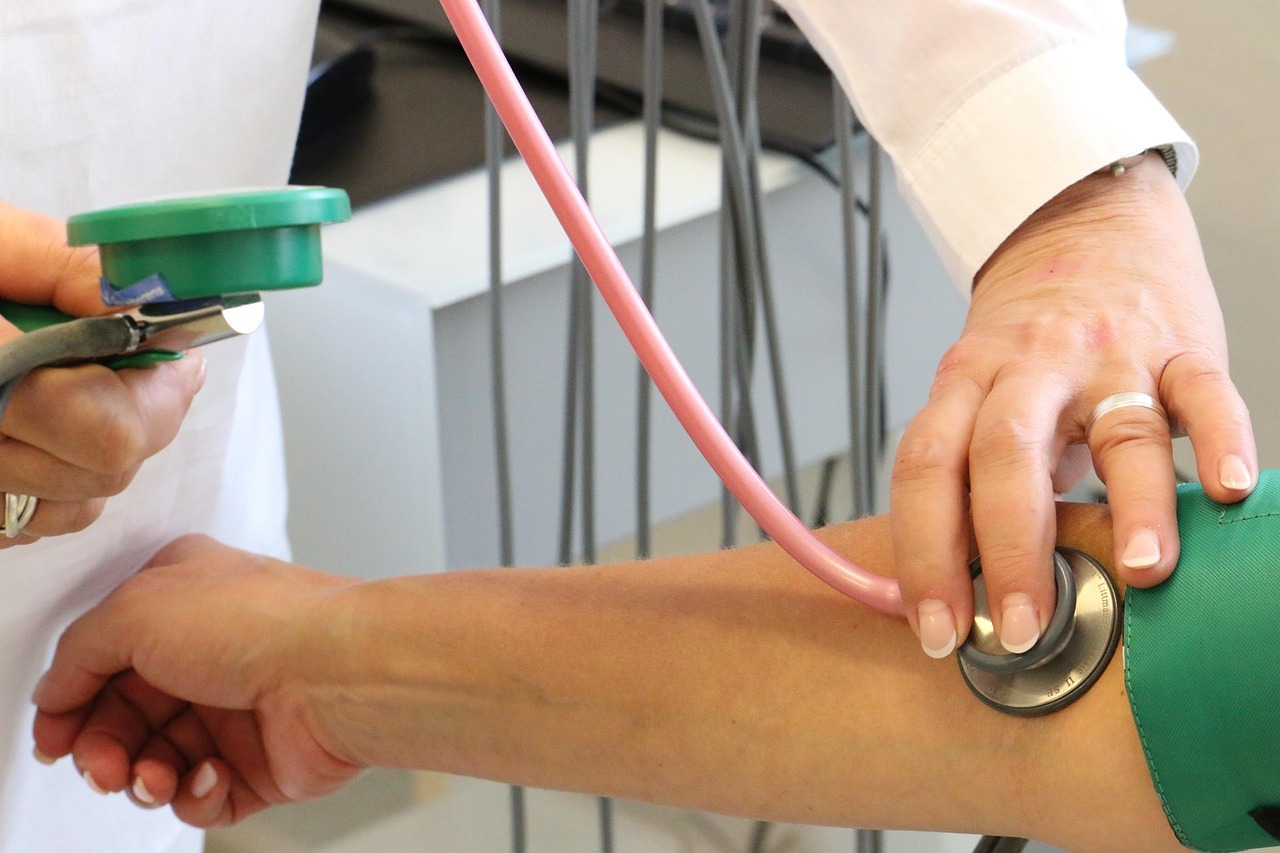
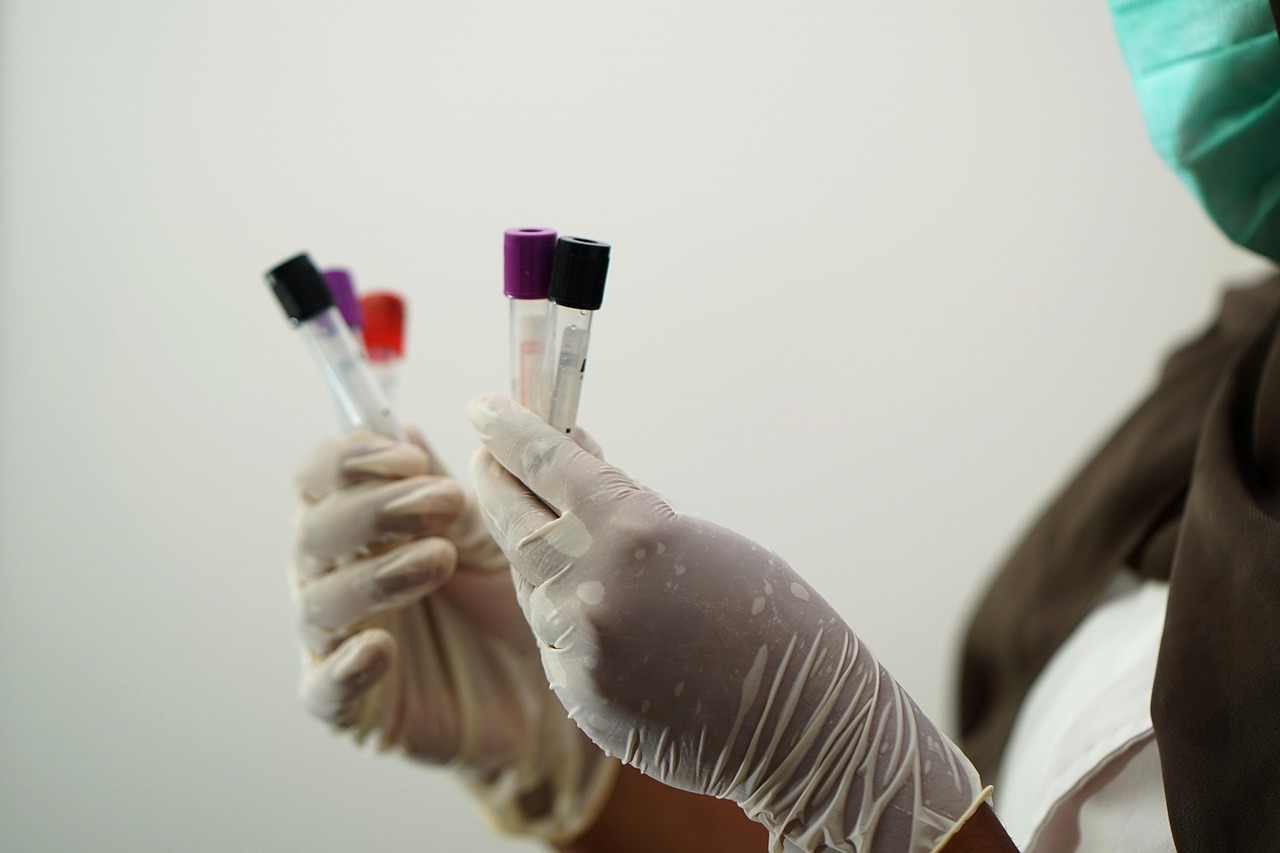
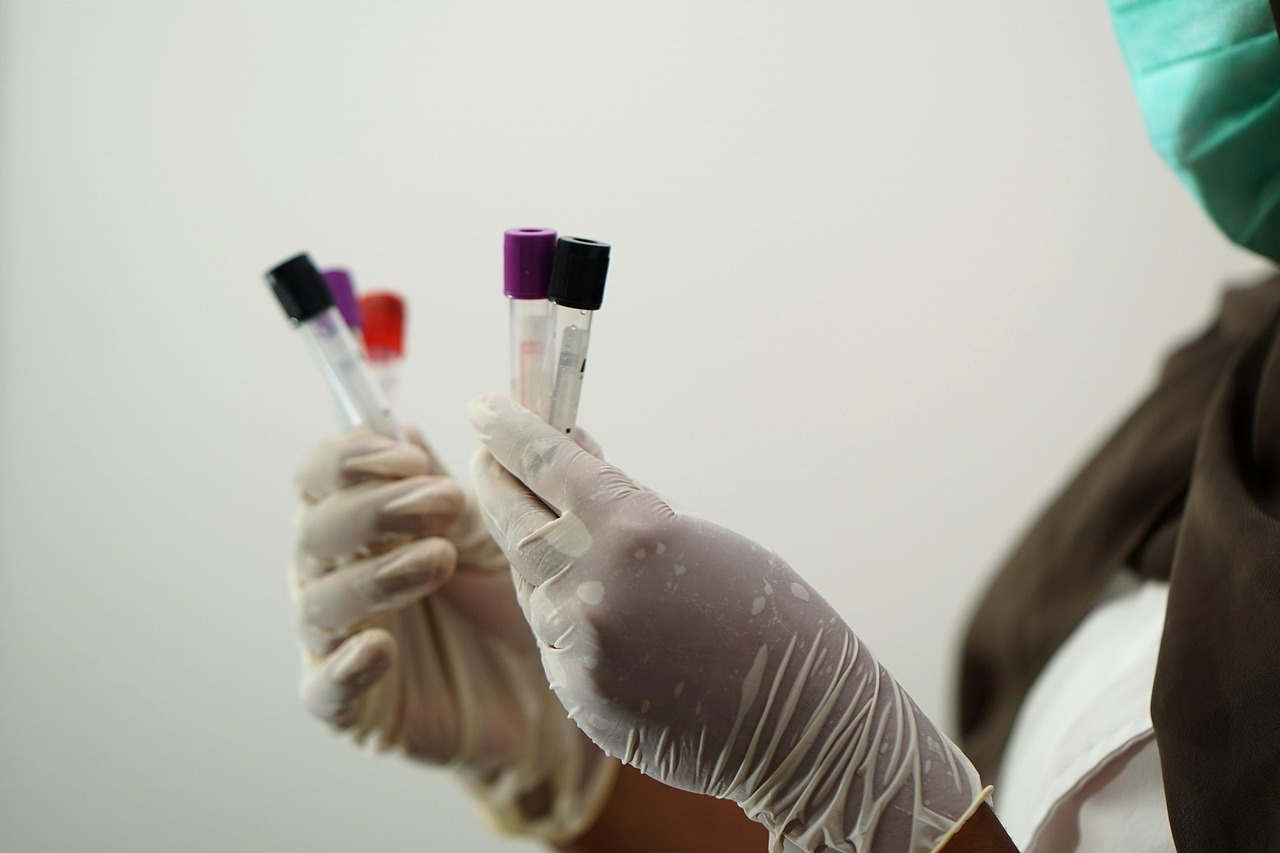
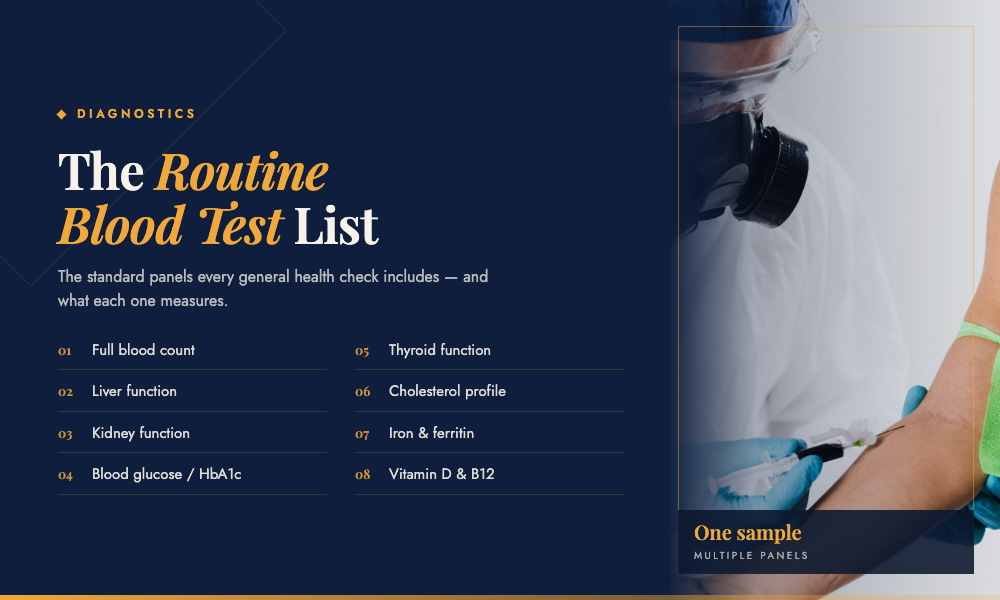
- Comprehensive Serum Blood Panels: This acts as the ultimate diagnostic tool. A doctor will order complete blood work. They check serum ferritin levels. They check serum B12. They measure Vitamin D3. They evaluate the full blood count. They require exact numerical data to formulate a safe plan.
- The Clinical Pull Test: A doctor grasps a small section of hair. They pull it gently. If more than six strands detach easily, it indicates an active, severe shed.
- Microscopic Trichoscopy: A specialist uses a polarised microscope to examine the scalp. They measure the exact thickness of the strands. They check for miniaturised follicles. This tool provides massive visual evidence.
Evidence-Based Clinical Solutions for Follicle Recovery
Medical science offers clear pathways to treat this condition. Quick fixes do not work.
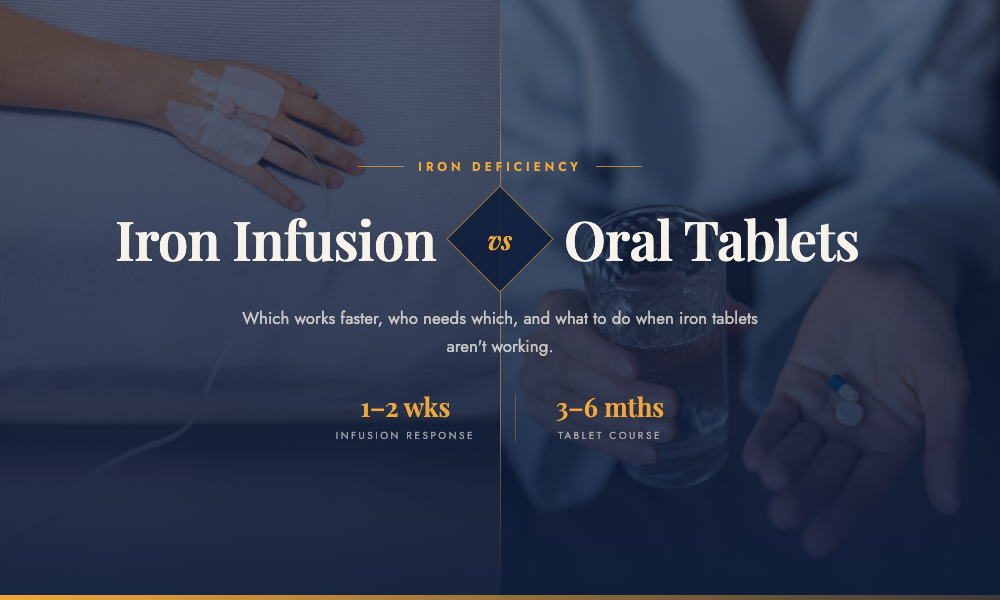
- Targeted Oral Supplementation: If blood tests reveal a shortage, doctors prescribe precise medical supplements. High-grade Vitamin D or strong iron tablets support the recovery of hair cells. Patients must consume these at the exact recommended dose. Overdose causes severe toxicity.
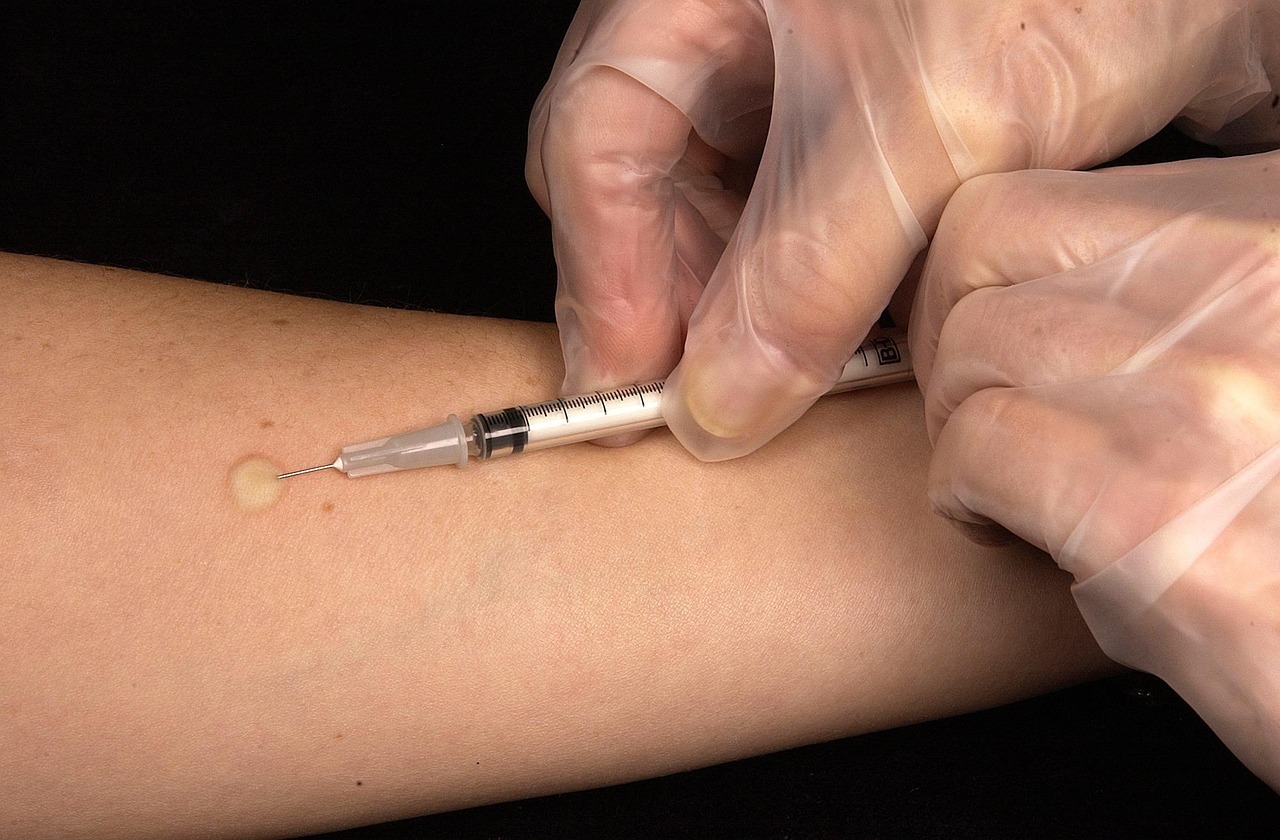
- Intramuscular Nutrient Injections: If the gut cannot absorb oral pills, a doctor might suggest direct injections. A direct B12 injection bypasses the stomach completely. It delivers pure fuel straight into the blood. It provides an instant metabolic lift.
- Topical Minoxidil Application: Doctors often prescribe a topical liquid called minoxidil. Patients apply this directly to the scalp. It expands local blood vessels. This delivers more oxygen and nutrients to starved follicles. It forces the dormant hair back into the active growth phase.
- Clinical Dietary Modification: A clinical dietitian will design a bespoke meal plan. They will incorporate iron-rich foods like spinach and lean meats. They will ensure the patient consumes enough protein to build new keratin. Food acts as the ultimate long-term medicine.
- Platelet-Rich Plasma Therapy: For severe cases, doctors extract blood from the patient. They isolate the dense growth factors. They place these factors back into the scalp. This stimulates dormant hair roots. It accelerates the natural recovery process alongside the nutritional corrections.
Final Thoughts
Nutritional hair loss is a severe but highly treatable condition. The human body requires precise, consistent fuel to maintain optimal cellular function. When essential vitamins drop, the hair suffers first. It acts as a clear biological alarm.
Patients must not ignore these vital signals. Accurate clinical tests and targeted medical therapies provide the absolute best route to recovery. A return to stable internal balance ensures thick, healthy hair.
If you're experiencing ongoing hair thinning and suspect a nutritional imbalance, a comprehensive vitamin assessment may be a helpful next step. Expert testing services are available at House of Health to support accurate diagnosis and treatment planning.
Common Queries About Vitamins and Hair Health
Can a standard multivitamin fix the problem?
No. Standard shop multivitamins contain very low doses. If a patient has a severe clinical shortage, they require high-dose medications to restore deep internal balance.
Does stress cause more hair loss than poor nutrition?
They are deeply connected. High stress depletes internal nutrients faster. Both factors trigger the exact same biological response in the delicate hair follicles.
Will the strands grow back on their own?
Yes. Once the patient restores their internal vitamin levels, the hair will recover naturally. Patients do not always need complex aesthetic treatments if they fix the root cause with proper fuel.
How long do blood tests take to show an improvement?
Internal stores rebuild slowly. A doctor usually repeats blood tests after 3 months of strict daily supplementation to accurately assess clinical progress.
Can too much Vitamin C cause hair to fall out?
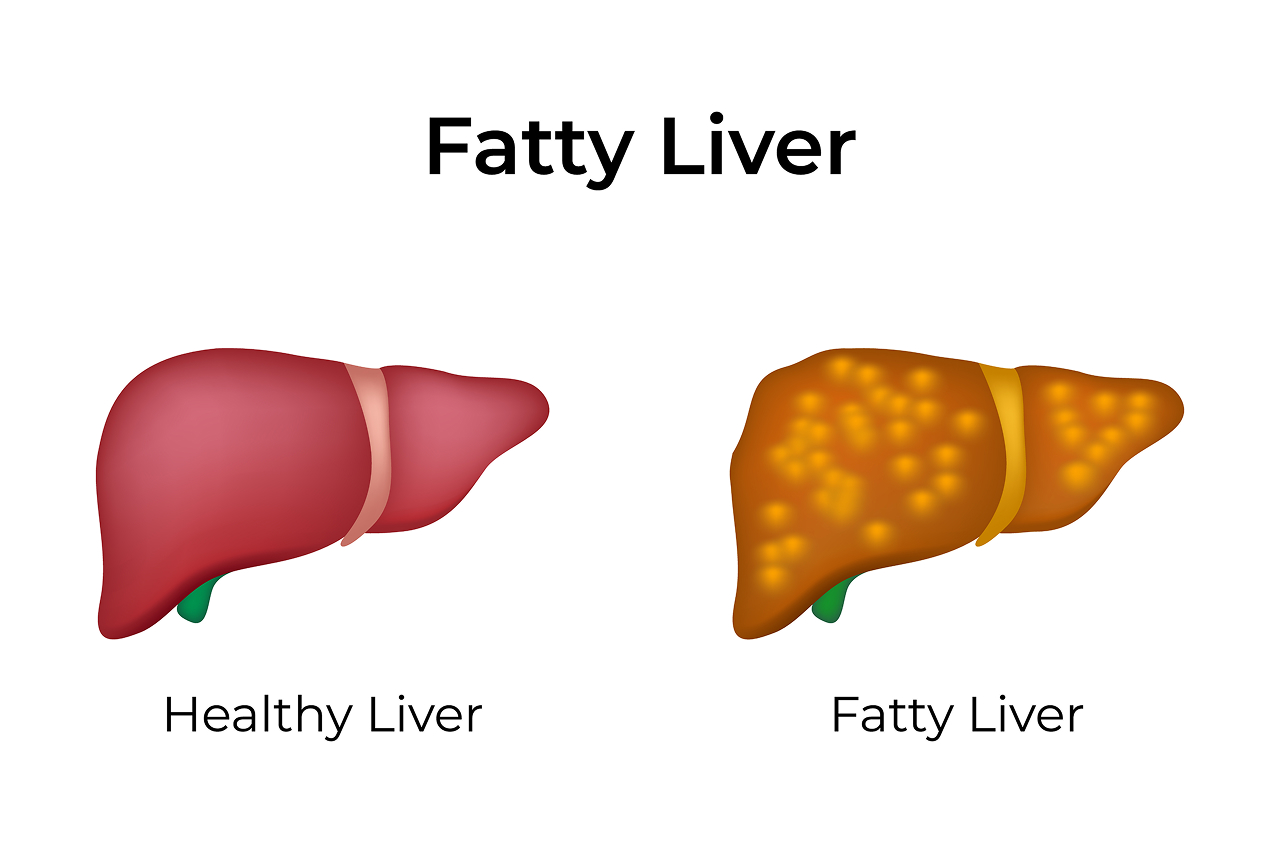
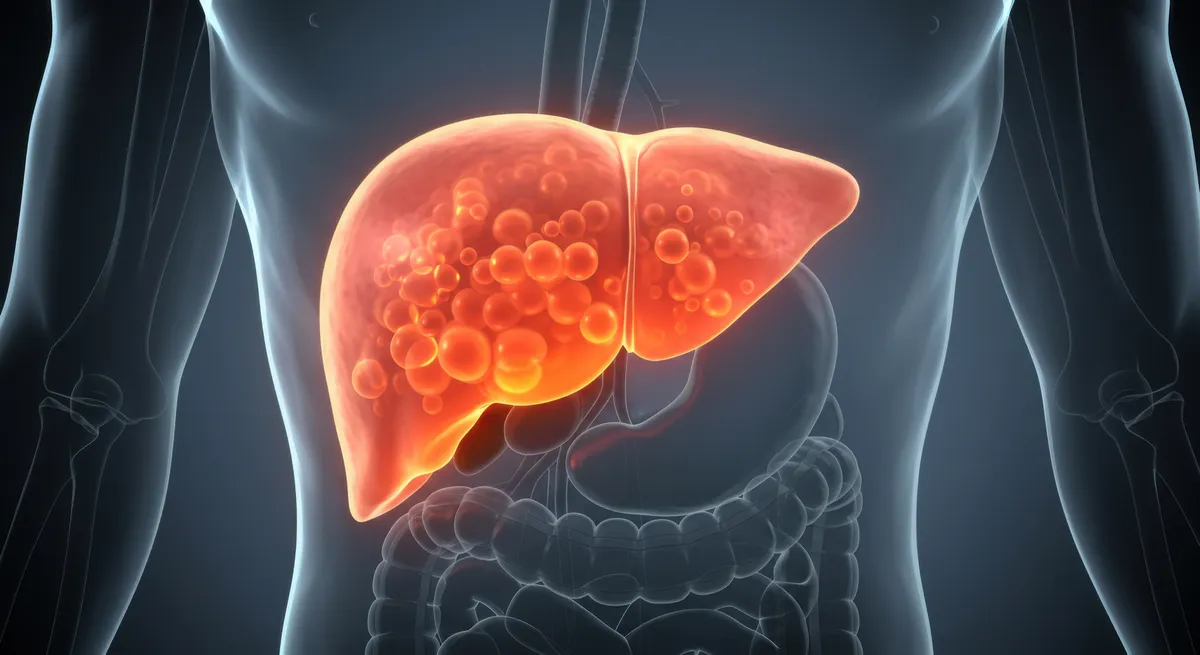
No. The body excretes excess Vitamin C in urine. However, excess Vitamin A accumulates in the liver. This specific accumulation causes severe toxicity and rapid hair loss.