
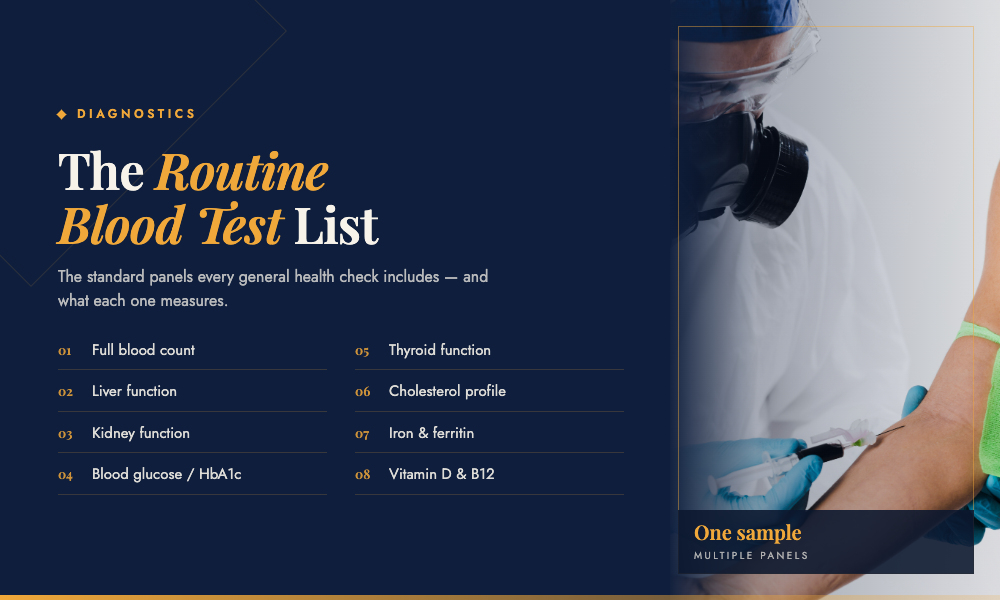
A common blood test list includes a full blood count, kidney and liver tests, cholesterol, blood sugar, and a thyroid test. They indicate the state of your internal organs and help detect diseases that develop without symptoms.
Doctors order these common blood tests during a general health check, when you have symptoms, or to monitor an existing condition. Each test measures something different, from your red blood cells to your vitamin levels.
This guide breaks down the full list of routine blood tests. You will learn what each test checks, why it matters, and how to prepare so that your results are as accurate as possible.
Key Takeaways
- A routine blood test list usually covers your blood count, kidney and liver function, cholesterol, blood sugar, and thyroid
- A full blood count (FBC) is the most common initial test and assesses your red blood cells, white blood cells, and platelets
- A liver function test (LFT) looks at enzymes and proteins that show how well your liver works
- Some tests, such as cholesterol and glucose tests, may require you to fast beforehand
- Most routine results come back within 24 to 48 hours
Routine Blood Test Means?
A routine blood test is a set of standard checks performed on a single blood sample. Doctors often call this a standard blood test panel because it covers the markers that matter most for general health.
The laboratory measures each marker in the sample against a normal reference range. Your doctor then reads the results as a whole picture rather than focusing on a single number.
By understanding what a routine blood test includes, you can better understand your own health. Most panels examine three core areas:
- Blood cells: red cells, white cells, and platelets
- Organ function: mainly your liver and kidneys
- Everyday markers: cholesterol, blood sugar, and thyroid hormones
Why Do Doctors Order Routine Blood Tests?
Blood tests give a quick, reliable snapshot of what is happening inside your body. A doctor may suggest one for several reasons:
- General health checks: to set a baseline and catch problems early
- Investigating symptoms: such as tiredness, weight changes, or bruising
- Monitoring a condition: like diabetes, thyroid disease, or high cholesterol
- Before starting medication: to check your liver and kidneys can cope
- Peace of mind: a full body health check can ease worry when you feel run down
Early detection matters. Many serious conditions cause no obvious symptoms at first, so a simple blood test can spot a change long before you would notice it yourself.
What Symptoms Might Lead to a Blood Test?
A routine blood test doesn't depend on symptoms, but certain symptoms may prompt a doctor to order one. These include:
- Excessive fatigue or tiredness
- Unexplained weight changes
- Frequent infections or slow healing
- Easy bruising or bleeding
- Pale skin, dizziness, or breathlessness
- Yellowing of the skin or eyes
- Persistent thirst or needing to pass urine often
These symptoms can have many causes. Blood tests help narrow things down so you get the right diagnosis and a clear plan.

Want Clear Answers About Your Health?
- Book a private blood test with House of Health and get accurate results, reviewed by an expert GP, in as little as 24 to 48 hours. No GP referral needed, and home visits are available.
The Full Routine Blood Test List
Here is a clear breakdown of the tests you are most likely to see on a routine blood test list, and what each one checks.
Full Blood Count (FBC)
A full blood count measures your red blood cells, white blood cells, and platelets. It helps detect anaemia, infection, and clotting problems. Doctors often order an FBC first when you report general symptoms like fatigue or frequent illness.
Kidney Function Test (U&Es)
The test evaluates your creatinine and urea levels, as well as your estimated glomerular filtration rate (eGFR). Electrolyte levels, such as sodium and potassium, are also tested to assess kidney function.
Liver Function Test (LFT)
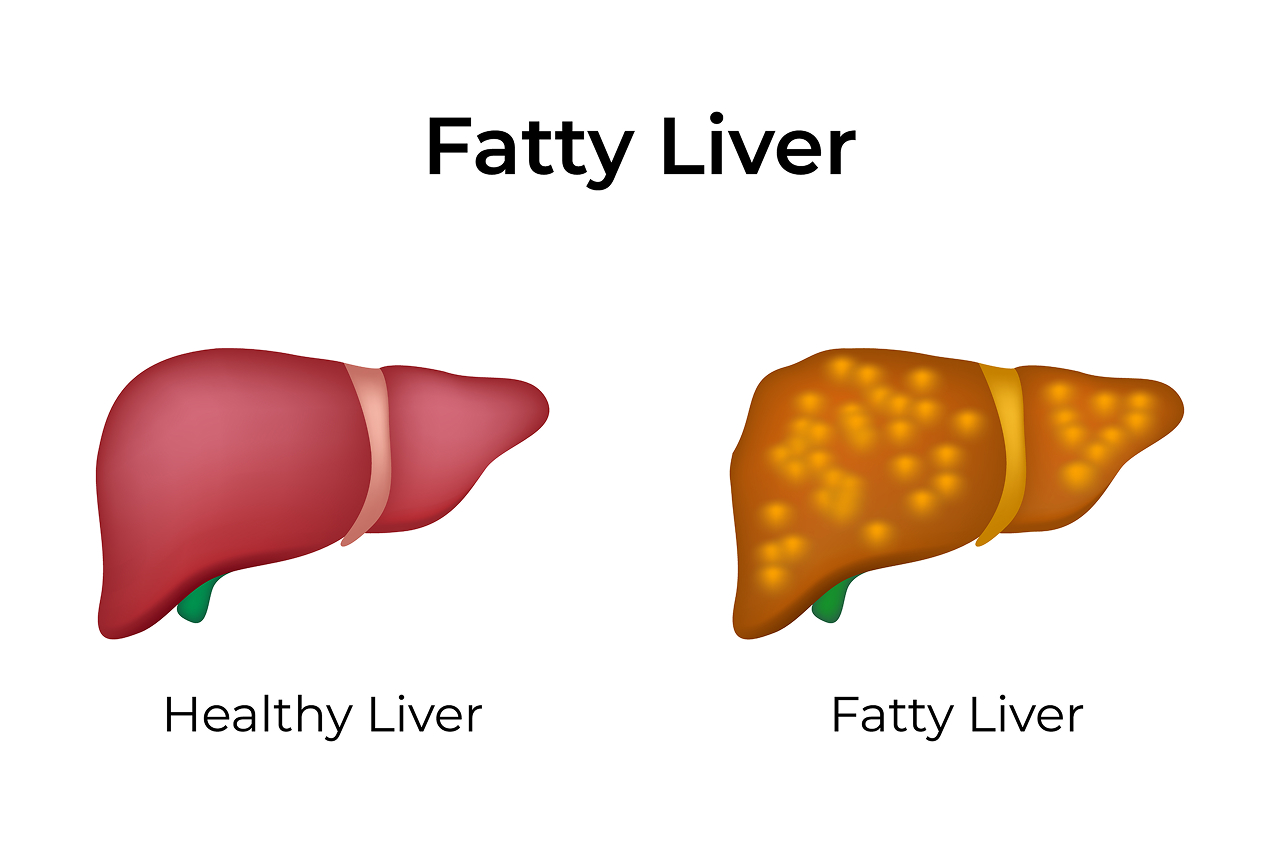
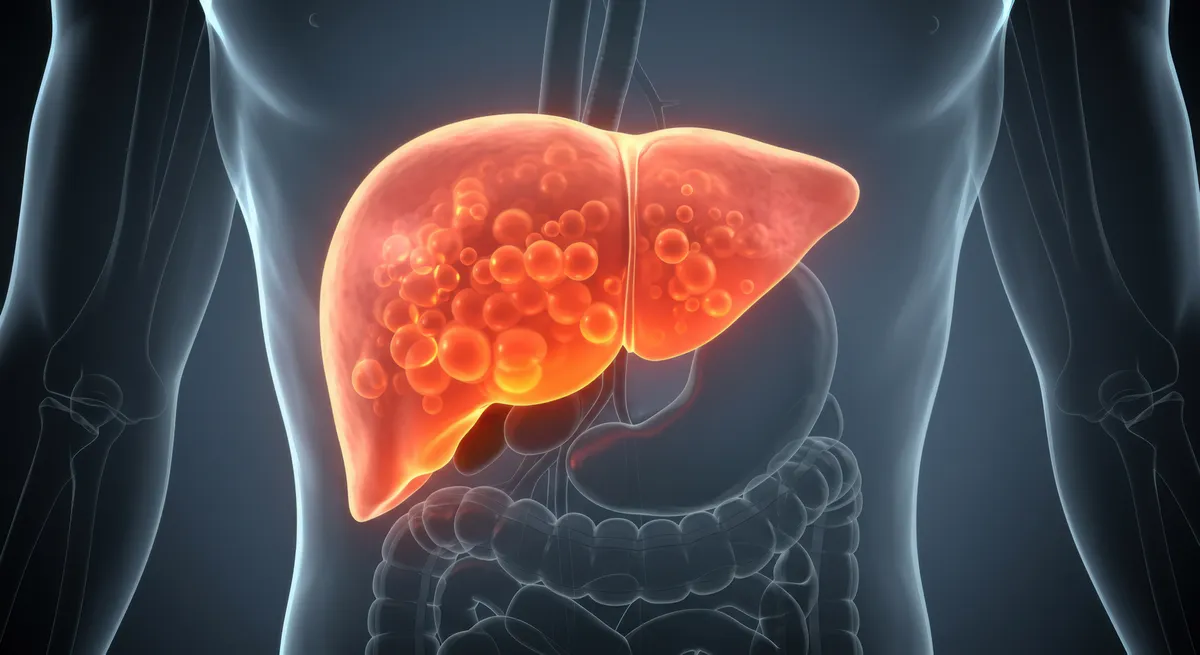
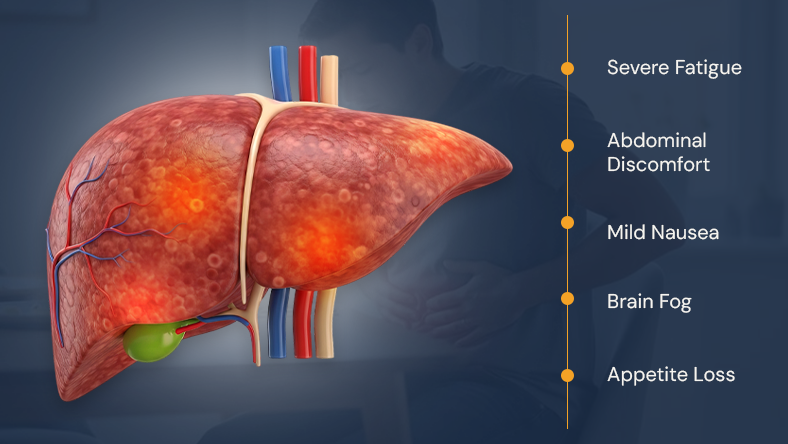
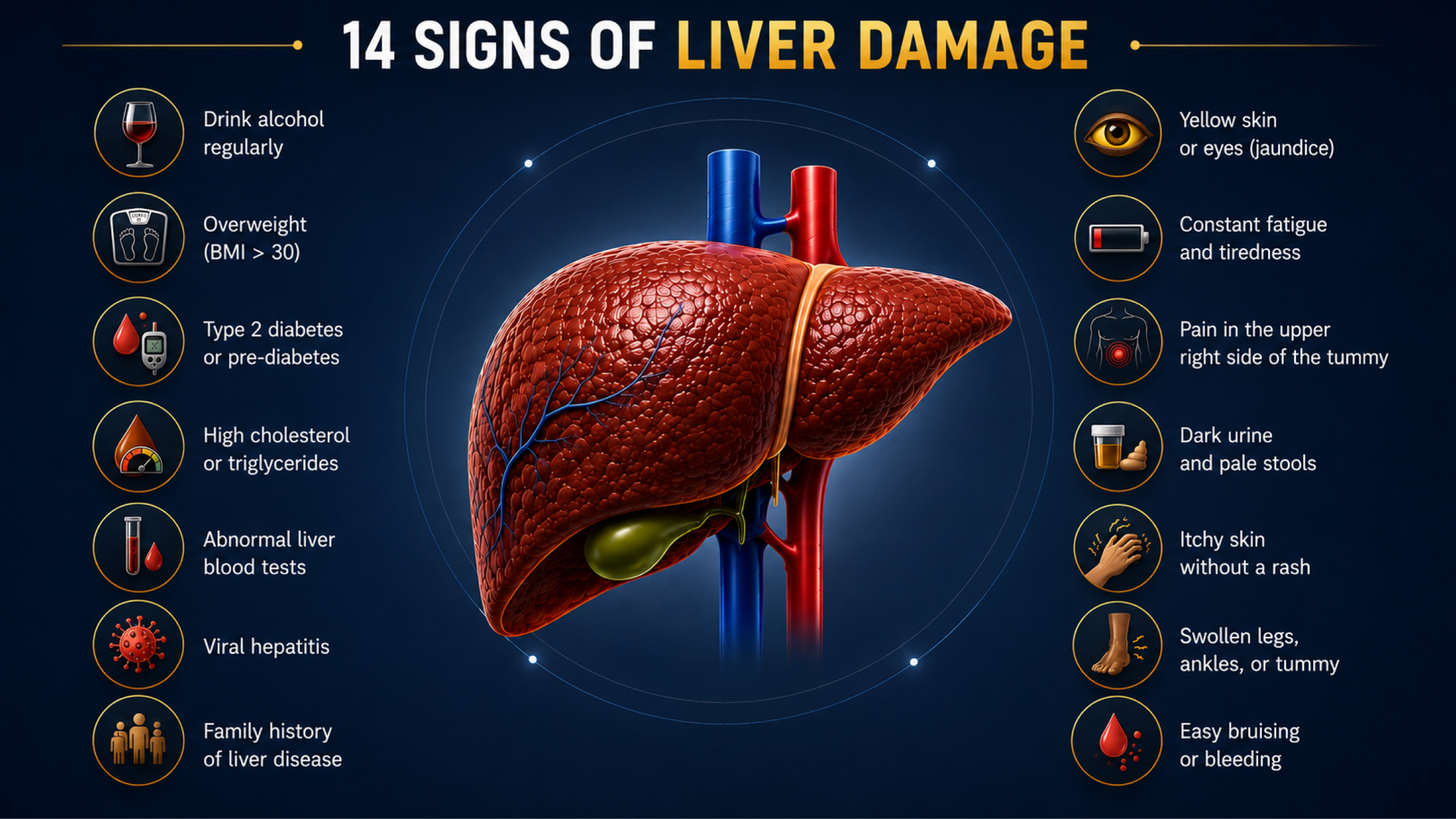
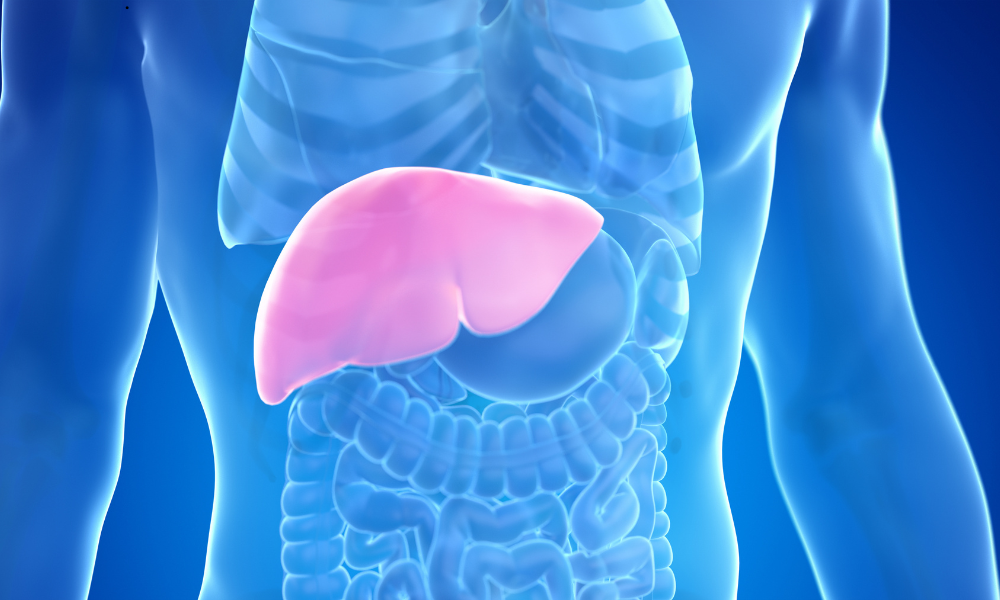
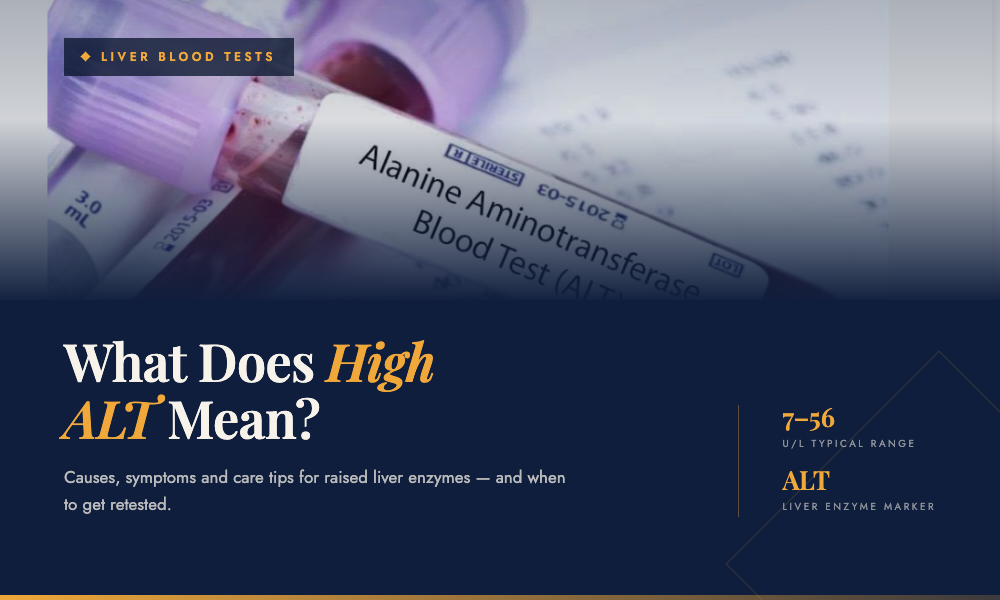
Liver function tests measure levels of enzymes and proteins such as ALT, ALP, GGT, bilirubin, and albumin, which can indicate conditions like fatty liver disease, alcohol-induced liver disease, hepatitis, and biliary obstruction. If anything looks off in your results, see an expert hepatologist.
Cholesterol (Lipid Profile)
A lipid profile measures total cholesterol, HDL (good), LDL (bad), and triglycerides. These numbers help assess your risk of heart disease and stroke. Your doctor may ask you to fast before this test for the most accurate reading.
Blood Sugar (Glucose and HbA1c)
An HbA1c test shows your average blood sugar over the past two to three months. It screens for diabetes and pre-diabetes. A reading between 42 and 47 mmol/mol suggests pre-diabetes, while 48 mmol/mol or above points to diabetes.
Thyroid Function Test
Generally, the thyroid test begins with TSH. If the lab finds any abnormalities in your TSH level, it will measure your Free T4 and possibly your Free T3 levels. This helps determine whether your thyroid gland is underactive or overactive.
Iron Studies and Ferritin
This panel measures ferritin, iron, and transferrin saturation. It detects iron deficiency, one of the most common reasons for tiredness, especially in women.
Vitamin Levels (B12, Folate, and Vitamin D)
These three vitamins are the ones most often low in the UK. Low levels can affect your energy, mood, nerves, and bone health, so doctors check them when symptoms have no obvious cause.
Inflammatory Markers (CRP)
C-reactive protein (CRP) rises when the body has inflammation or infection. Healthcare professionals also use a high-sensitivity version (hs-CRP) to assess long-term heart and metabolic health.
Types of Blood Tests Beyond the Routine List
The standard panel covers the basics, but many other blood tests meet specific needs. Private clinics can often arrange these without a referral:
- Hormone tests: testosterone, oestradiol, FSH, and LH for fertility, menopause, or low energy
- Thyroid antibodies: to look for autoimmune thyroid disease
- Allergy testing: to identify triggers behind reactions
- Tumour markers: such as PSA for prostate health
- Vitamin and wellness profiles: a wider look at nutrition
These tests are usually added based on your symptoms, age, and personal goals, rather than ordered as standard practice.
Not Sure Which Blood Tests You Need?
- The specialist team at House of Health helps you choose the right panel for your symptoms and goals, from a simple wellness check to detailed organ, hormone, and allergy screening.
How Does a Blood Test Work?
The process is quick and straightforward. Here is what to expect from start to finish:
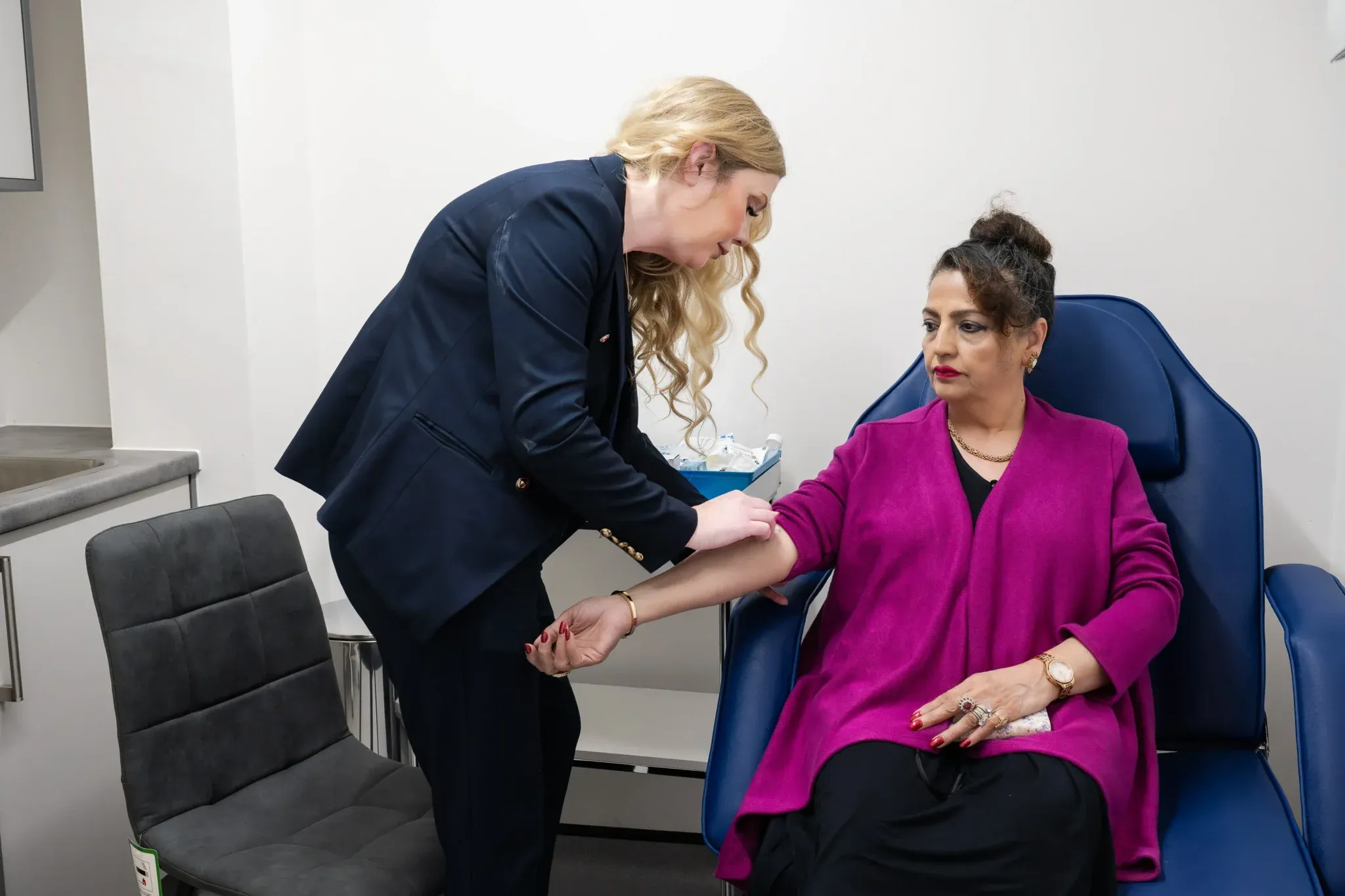
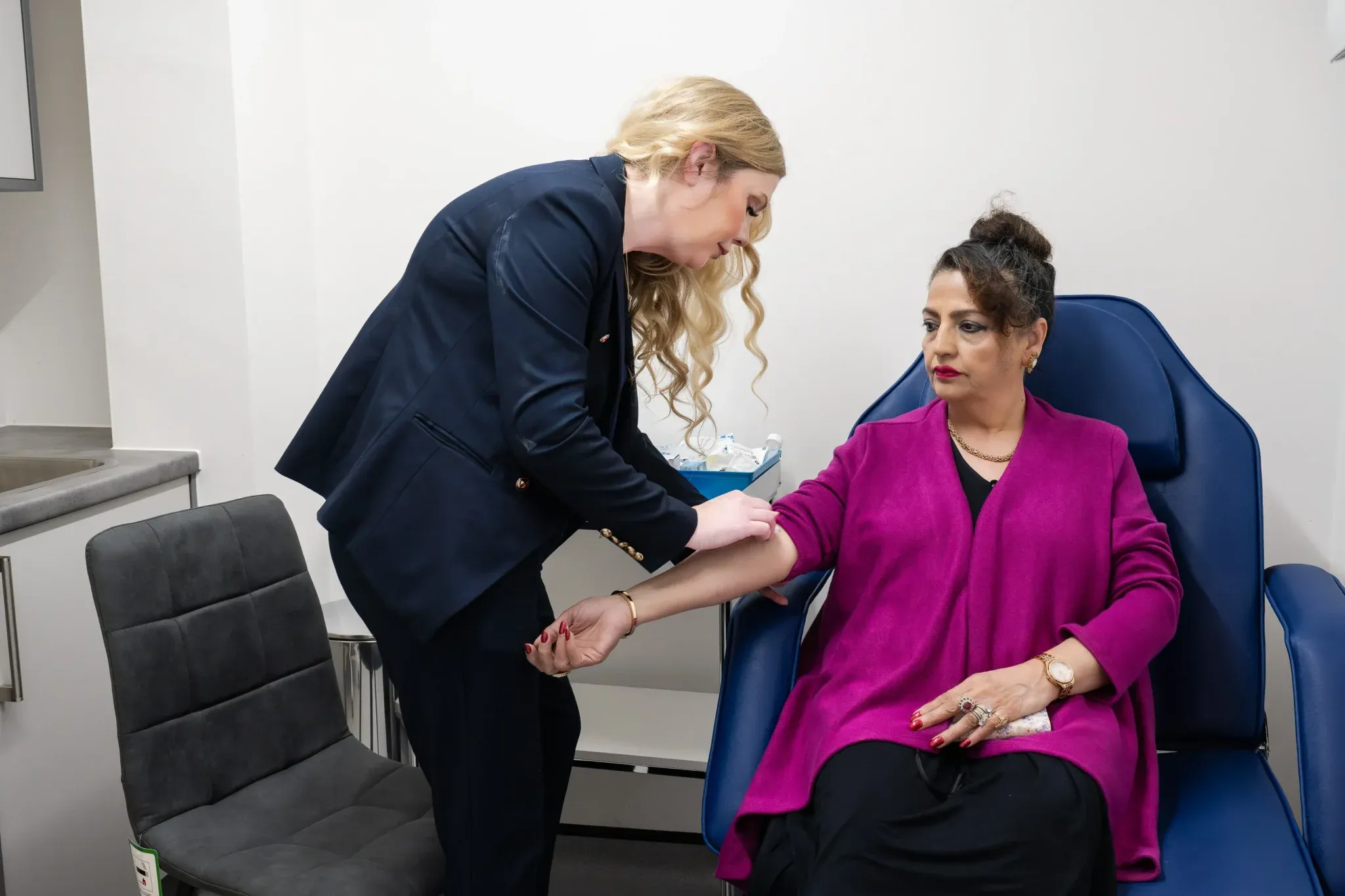
- Sample collection: A nurse or phlebotomist takes blood from a vein in your arm. This venous sample type gives the most reliable results.
- Labelling and transport: Your sample is labelled and sent to a partner laboratory, often on the same day.
- Analysis: The lab measures each marker against its normal reference range.
- Review: A doctor reads your results in full, not just one figure at a time.
- Explanation: You receive your results with a clear explanation and any next steps.
Bloods go to the lab the same day, results usually arrive within 1 to 2 days, and a GP reviews them with you.
How to Prepare for a Routine Blood Test
A little preparation helps make sure your results are accurate. Keep these simple tips in mind:
- Fasting: Some tests, such as cholesterol and glucose, require a 10- to 12-hour fast. Water is fine during this time.
- Stay hydrated: Drinking water makes it easier to take your sample.
- List your medication: Tell your doctor about any medicines or supplements you take.
- Mind the timing: Some hormones vary throughout the day, so morning tests are sometimes best.
- Arrive early: Give yourself a few extra minutes before your appointment to settle in.
If you are unsure whether to fast, it is safer to do so. Fasting will not affect the results of tests that do not require it.
A General Health Blood Test for Peace of Mind
General health blood tests may be among the simplest ways to track your well-being. Healthcare professionals can perform more than 50 tests in a single visit through comprehensive blood panels, an ECG, and a consultation with a general practitioner.
They check your cholesterol levels, liver and kidney function, blood glucose, and general wellness indicators. Such an examination will be beneficial for those who want a comprehensive understanding of their overall condition or simply want reassurance.
It is much better to spot problems at the very beginning since addressing them later on can be much harder.
Conclusion
A routine blood test list usually covers your full blood count, kidney and liver function, cholesterol, blood sugar, and thyroid. Together, these tests give a clear, reliable picture of your health and can flag problems early, often before you feel anything is wrong.
Each test on the list has its own job, from checking your red blood cells to measuring your vitamin levels. Knowing what they do helps you take a more active role in your own health and ask better questions about your results.
If you want a treatment plan or have a question about your results, you can arrange private blood tests in Birmingham with the expert GPs and consultants at House of Health for fast, confidential, and accurate care.
Frequently Asked Questions
What is included in a routine blood test?
A typical blood test includes a complete blood count, kidney and liver function tests, cholesterol, blood sugar levels, and thyroid tests. Some panels may also include tests for iron, vitamins, and inflammation.
What is the most common blood test?
The full blood count (FBC) is the most common blood test. It checks your red blood cells, white blood cells, and platelets, and is often the first test a doctor orders.
Do I need to fast before a routine blood test?
No. Fasting is mostly required for cholesterol and glucose tests, for which you fast for about 10 to 12 hours; however, water is permissible. Other blood tests, such as a CBC (complete blood count), don't require fasting.
How long do routine blood test results take?
Routine results such as a full blood count and liver function are often ready within 24 to 48 hours. More specialised tests can take a little longer.
What does a full blood count check for?
A full blood count checks for anaemia, infection, and clotting problems by measuring your red cells, white cells, and platelets. It gives a useful baseline of your overall health.