
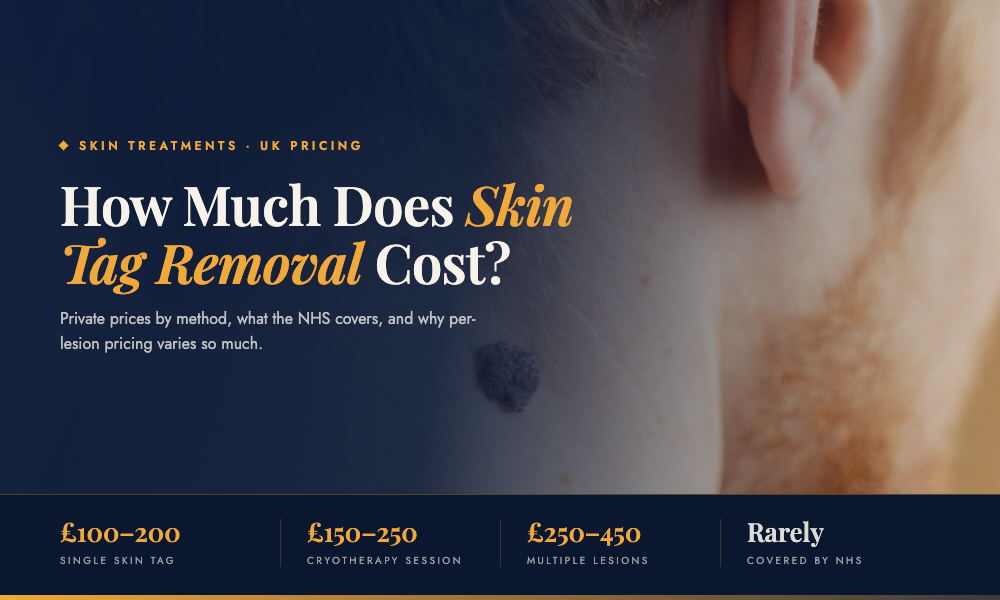
Skin tag removal costs in the UK usually range from £100 to £400 for a single skin tag at a private clinic. The final price depends on the tag size, how many you want removed, the method used, and who performs the procedure.
The NHS views skin tags as a cosmetic procedure, so it usually doesn't fund this treatment. Patients typically choose private consultations, where a doctor first diagnoses the growth.
This guide breaks down the typical cost of skin tag removal across the UK, what drives prices up or down, and what to expect on the day.
Key Takeaways
- A single skin tag usually costs £100 to £400 to remove at a private UK clinic
- Extra tags removed in the same session often cost £25 to £125 each
- The NHS classifies skin tag removal as cosmetic, so it rarely offers it
- A doctor should always check the growth before removal to confirm it is a skin tag
How Much Does Skin Tag Removal Cost?
Most private clinics in the UK charge between £100 and £400 to remove one skin tag. Larger tags, sensitive locations, and surgeon-led services sit towards £400 to £500. UK clinics usually quote a price that covers the first tag, the practitioner's time, and basic aftercare.
Clinics charge the initial tag at the highest rate because it includes appointment costs. Removing several tags in one sitting significantly reduces the cost per tag. For instance, a one-stop shop can evaluate and treat skin lumps in a single session.
Average Cost of Removing Skin Tags
Skin tag removal costs may vary by facility. However, the estimated prices for 2026 in the UK include:
- Consultation fee: £50 to £150
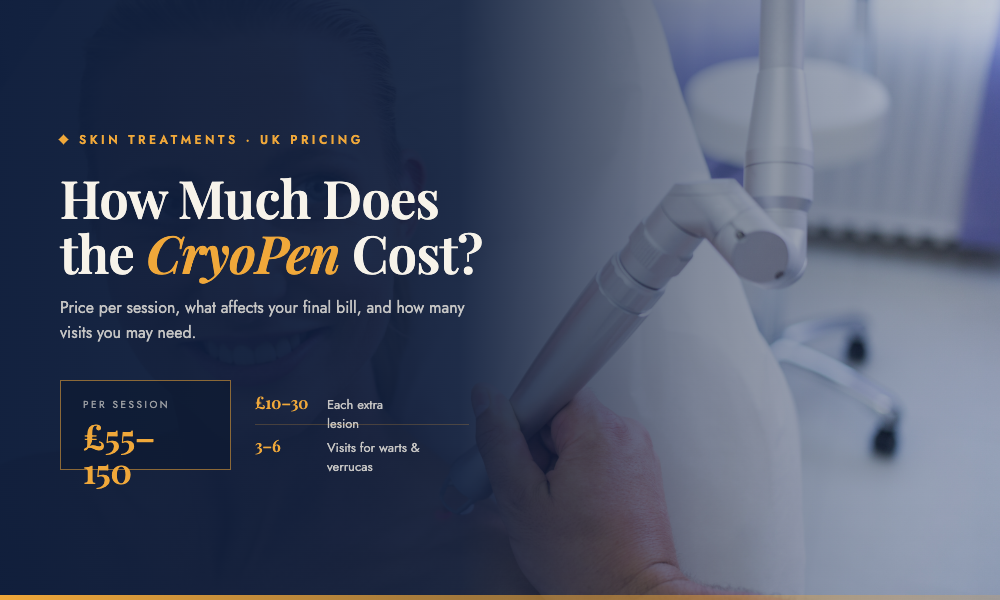
- Removal of one skin tag or first skin tag removal: £100 to £400
- Additional removal of each skin tag in the same session: £25 to £125
- Package for removal of multiple skin tags: price quote after consultation
Always check the overall cost, including consultation fees, before making an appointment. Consultation fees are either deducted from the treatment cost or charged separately.
What Are Skin Tags?
Skin tags are small, soft growths that develop on a tiny stalk on the skin's surface. Medically, they are called acrochordons. They usually match the skin colour or are slightly darker and range from 2 to 5 millimetres.
Skin tags are most common in areas where there is constant friction between the skin, clothing, and jewellery. Such areas include the neck, armpits, groin, eyelids, and the area underneath the breasts.
What Causes Skin Tags?
Doctors do not always know why skin tags form, but several factors raise the chance of developing them:
- Friction from skin folds, clothing, or jewellery
- Older age, as skin tags become more common over time
- Being overweight, which creates more skin folds
- Type 2 diabetes and insulin resistance
- Pregnancy, likely due to hormonal changes
- A family history of skin tags
Because these growths are so common, many adults develop at least one during their lifetime. If a new growth appears and you are unsure what it is, a private GP can examine it and tell you whether it is a skin tag or requires further checks.

Unsure What Your Skin Tag Removal Would Cost?
- The doctor-led team at <a href="https://www.houseofhealth.org.uk/">House of Health</a> checks your skin tag and confirms a clear price in the same visit, with same-day removal available at the Birmingham clinic.
When Should You Get a Skin Tag Checked?
Skin tags are usually harmless, but a doctor should still confirm the diagnosis before any removal. Book a skin check if a growth:
- Changes in size, shape, or colour
- Bleeds without being knocked or caught
- Feels firm rather than soft and mobile
- Looks different from your other skin tags
- Crusts, itches, or becomes painful
These signs do not always mean the growth is serious, but they do mean it needs a professional opinion. A consultant-led dermatology assessment can distinguish a skin tag from a mole, wart, or another lesion that needs different treatment.
Can You Get Skin Tags Removed on the NHS?
In most cases, no. The NHS treats skin tag removal as cosmetic surgery, so it rarely offers the procedure. UK government health guidance confirms that people usually need to pay for private removal.
Many people ask about skin tag removal through the NHS, and the rules are clear. The health care system addresses a person's health if a problem arises from a particular skin growth, such as constant irritation, bleeding, or infection.
This doesn't mean the health service doesn't provide something to its clients. Skin tags are safe, and removal isn't a priority because of their appearance. Private services give you quick access and a clear price.
What Affects the Price of Private Skin Tag Removal?
Private skin tag removal pricing follows a few clear patterns. Understanding them helps you compare quotes fairly, because several factors shape your final skin tag removal cost.
1. Size, Number and Location of Skin Tags
The smallest tags with a visible stalk take the shortest time to remove and are therefore the cheapest. Large tags and those on sensitive areas, such as the eyes, require special care and are expensive. The number of tags matters most, since a treatment with many tags lowers the cost per tag.
2. The Removal Method Used
Clinics choose the method based on the size and position of each tag:
- Excision: the doctor numbs the area and removes the tag with a surgical blade
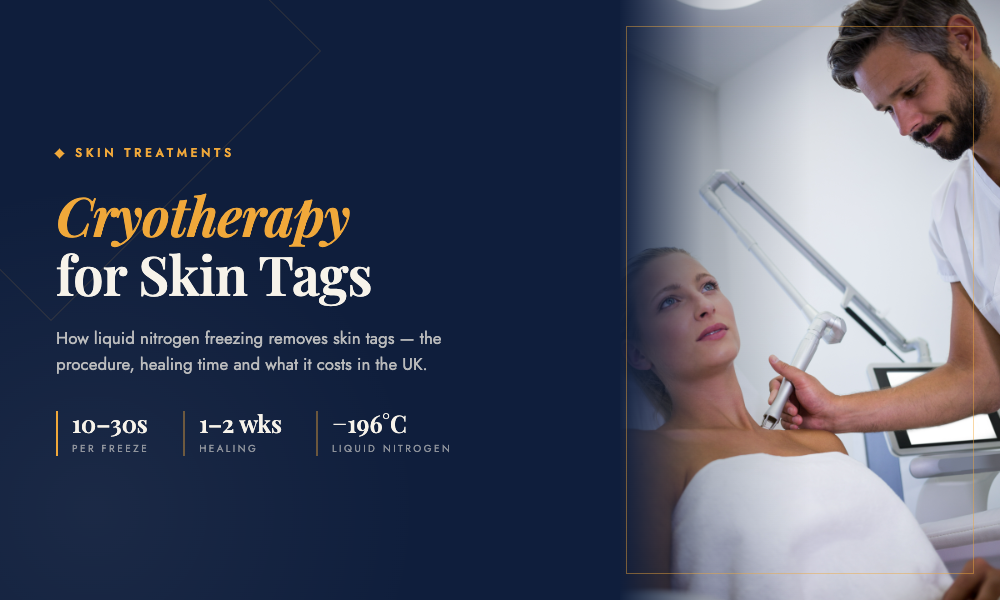
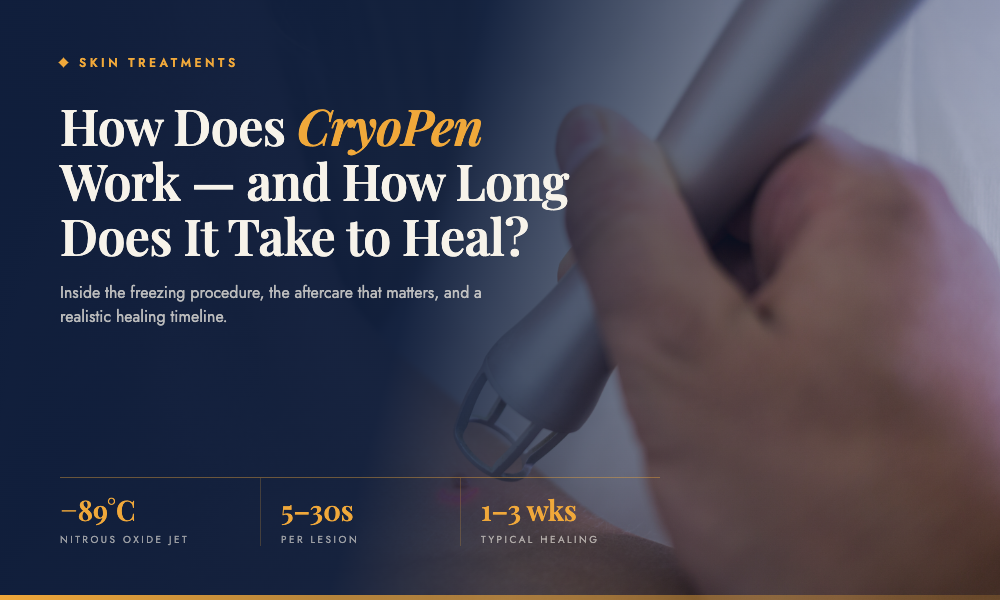
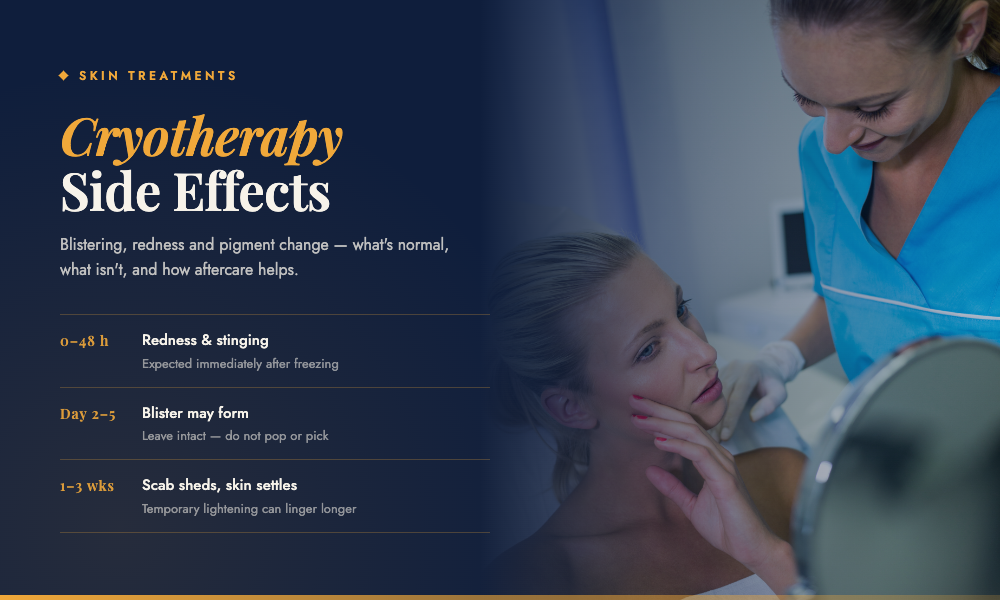
- Cryotherapy: freezes the tag so it falls away over the following days
- Cauterisation: uses controlled heat to remove the tag and seal the skin
- Ligation: cuts off the blood supply so the tag drops off naturally
Cryotherapy and cauterisation usually sit at the lower end of clinic pricing. Surgical excision costs more because it may involve a local anaesthetic and stitches.
Want a Skin Tag Removed by an Experienced Doctor?
- House of Health runs a one-stop skin lump removal clinic in Birmingham, led by a consultant plastic surgeon, with assessment and treatment in a single appointment.
3. Who Performs the Procedure
Fees rise with expertise. A GP-led service usually keeps skin tag removal costs lower than those of a consultant dermatologist or plastic surgeon. For tags in delicate areas, many people choose a consultant-led clinic for the added precision, even at a higher price.
4. Consultation and Aftercare Fees
In some cases, the consultation fee may be added to the treatment cost. However, most clinics charge it separately, at £50 to £150. Be sure that aftercare, dressings, and checkups (if needed) are included in the total quotation.
How Does Skin Tag Removal Work?
Professional skin tag removal consists of several easy stages:
- Evaluation: The dermatologist examines the skin tag and determines it is indeed a skin tag.
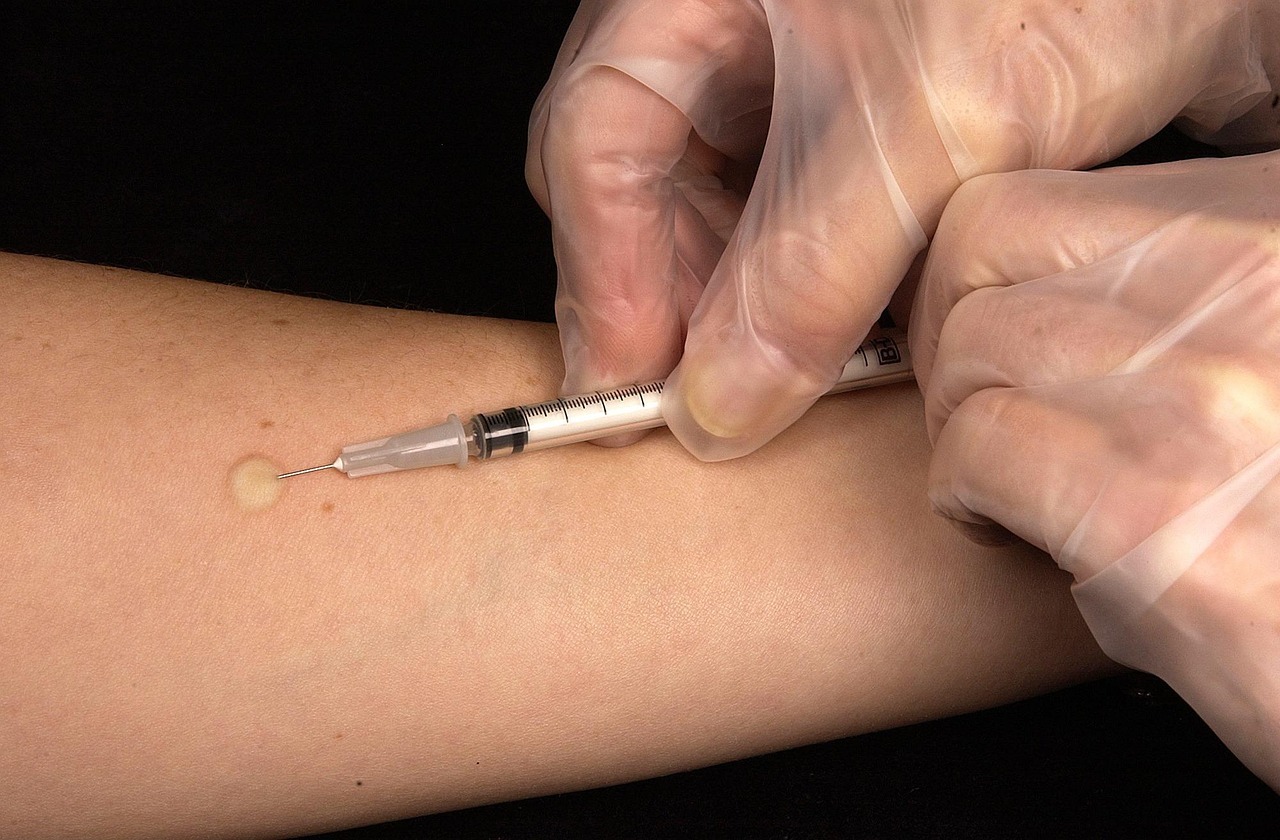
- Preparation: If the skin tag is larger, the dermatologist administers local anaesthetic to the area.
- Removal: The doctor removes the tag using excision, cryotherapy, or cauterisation.
- Aftercare: You receive clear instructions on how to keep the area clean while it heals.
Most appointments take 15 to 30 minutes, and many clinics remove the tag on the same day as the assessment. A removed skin tag does not usually grow back, although new tags can form elsewhere on the body.
Risks and Aftercare to Consider
Even in a small procedure like skin tag removal, risks remain. The possible consequences can be:
- Bleeding
- Temporary irritation of the area treated
- A small scar, which usually fades over time
- Infection, which is uncommon when you follow aftercare advice
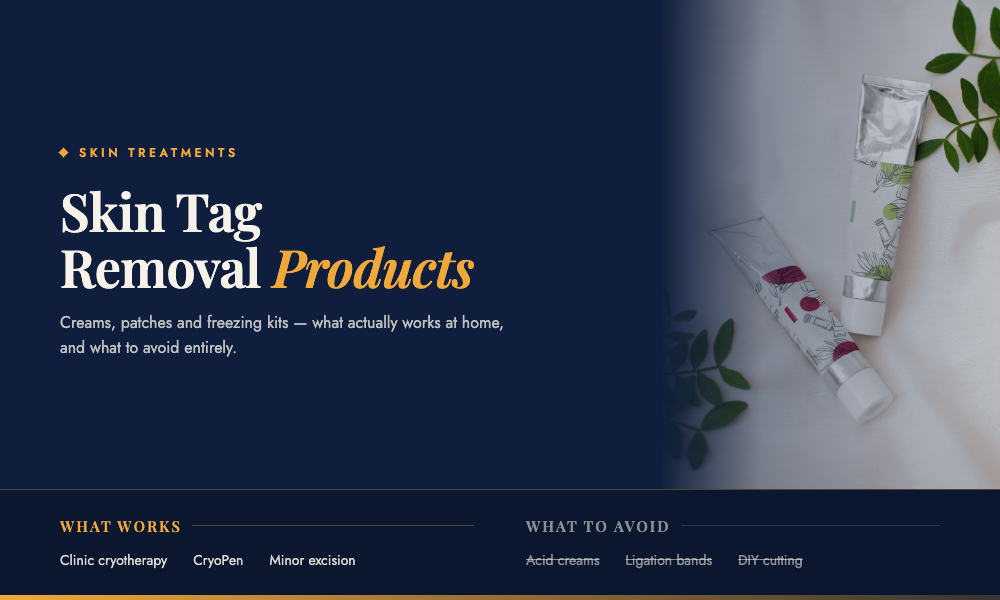
Never remove skin tags at home. Large skin tags are likely to bleed profusely, and at-home removal doesn't include an initial medical examination of the lesion. Healing takes 1 to 2 weeks after the procedure, and keeping the area clean helps it heal properly.
Final Thoughts on Skin Tag Removal Cost
In the United Kingdom, removing skin tags costs between £100 and £400 for the first tag, and the cost drops significantly for additional tags removed in the same session. The NHS usually doesn't cover skin tag removal, so you'll need to pay.
Before booking, confirm the total cost and who will perform the procedure. It makes much more sense to get a proper diagnosis from a doctor before the procedure.
The experts at House of Health provide doctor-led skin lump removal in Birmingham through a one-stop clinic, where a consultant plastic surgeon assesses and treats skin tags in a single appointment.
Frequently Asked Questions
Does skin tag removal hurt?
Most people feel only mild discomfort. Doctors numb larger tags with a local anaesthetic before removal, and smaller tags often take only a few minutes to treat. The treated area may feel slightly sore for a day or two afterwards.
Will a skin tag grow back after removal?
A fully removed skin tag does not usually return in the same spot. However, new skin tags can develop elsewhere on the body, especially if the original causes, such as friction, remain.
How long does the skin take to heal after removal?
The treated area usually heals within one to two weeks. Keeping the site clean and dry and following the clinic's aftercare advice helps the skin settle and reduces the risk of infection.