
Cryotherapy side effects are often mild and short-term. You may experience redness, swelling, and blisters that form scabs during recovery. These usually resolve within 1 or 2 weeks as your skin recovers. Infection and scarring are rare and usually occur only if a trained practitioner doesn't perform the treatment or if you don't follow aftercare.
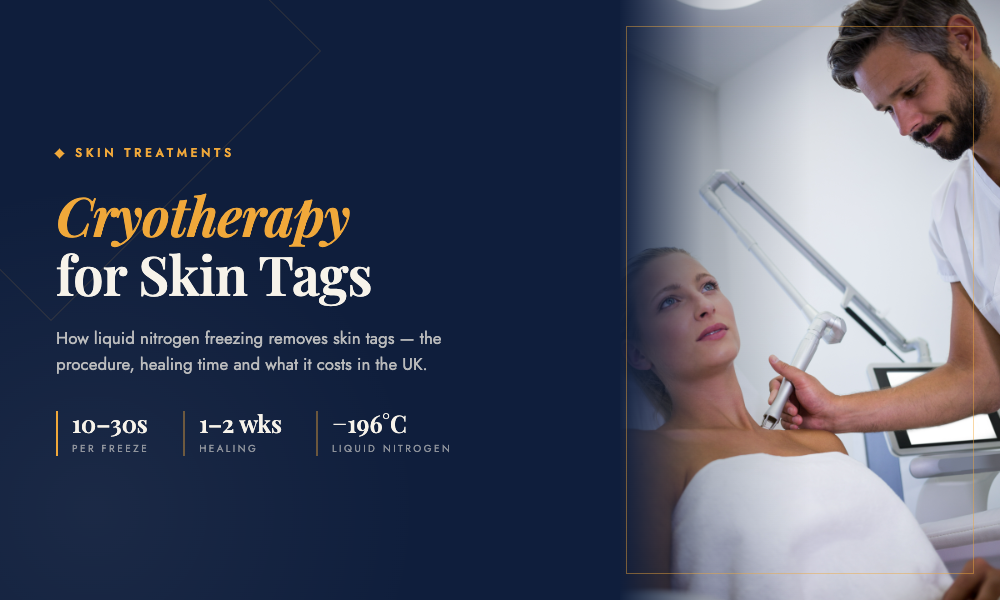
Cryotherapy involves freezing benign skin growths like warts, skin tags, and age spots. Learn what you need to know about this procedure and how to care for your skin.
Key Takeaways
- Inflammation, swelling, blisters, and scabbing are among the most common side effects
- Infrequent side effects include infection, skin darkening, numbness, and scarring
- Do not scratch blisters, and apply sunscreen for protection
Is Cryotherapy Safe?
Yes. Cryotherapy is very safe for most individuals. British doctors and dermatologists have used it for decades to treat warts, skin tags, and sun damage.
- It treats only a small patch of skin, so it has little effect on the rest of your body
- Usually, there is no cutting, stitching, or injection
- Complications are rare when a qualified practitioner checks the growth and controls the freeze
- Most side effects are simply your skin healing as it should
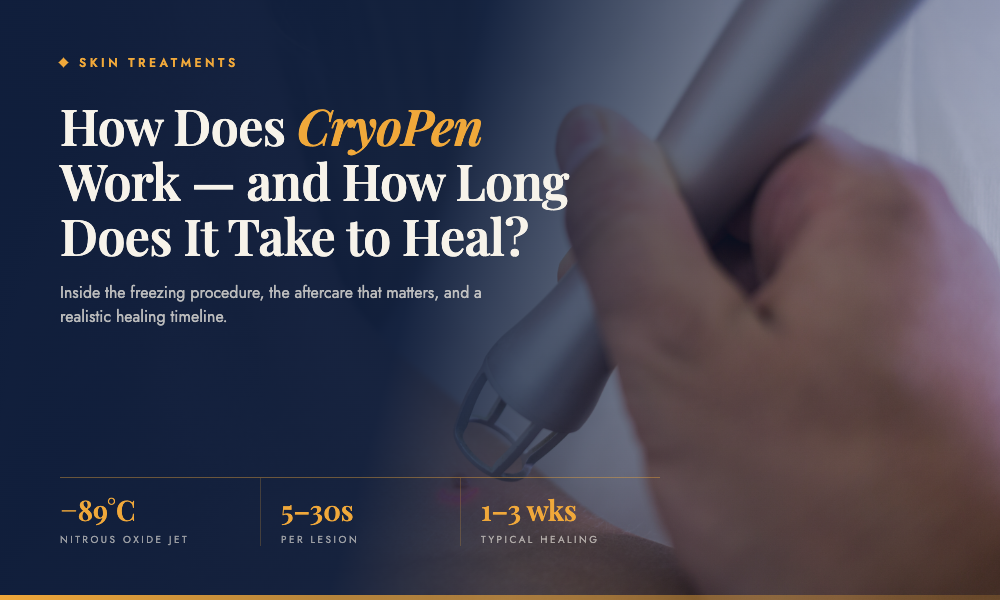
If you are wondering what cryotherapy is, the cold turns the water inside unwanted cells into ice. The cells break down, and the growth dries up and falls away.
Cryotherapy Benefits at a Glance
- Fast: The process is completed in seconds
- Efficient: It targets the lesion without damaging surrounding skin because of the cold effect
- Prompt recovery: You can resume your daily tasks on the same day
- No anaesthesia: You'll feel nothing but a sting
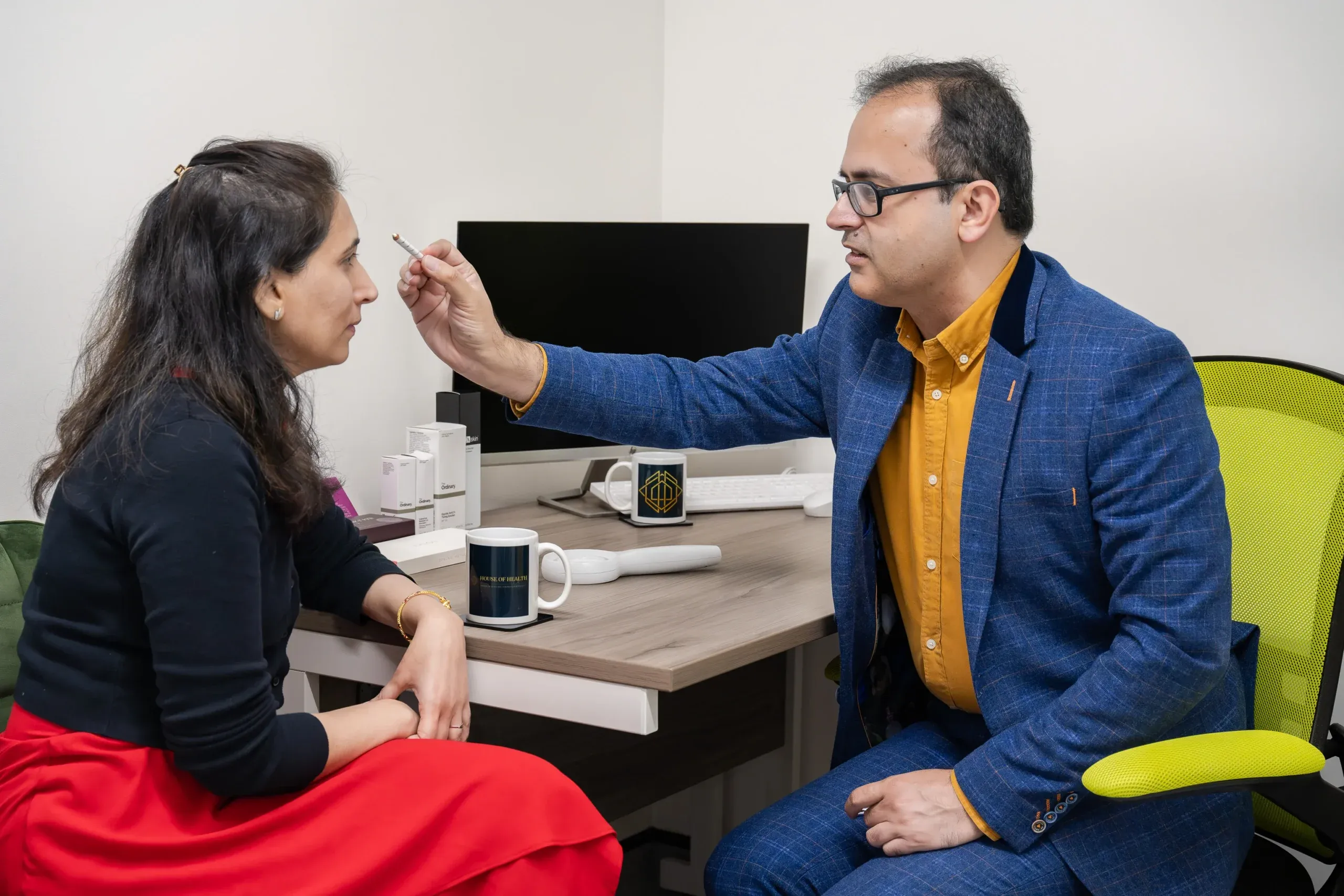
A doctor-led cryotherapy treatment always starts with a skin check, so only harmless growths are frozen.
Common Side Effects of Cryotherapy (Normal and Temporary)
This is normal when the treatment is successful.
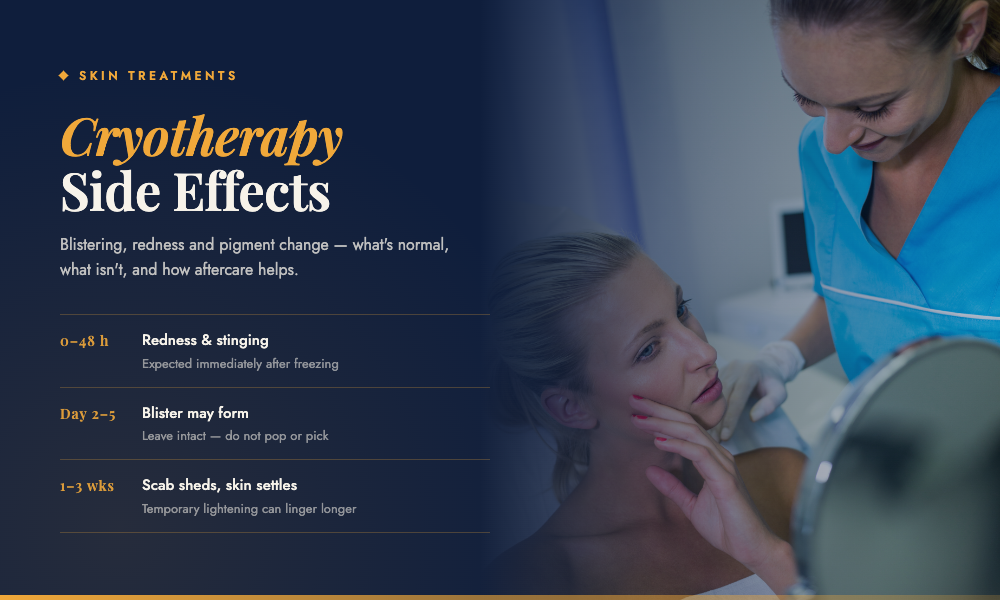
- Redness: Redness may occur during the first 24 to 48 hours after the procedure. For people with dark skin, the reaction may be difficult to see
- Blisters: Clear or blood blisters may appear in the treated area in the first hours. This is an expected outcome of the treatment
- Pain: Itchy, burning, throbbing, or aching pain may persist for 24 to 48 hours after the treatment. Paracetamol will help eliminate the pain
- Formation of Scab: Blisters turn black, and a black scab forms on top. They will eventually fall off without even touching them
- Time Duration: These symptoms will fade away in one or two weeks
Cryotherapy Healing Stages
Your skin will have a specific sequence while healing:
- Immediately: It becomes whitish, then becomes red due to inflammation
- In a couple of hours: Inflammation and a blister in most cases
- Days 2 to 5: The blister dries to form a darker crust or scab
- Weeks 1 to 3: The scab starts to fall off, exposing new pink skin
- Month 3: The newly formed skin integrates into the surrounding skin
The face heals fastest. For a day-by-day guide, see how long cryotherapy takes to heal.
Cryotherapy for Warts Side Effects
Because warts and verrucas require a deeper freeze than skin tags, the side effects are often more pronounced:
- The likelihood of having blood blisters increases, particularly on fingers
- Wearing shoes may be painful when you have a verruca on your sole
- Freezing a wart close to a nail can affect the nail. This usually grows out, but not always
- Many warts need 2 or more sessions a few weeks apart, because the virus sits deep in the skin
With professional wart and verruca removal, the freeze is set to suit each wart.

Nervous About How Your Skin Will Heal After Freezing?
- A doctor checks your growth first, so you know it is safe to freeze.
- The freeze level will be adjusted based on your skin, growth, and its location.
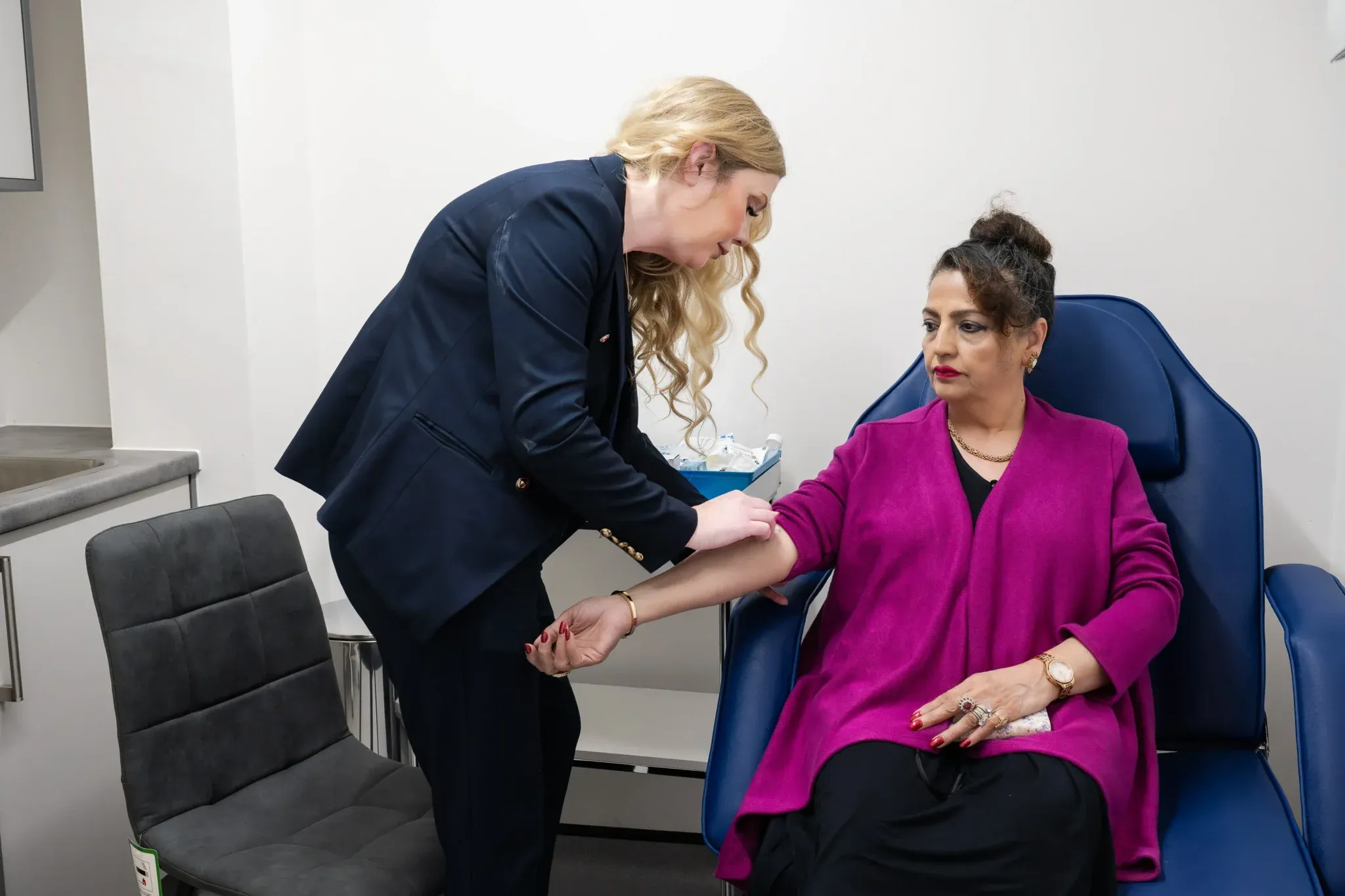
- Anita Raja, a GP CryoPen certified at House of Health, provides clear post-treatment guidance and is always available for any concerns.
How to Manage Common Cryotherapy Side Effects
Redness and Swelling
- Apply a cold pack covered in a cloth for 10 minutes on and 10 minutes off for the first 24 hours
- Elevate the affected area if possible
- If it itches, talk to a pharmacist or your practitioner about an antihistamine
Cryotherapy Blister Care
A cryotherapy blister protects the new skin underneath.
- Keep the area clean and dry
- Do not pick, pop or lance the blister
- Wear loose clothing so it does not rub
- Apply antibiotic ointment only if your practitioner tells you to
Pain
- Paracetamol/ibuprofen will help relieve your pain. Make sure that you read the directions on the packet
- Avoid taking aspirin for pain because it will increase your bruising. If you have been prescribed aspirin, then continue taking it
Sun Sensitivity
- Use SPF 30 or more for at least four weeks, because the new skin is very sensitive
- Avoid exposure to sunlight
Uncommon Cryotherapy Side Effects (Rare)
- Infection: More likely if you try to burst the blister. Symptoms include pus formation, reddening, and high temperature
- Prevention: Maintain good hygiene of the area and avoid touching the blister
- Management: Contact your medical facility if you experience these symptoms
- Hypopigmentation: Pale skin discolouration. Occurs rarely and is temporary
- Hyperpigmentation: Dark spot on the skin. More likely in darker skin types
- Nerve damage: Numbness when a nerve under the surface is frozen. Very rare and temporary
- Permanent scarring: Extremely rare with a competent doctor
Risk Factors for Cryotherapy Complications
Risks of cryotherapy are minimal, although these increase the chances of complications with cryotherapy:
- Bad technique: Freezing for too long and too deep. That's why it is important to use an experienced clinic
- Bad aftercare: Picking at the blisters or burning the spot in the sun
- Neglecting infection symptoms
- Medical disorders: Consult your doctor beforehand if you have any immune system problems
- Being pregnant
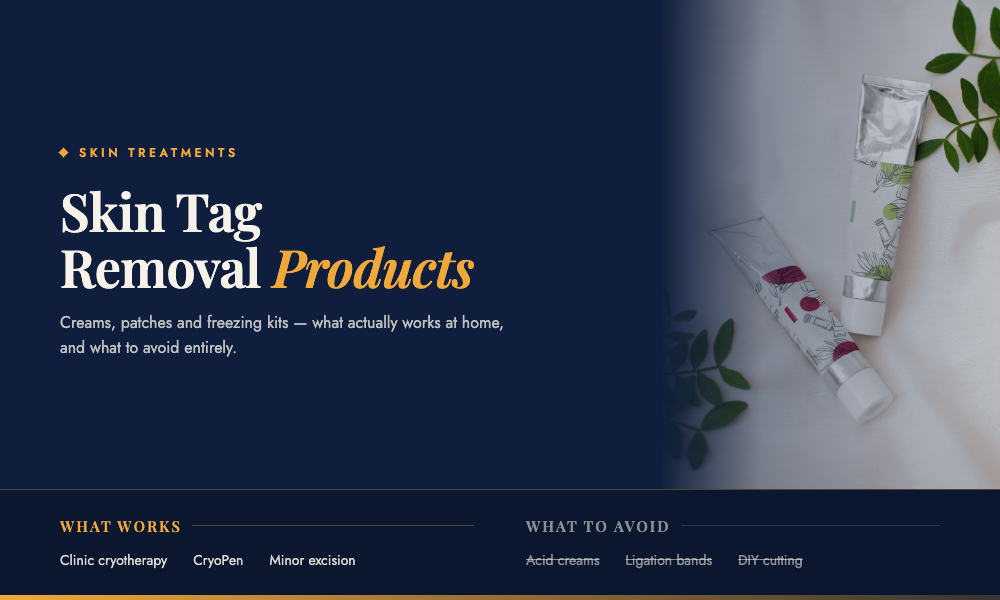
- Unchecked growths: Home skin tag removal products cannot tell you what a growth is
Tried Home Freezing Kits and Still Stuck With That Wart?
- Medical-grade CryoPen freezes with far more control than chemist kits.
- Several skin tags, warts or sun spots can often be treated in one visit.
- House of Health in Birmingham's Jewellery Quarter often offers same-day appointments — no GP referral needed.
When to Contact Your Clinic
- Priority: Pus formation, fever, or inflammation of a red area. Do not hesitate to seek medical attention
- Normal: Pain, bleeding or swelling
- General: All queries regarding recovery
- No delay allowed: Concerns related to complications
Cryotherapy Aftercare: How to Minimise Side Effects
Before Treatment
- Tell the therapist about any medications and medical conditions you have
- Avoid sun exposure on the treatment area the day before
- Don't apply any makeup or lotions to the treatment area
After Treatment
- Abide by the after-care instructions for the cryotherapy treatment session
- Keep the treated area clean and dry, and do not burst the blisters
- Protect the treated area from sun exposure
- Do not sweat or work out for 48 hours
Cryotherapy Safety Compared to Other Treatments
- vs surgery: No cutting means fewer complications and minimal scarring. However, surgery allows the removed tissue to be sent for testing
- vs laser: Equally safe. Side effects vary depending on the type of growth
- vs topical treatments and wart paint: Faster recovery period
Some lumps suit a skin lump removal clinic better than freezing.
Whole Body Cryotherapy Risks: How Is It Different?
Whole-body cryotherapy means staying in an extremely cold room for 2 to 4 minutes, usually for sports recovery. Skin-only cryotherapy affects only a limited part of the body. Whole-body cryotherapy is associated with various dangers, including:
- Frostbite or cold burns
- A rise in blood pressure
- Feeling dizzy or faint
People with heart problems, high blood pressure, poor circulation or who are pregnant should speak to a doctor first.
Special Considerations
- Pregnancy: Cryotherapy is generally deferred. Contact your healthcare provider if you are pregnant
- People with dark skin: You may be at higher risk of light or dark spots after the procedure. Consult your practitioner about this matter
- Weakened immune system: Before undergoing laser hair removal, talk to your doctor, as you may be at higher risk of infection
- If you are prone to keloids: Before undergoing this procedure, consult your practitioner about the risk of getting scars
Conclusion
However, most side effects from cryotherapy are minor, predictable and temporary. Signs that your skin is healing, such as redness, inflammation, blisters, and scabs, generally go away within 1-2 weeks. A competent therapist and proper aftercare can help avoid uncommon risks such as infection, discolouration, or scarring.
Have questions about cryotherapy side effects? The doctor-led team at House of Health checks every growth before treatment and offers CryoPen treatment in Birmingham for skin tags, warts and sun spots. You can also book skin lesion removal in Birmingham for personalised advice on your skin.
Frequently Asked Questions
Is pain normal after cryotherapy?
Yes. Stinging or a dull ache for a day or two is normal. If the pain worsens after 2 to 3 days, contact your clinic.
Should I pop a blister after cryotherapy?
No. Leave it alone. If it is large or painful, ask your clinic for advice rather than popping it.
Will cryotherapy leave a permanent scar?
It is rare, as the skin is not cut. A small pale or dark patch is more likely, and often fades over a few months.
Is infection likely after cryotherapy?
No, infection is uncommon. The risk rises if you pick at the blister or scab, so keep the area clean and dry.
How long do cryotherapy side effects last?
Redness and irritation usually last 1 to 2 days. The blister and scab usually heal in 1 to 3 weeks. The colour change may take up to 3 months.
Why has my skin turned black after cryotherapy?
A dark scab is normal. It is the treated tissue drying out, and it should fall off within a few weeks.