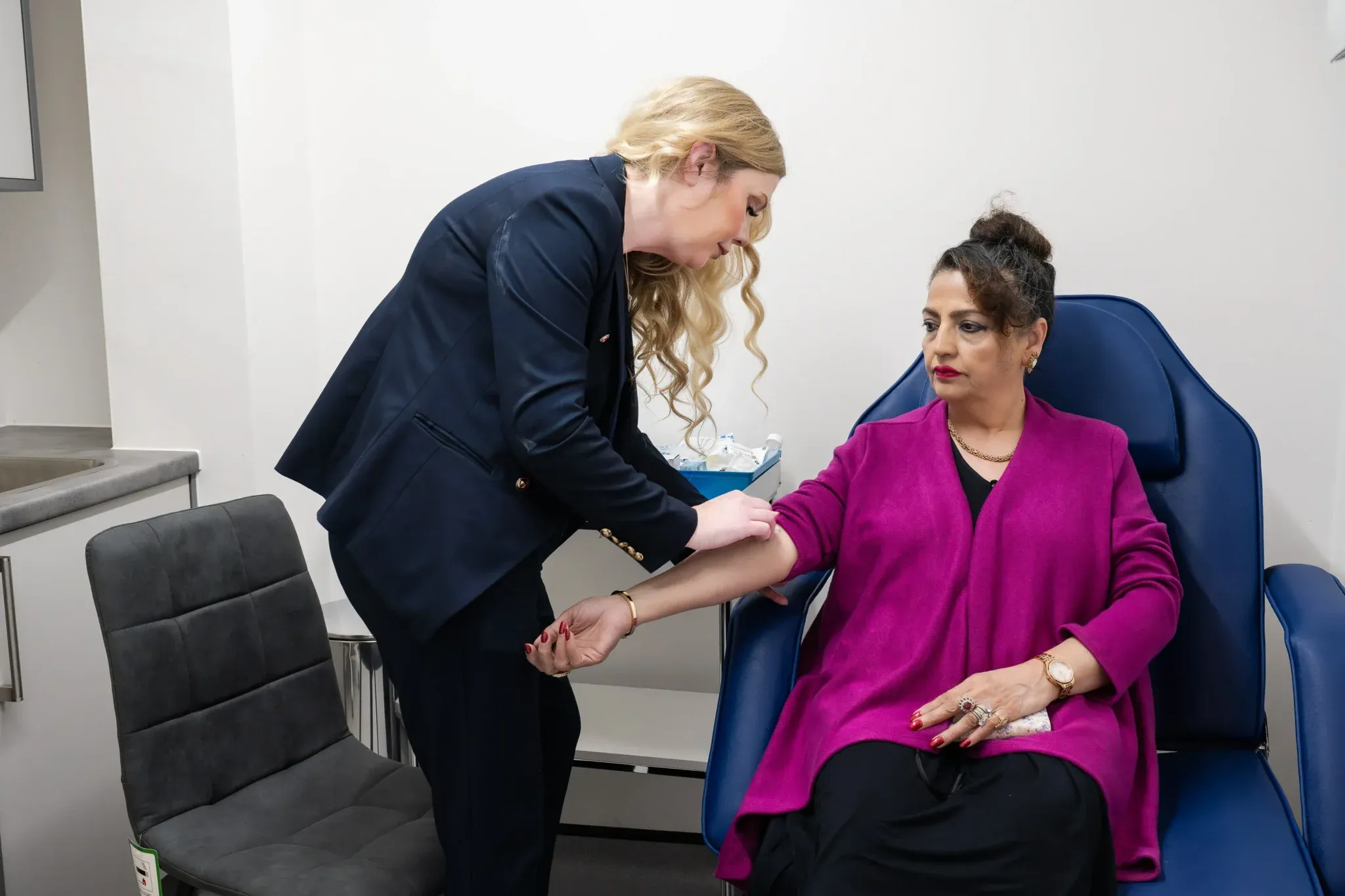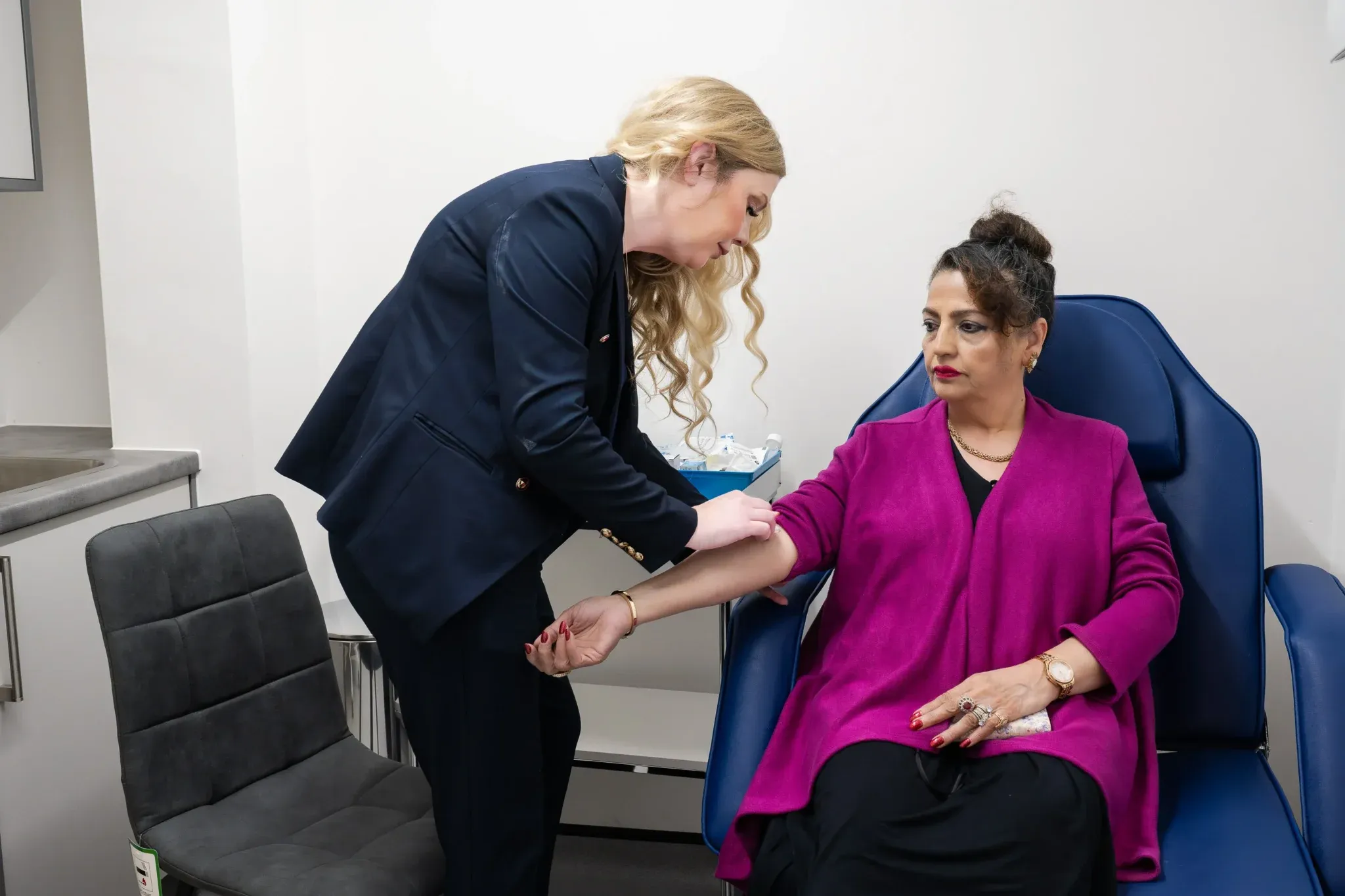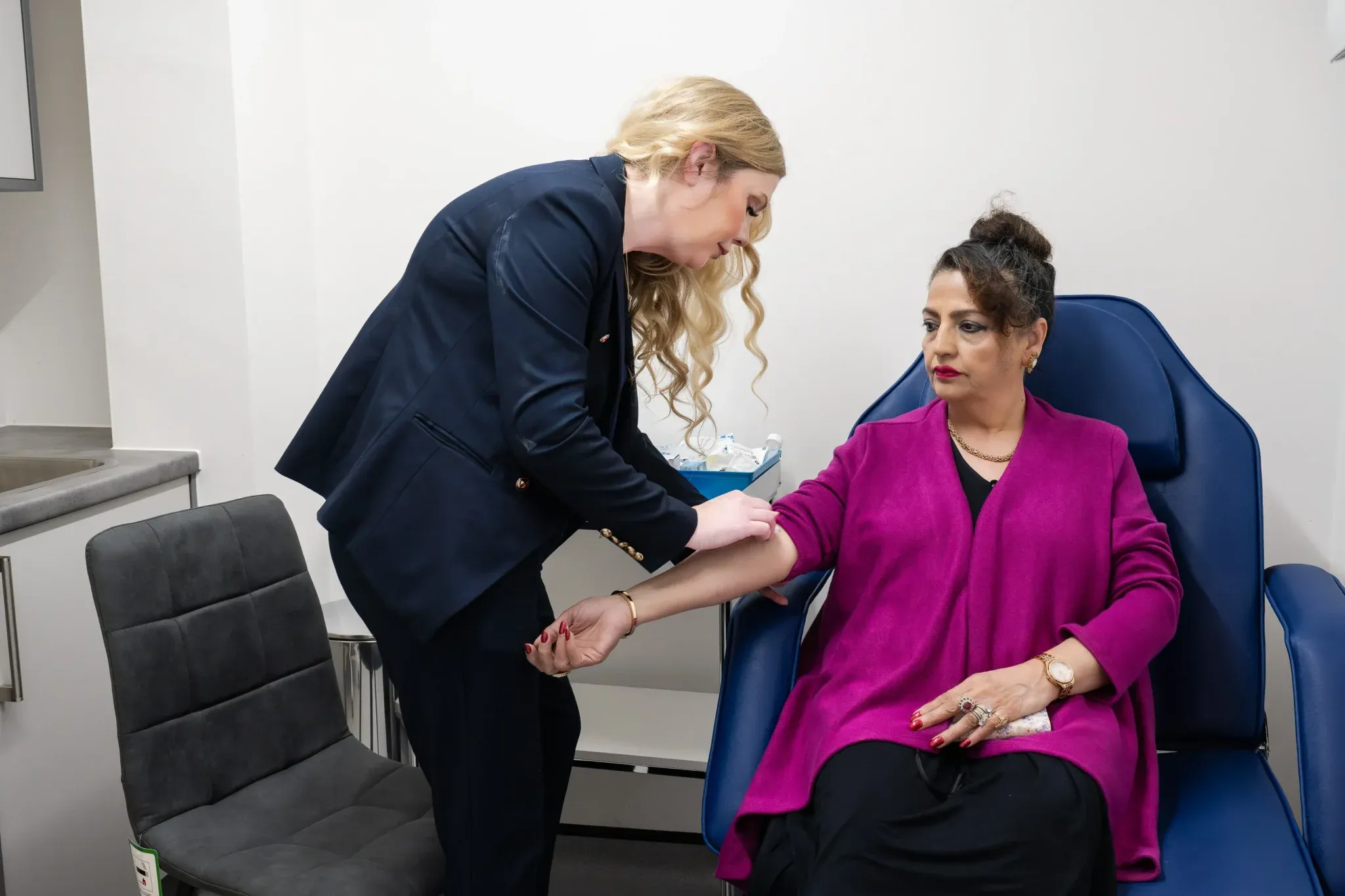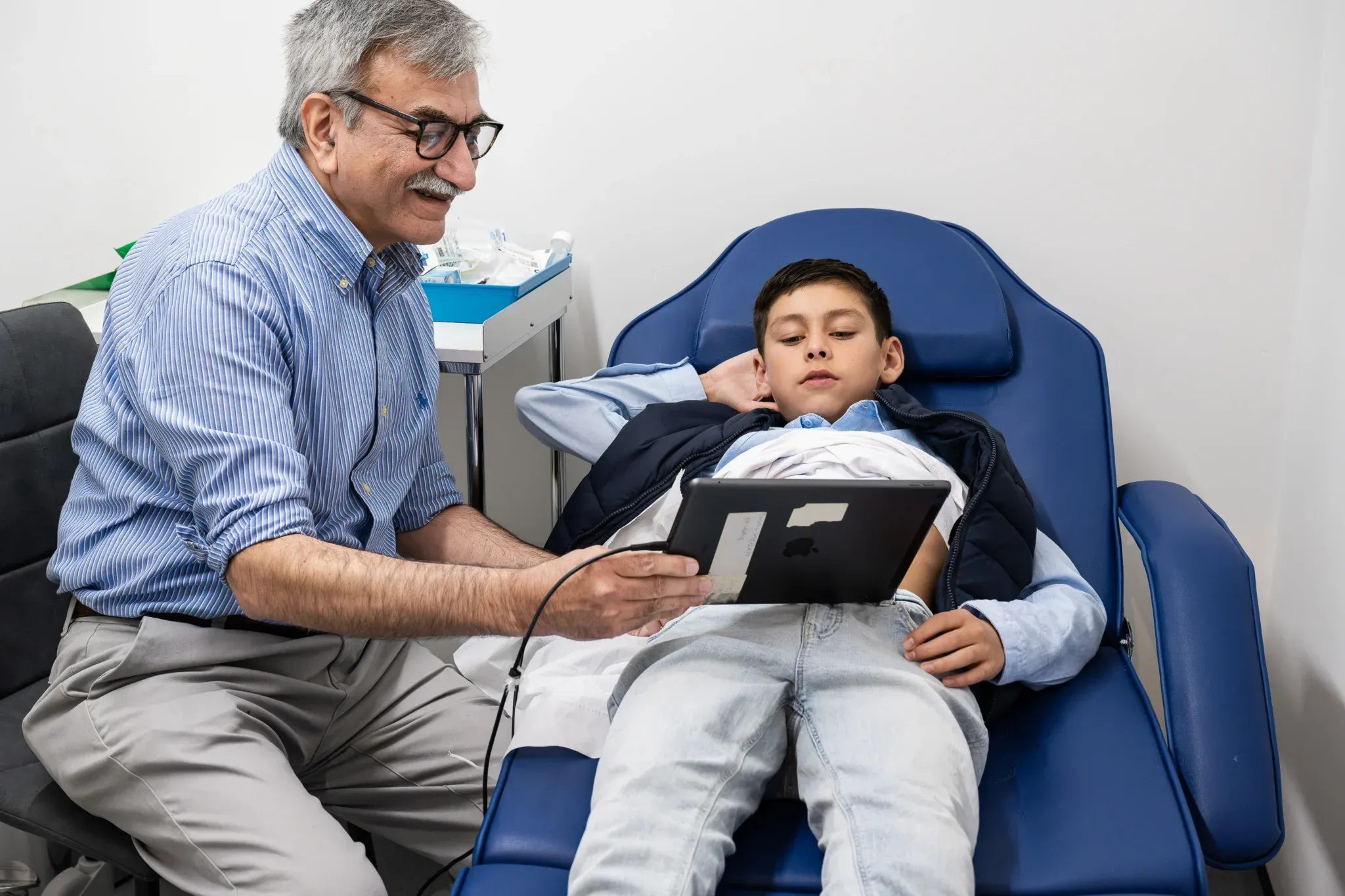

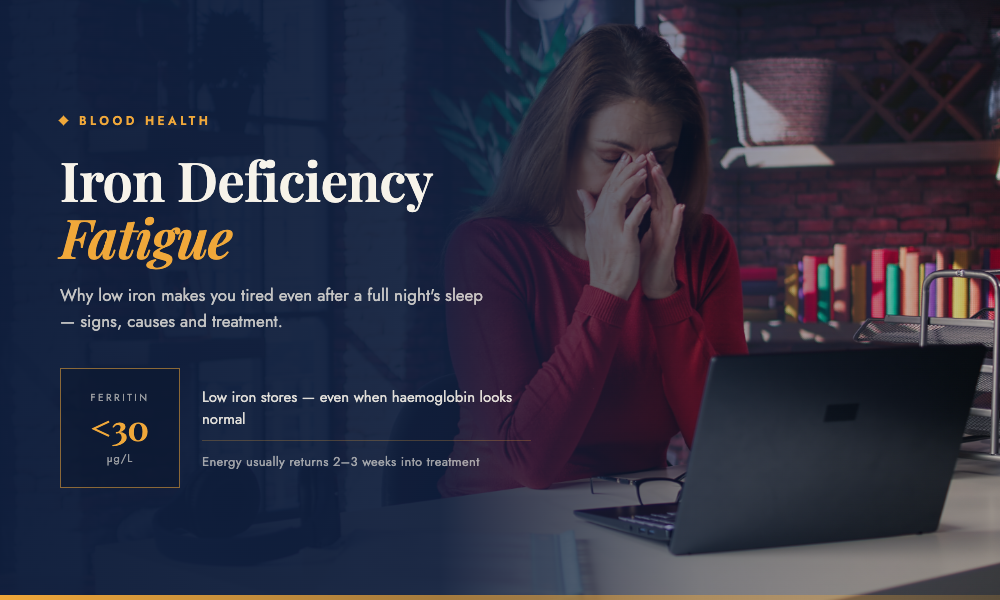
Iron deficiency anaemia causes severe, long-lasting fatigue because your body lacks enough iron. With insufficient iron, your body can't transport oxygen in the blood, leaving your organs starved for energy. A blood test can easily detect iron deficiency anaemia.
In many cases, people cite work stress or insomnia as the cause of this fatigue. However, if you feel constantly tired no matter how much you rest, insufficient iron may be a cause.
Key Takeaways
- Yes, iron deficiency could cause fatigue before anaemia is detected through a blood test.
- Symptoms include fatigue, pallor, difficulty breathing, and rapid heartbeat.
- Anaemia on a complete blood count does not always mean iron deficiency. The ferritin test measures the body's iron stores.
- Some causes of iron deficiency include heavy menstruation, poor nutrition, pregnancy, and intestinal bleeding.
- People usually feel better after two weeks of the correct treatment.
Does Low Iron Make You Tired?
Yes, low iron levels are among the most common causes of constant tiredness.
Here is how it affects you internally:
- Your body needs iron to produce haemoglobin. It is the oxygen-carrying part of your red blood cells.
- Less iron means less haemoglobin.
- Then your muscles, brain, and heart get less oxygen.
- Your heart has to work harder to pump blood, which makes you tired.
- Your body cells also need iron to produce energy from food.
What Does Iron Deficiency Tiredness Feel Like?
Iron-deficiency fatigue is different from feeling sleepy after staying up late. Lack of iron fatigue can be described in this way:
- Wake up feeling fatigued despite getting eight hours of sleep
- Taking stairs is exhausting
- Feel like your limbs are too heavy to move
- It is difficult to concentrate on what you do and to retain little details
- A nap is required to make it to the evening
- Exercising has become more difficult
The main factor is that no matter how much rest you get, it won't help because iron deficiency fatigue develops gradually over weeks and months.
Iron Deficiency to Look Out For
Fatigue from low iron usually doesn't occur alone; other symptoms may become more prominent as iron levels drop.
Early Signs of Low Iron
In the beginning of iron deficiency, there can be symptoms that may seem slight and not easily recognised:
- Being fatigued or having low energy levels
- Headache
- Cold extremities (hands and feet)
- Irritability and depressed mood
- Unusual hair loss
Hair shedding is a common worry. If you have noticed more hair in your brush, it helps to know which vitamin deficiency causes hair loss, as iron sits near the top of the list.
Iron Deficiency Anaemia Symptoms
If low iron continues, it can lead to anaemia. This means your body has fewer healthy red blood cells. Iron deficiency anaemia symptoms are often easier to spot:
- Pale skin, or pale skin inside the lower eyelids
- Shortness of breath during mild exertion
- Rapid or racing heart rate (palpitations)
- Dizziness
- Weak or spade-shaped nails
- Tender and smooth tongue or sores at the corners of the mouth
- Strange cravings for substances such as ice or paper (pica)
- Increased susceptibility to infections
In individuals suffering from mild anaemia, there may be no evident symptoms at all. Therefore, a private anaemia test is the only way to confirm it.

Tired All Day, Even After a Full Night's Sleep?
- Check your ferritin, haemoglobin and full iron profile with one private blood test.
- Most results are back within 24 to 48 hours; no GP referral needed.
- GP Dr Sidra Hasan and the House of Health team can explain what your numbers mean.
Iron Deficiency Without Anaemia: Can You Be Tired With Normal Blood Results?
Yes. This is a common reason people are told their bloods are "normal" but still feel exhausted.
Iron deficiency follows certain steps:
- Iron stores begin to deplete.
- Less iron is available to form red blood cells.
- Haemoglobin levels drop, resulting in anaemia.
Iron deficiency without anaemia is an early step of this disease. This occurs when your levels are below normal. Individuals begin feeling fatigued at this stage.
A complete blood count measures haemoglobin in your blood, and it doesn't necessarily measure iron stores.
What Is Low Ferritin Fatigue?
Ferritin is a protein that stores iron. Think of it as your body's iron savings account. Low ferritin fatigue is tiredness caused by low iron stores, even when your haemoglobin looks fine.
- Most doctors in the UK consider a ferritin level below 30 µg/L indicative of low iron stores.
- However, some people feel tired even when ferritin is slightly higher.
- Ferritin may also be raised due to infections and inflammation.
- Laboratories vary slightly in their ranges. Your doctor should interpret the results in the context of your symptoms.
What Causes Iron Deficiency Tiredness?
Blood loss, an iron-deficient diet, or poor iron absorption generally causes iron deficiency:
- Menorrhagia: The most common cause in pre-menopausal females. A gynaecology expert can investigate it.
- Pregnancy: Iron requirements increase substantially during pregnancy to cater to the growing fetus.
- Poor diet: Vegetarian/vegan diet, or a diet low in meat, beans, and green vegetables.
- Gastrointestinal problems: Conditions such as coeliac disease, Crohn's disease, or previous abdominal surgery can inhibit iron absorption.
- Ongoing bleeding: Slow blood loss from the gastrointestinal tract due to conditions like ulcers, polyps, or frequent use of analgesics like ibuprofen and aspirin.
- Other causes: Frequent blood donation or extreme endurance activities such as long-distance running.
In men and in women after menopause, low iron is often linked to the gut. It is important to find the cause, not just top up iron. A gut health specialist can arrange the right checks.
Told Your Bloods Are Normal but Still Feel Drained?
- Tests usually miss ferritin. You need an entire iron profile to see the gaps.
- Have a plan if iron pills haven't worked.
- House of Health in Birmingham Jewellery Quarter offers same-day appointments.
How Is Iron Deficiency Fatigue Diagnosed?
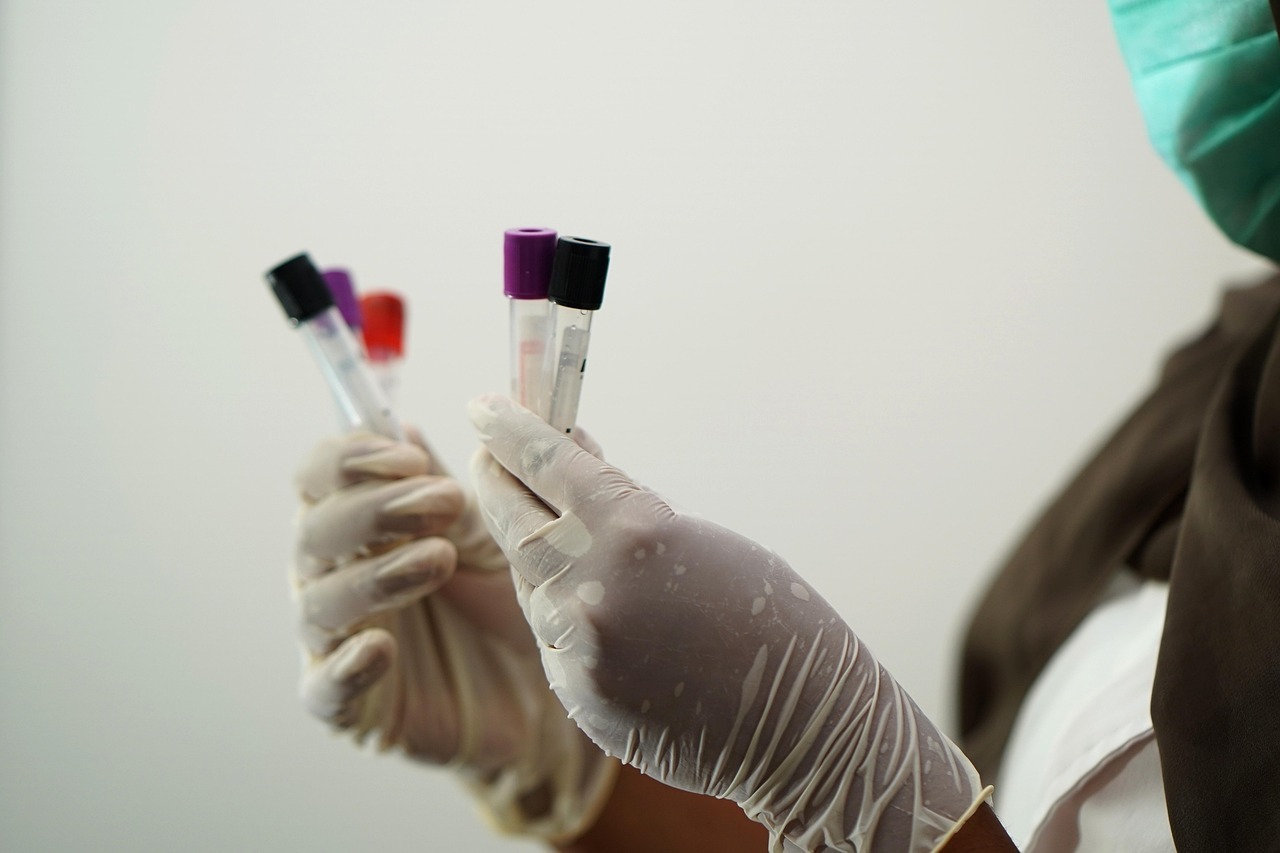
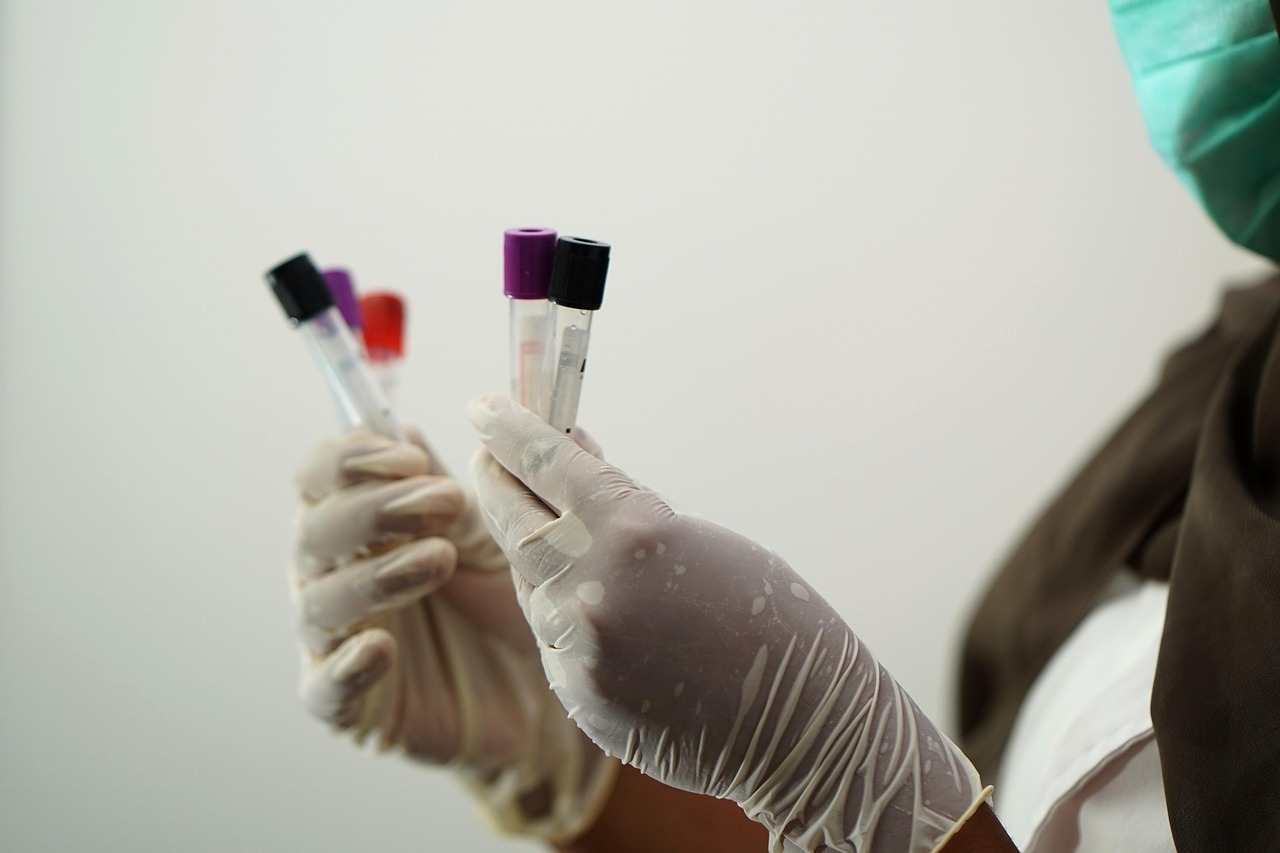
The only way to confirm low iron is through a blood test, since other causes of fatigue can affect the body.
A good test for iron should have the following:
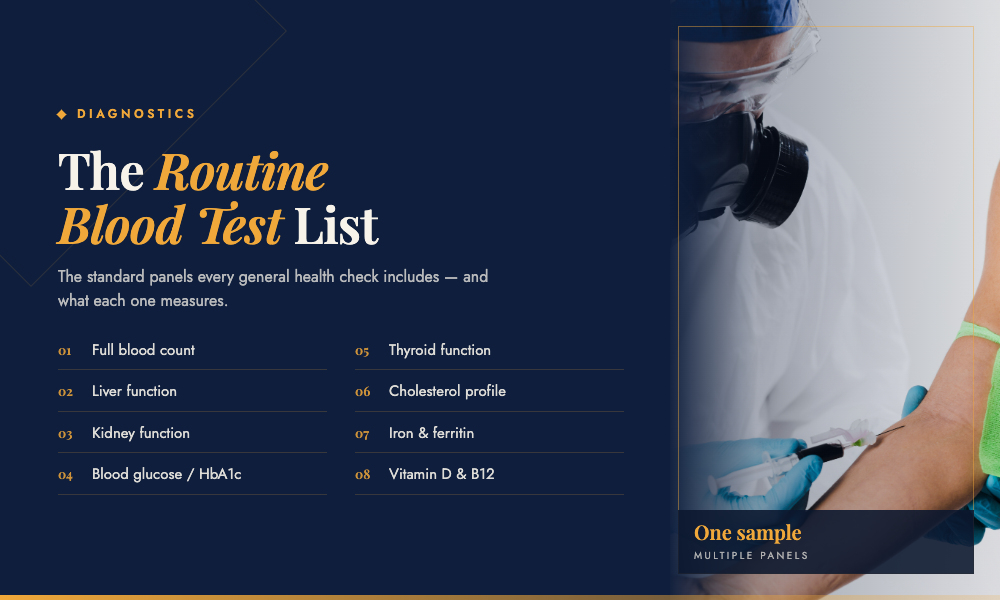
- Complete blood count: Measures haemoglobin levels and red blood cell size.
- Ferritin: Indicates the body's iron stores.
- Serum Iron and Transferrin saturation: Indicates iron circulating in the blood.
- Vitamin B12 and Folate: If low, can also cause anaemia and fatigue.
Your doctor may also look at other common causes of fatigue. A thyroid blood test can rule out an underactive thyroid, which can feel a lot like low iron. Private blood tests in Birmingham usually give results within 24 to 48 hours.
How to Treat Iron Deficiency Fatigue
Treatment has two parts. First, raise your iron levels. Second, find and treat the cause.
Iron Tablets
Iron tablets are normally taken first. Take these only after a doctor recommends them following a blood test.
- Always take them with orange juice or another food that contains vitamin C.
- Do not take tea, coffee, or milk within an hour before or after taking the iron tablet.
- There are expected to be some side effects like nausea and dark stools.
- Do not keep iron tablets where children can access them. Too much iron is harmful to children.
Iron-Rich Foods
Food alone may not fix a true deficiency. But it helps keep your levels up once they are back to normal. Good sources include:
- Red meat
- Beans, lentils and chickpeas
- Breakfast cereals with added iron
- Dried apricots and raisins
- Tofu, nuts and seeds
Iron Infusion
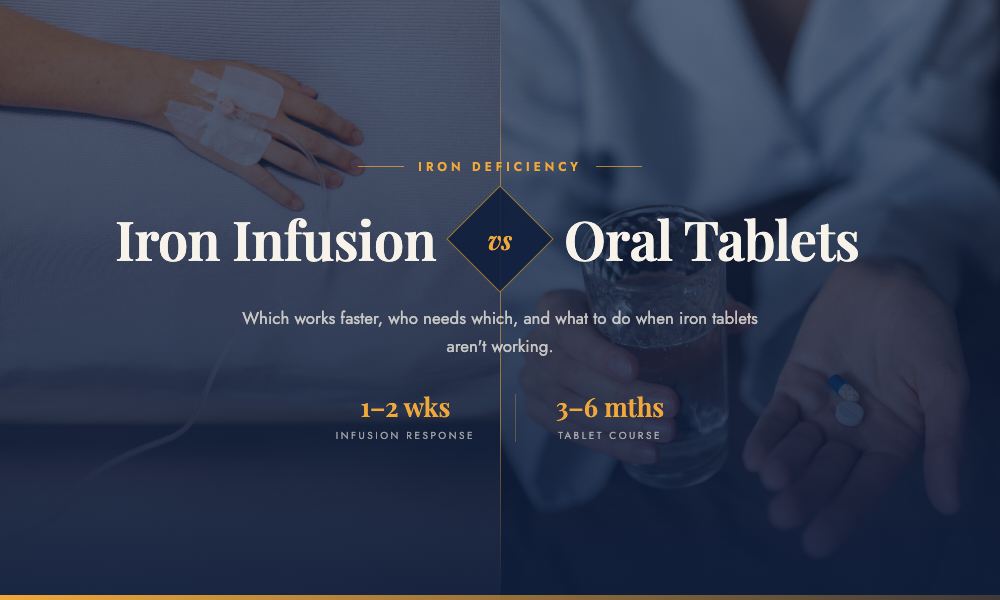
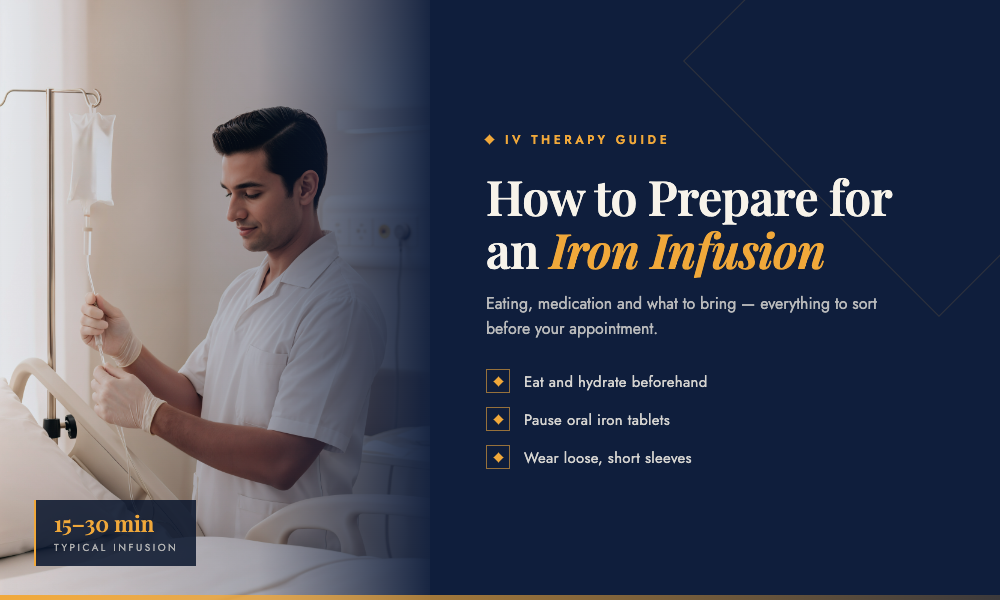
If tablets upset your stomach or do not raise your levels, an iron infusion may help. This gives iron straight into a vein through a drip. You can compare both options in this guide on iron infusion vs oral iron.
How Long Does It Take to Feel Less Tired?
Recovery takes time because your body must replenish red blood cells and iron stores.
- With tablets, the fatigue symptoms generally begin to subside after about 3 weeks.
- Your haemoglobin level usually begins to improve after 3 to 4 weeks.
- Replenishing your iron stores may take 3 months or more. Follow your doctor's instructions regarding the duration of the treatment, even when you begin to feel better.
- Following an iron infusion, people generally feel more energetic after 1 to 2 weeks.
If you are still experiencing fatigue after 2 to 3 months, see your doctor for a check-up, as you may need another treatment.
When Should You See a Doctor?
Make a consultation with your doctor if you feel tired over several weeks or this feeling interferes with your normal activities. Consult your GP immediately if you have:
- Black, tarry stools or blood in your stools
- Blood in vomit
- Unexpected weight loss
- Difficulty breathing even when resting
- Passing out
- Heavy periods where you need to change a tampon or pad every hour or two
If you have chest pain or difficulty breathing, dial 999. Everybody is unique; therefore, do not hesitate to discuss any concerns with your doctor.
Conclusion
Iron deficiency fatigue is common but usually manageable. With low iron, your blood's ability to transport oxygen is reduced, making you feel tired, weak, and short of breath. It may also occur when your haemoglobin level is within the normal range. Checking your ferritin level is necessary.
Once we know your levels, we'll choose an appropriate treatment to restore your energy and prevent future complications.
The expert team at House of Health offers a private anaemia test in Birmingham to check your full iron profile, along with IV iron infusion in Birmingham when tablets are not enough.
Frequently Asked Questions
What level of ferritin causes fatigue?
If your ferritin is below 30 µg/L, then your iron level will be low and will cause fatigue, but you can feel fatigued even if ferritin is slightly higher in some clinical conditions.
Why am I still tired after taking iron tablets?
It takes time to replenish iron stores. Tea, coffee, and digestive problems may impede absorption. If fatigue persists after 2 to 3 months, see your doctor.
Can low iron cause anxiety?
Yes, low iron affects your psychological state and can cause irritability, depression, or even anxiety until iron levels are restored.
Can low iron affect your sleep?
Yes, low iron is associated with the development of Restless Legs Syndrome.