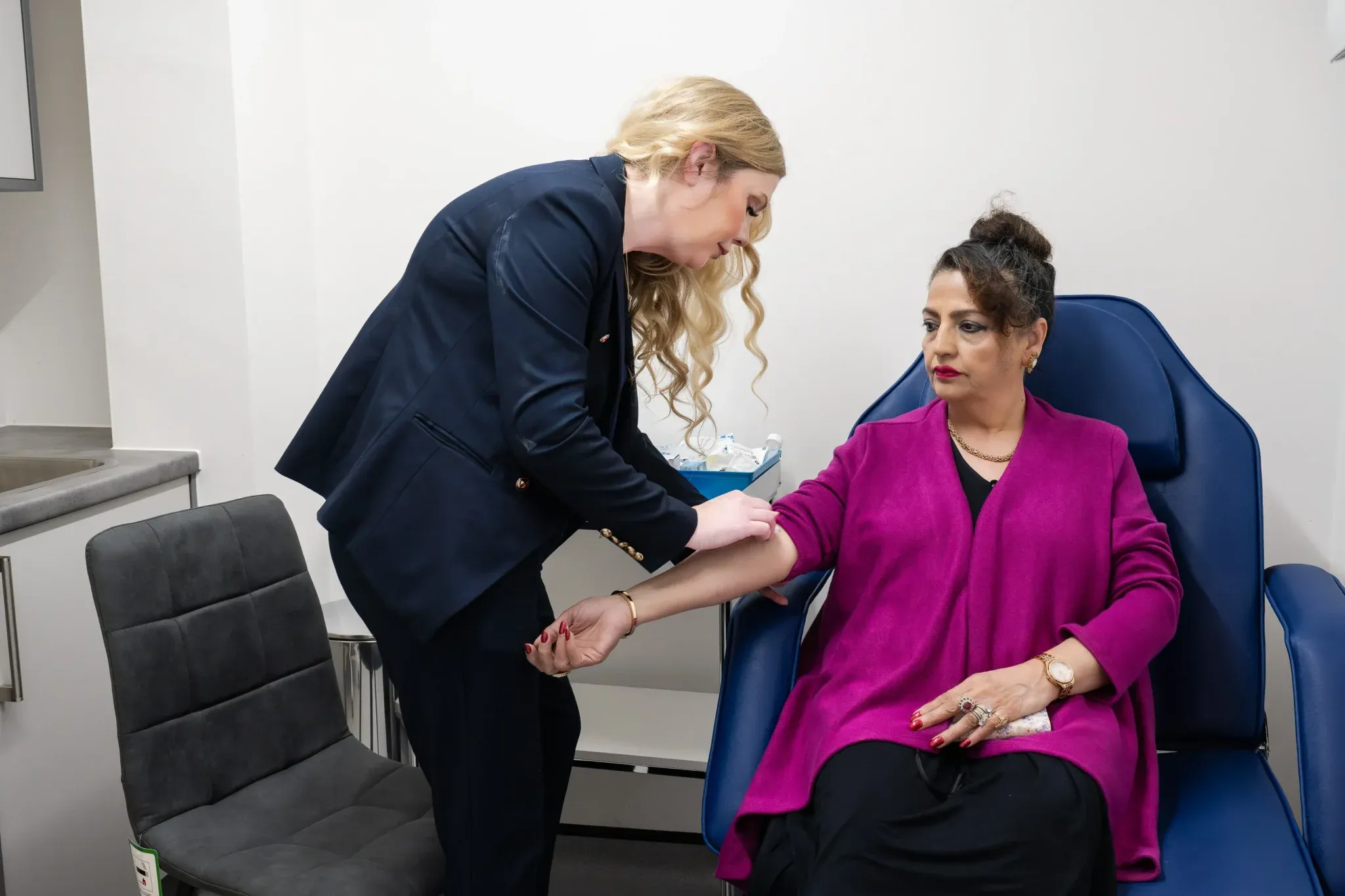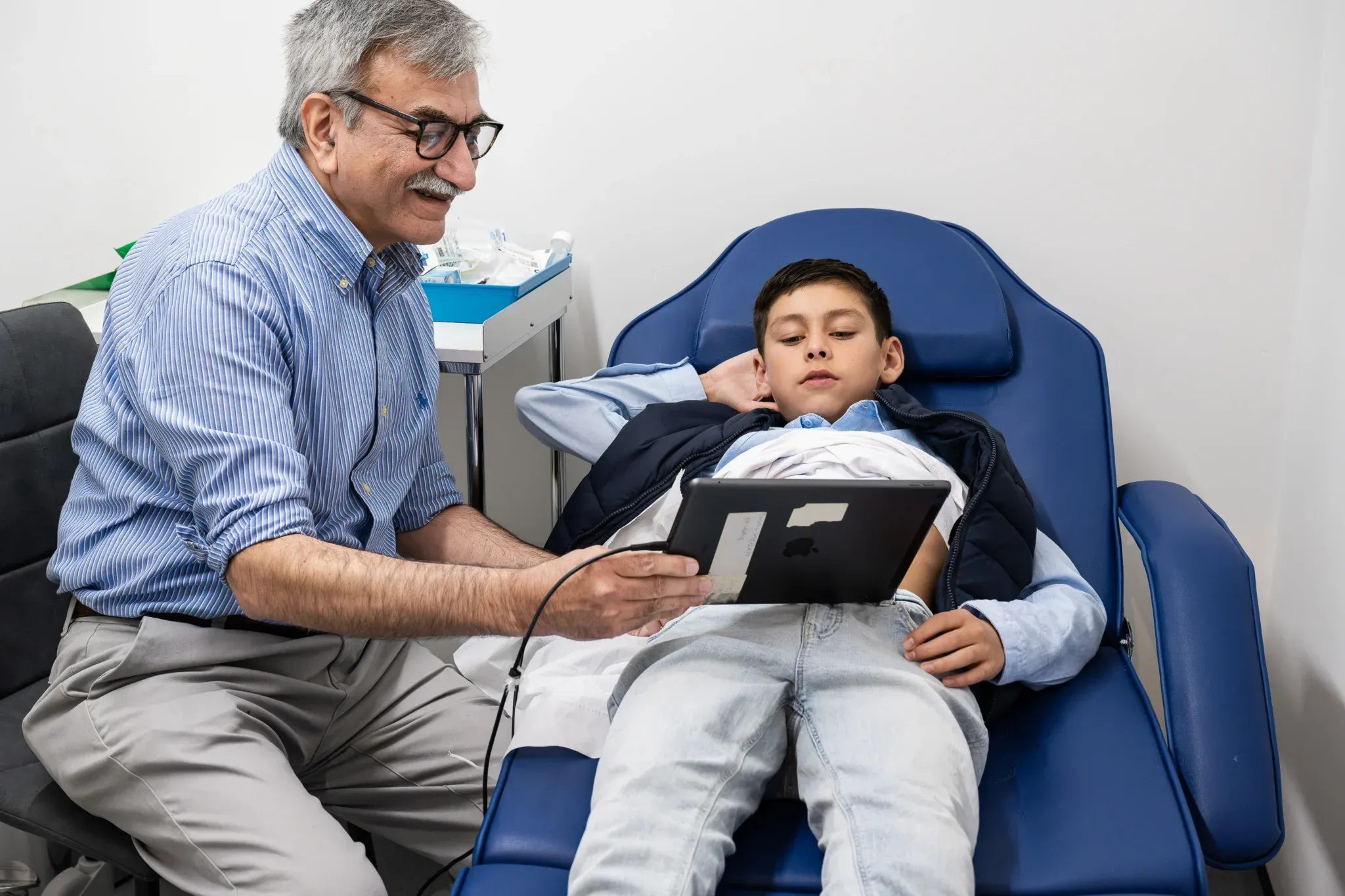

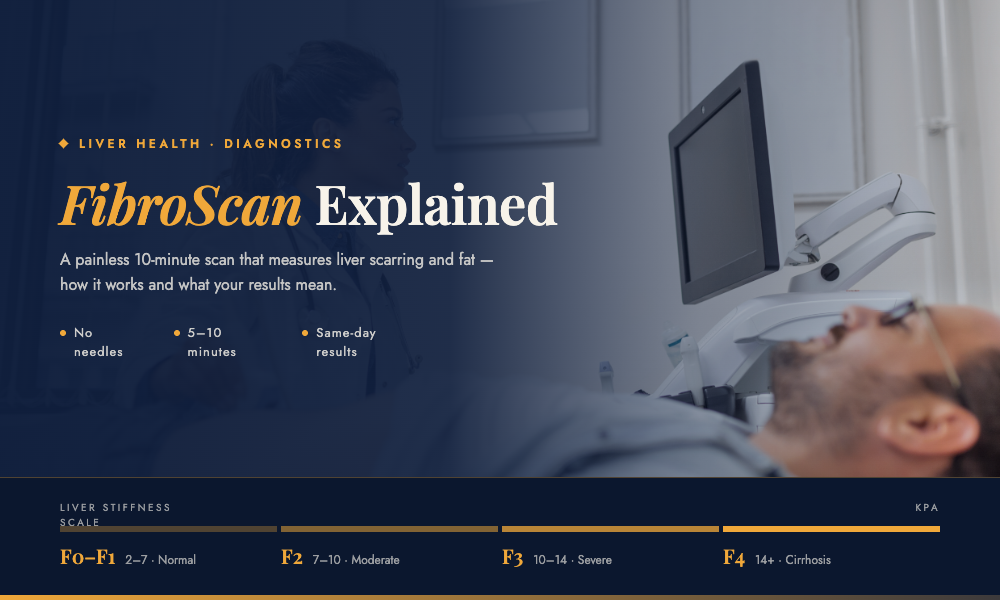
FibroScan is an easy, painless test that measures liver stiffness. Stiffness can indicate tissue changes in the liver, while FibroScan can also help measure fat. The scan takes about 10 minutes, and it doesn't require any needles.
Doctors use it to catch liver damage early, usually long before you feel anything. Most liver problems stay silent for years. A fatty liver, regular heavy drinking or a hepatitis virus can all leave scars without a single symptom.
This guide explains what the scan measures, who should have one, how to prepare, and what the numbers on your report mean. It also covers how a private liver test works and what happens next if the scan finds a problem.
Key Takeaways
- A fibrosis scan measures liver stiffness (scarring) and liver fat in one short visit.
- It is painless, needs no needles or sedation, and has no recovery time.
- Results grade the liver from F0 (healthy) to F4 (cirrhosis).
- Early scarring can improve once the cause is treated.
What Is a Fibrosis Scan?
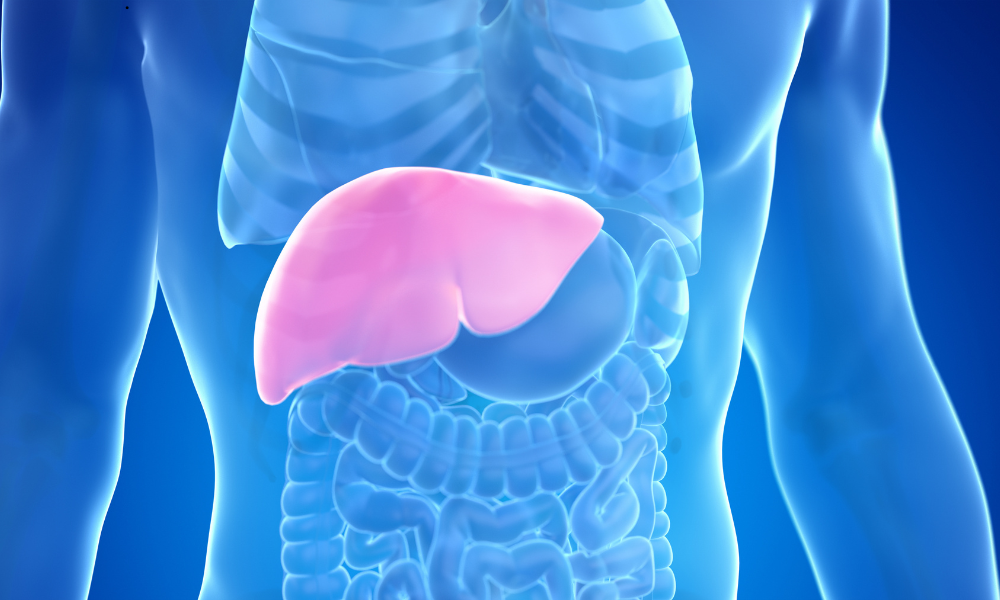
A fibrosis scan is a special type of ultrasound. Its medical name is transient elastography. It does not take a picture of the liver. Instead, it sends a gentle sound wave through the liver and times how fast it travels. Scar tissue is stiff, so the wave moves faster through a scarred liver than through a soft, healthy one.
The scan gives you two numbers:
- Liver stiffness, measured in kilopascals (kPa). A higher number means more scarring.
- CAP score, measured in decibels per metre (dB/m). A higher number means more fat.
Together, these grade the liver from F0 (no scarring) to F4 (cirrhosis). The probe samples a piece of liver far larger than a needle biopsy can, and you can repeat the test as often as needed. Because it measures stiffness, many people simply call it a liver stiffness test.
What Causes Liver Fibrosis?
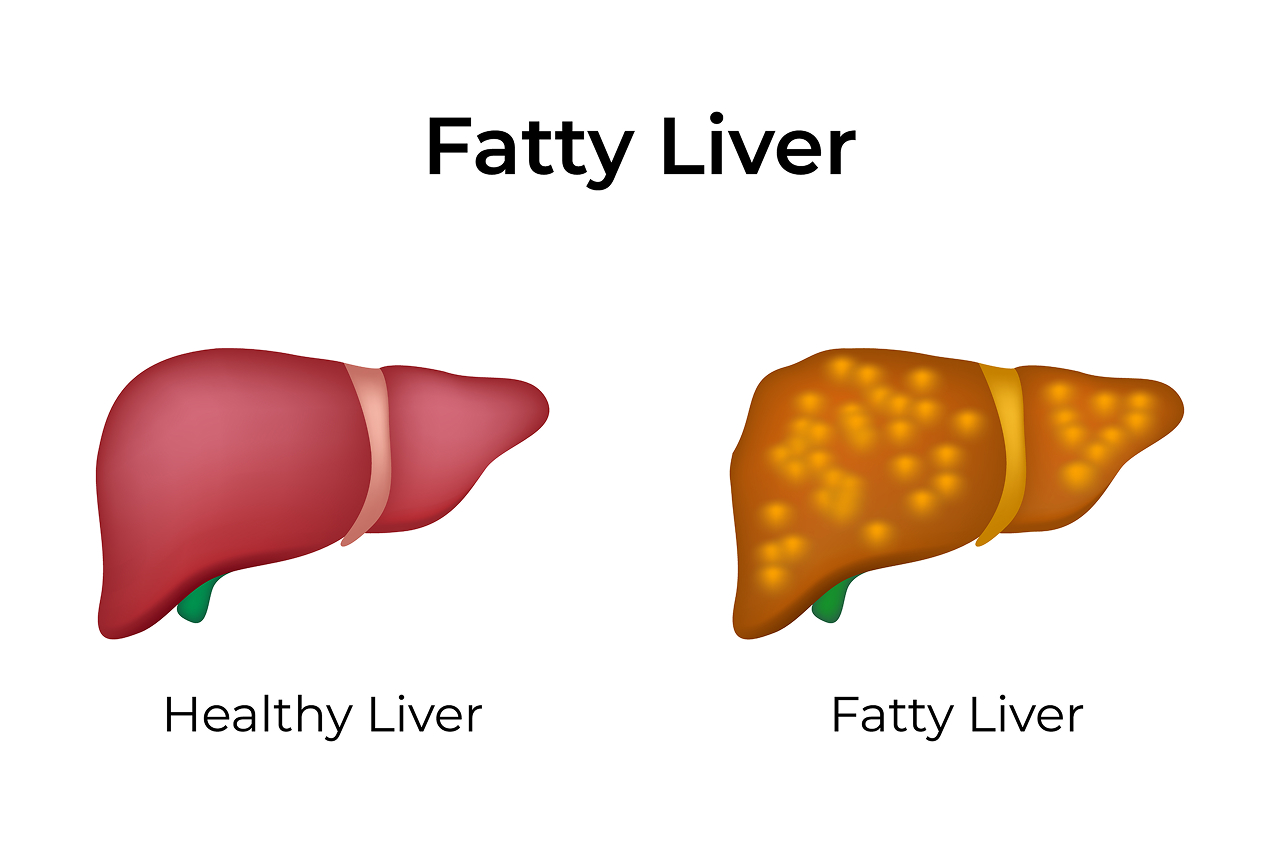
Fibrosis is the liver's way of patching up long-term damage. Each bout of inflammation leaves a little scar tissue behind. Over many years, those patches join up, and the liver slowly hardens.
The most common causes are:
- Fatty liver disease (MASLD), linked to excess weight, type 2 diabetes and high cholesterol.
- Hepatitis B or hepatitis C infection.
- Autoimmune liver conditions, including autoimmune hepatitis, PBC and PSC.
- Some long-term medicines that put strain on the liver.
- Inherited conditions such as haemochromatosis, where iron builds up in the liver.
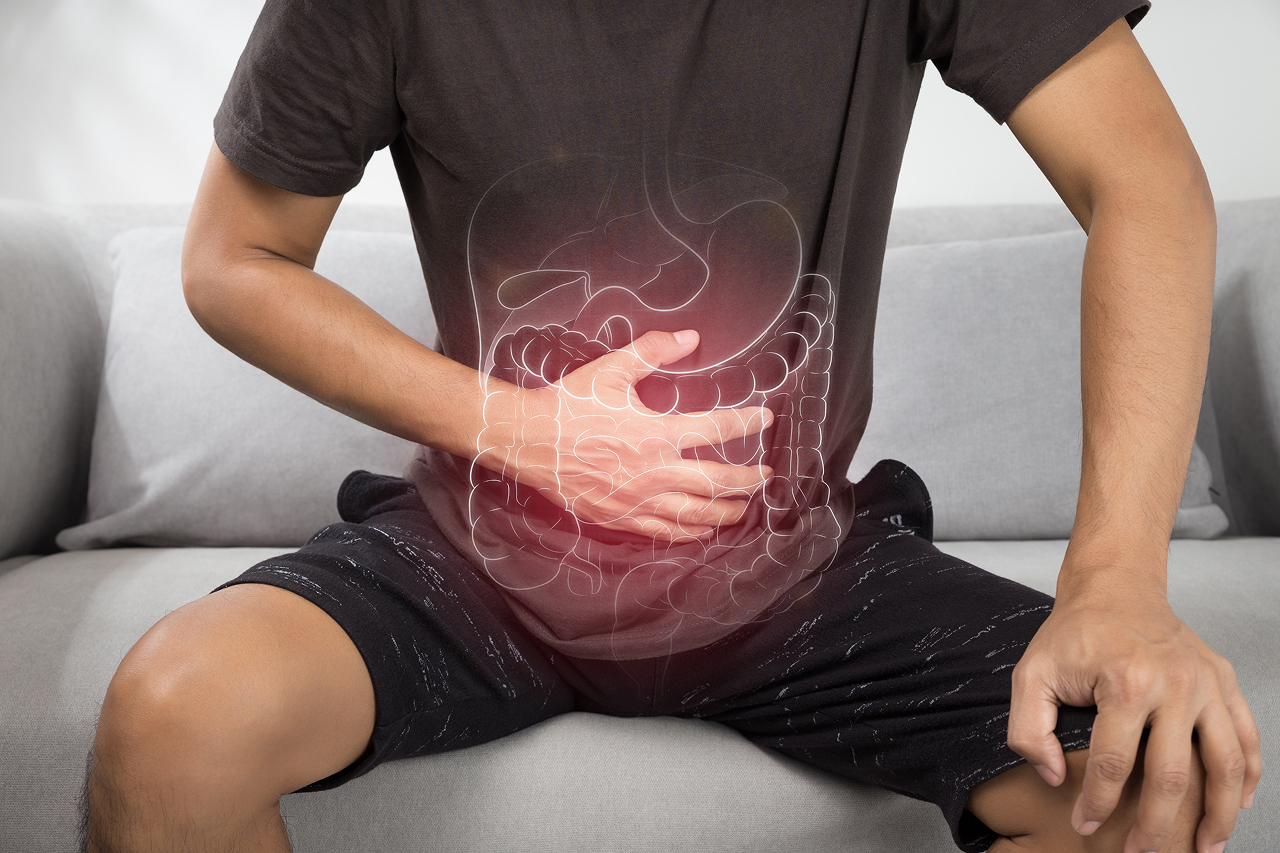
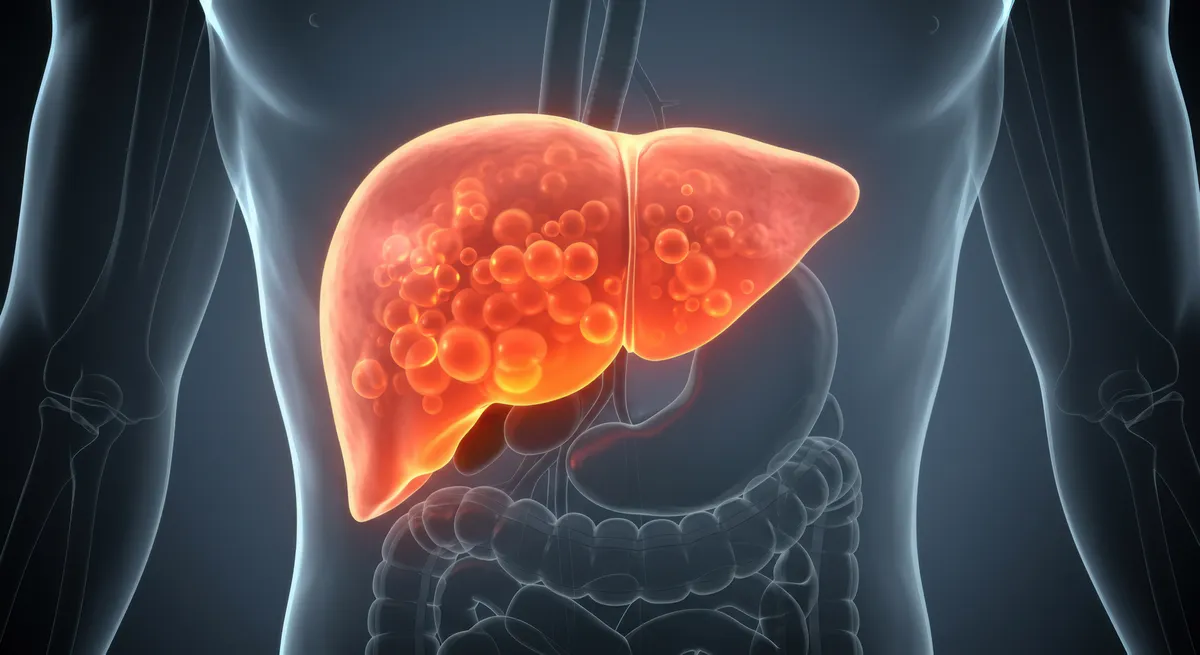
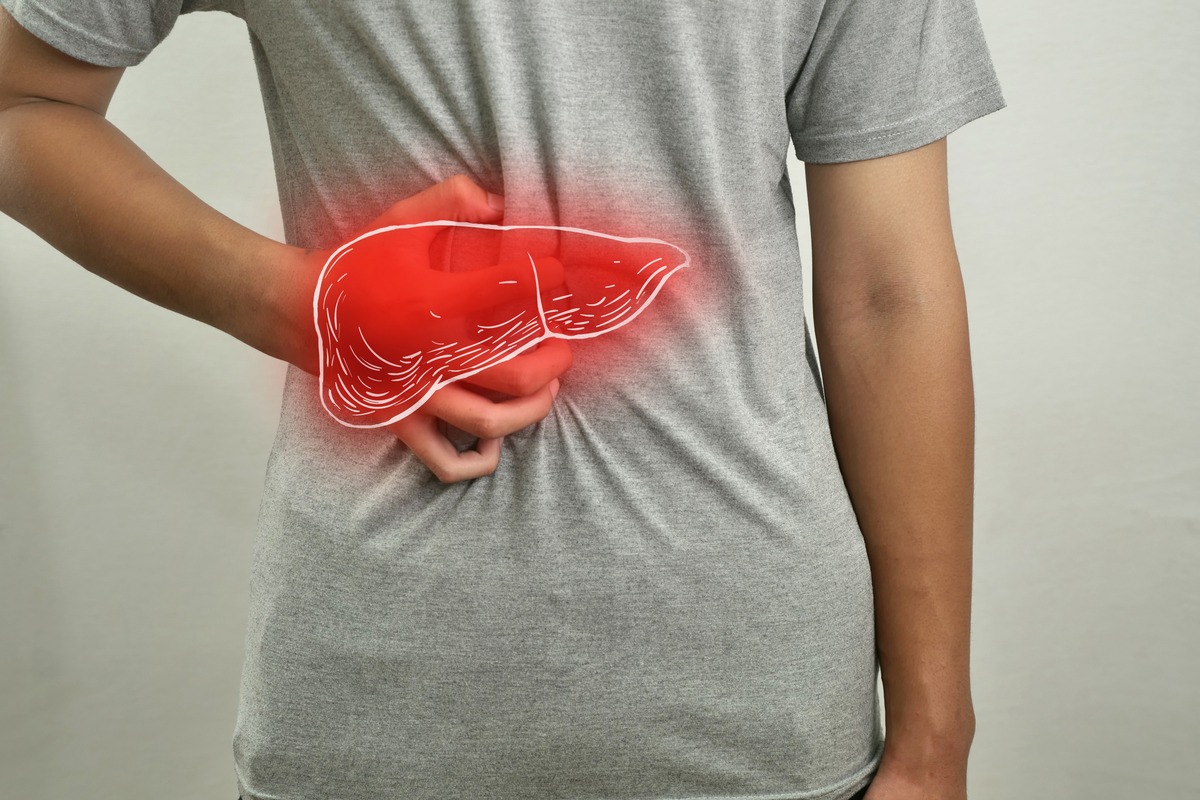
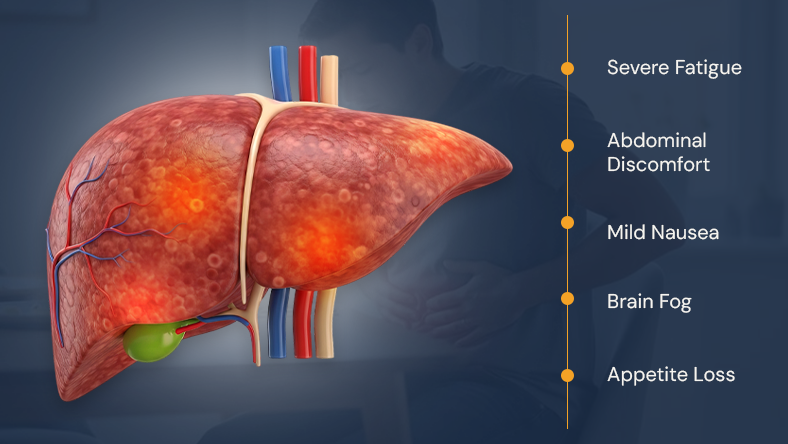
Fatty liver is now the leading cause in the UK. Around 1 in 3 adults has some fat in the liver, and most of them have no idea. Early fatty liver symptoms, such as tiredness or a dull ache under the right ribs, are easy to dismiss. A scan shows whether that fat has started to scar the liver.
Signs You May Need a Liver Scan
In most cases, people who need scans are healthy. That is exactly what the test is for. It can detect scarring before symptoms appear. Doctors recommend taking a fibrosis scan when:
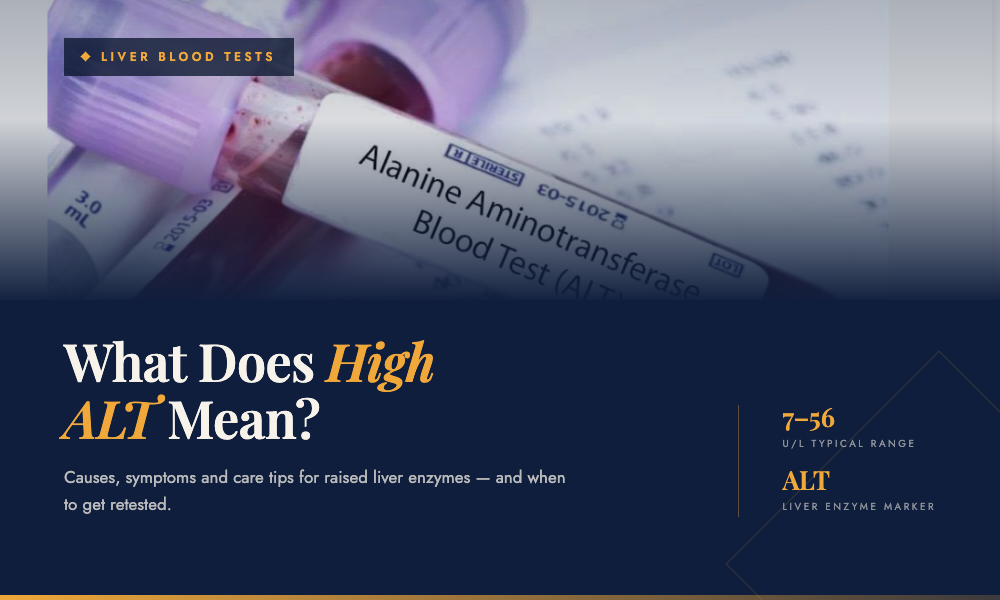
- A blood test shows raised liver enzymes, such as a high ALT or GGT.
- A routine ultrasound has picked up a fatty liver.
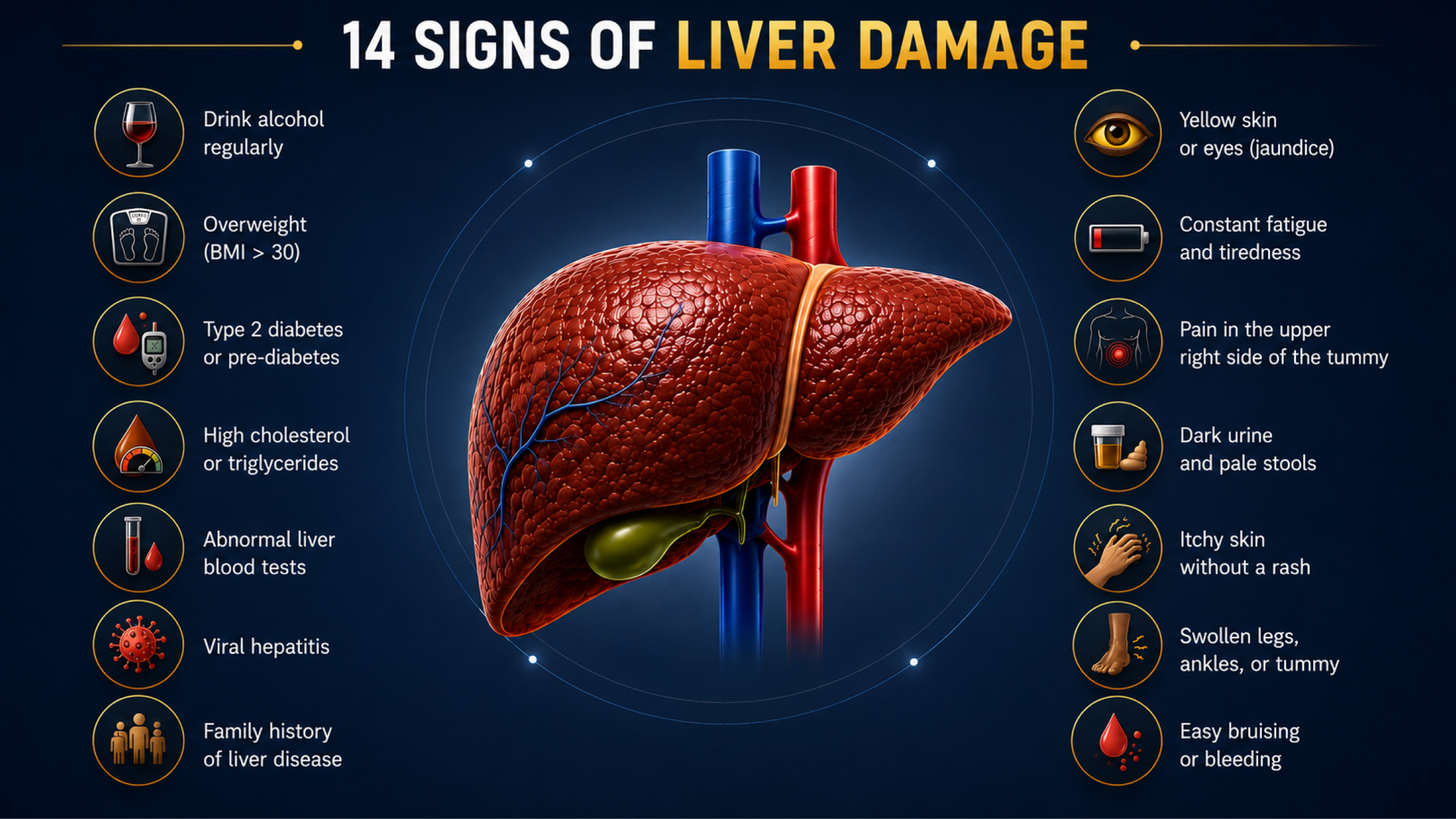
- You drink alcohol regularly, above the recommended limits.
- You live with type 2 diabetes, obesity or high cholesterol.
- You have hepatitis B or C.
- A parent, brother or sister has had cirrhosis or an inherited liver condition.
- You take a long-term medicine that needs liver checks.
Later signs of liver damage, such as yellow skin or eyes, itchy skin, swollen legs or a swollen tummy, need urgent medical review rather than a routine scan. If you've never had your liver checked, you can have private liver blood tests done on the same day as the scan.
You do not need a GP referral for a private liver scan in Birmingham or anywhere else in the UK. Most private liver clinics accept direct bookings.

Had a Liver Blood Test Come Back Raised?
- A high ALT or GGT suggests your liver is under strain. It cannot tell you whether scarring has started. A fibrosis scan can, in one visit.
- Consultant-led private liver test at House of Health, central Birmingham.
- Results explained on the same day, in plain English.
- No GP referral needed.
How Does a Fibrosis Scan Work?
The test feels much like a standard ultrasound. Here is what to expect at each stage.
Before the scan
- Do not eat for at least 3 hours beforehand. Food increases blood flow to the liver and can push the stiffness reading up.
- Water is fine, so keep drinking as normal.
- Wear a loose top that lifts easily.
- No sedation is used, so you can drive yourself home.
- Please avoid alcohol for at least 24 hours prior to the scan.
During the scan
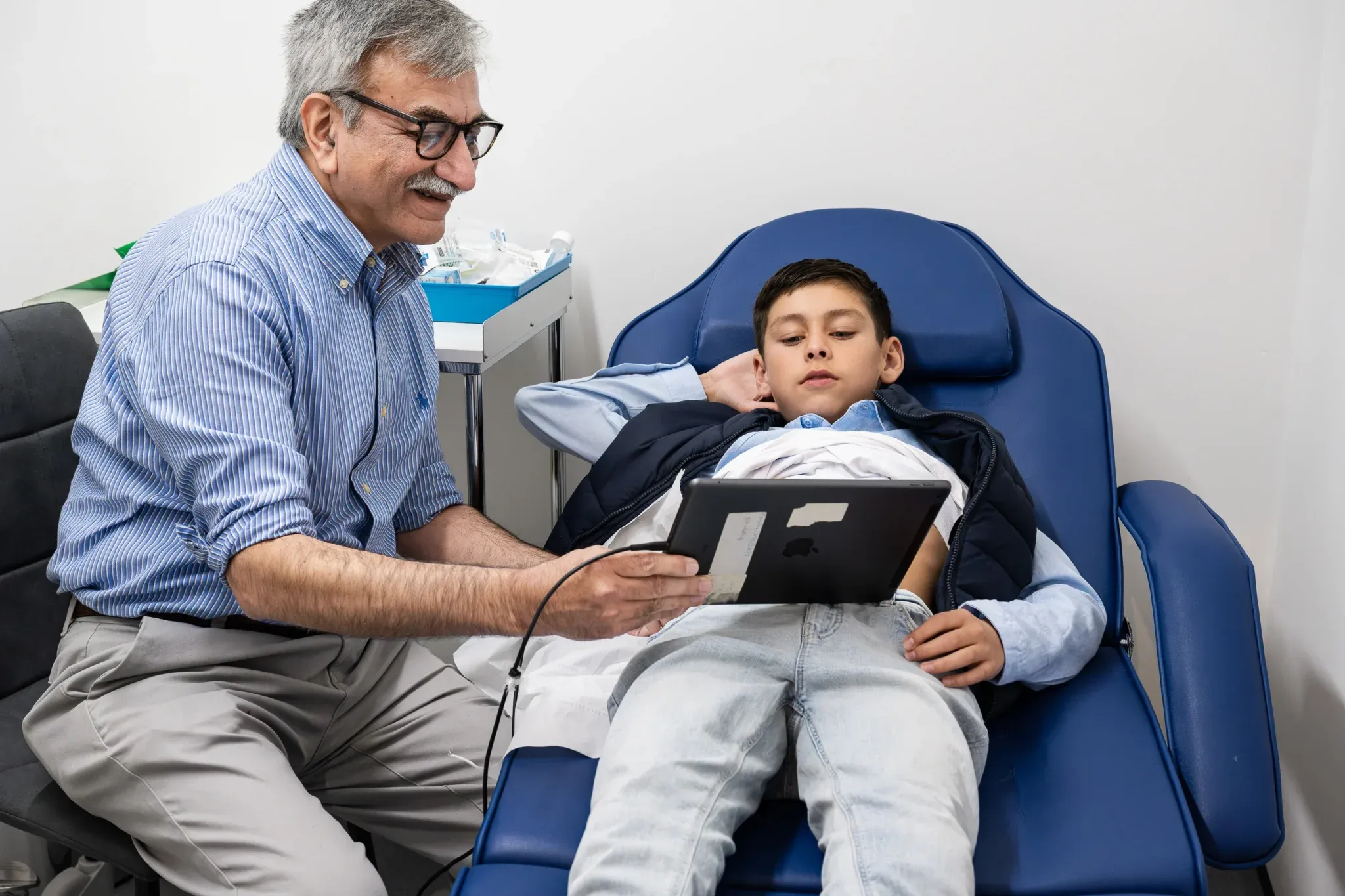
- You lie on your back with your right arm raised above your head.
- The doctor applies a small amount of gel to your right side, between the lower ribs.
- A small probe rests on the skin and sends a soft pulse into the liver. You feel a light tap, nothing more.
- The probe takes 10 readings in a row. The whole scan takes 5 to 10 minutes.
After the scan
The results appear on the screen in front of you. There is no need for recovery time — you can continue your activities after the test and even return to work immediately. Private liver testing includes an explanation of the results during the same visit and a written report later.
Understanding Your Fibrosis Scan Results
Your fibrosis scan report shows two scores. One is for scarring, and one is for fat. Here is how to read them.
Liver stiffness (kPa)
| Stiffness reading | Fibrosis stage | What it means |
|---|---|---|
| 2 to 7 kPa | F0 to F1 | Normal or mild scarring |
| 7 to 10 kPa | F2 | Moderate scarring |
| 10 to 14 kPa | F3 | Severe scarring |
| Over 14 kPa | F4 | Cirrhosis |
These cut-offs are a general guide only. They can shift slightly depending on the cause of the liver damage. A recent meal, active inflammation or heart problems can also raise the reading. A specialist reads the number alongside your blood tests and medical history before reaching a diagnosis.
Liver fat (CAP score)
- Under 238 dB/m: little or no fat.
- 238 to 260 dB/m: mild fatty liver.
- 260 to 290 dB/m: moderate fatty liver.
- Over 290 dB/m: severe fatty liver.
A high fat score with a normal stiffness score is common. It means fat has built up but has not yet caused serious scarring. This is the best possible time to act, because fat is much easier to reverse than scar tissue.
Confused by kPa Numbers and F Scores on Your Report?
- A number on its own is not a diagnosis. At House of Health, consultant hepatologist Dr Nadir Abbas leads the liver service and explains what your result means for you, on the same day.
- Scan, blood tests and consultant review in one visit.
- Clear written report within 48 hours.
- A plan you can follow, from diet changes to repeat scans.
Fibrosis Scan vs Ultrasound vs Liver Biopsy
People often ask whether a normal liver ultrasound is enough. The tests answer different questions.
| Fibrosis scan | Standard ultrasound | Liver biopsy | |
|---|---|---|---|
| What it shows | Stiffness (scarring) and fat | Liver size, shape, fat and lumps | Tissue under a microscope |
| Needles | None | None | Yes |
| Time | 5 to 10 minutes | 15 to 30 minutes | Half a day, including rest |
| Results | Same day | Same day or after a report | About a week |
| Best for | Grading scarring | Checking structure, cysts and lumps | Unclear or complex cases |
A standard liver ultrasound still matters. It checks the gallbladder and looks for cysts or growths that a fibrosis scan cannot see. Many liver clinics do both in the same visit. A biopsy is now reserved for the small number of cases where the diagnosis remains unclear after scanning and blood tests.
Who Is a Fibrosis Scan Suitable For?
A fibrosis scan is safe for almost all adults and can be repeated as often as your doctor needs. There are a few situations where the reading may be less reliable:
- Fluid in the tummy (ascites), which blocks the sound wave.
- A very high BMI, where extra tissue sits between the probe and the liver. A special probe often solves this.
- Active liver inflammation or a recent meal, which can push the number up for a short time.
- Pregnancy, where the scan is usually postponed unless a specialist advises otherwise.
If any of these apply to you, tell the clinic when you book. Your specialist may adjust the timing or add other tests.
What Happens After the Scan? Treatment Options for Liver Fibrosis
Treatment depends on the cause and the stage. The liver is one of the few organs that can repair itself. Mild to moderate scarring (F1 to F2) often improves once you remove the cause.
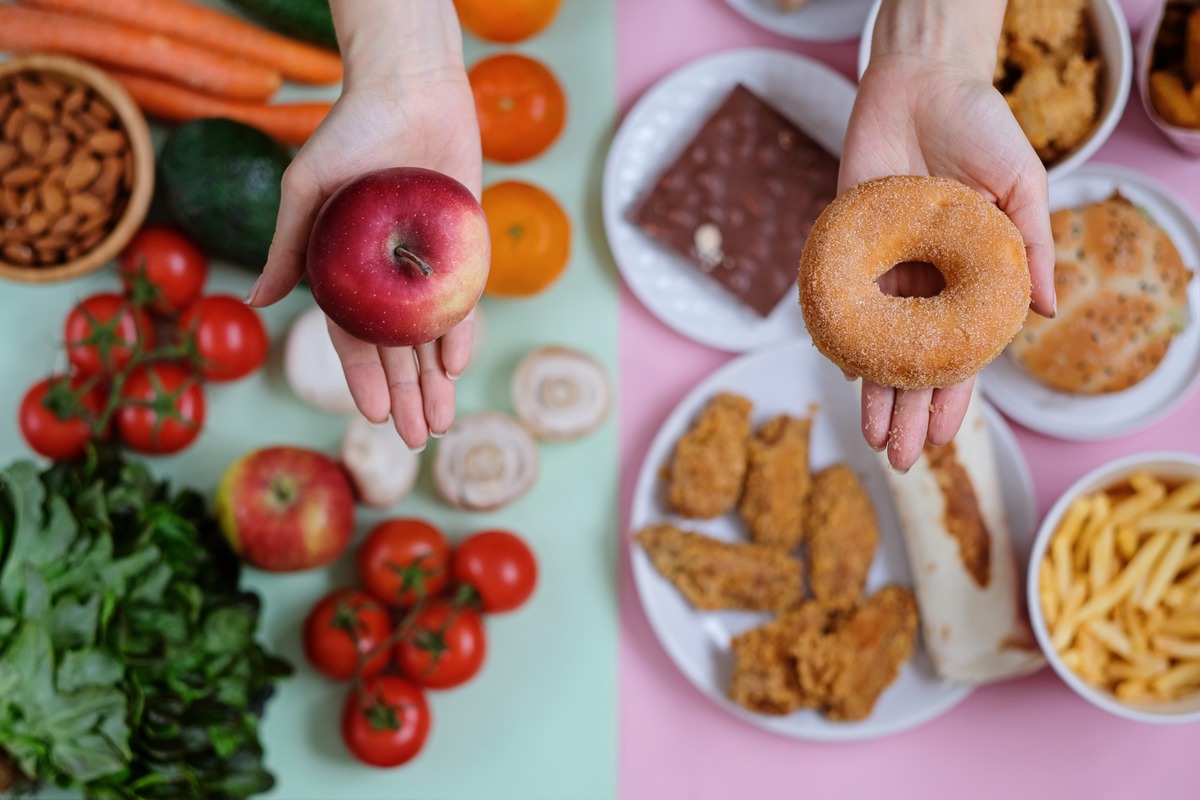
- Fatty liver: losing 7 to 10% of body weight can clear liver fat and reverse early scarring. A fatty liver diet with less sugar, alcohol and processed food does most of the work.
- Alcohol: cutting down or stopping gives the liver room to heal. Support is available if this feels hard.
- Hepatitis caused by a virus: antiviral therapy, which controls and eliminates the virus, will prevent future liver damage.
- Autoimmune diseases: specialist-prescribed immunosuppressive drugs will protect the liver long term.
- Diabetes and cholesterol: better control of both lowers the strain on the liver.
- Monitoring: a repeat scan every 6 to 12 months shows whether the changes are working. People with F3 or F4 need regular checks for complications.
There is no single tablet that undoes liver damage. What works is treating the cause and tracking the liver with repeat scans.
Conclusion
The most basic way to know whether your liver is scarred and how severe it is is with a fibrosis scan. It is a painless process that takes only minutes and provides a definite number you can use as a baseline for future measurements.
The liver specialists at House of Health offer a consultant-led liver scan in Birmingham that combines the fibrosis scan, blood tests and a same-day results discussion in a single visit.
Frequently Asked Questions
Is a fibrosis scan painful?
No. You feel a light tap on your skin as the probe takes each reading. There are no needles, no injections and no sedation, and you can go straight back to your day.
Can I eat before a fibrosis scan?
No. Do not eat for at least 3 hours before the scan. Food increases blood flow to the liver and can raise the stiffness reading. Water is fine.
What is a normal fibrosis scan result?
A liver stiffness reading between 2 and 7 kPa is usually normal. A CAP score under 238 dB/m means little or no liver fat. Your specialist will confirm what's normal for your situation.
Is a fibrosis scan the same as an ultrasound?
No. A standard ultrasound shows the size and shape and can spot fat or lumps, but it cannot measure scarring. A fibrosis scan measures stiffness and fat with far more precision. The two tests work well together.
Can a fibrosis scan detect liver cancer?
No. The scan measures only scarring and fat. People with severe scarring or cirrhosis have a higher cancer risk, so they need a regular ultrasound and blood test to check for it. Your specialist will arrange this if needed.
Can liver fibrosis be reversed?
Often, yes, in the early stages. Once the cause is treated, such as losing weight or stopping alcohol, the liver can slowly repair mild to moderate scarring. Advanced cirrhosis cannot be fully reversed, but treatment can stop it from getting worse.