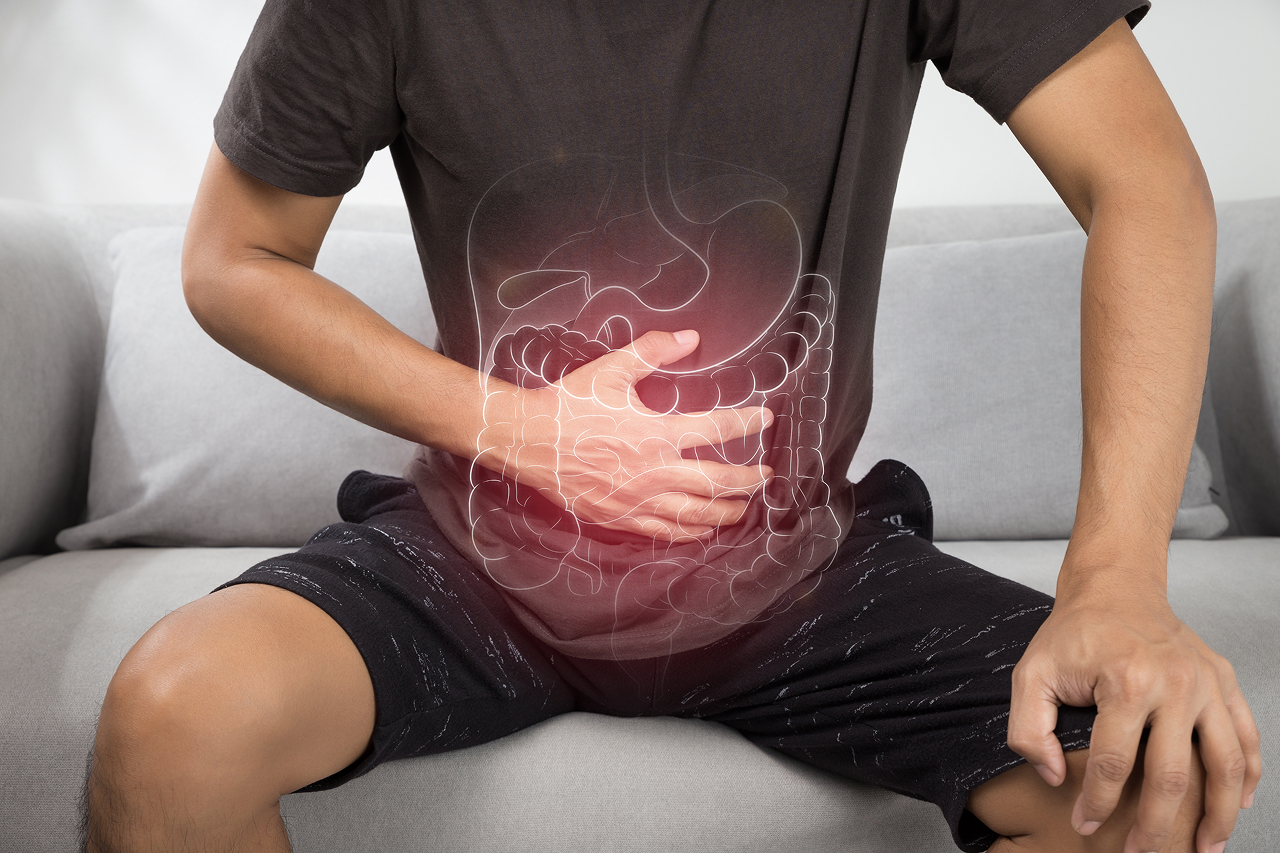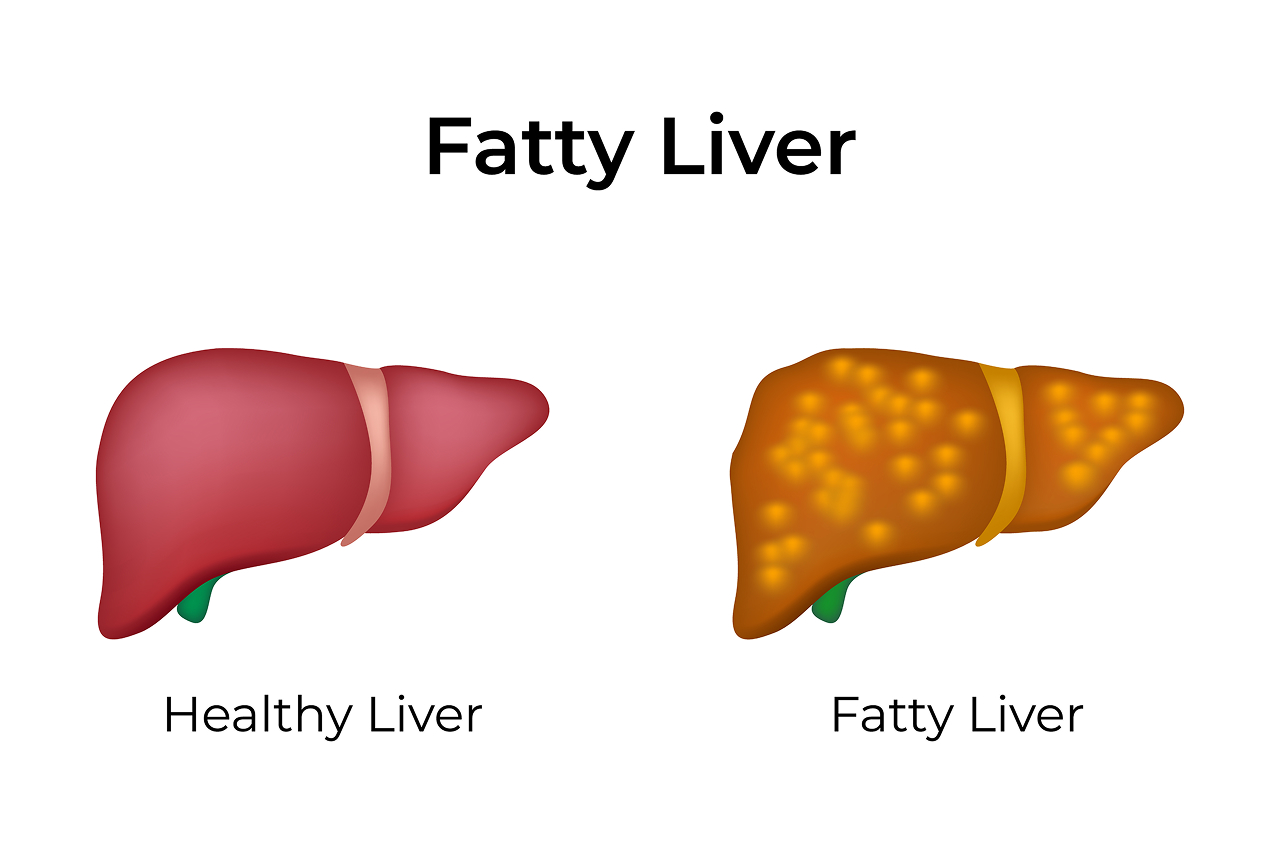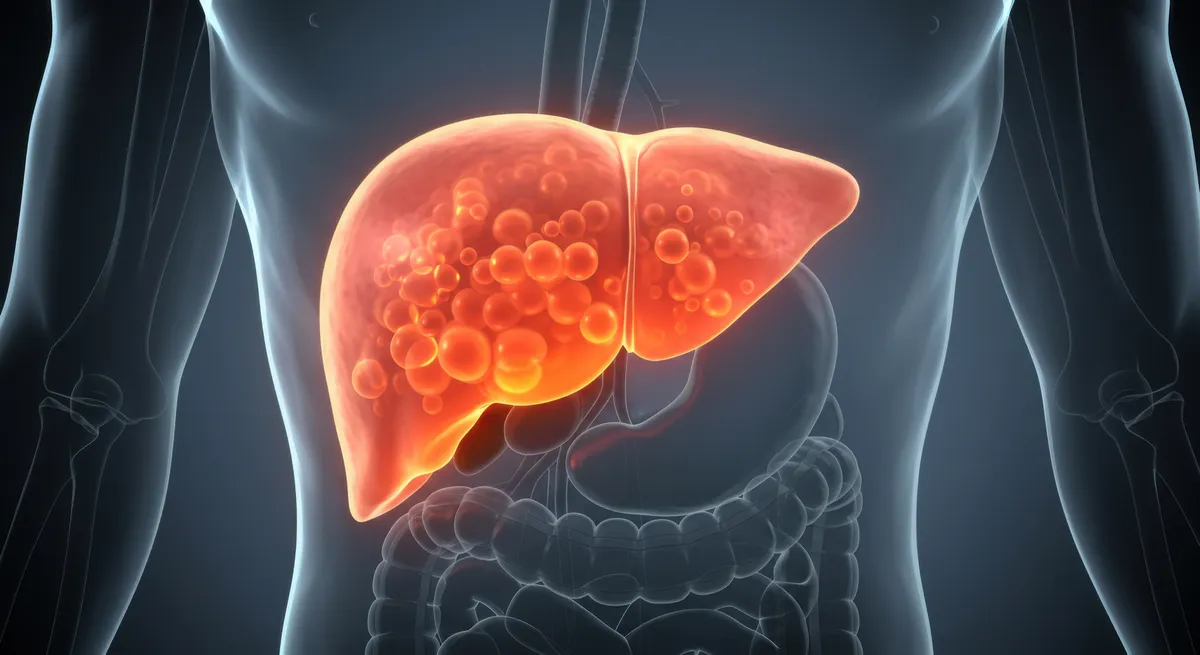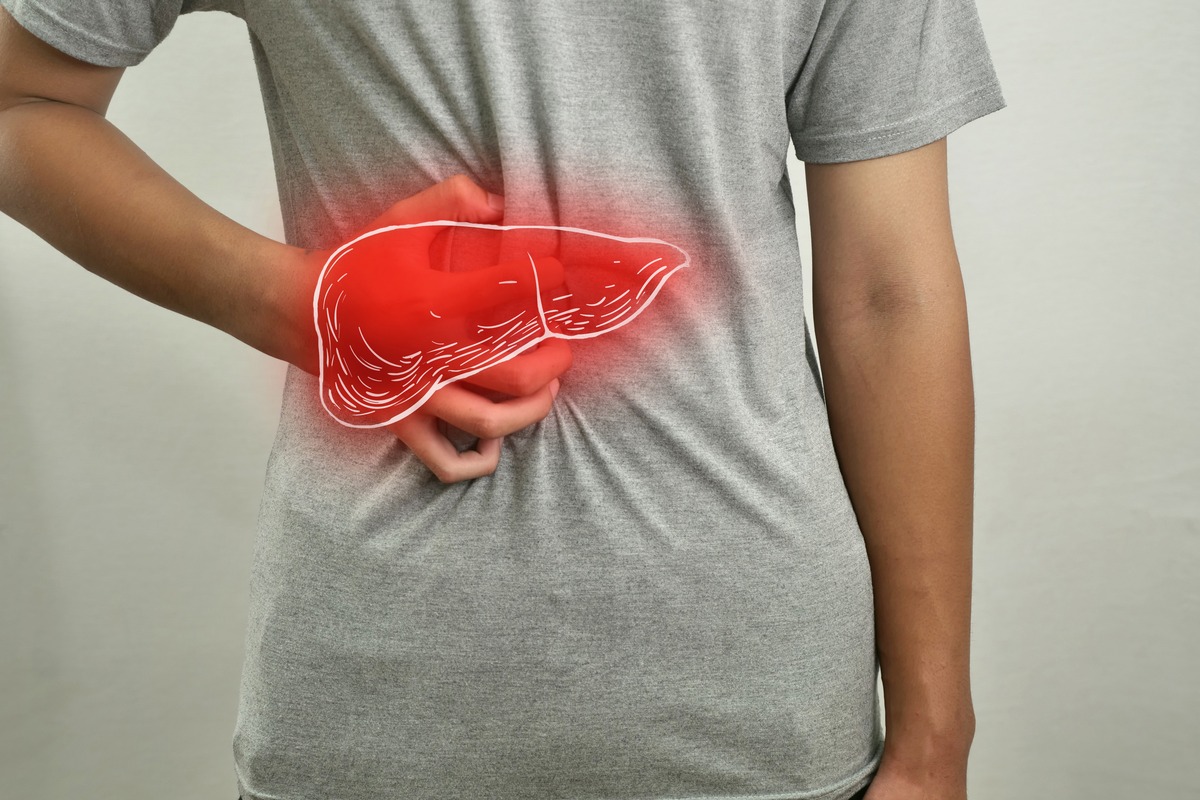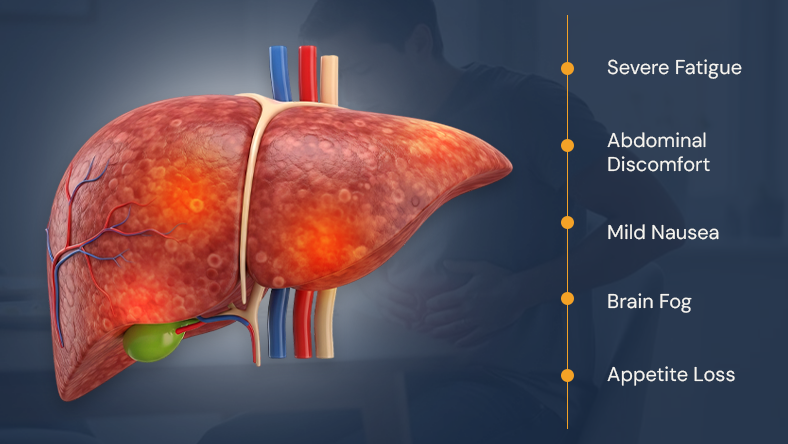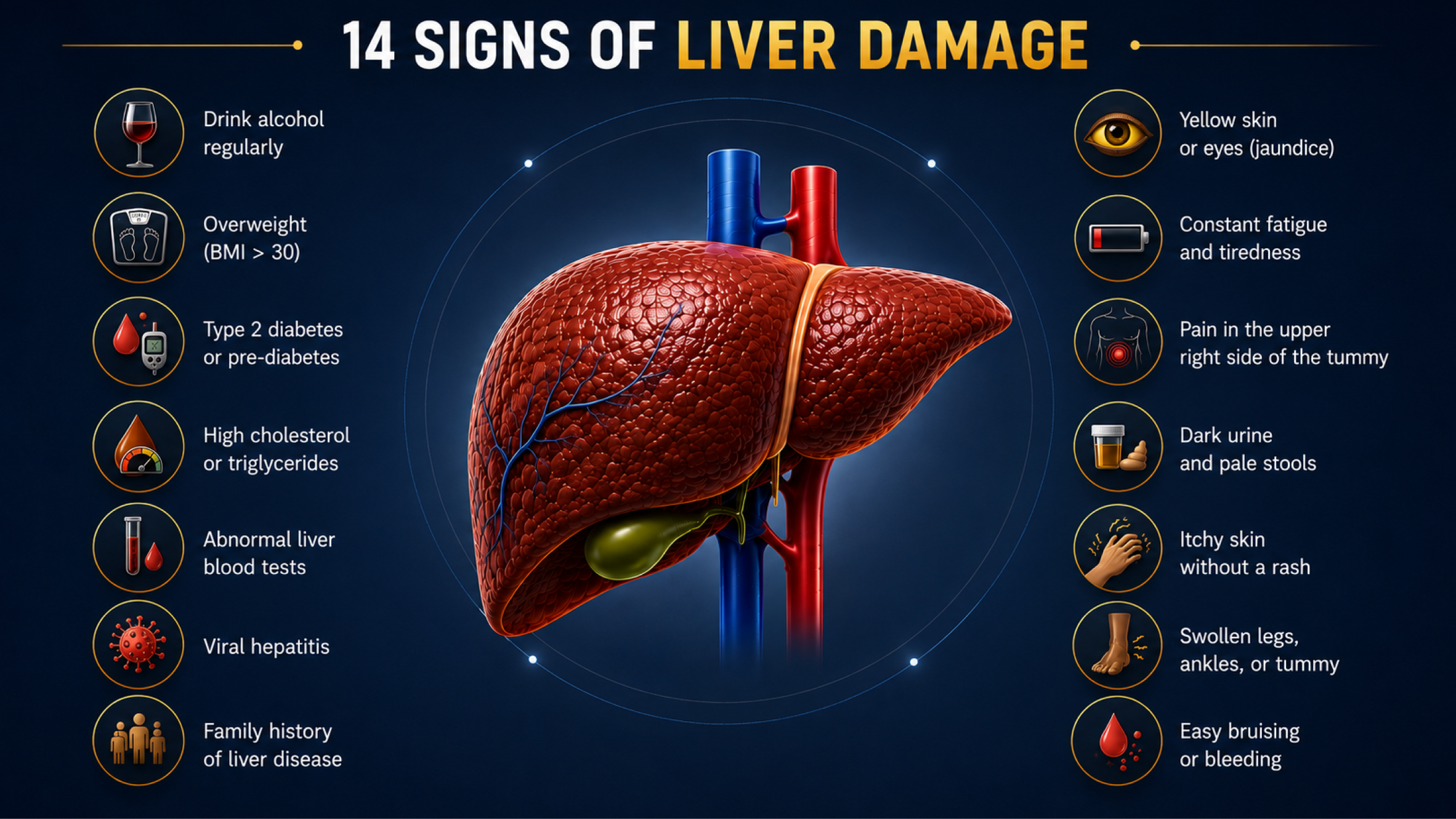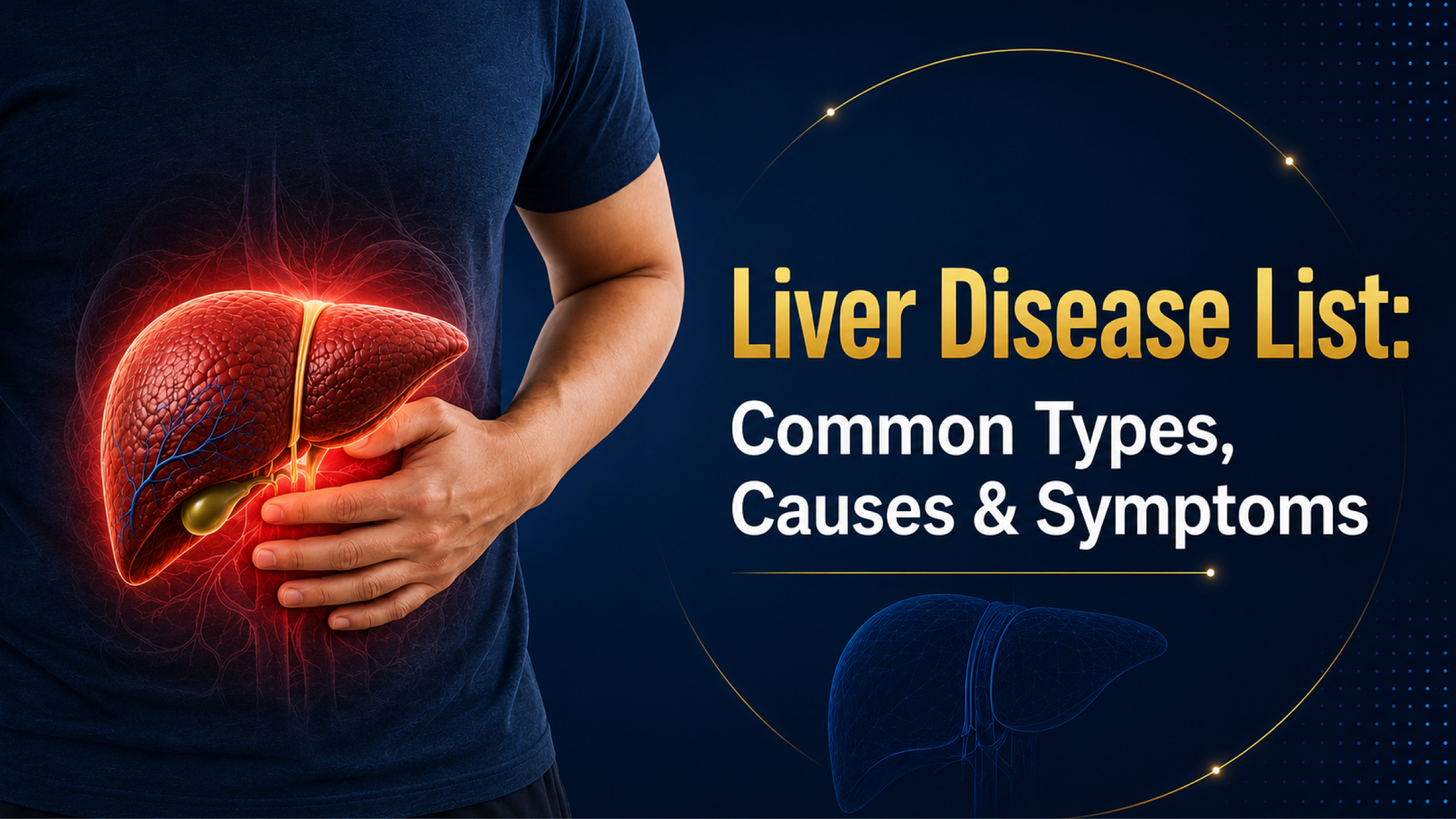


Symptoms that appear when a person experiences an autoimmune hepatitis flare-up include excessive tiredness, jaundice, abdominal pain, joint pain, and skin rash. When a person undergoes a flare-up of autoimmune hepatitis, their immune system malfunctions by attacking their healthy liver cells, leading to inflammation.
Recognising these autoimmune hepatitis flare-up symptoms early is vital, as it allows medical experts to stop the attack before it causes deep, long-term liver scars. If left untreated, this sudden swelling can significantly damage overall liver function.
Key Takeaways
- Extreme tiredness, jaundice, and joint pain are the main signs of a flare-up
- Dark urine, poor appetite, and upper right abdominal pain also point to liver inflammation
- Illness, viruses, or new medicines can trigger a flare-up in people with the AIH genes
- Early treatment stops the immune attack before it causes lasting liver scarring
What Happens During an Autoimmune Hepatitis Flare-Up?
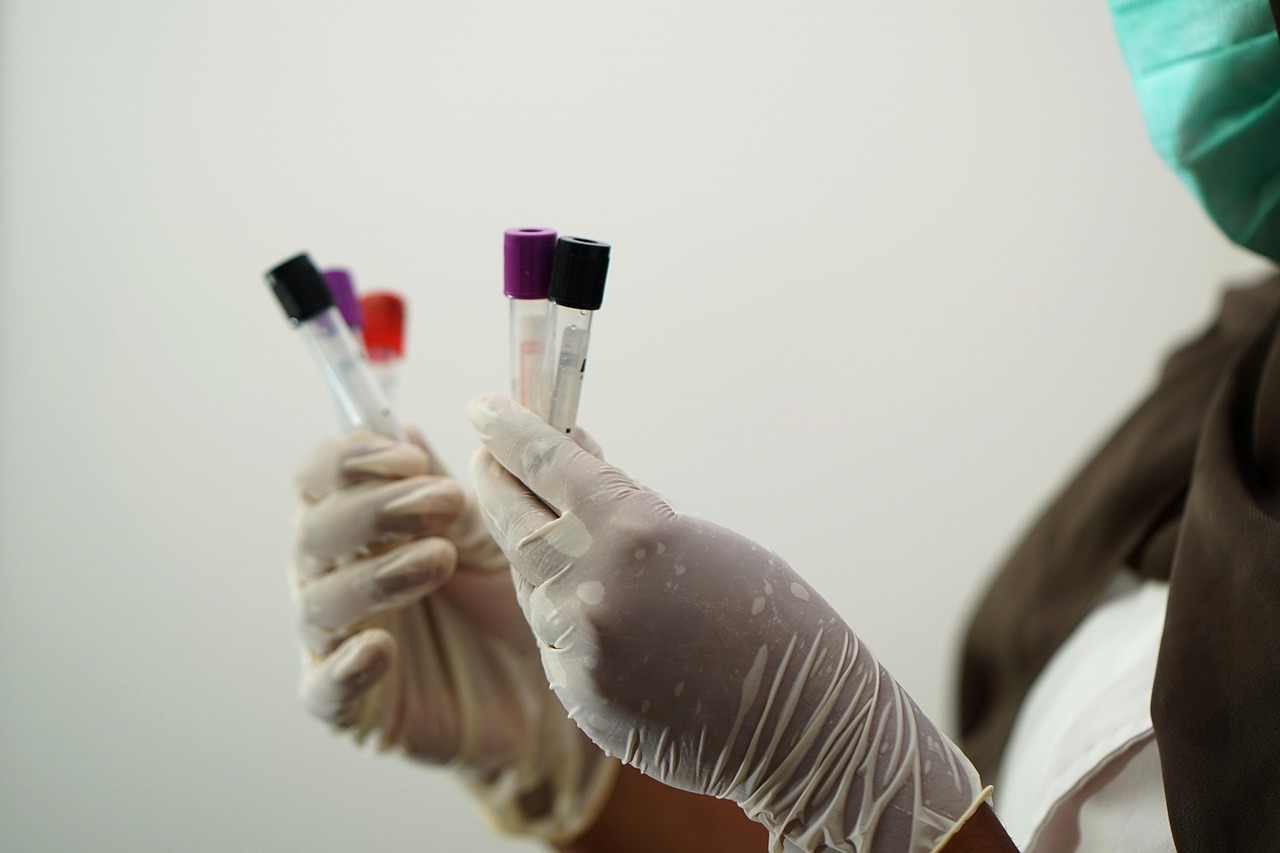
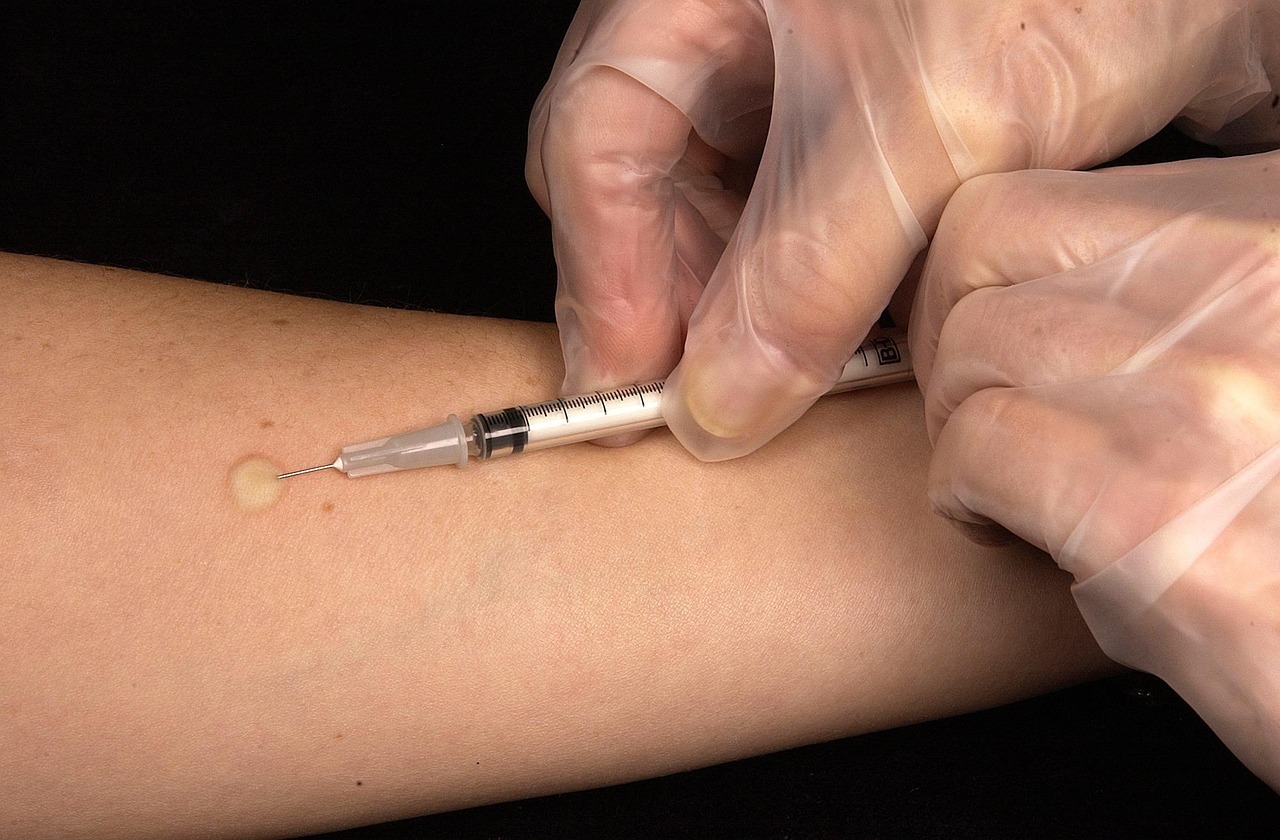
Autoimmune Hepatitis (AIH) is a long-term liver condition. Normally, the immune system protects the body by fighting off harmful germs. However, during a flare-up, the body becomes confused and mistakenly treats its own liver cells as dangerous invaders.
This sudden attack causes severe redness and swelling within the liver tissue. If this constant swelling is left untreated for a long period, it leads to serious tissue scarring, medically known as cirrhosis. Anyone can get this condition at any age, but women get it more often.

Worried About Sudden Fatigue and Joint Pain?
- Spotting liver problems early makes treatment much easier. Expert specialists provide precise blood tests and tailored care plans to help protect your liver.
Common Autoimmune Hepatitis Flare-Up Symptoms
Because AIH symptoms often mimic other simple illnesses, they can be incredibly tricky to spot. Many people may not feel sick at all in the early stages. However, when an active flare-up happens, you may commonly experience:
Extreme exhaustion
This goes far beyond normal tiredness. Because the inflamed liver struggles to process nutrients and store energy properly, patients often feel profoundly drained and fatigued for no apparent reason.
Jaundice
You may notice a yellow colouration of the skin or the whites of the eyes. This happens when the damaged liver fails to filter out a yellow waste product called bilirubin, causing it to build up heavily within the bloodstream.
Darkening of urine colour
When the liver is damaged and cannot safely process bilirubin, the body attempts to flush this excess waste product through the kidneys. Consequently, you may notice a distinct darkening of the colour of urine, which often appears deep amber or brown.
Inadequate appetite
As severe inflammation prevents the liver from properly regulating metabolism and producing essential digestive bile, the entire digestive system slows down. This directly causes poor appetite, leaving patients feeling uncomfortably full quickly or losing their desire to eat regular meals.
Dry mouth or eyes
Because systemic autoimmune conditions often co-occur, the overactive immune system may also inappropriately target the body's moisture-producing glands. This secondary immune response commonly causes persistent dryness of the mouth or eyes, making basic daily functions feel uncomfortable.
Painful joints
The confused immune system doesn't just attack the liver; widespread inflammation often travels through the body and settles in the joints. This can cause dull aches and severe stiffness, often affecting the fingers or knee joints.
Liver tenderness
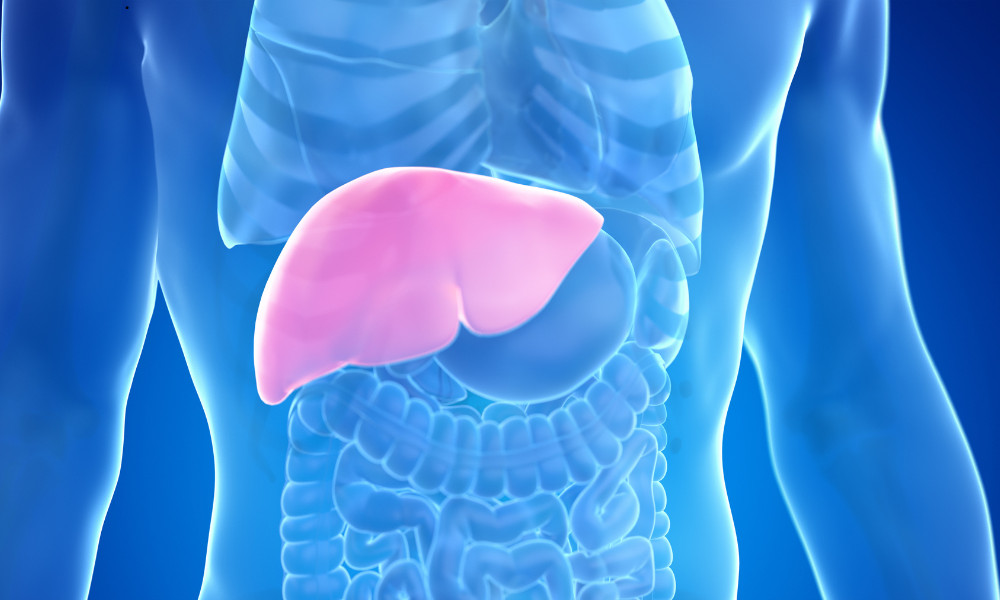
As the immune attack causes the liver tissue to swell rapidly, it physically stretches the organ's sensitive capsule. This results in distinct pain, soreness, or tenderness in the upper right abdominal area near the liver.
Skin rash
An overactive immune system frequently triggers inflammatory skin reactions, causing unusual red marks, itchy patches, or distinct discolourations to appear across the body.
What Causes These Flare-Ups?
Experts note that these flare-ups occur when the body's natural defence system gets completely confused. People are more likely to develop this condition if they carry genes associated with other autoimmune diseases.
For people born with these specific genes, a simple environmental trigger might quickly trigger an immune attack. Common triggers include catching a simple illness, fighting off a virus, or starting a new medicine.
Struggling to Manage Your Liver Health?
- Get the right support to keep your liver safe without relying on heavy medicines forever. Advanced treatments help push liver conditions into long-term remission.
Stages of Autoimmune Hepatitis
Autoimmune hepatitis affects everyone differently. Medical professionals use special tests to monitor how the liver handles the condition across four main stages:
- Early Stage: The liver may be slightly enlarged, which routine blood tests can detect.
- Active AIH: The body's immune system destroys the liver cells, resulting in fatigue and jaundice.
- Late Stage: Prolonged inflammation causes scar tissue to form in the liver.
- Remission: Inflammation disappears with appropriate treatment.
Treatment Options for Autoimmune Hepatitis
Medical experts focus on quickly stopping liver inflammation to prevent lasting damage. Specialists utilise several highly effective methods to manage the condition safely:
Steroid Therapy (Prednisolone)
- To quickly bring a sudden autoimmune hepatitis flare-up under control, medical professionals initially prescribe a course of steroid tablets, most commonly prednisolone.
- This powerful medication quickly suppresses the confused immune system, preventing it from attacking your healthy liver cells.
- By starting with a higher dose, specialists can quickly reduce severe swelling and redness in the delicate liver tissue.
- Once liver function tests show clear improvement, the medical priority shifts to protecting the patient's overall health. The consultant will begin a careful, highly monitored process formally known as safe steroid tapering.
- It involves slowly and safely reducing the daily medication dosage over a set period.
- Ultimately, the main goal of this initial steroid treatment is to calm the flare-up just enough to transition the patient onto long-term maintenance medicines safely.
Safe Steroid Tapering
Once liver tests improve, experts use a careful tapering method to slowly lower the steroid dose, helping patients avoid harsh side effects like weight gain or weak bones.
Advanced Immunosuppression (Steroid-Sparing Care)
Once the initial inflammation settles, specialists use advanced second-line medicines to protect the liver over the long term. This approach, formally known as steroid-sparing care, aims to protect the liver whilst completely removing the need for harsh, long-term steroids.
Medical experts frequently prescribe specialised immunosuppressants such as azathioprine, MMF, tacrolimus, or ciclosporin for this ongoing daily maintenance. These medications work quietly in the background to keep the immune system balanced, preventing future inflammatory attacks on liver tissue.
With these new treatments, people can prevent the adverse effects on the body caused by long-term use of steroids.
As a result, this modern medical strategy protects the whole body, not just the liver. With the right ongoing immunosuppression plan, most patients effectively keep the disease completely asleep and enjoy a normal, full, and happy life.
How Long Does the Treatment Take to Work?
The timeline for seeing improvements depends entirely on the individual and the severity of the flare-up. However, initial medical responses tend to happen quite fast:
- Initial Response: Strong steroids typically begin to halt the immune attack quickly, and many patients notice improvement in fatigue and jaundice within a few weeks.
- Test Improvements: Follow-up blood tests often show a significant reduction in liver inflammation shortly after starting the higher doses of medication.
- Achieving Remission: Pushing the disease into a deep, stable remission requires careful management. Transitioning fully to steroid-sparing maintenance medicines safely takes several months of close monitoring by a specialist.
How Are AIH Flare-Ups Treated?
Medical experts focus on quickly stopping liver inflammation to prevent lasting damage. The most common way to start treatment involves steroid tablets, like prednisolone, to calm the immune system. Once the liver tests improve, experts use a safe steroid tapering method to lower the dose slowly.
The main goal is to utilise steroid-sparing care. This involves moving patients onto advanced second-line medicines, such as azathioprine, MMF, or tacrolimus. This approach protects the liver whilst helping patients avoid harsh side effects such as weight gain or weak bones.
Conclusion
To summarise, the primary symptoms of autoimmune hepatitis flare-ups include extreme tiredness, joint pain, and yellow skin or eyes. By spotting these early signs, doctors can quickly step in to stop the immune attack and push the disease into a deep remission. Taking the right medicines and avoiding triggers helps keep the liver safe long-term.
The experts at House of Health provide exceptional care with a dedicated autoimmune liver disease specialist to help you manage complex liver conditions safely.
Frequently Asked Questions
Can autoimmune hepatitis be cured?
There is no complete cure yet. However, with expert medical care, patients can easily achieve deep remission. It allows individuals to live a full, happy, and perfectly normal life.
Do I need a liver biopsy to diagnose a flare-up?
Usually, yes. A biopsy lets medical professionals see the exact tissue damage inside the liver. Specialists use these results to build a perfect, tailored care plan for your specific needs.
What should you avoid if you have autoimmune hepatitis?
You must completely avoid anything that makes your liver work harder. This means avoiding all alcohol and not taking any new vitamins without asking a doctor first. You should also avoid taking high doses of steroids for a long time.