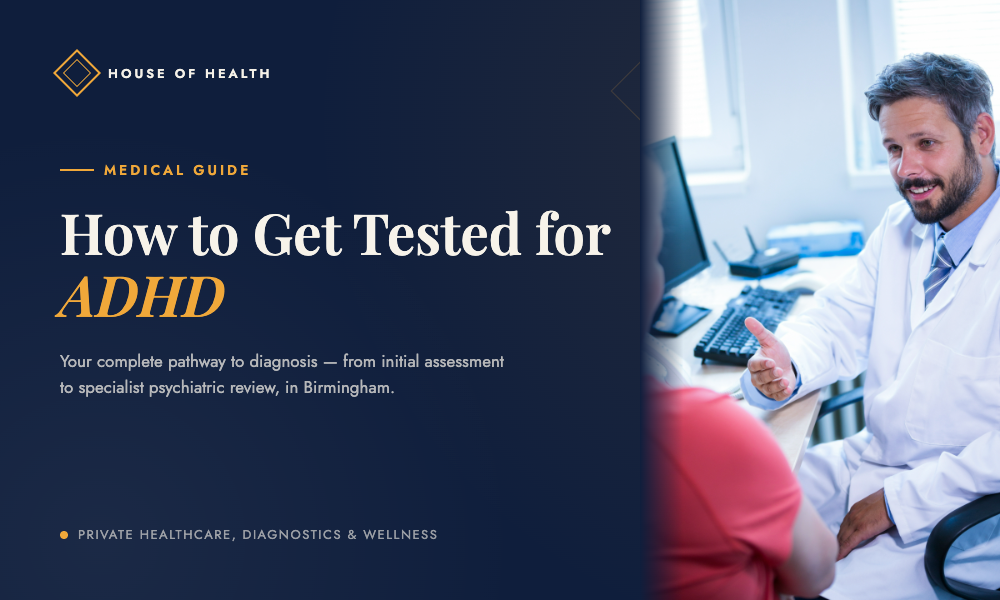

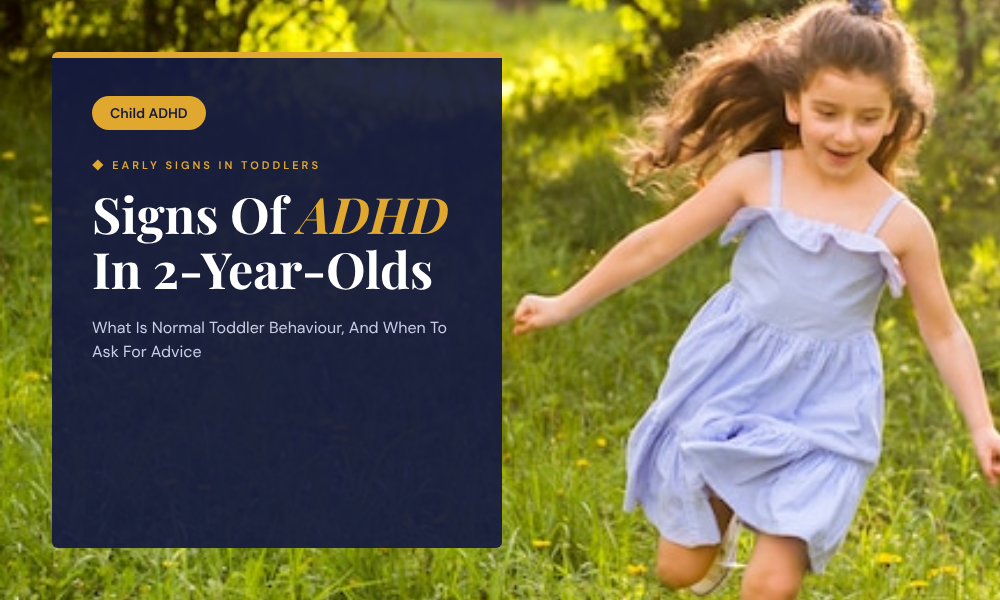
A two-year-old cannot get a formal ADHD diagnosis yet, but some early signs can still show. The main signs of ADHD in 2-year-olds are near-constant movement, a very short attention span, strong and frequent meltdowns, and impulsive acts with little sense of danger.
Here is the tricky part. Most of these behaviours are normal for toddlers, so one meltdown or a busy afternoon means very little on its own. What matters is how strong the behaviour is, how often it happens, and whether you see it both at home and in other places like nursery. This guide walks you through the early signs, how to tell them apart from normal toddler behaviour, and when a chat with your GP makes sense.
Key Takeaways
- A formal ADHD diagnosis is not made at age two, though early signs can appear.
- Watch for constant movement, very short attention spans, big meltdowns, and impulsive behaviour.
- Many of these signs are normal toddler traits, so pattern and strength matter more than any single moment.
- Other issues, such as low iron, poor sleep, or a hearing problem, can look like ADHD.
- A simple chat with your GP or health visitor is the best first step if you feel worried.
Can a 2-Year-Old Have ADHD?
Yes, a two-year-old can show early signs of ADHD, but doctors do not give a formal diagnosis this young. In the UK, most services do not diagnose ADHD until a child is around five or six years old. That is because many of the traits linked to ADHD, such as high energy and a short attention span, are a normal part of how toddlers grow. In fact, we expect a two-year-old to struggle to sit still or wait their turn. So the goal at this age is not a label. It is to spot patterns early, so you can get the right support if your child needs it.
Signs of ADHD in 2-Year-Olds to Look Out For
Every toddler is busy and easily distracted at times. Still, some children show these traits far more strongly and far more often than others their age. Here are the early signs that parents tend to notice most.
- Constant movement. Your child seems unable to slow down. They climb, run, and fidget even during calm moments like a meal or a story.
- A very short attention span. Even fun toys or cartoons hold their focus for only a moment before they move on.
- Strong, frequent meltdowns. The upsets feel bigger and last longer than you see in other children, often over small things.
- Trouble with emotions. Your child feels joy, anger, and frustration very intensely and has difficulty calming down.
- Impulsive behaviour. They act first and think later. They may dash into a road or grab things with little sense of danger.
- Hard to follow simple steps. Short, clear instructions do not seem to land, even when you repeat them.
One sign on its own rarely means much. It is the mix of several signs, seen most days, that is worth a closer look.
Is It ADHD or Normal Toddler Behaviour?
This is the question that worries most parents, and it is a fair one. The behaviours that point to ADHD are the same ones we see in almost every toddler. So how do you tell them apart? You look at three things: how strong the behaviour is, how often it happens, and where it happens.
Usually normal toddler behaviour when:
- The busy or distracted moments come and go, settling with age.
- Your child can focus on a favourite toy or task for a little while.
- Meltdowns pass fairly quickly once your child feels calm or gets a rest.
- The behaviour shows up mainly when your child is tired, hungry, or upset.
Worth a closer look when:
- The behaviour happens most days and does not ease over several months.
- Your child struggles to focus on anything, even things they enjoy.
- Meltdowns are intense, frequent, and hard to settle.
- You see the same pattern at home, at nursery, or with other people.
- The behaviour interferes with play, sleep, or daily routines.
In short, it is the strength, how often, and the "everywhere" pattern that set a possible ADHD sign apart from a normal toddler phase. If that sounds like your child, it is worth a chat with a professional.

Not Sure If It Is ADHD or Just the Terrible Twos?
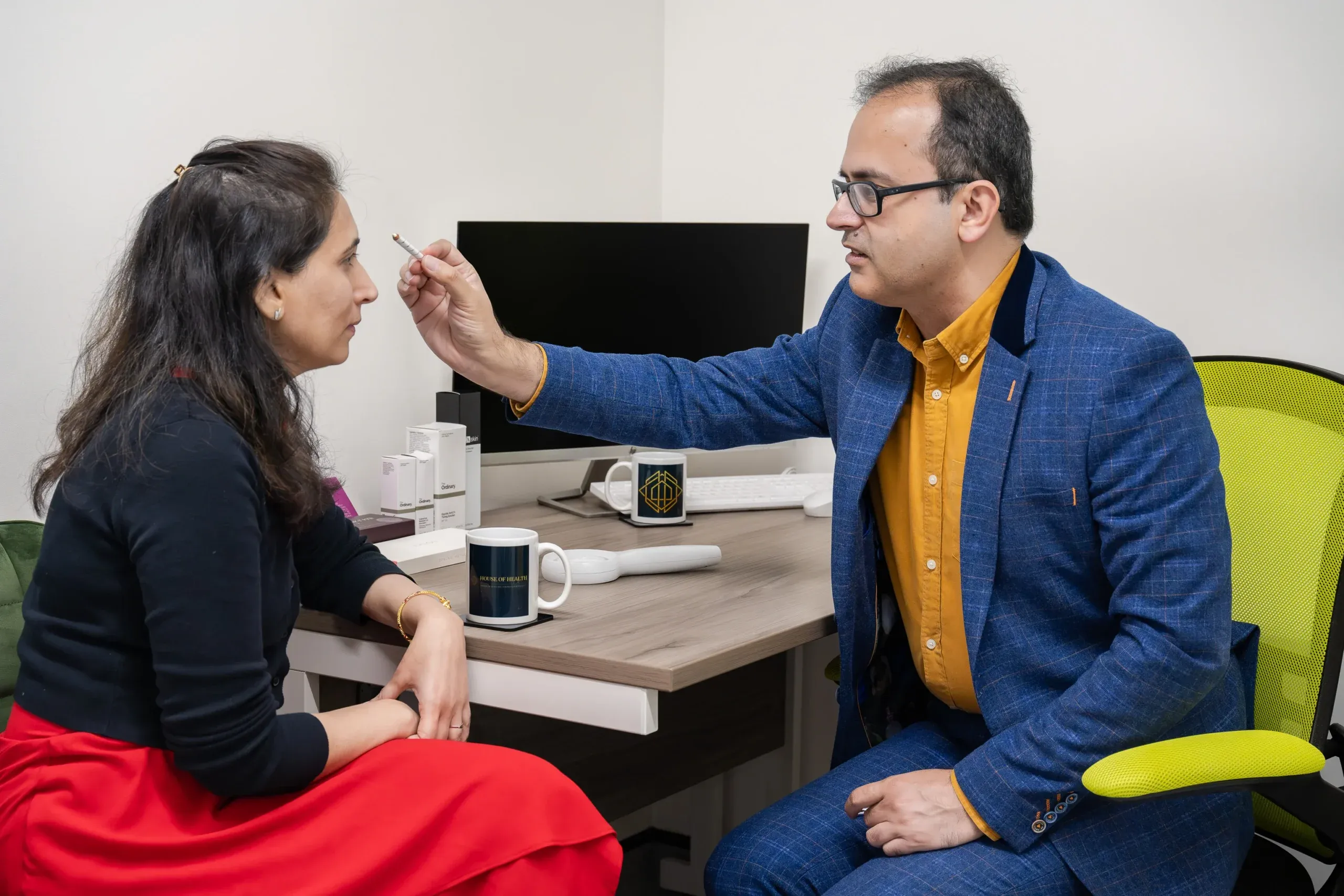
- You know your child best, and that gut feeling matters. The child ADHD and ASD team at House of Health can help you make sense of what you see and give you clear next steps.
- A calm, expert view on your child's behaviour
- Clear answers about what is normal and what is not
- Simple, practical support you can start at home
What Else Can Look Like ADHD at This Age?
Before you worry about ADHD, it helps to know that other, very treatable things can cause the same behaviour in a young child. A good GP will often check these first.
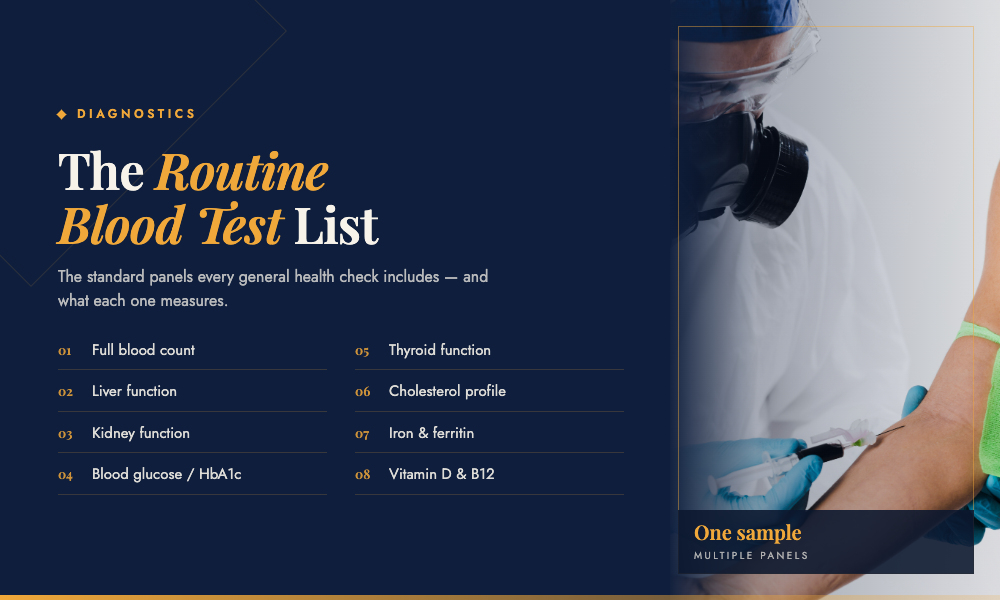
- Low iron. Low iron levels are common in toddlers and can affect focus and mood. A simple blood test can check for it.
- Poor sleep. A child who does not sleep well can seem restless, cranky, and unfocused during the day.
- Hearing problems. If a child cannot hear you clearly, they may seem to ignore you or struggle to follow what you say.
- Speech or language delay. When words are hard, a child can act out through frustration.
- Autism traits. Some signs overlap with autism, which can sometimes be spotted earlier than ADHD.
- Big changes or stress. A house move, a new baby, or a hard time at home can unsettle a toddler for a while.
Many of these are easy to sort out once you know the cause. So they are always worth a look first.
When Should You See a GP or Health Visitor?
Trust your instincts. If your child's behaviour worries you, or it makes daily life hard for them or for your family, it is always fine to ask for advice. You do not need to wait for a certain age to raise a concern.
- The behaviour has persisted for more than six months and does not seem to be improving.
- You see the same pattern in more than one place, such as at home and in the nursery.
- Your child finds it hard to play, learn, or get along with other children.
- The meltdowns or impulsive acts feel unsafe or very hard to manage.
- You simply feel that something is not quite right.
Your GP or health visitor can listen, check for other causes, and point you toward the right support. In the UK, doctors do not usually use medicine for ADHD in a child this young. Instead, the first step is practical support and small changes that help your child at home.
Worried and Tired of Long Waits for Answers?
- Long waits can feel hard when you want clarity for your child. You do not have to face it alone.
- A caring assessment led by a specialist child psychiatrist
- Honest, jargon-free answers about your child's needs
- A clear plan for support at home and beyond
How Is ADHD in Young Children Supported?
For a child this young, support is all about the home and daily routines, not medicine. Even little things you do at home can add up and help your child a lot. A calm routine, clear and simple instructions, plenty of active play, and praise for good behaviour all help a child feel settled and secure. If a child later gets a diagnosis, a specialist can guide the family through the next steps and any extra support at school. The sooner a family gets help and understands their child, the better the outcome tends to be.
Conclusion
A two-year-old cannot get a formal ADHD diagnosis, but early signs like constant movement, a very short focus, big meltdowns, and impulsive behaviour can still appear. Most of the time, these are normal toddler traits, so it is the strength, how often, and the "everywhere" pattern that tell you when to look more closely. If you feel worried, an early chat with a professional can bring real peace of mind. At House of Health in Birmingham, Dr Mohammad Gul, a Consultant Child and Adolescent Psychiatrist, leads a dedicated child ADHD and ASD assessment service for families who want expert, caring answers. So if something does not feel quite right, help is close at hand.
Frequently Asked Questions
Can a 2-year-old be diagnosed with ADHD?
No, doctors do not give a formal ADHD diagnosis at age two. A child can show early signs, but the traits are hard to tell apart from normal toddler behaviour. Most UK services diagnose ADHD from around five or six years old.
At what age can ADHD be diagnosed in the UK?
Most UK services diagnose ADHD from around five or six years of age. Some may assess a little earlier if the signs are strong and clear. Your GP can explain the right pathway for your child.
What is the difference between ADHD and normal toddler behaviour?
The difference is in the strength, how often, and where. Normal toddler behaviour comes and goes and settles with age. Possible ADHD signs are intense, happen most days, show up in more than one place, and get in the way of daily life.
Can low iron or poor sleep look like ADHD in a toddler?
Yes. Low iron, poor sleep, and even hearing problems can all cause restless, unfocused behaviour. That is why a GP will often check for these first with simple tests.
Does diet or screen time cause ADHD in 2-year-olds?
No. ADHD is not caused by diet or screen time. It is linked to how the brain develops. Still, a calm routine and less screen time can help any toddler feel more settled.
What should I do if I think my 2-year-old has ADHD?
Keep track of the behaviour and the settings you see it in, then talk to your GP or health visitor. They can check for other causes and guide you toward support. Early help makes a real difference.