
You may have been told you have a fatty liver, a raised ALT or some scarring on a scan. Or you may simply be worried about years of drinking. Either way, the question is the same: can the liver repair itself?
The short answer is yes, very often. Your liver is the only organ in the body that can heal itself after damage. However, how much it can recover depends on the type of damage, how far it has gone and whether the cause has stopped. This guide explains how liver repair works, what usually heals, what usually doesn't, and how to check that your liver is improving.
Key Takeaways
- The liver can repair itself. It replaces worn-out and damaged cells with new ones, and it can even regrow after part of it is removed.
- Fat in the liver can usually be fully reversed once you tackle the cause, whether that is extra weight or alcohol.
- Inflammation and early to moderate scarring (fibrosis) can often improve if the damage stops.
- Cirrhosis usually cannot be cured. However, removing the cause can slow it down or stop it from getting worse.
- Repair only happens when the cause stops. Weight loss, staying active and cutting out or cutting down alcohol are the main tools.
- Most liver damage is silent, so tests such as liver blood tests and a Fibrosis Scan are the best way to know where you stand and whether you are improving.
How Does the Liver Repair Itself?
Your liver works hard every day, so its cells are always wearing out. Liver UK (formerly the British Liver Trust) explains that the liver constantly looks for damaged or dying cells, clears them away, and grows new liver cells to take over.
This ability is remarkable. Research shows that the liver is the only solid organ that regenerates back to its full size after injury, for example, after part of it is removed in surgery. Other organs adjust to tissue loss, but they do not return to 100% (Michalopoulos and Bhushan, 2021).
Temporary Scaffolding vs Lasting Scars
When liver cells are damaged, the liver uses a protein called collagen as temporary scaffolding to support the area while it repairs. In a healthy liver, the body removes that collagen once the job is done (Liver UK).
The problem comes when the damage never stops. Ongoing harm from fat, alcohol or a virus keeps the liver in constant repair mode. The collagen is no longer cleared away, so it builds up as scar tissue. That build-up is called fibrosis. So the liver's repair system is strong, but it can only take so much.
Fat vs Inflammation vs Scarring: What Can Reverse?
Not all liver damage is the same. Doctors usually describe liver disease in stages, and the chance of repair falls as you move through them.
| Type of damage | What is happening | Can the liver repair it? |
|---|---|---|
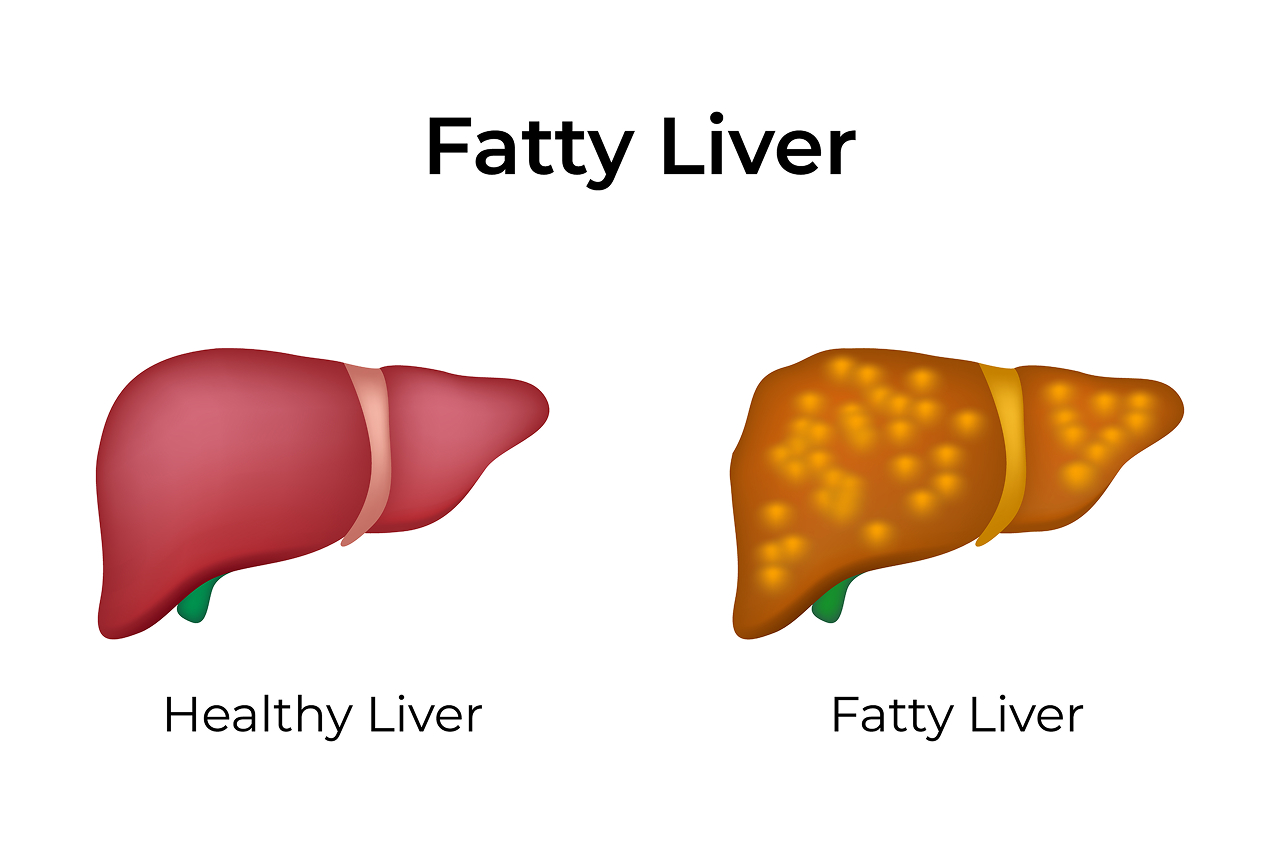
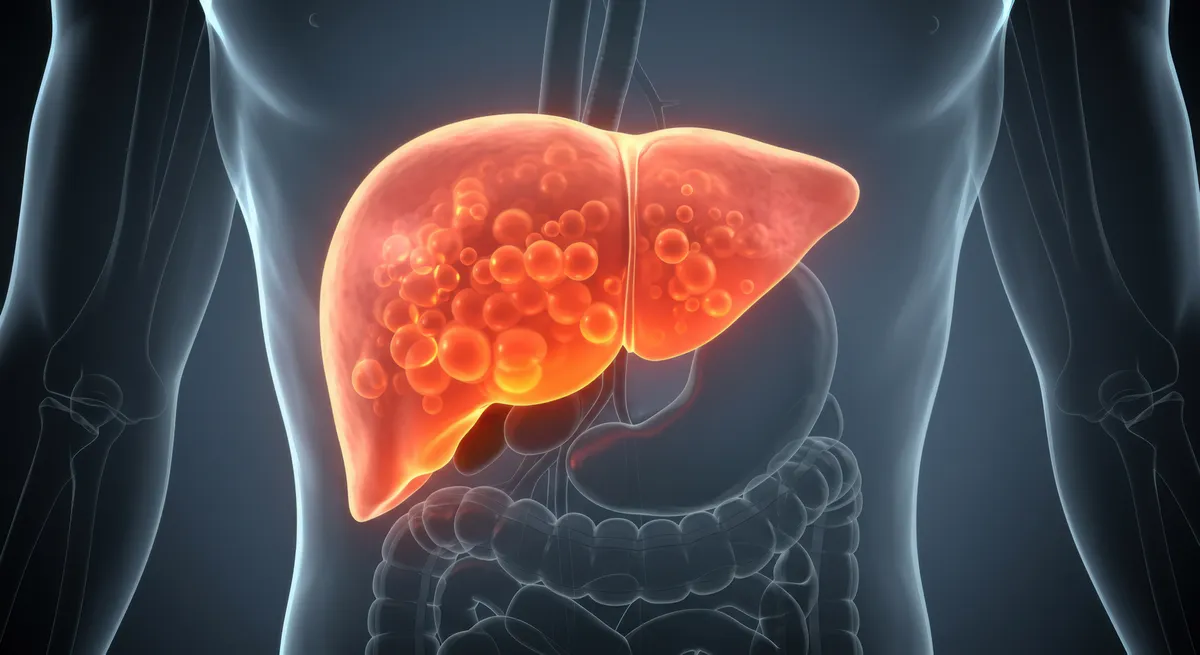
| Fatty liver (steatosis) | Extra fat is stored in liver cells, with no serious damage yet | Yes. It can usually be fully reversed |
| Inflammation (steatohepatitis or hepatitis) | Fat or alcohol is irritating and injuring liver cells | Often. It can settle if the cause is removed |
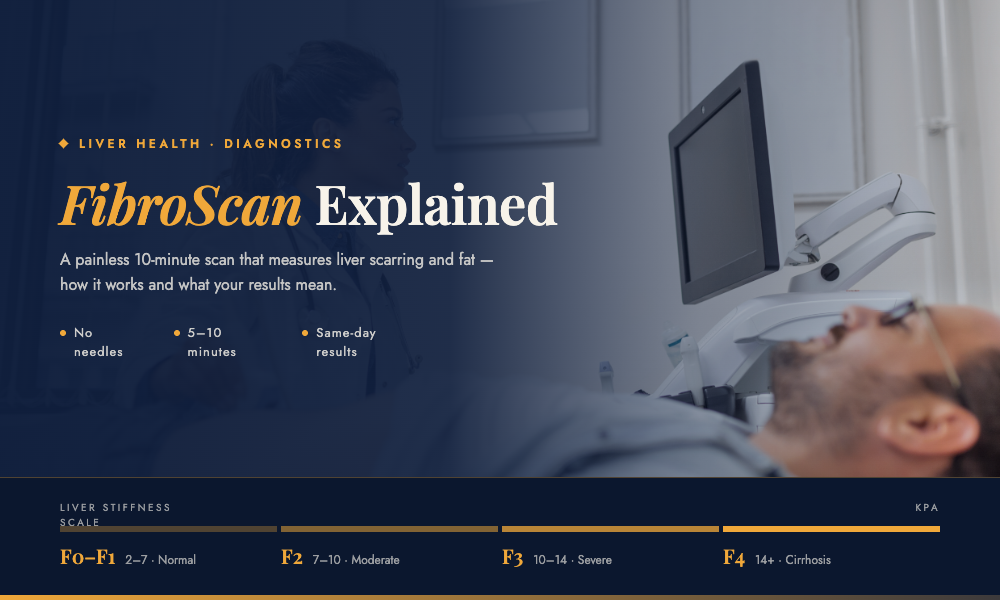
| Fibrosis (F1 to F3) | Scar tissue is building up, but the liver still works well | Often partly or fully, especially in earlier stages |
| Cirrhosis (F4) | Severe scarring has changed the structure of the liver | Usually not reversible, but progression can slow or stop |
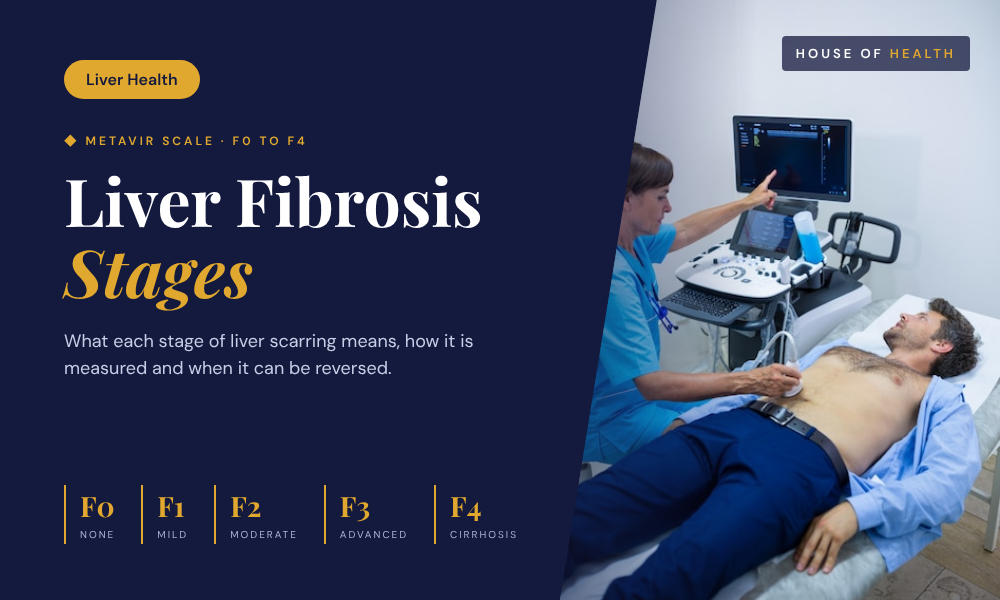
The NHS explains that most people with fatty liver disease only have the first stage, and that healthy lifestyle changes can reduce liver fat and help repair damage or stop it getting worse. If you have been given a fibrosis stage such as F2 or F3, our guide to liver fibrosis life expectancy explains the outlook, and our guide to liver fibrosis stages explains what each one means.

Want to Know If Your Liver Is Repairing or Scarring?
- Fat and early scarring rarely cause symptoms, so a scan is the clearest way to know.
- Our Liver Health MOT checks liver fat and stiffness with a Fibrosis Scan, plus a full liver blood panel.
- Consultant-led by Dr Nadir Abbas, Consultant Hepatologist and Gastroenterologist, in Birmingham's Jewellery Quarter.
- Results explained on the same day.
- No GP referral needed.
Can a Fatty Liver Repair Itself?
Yes, in most cases. Fatty liver is an early stage of liver disease, and the fat can clear once you remove the cause. The most common type in the UK is metabolic dysfunction-associated steatotic liver disease (MASLD), previously called non-alcoholic fatty liver disease. It is linked to extra weight, type 2 diabetes, high blood pressure and high cholesterol.
Liver UK says that losing 5% to 10% of your body weight can help control MASLD and may reverse some liver damage. Even if your weight is healthy, a better diet and more activity can lower liver fat.
The size of the change matters. In a study of 293 people with fatty liver inflammation (MASH), those who lost 10% or more of their body weight over a year saw the biggest benefits: 90% had their inflammation resolve, and 45% had their scarring improve (Vilar-Gomez et al., 2015). If you have been told you have MASH, this is encouraging news.
For practical meal ideas, see our guide to foods to eat and avoid with fatty liver.
Can the Liver Repair Itself After Alcohol?
Often, yes, if you stop drinking early enough. The NHS explains that if you stop drinking, your liver can often recover. How much it recovers depends on the stage:
- Alcohol-related fatty liver: the liver can usually recover if you stop drinking.
- Alcohol-related hepatitis: the liver may be able to recover from some of the damage.
- Alcohol-related cirrhosis: the damage cannot usually be reversed.
Liver UK advises stopping alcohol completely for a period of months or years to give the liver its best chance. If you have alcohol-related hepatitis or cirrhosis, your doctor will advise you to stop for life.
One important safety point: if you drink heavily every day, do not stop suddenly on your own. Alcohol withdrawal can be dangerous, so speak to a doctor first. Our page on alcohol-related liver disease explains the condition in more detail.
Can a Damaged Liver Repair Itself If You Have Cirrhosis?
This is where honesty matters. Cirrhosis is severe scarring that changes the liver's structure. The NHS is clear that cirrhosis cannot be cured. However, treatment and lifestyle changes can help slow it down or stop it getting worse.
That still makes a real difference. Liver UK notes that even with cirrhosis, stopping further damage can help the liver carry on working. Many people with cirrhosis feel well and live for many years with the right care and regular specialist monitoring. You can read more on our cirrhosis page and in our article can liver disease be cured?
How Quickly Can the Liver Repair Itself?
There is no single timeline for liver repair. It depends on what is causing the damage, how advanced it is and how big the changes you make are. As a broad guide:
- Liver fat can start to fall within weeks of losing weight or stopping alcohol. In heavy drinkers, research shows liver fat can clear within 2 to 3 weeks of stopping, and liver blood tests often improve within about a month (Thomes et al., 2021).
- Inflammation usually takes months of steady change to settle.
- Scarring (fibrosis) improves slowly, over many months to years, and only while the cause stays under control.
So the liver regeneration time you read about online is only part of the story. New cells can grow quickly, but clearing scar tissue takes much longer. For a stage-by-stage breakdown, read our guide on how long it takes to reverse fatty liver.
What Helps the Liver Repair Itself?
The best way to help your liver heal is to take away whatever is harming it. The NHS and Liver UK recommend:
- Losing weight if you carry extra. Aim for a steady loss of around 0.25kg to 1kg a week.
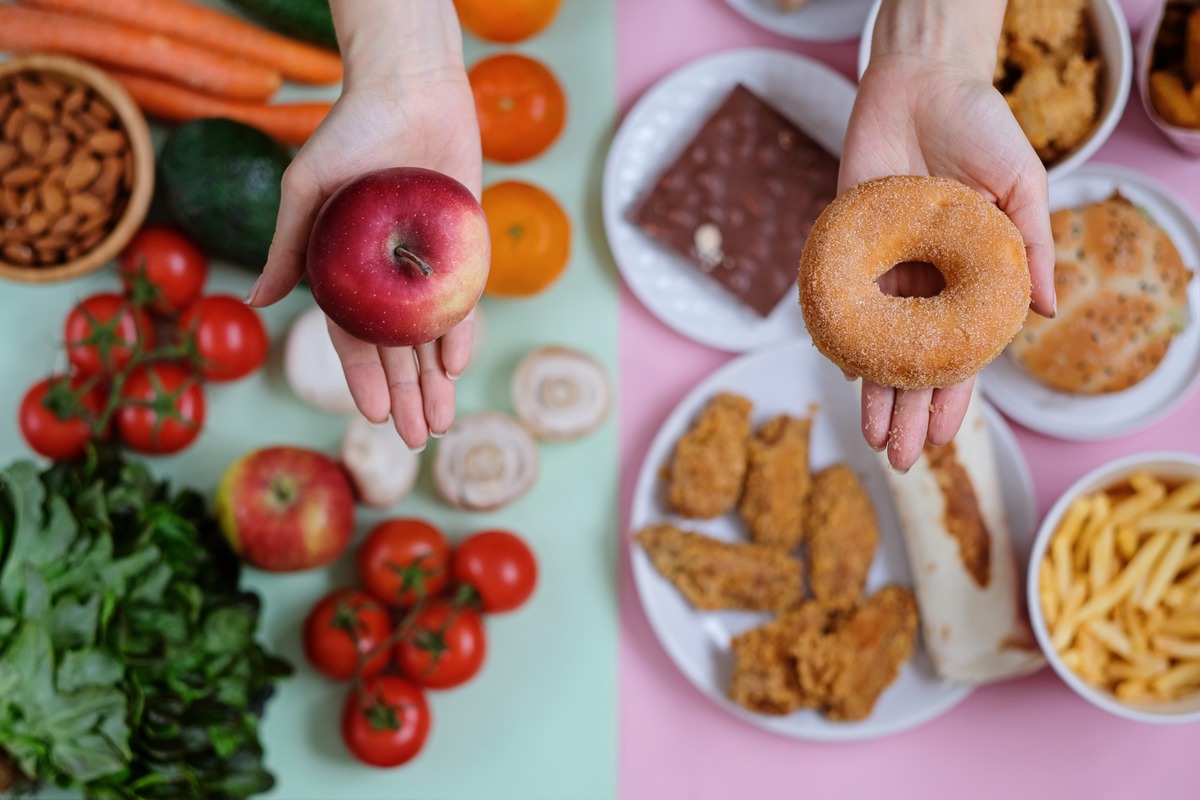
- Eating a healthy, balanced diet. Cut back on sugary drinks and highly processed food.
- Moving more. Aim for at least 150 minutes of moderate activity a week, plus muscle-strengthening activity twice a week.
- Keeping alcohol low. Stay within 14 units a week, spread over 3 or more days. If you have advanced fibrosis or cirrhosis, stop completely.
- Not smoking. Smoking can make liver disease progress faster.
- Managing linked conditions such as type 2 diabetes, high blood pressure and high cholesterol.
A Word on Detoxes and Supplements
You cannot detox your liver. Liver UK states that no supplements or specific foods will help it heal. Some herbal and 'natural' products can even harm the liver, especially if it is already damaged. NICE also advises against omega-3 supplements for MASLD because there is not enough evidence (NICE NG49). Always check with a doctor or pharmacist first. Our guide on how to improve liver function covers more evidence-based steps.
How to Check If Your Liver Is Repairing
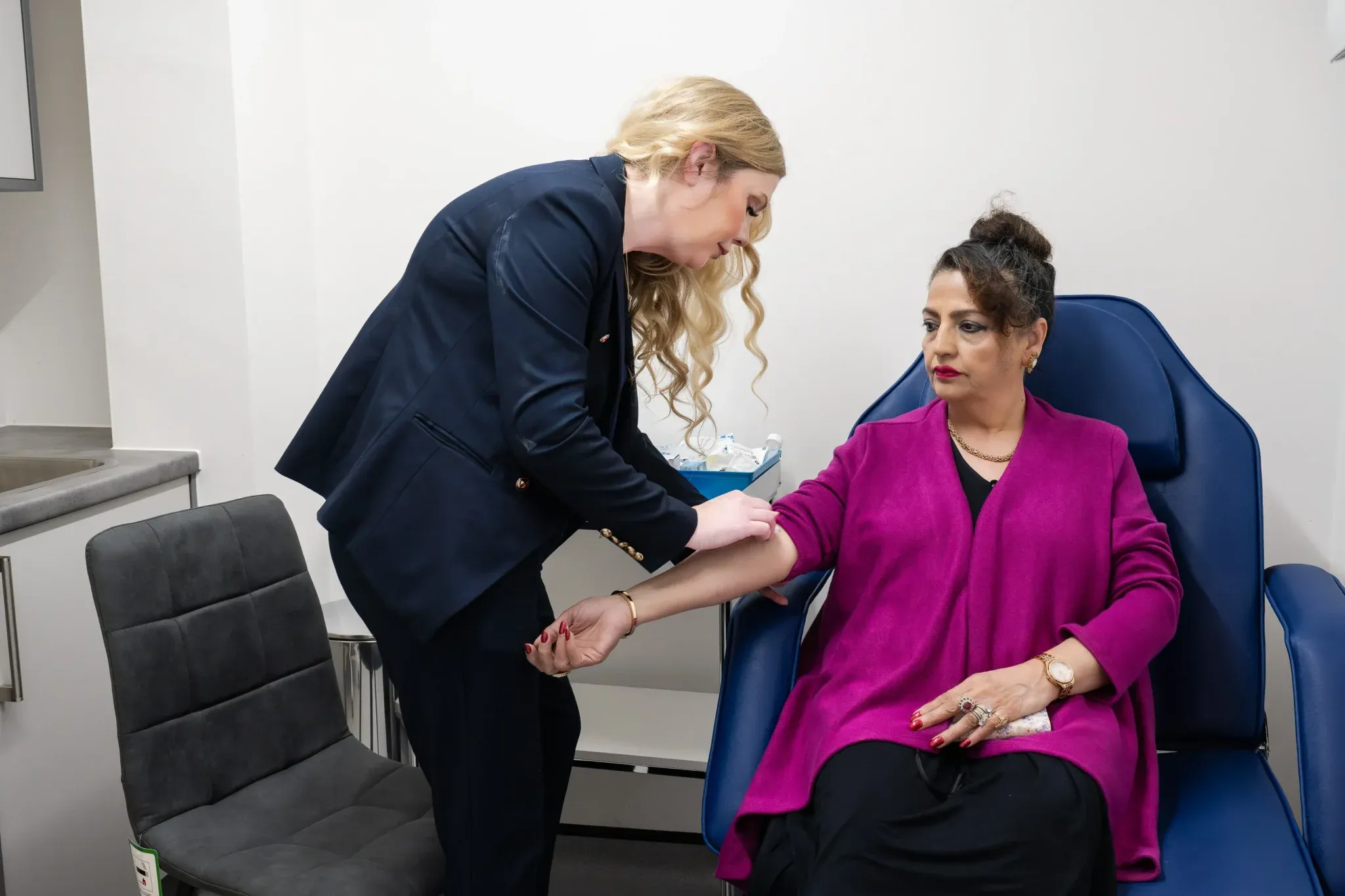
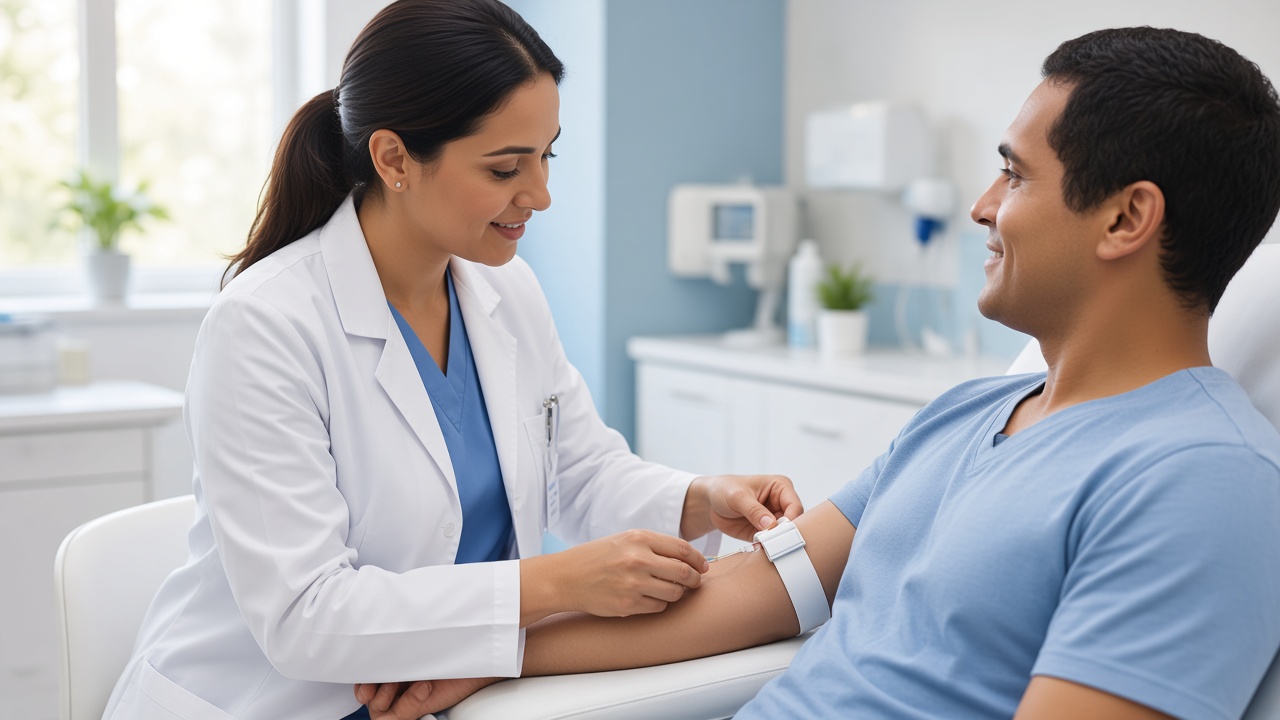
You usually cannot feel your liver healing. That is why testing matters: it helps you see where you are starting from and track your progress.
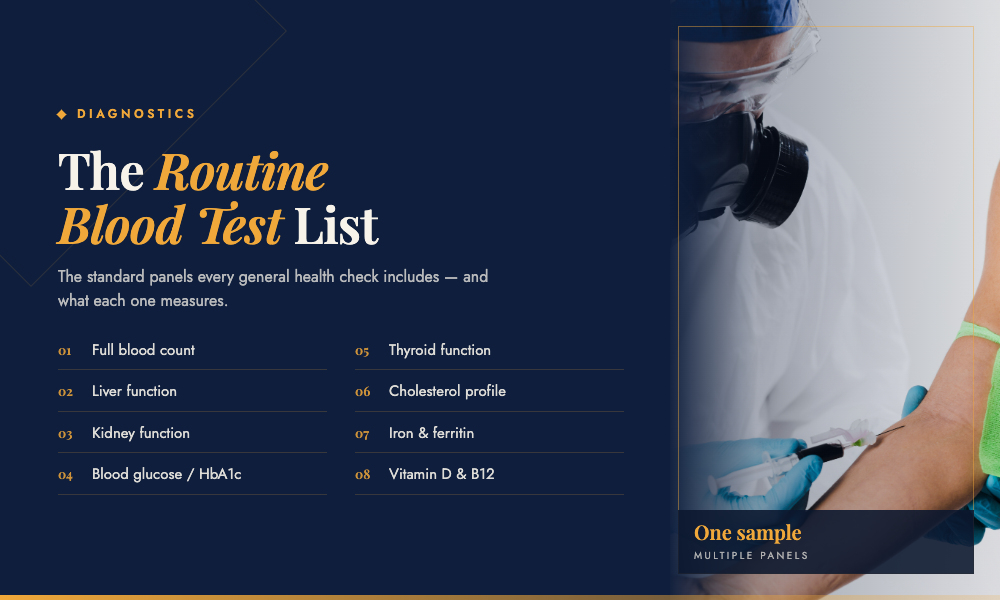
Liver Blood Tests
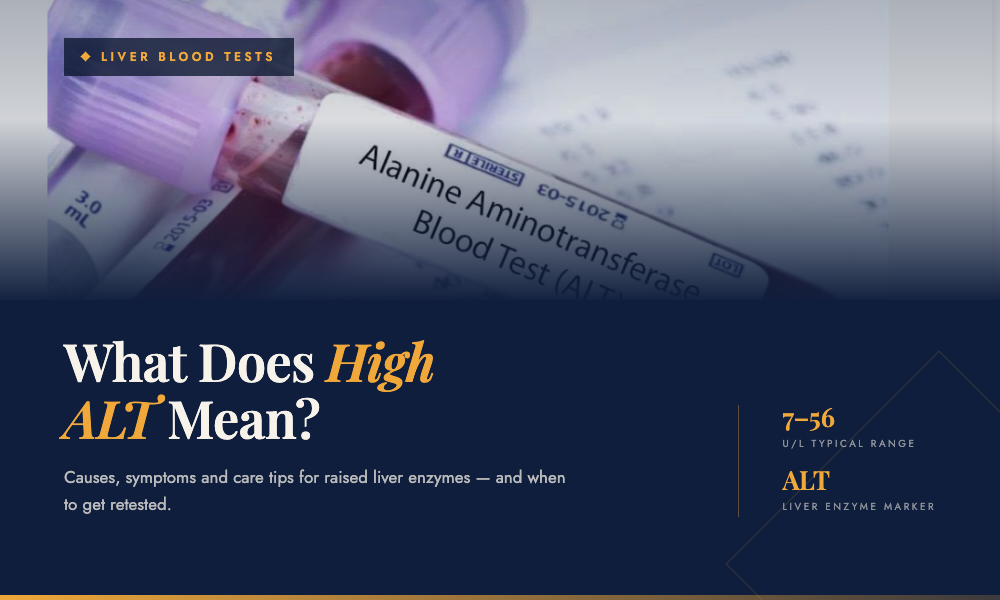
A liver function test checks enzymes such as ALT, AST and GGT. Falling levels can be a good sign. However, normal results do not rule out scarring, and NICE advises against using routine liver blood tests alone to check for advanced fibrosis. If your ALT has been raised, our guide to what a high ALT means is a helpful next read.
Fibrosis Scores: FIB-4 and ELF
FIB-4 is a score worked out from your age and routine blood results. The ELF (enhanced liver fibrosis) test is a separate blood test that looks for signs of scarring. NICE recommends considering the ELF test for people with MASLD.
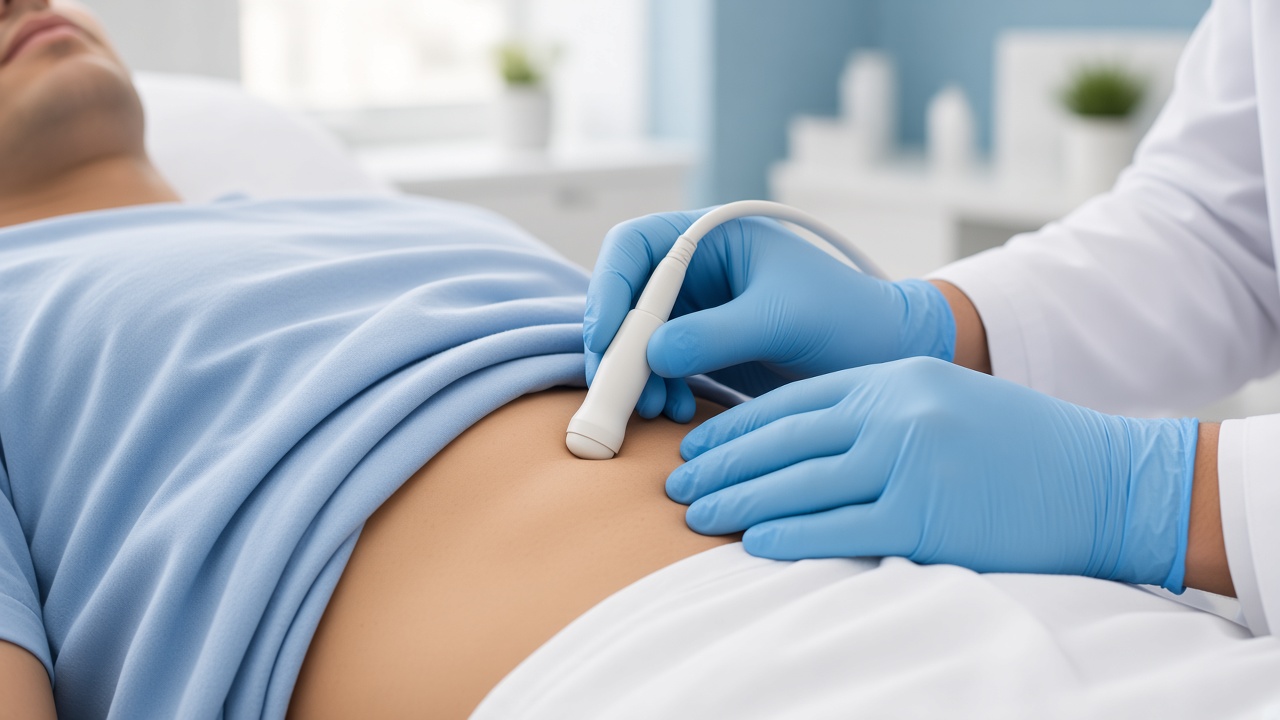
Fibrosis Scan With CAP
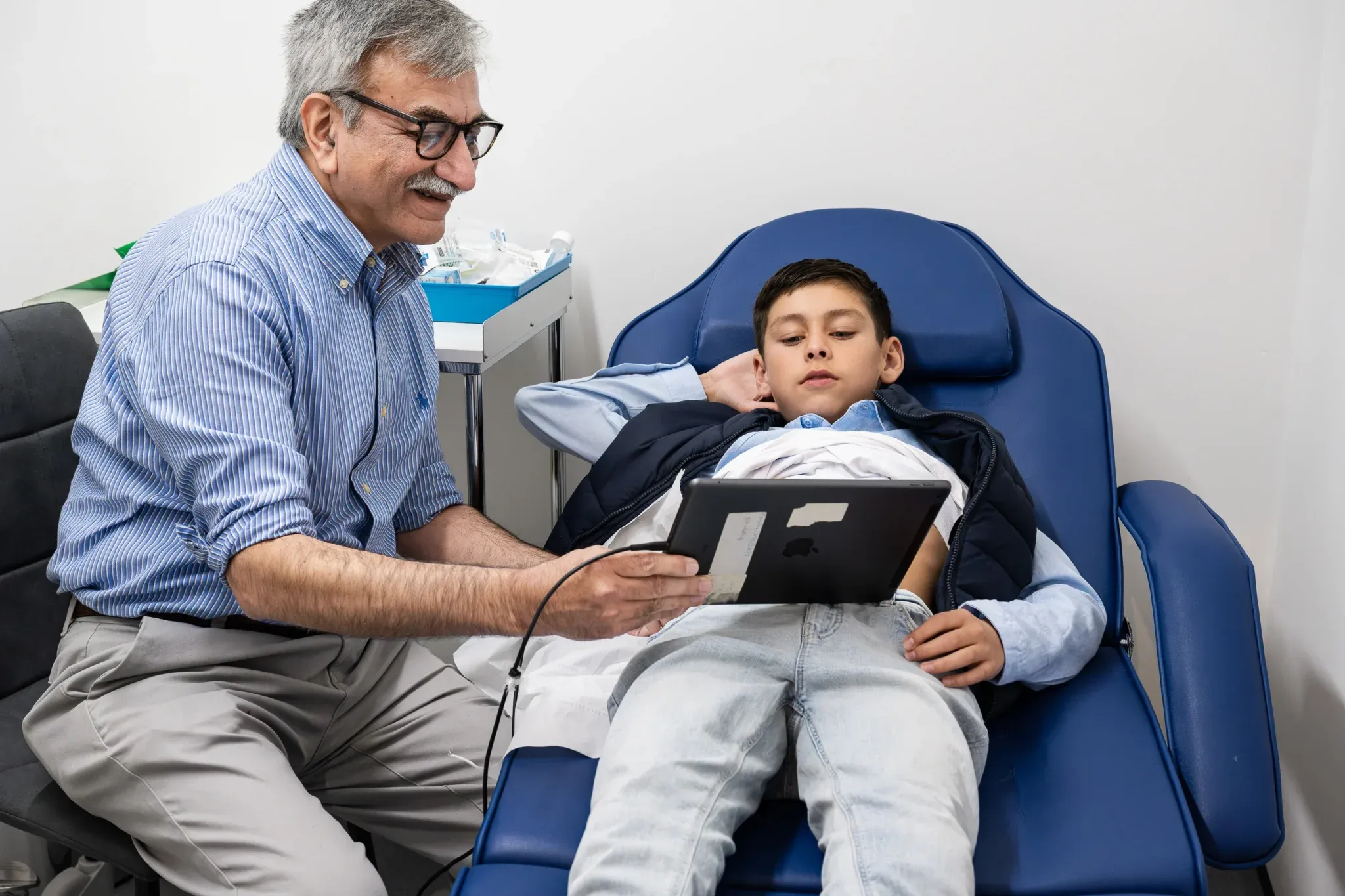
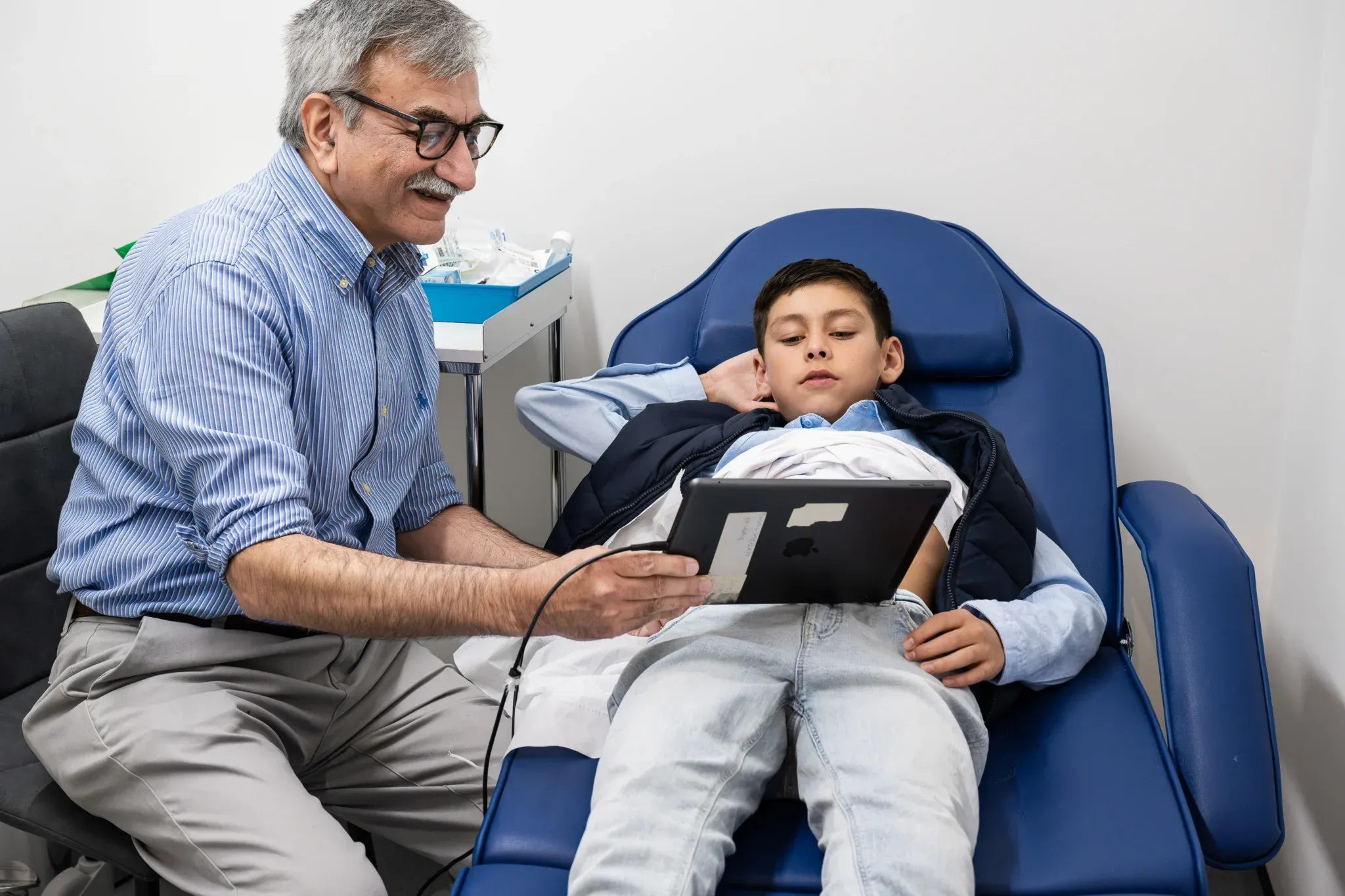
A Fibrosis Scan, also known as transient elastography or by the brand name FibroScan, measures how stiff your liver is. Stiffer tissue usually means more scarring. It also gives a CAP score, which estimates liver fat. Our guide to FibroScan for fatty liver explains both numbers. The scan is quick and painless, and the machine provides results straight away (Liver UK).
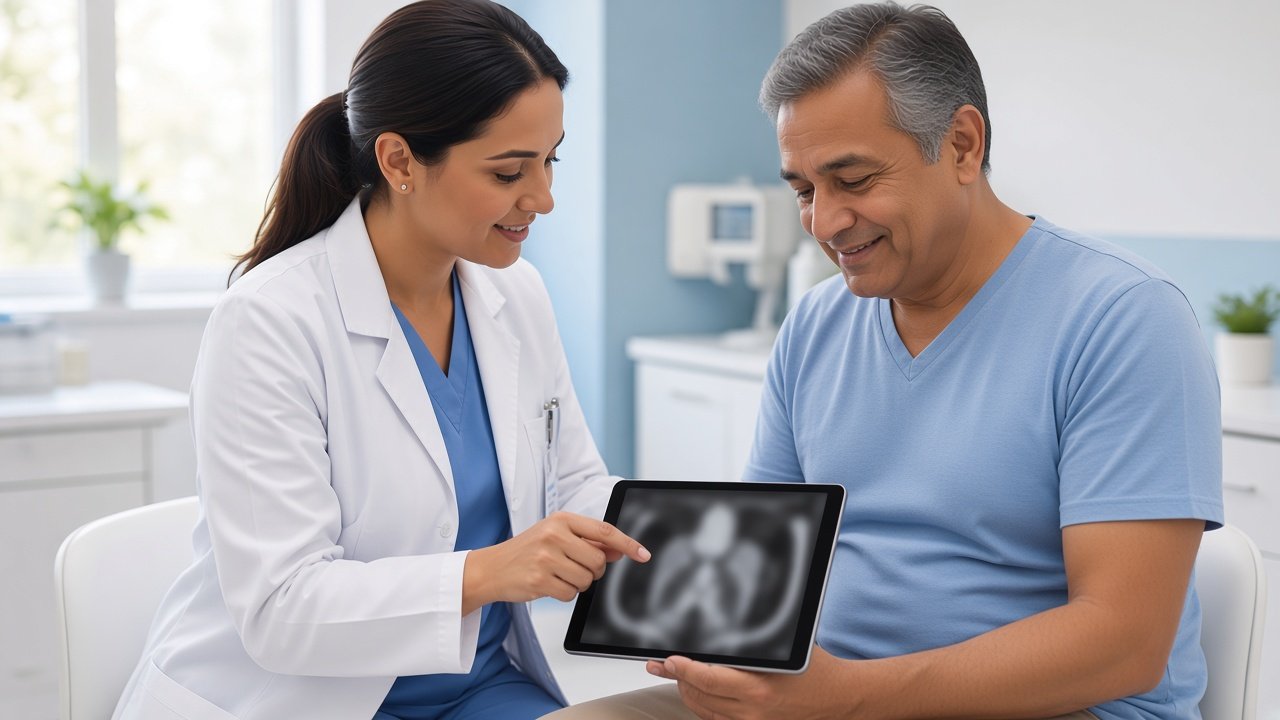
Repeating the same test over time is one of the clearest ways to see whether your liver is repairing. Find out what to expect in our Fibrosis Scan guide, or see our Fibrosis Scan service.
Making Changes and Want Proof Your Liver Is Healing?
- See a Consultant Hepatologist without a GP referral.
- Track liver fat and stiffness with a repeat Fibrosis Scan and blood tests.
- Results explained on the same day, with a written report within 48 hours.
- A clear plan from Dr Nadir Abbas, tailored to what is causing your liver damage.
When to See a Doctor
Speak to a GP or liver specialist if:
- you have been told your liver blood tests are abnormal
- you have type 2 diabetes, obesity or regularly drink more than 14 units a week
- a scan has shown fatty liver or scarring, and you are unsure what it means
- you want to know whether lifestyle changes are working
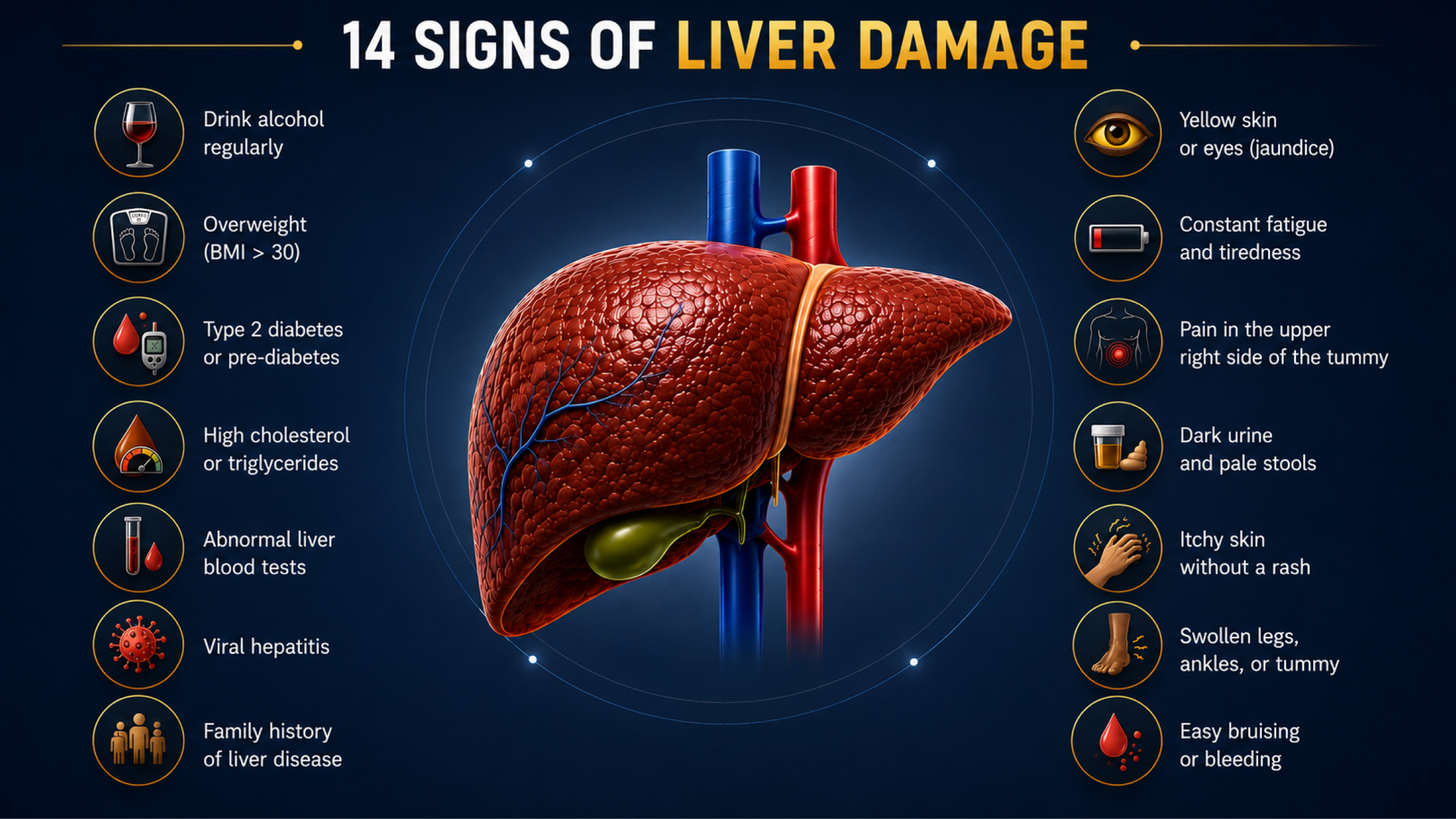
Get urgent help if you notice yellowing of your skin or the whites of your eyes, or a swollen tummy, legs or ankles. The NHS advises people with cirrhosis to call 999 or go to A&E if they vomit blood, have very dark or black poo, or suddenly become confused. You can read more in our guide to the signs of liver damage.
Conclusion
So, can the liver repair itself? In many cases, yes. Fat can clear, inflammation can settle, and early scarring can improve, often more than people expect. The key is to stop the cause of the damage, whether that is extra weight, alcohol or another condition, and to give your liver time.
Cirrhosis is different. It usually cannot be reversed, but the right care can slow it down and protect the liver you have. Because liver damage is often silent, the most useful step is to find out where you stand today, then check that your efforts are working.
If you want to know whether your liver is repairing, House of Health can help. Our consultant-led Liver Health MOT with Dr Nadir Abbas, Consultant Hepatologist and Gastroenterologist, combines a Fibrosis Scan and liver blood tests in one visit in Birmingham, with no GP referral needed.
Frequently Asked Questions
Can your liver repair itself?
Yes. Your liver is the only organ that can heal itself after damage. It replaces damaged cells with new ones. However, if the damage keeps happening for a long time, scar tissue can build up faster than the liver can repair it.
How quickly can the liver repair itself?
It depends on the damage. Liver fat can start to fall within weeks of losing weight or stopping alcohol. Inflammation usually takes months to settle, and scarring can take months to years to improve.
Can a fatty liver repair itself?
Usually, yes. Fatty liver can often be fully reversed by losing weight if you need to, eating well, staying active and keeping alcohol low. Losing 5% to 10% of your body weight can make a big difference.
Can the liver repair itself after drinking?
Often. If you stop drinking, alcohol-related fatty liver can usually recover, and some damage from alcohol-related hepatitis may heal. Cirrhosis caused by alcohol cannot usually be reversed. If you drink heavily, speak to a doctor before stopping.
Can the liver repair itself with cirrhosis?
Cirrhosis cannot usually be cured. However, treating the cause and making healthy changes can slow it down or stop it getting worse, and many people live well for years with specialist care.
Can a damaged liver repair itself?
It depends on how severe the damage is. Fat and inflammation can often heal. Early and moderate scarring can improve. Severe scarring (cirrhosis) usually cannot be reversed, but you can prevent further damage.
How can I repair my liver naturally?
The proven steps are simple: lose weight if you carry extra, eat a balanced diet, aim for 150 minutes of activity a week, keep alcohol within 14 units a week or stop, and do not smoke. Detox products and supplements have not been shown to help the liver heal.
Is liver regeneration the same as liver repair?
Not quite. Regeneration means growing new liver cells, which the liver does quickly. Repair also means clearing away fat, settling inflammation and breaking down scar tissue, which takes longer and only happens once the cause of damage stops.
Do I need a GP referral for a Fibrosis Scan at House of Health?
No. You can book a Liver Health MOT or a consultation with our Consultant Hepatologist directly, and bring any previous blood tests or scan reports.