
You have been told you have fatty liver. Maybe it showed up on an ultrasound, or your liver blood tests came back a little high. You may have been told to 'watch your weight'. But how do you know if it is serious, and how will you know if your efforts are working?
Knowing there is fat in your liver is only half the story. The bigger question is whether that fat has started to scar your liver. A FibroScan answers both questions in one short, painless scan, and turns a vague diagnosis into two clear numbers you can understand and track.
FibroScan is a brand name. At House of Health, we call it a Fibrosis Scan. This guide covers what the scan shows in fatty liver, who needs one, how it compares with other tests, what happens on the day, how to read your results and how a repeat scan can show your liver getting healthier.
Key Takeaways
- A FibroScan gives two numbers: a CAP score for fat (dB/m) and a stiffness score for scar tissue (kPa).
- In fatty liver, scar tissue is what matters most for your long-term health.
- The scan is quick, painless and uses no needles, radiation or sedation.
- It is most useful when your risk of scarring is not clearly low, or when you want to track progress.
- It does not make a picture, so it cannot find gallstones or lumps. You may also need an ultrasound.
- Fat often falls off first once you change your habits. Scar tissue takes longer to change.
- Numbers only make sense in context, so have them read by a specialist.
What Is Fatty Liver?
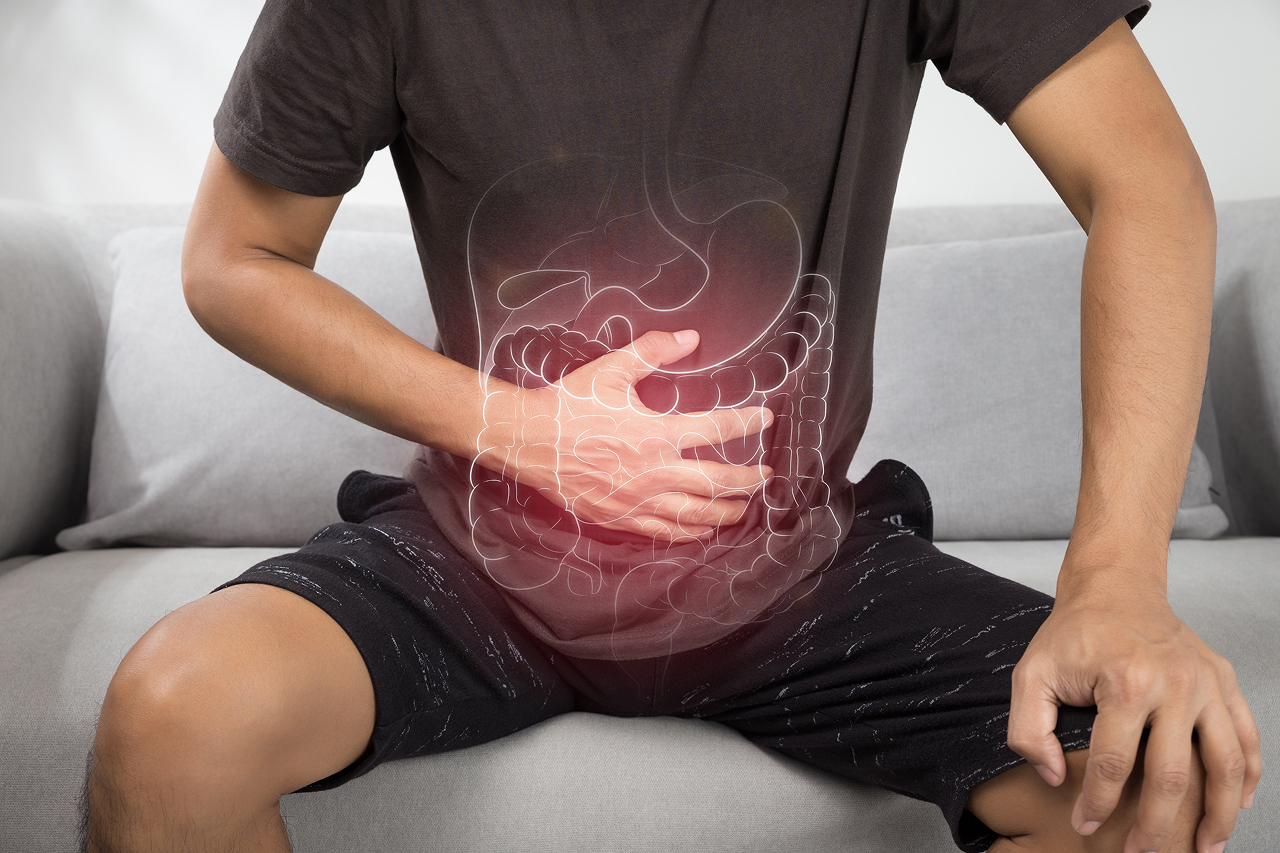
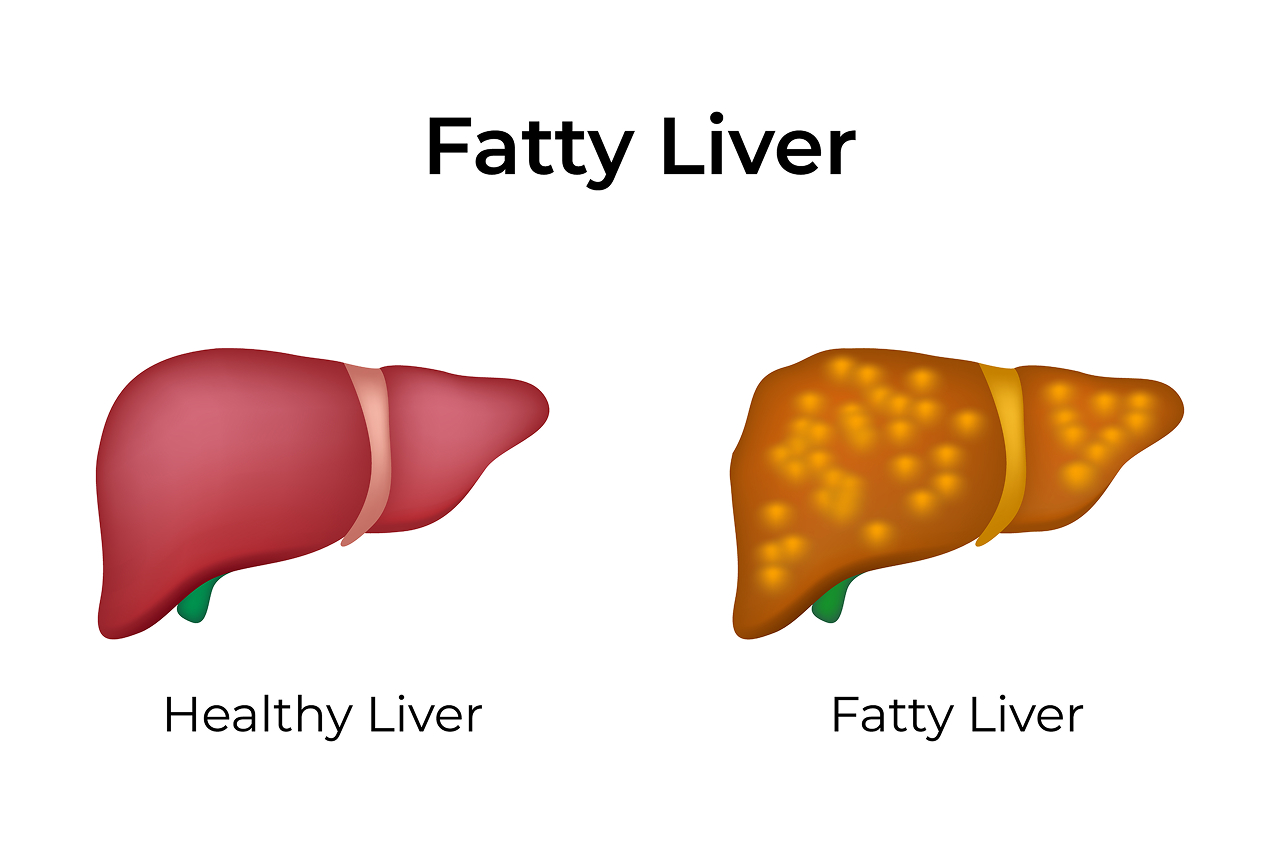
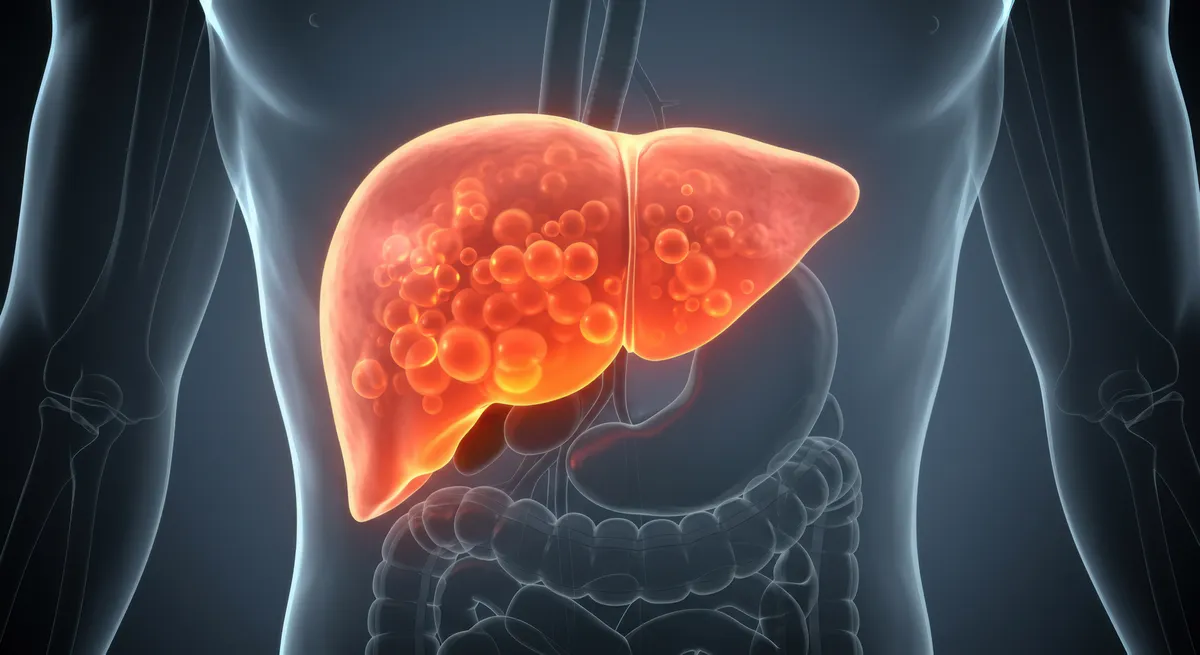
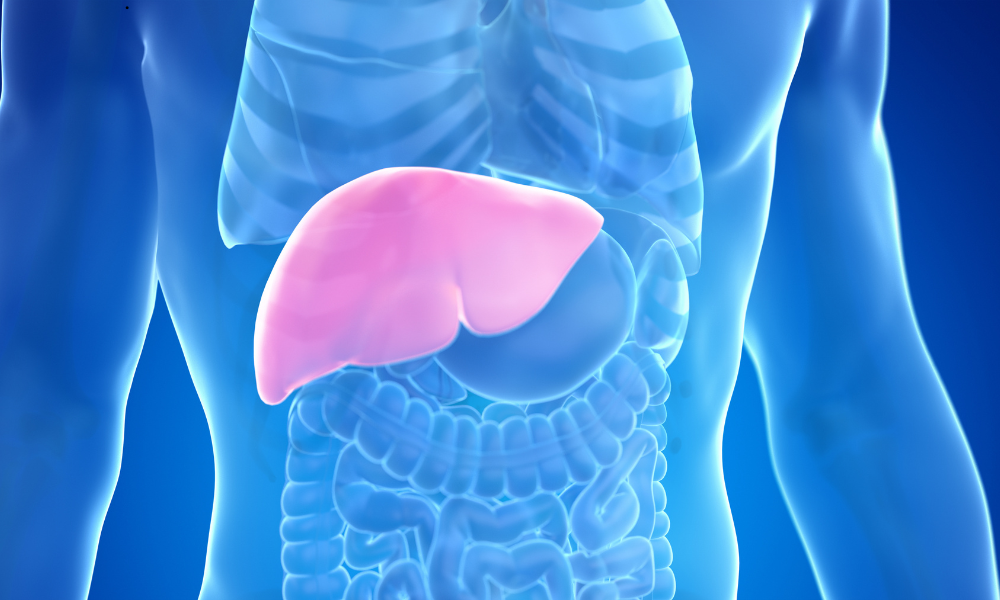
Fatty liver means fat has built up in your liver cells. Doctors now call the most common type MASLD, short for metabolic dysfunction-associated steatotic liver disease. It used to be called NAFLD. It is linked to extra weight, type 2 diabetes, high blood pressure and high cholesterol. Read more in our guide to fatty liver disease (MASLD).
For many people, fat alone does little harm. In some, it causes inflammation, known as MASH. Over time, inflammation can lead to scar tissue (fibrosis) and, in a small number of people, cirrhosis. Most people feel completely well, even with scarring. That is why a test matters.
What Does a FibroScan Measure in Fatty Liver?
The CAP Score: How Much Fat
CAP stands for controlled attenuation parameter. The scan sends a sound wave through your liver, and fat makes the wave fade more. The result is shown in decibels per metre (dB/m). A higher CAP score means more fat.
CAP is good at picking up even mild fat. In a review of nine studies, it correctly found mild fat in 87% of people who had it (Pu and others, 2019).
Liver Stiffness: A Sign of Scar Tissue
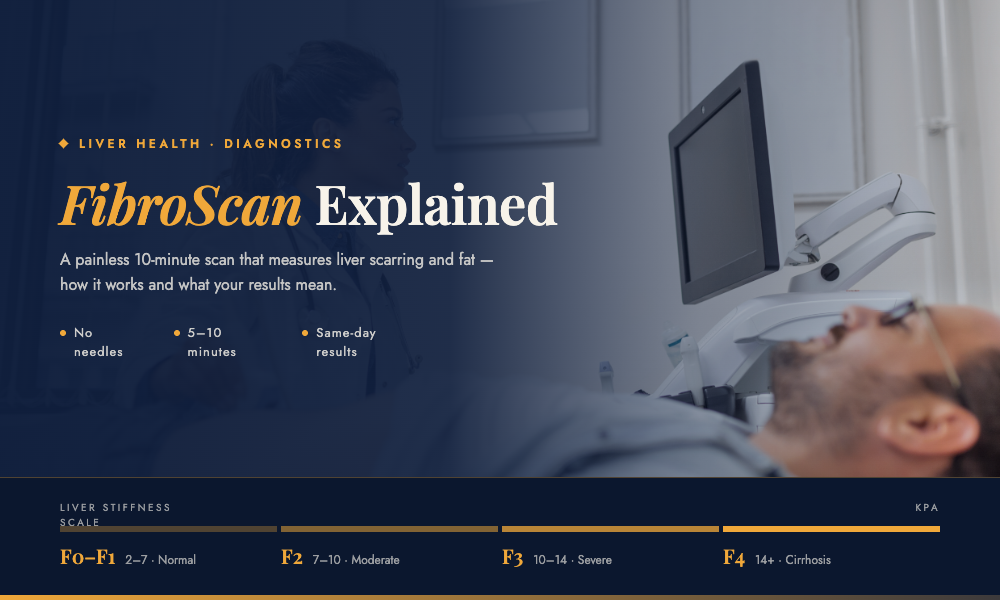
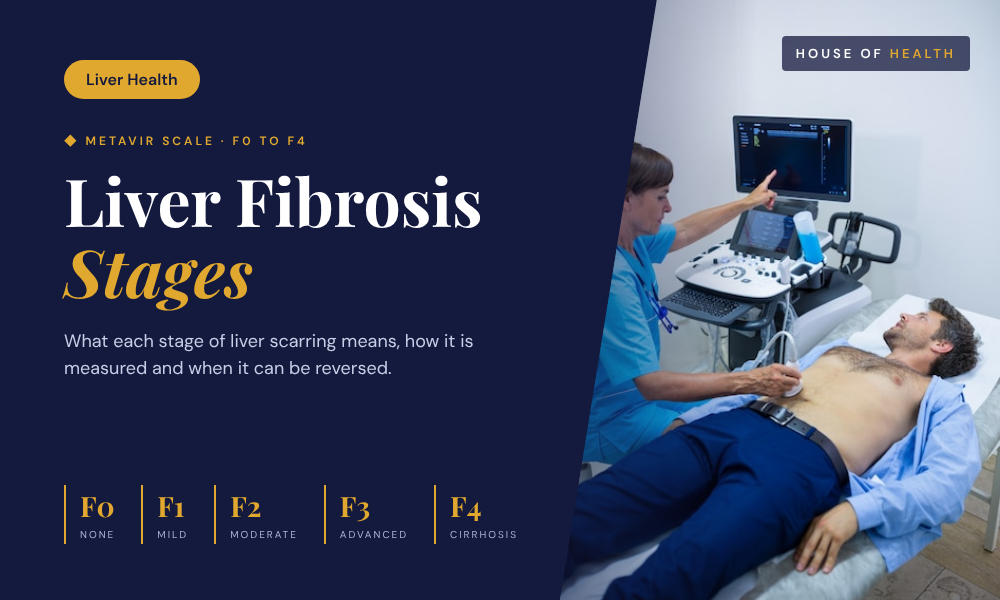
A healthy liver is soft. Scar tissue makes it stiffer. The FibroScan measures how fast a gentle pulse travels through your liver: the stiffer the liver, the faster it goes. The result is shown in kilopascals (kPa).
A higher number usually means more scar tissue. However, there is no single 'normal' number for everyone. Cut-offs depend on the cause of your liver problem, so a doctor should always read your result (Liver UK). Your consultant may use your stiffness score to estimate your stage, from F0 to F4. See our guide to liver fibrosis stages.
Why Both Numbers Matter
| Your result | What it may mean |
|---|---|
| Fat score raised, stiffness normal | Fat is present, but there are no signs of significant scarring. A great time to act. |
| Fat score raised, stiffness raised | Fat may be causing scarring. You need a closer look from a specialist. |
| Fat score normal, stiffness raised | Scarring may have another cause. Your doctor will look into it. |
| Both normal | Reassuring. Keep up healthy habits. |
This is a general guide only. Your doctor will explain what your own numbers mean.
Who Should Have a FibroScan for Fatty Liver?
A FibroScan may suit you if:
- an ultrasound or blood test has shown fatty liver
- you have type 2 diabetes or carry extra weight around your middle
- your liver blood tests have been raised for a while
- your FIB-4 or ELF blood score is not low
- you drink more than 14 units of alcohol a week
- you want a baseline number to track as you lose weight
NICE says people with MASLD should be offered a test for advanced scarring (NICE NG49). NICE also supports using FibroScan outside the hospital, as long as there are clear local care plans (NICE HTG682).

Told You Have Fatty Liver But Not Sure How Serious It Is?
- A Fibrosis Scan checks fat and stiffness in one short visit.
- Consultant-led Liver Health MOT in central Birmingham.
- Results explained to you on the same day.
- No GP referral needed.
Do You Need a FibroScan? Start With Your Question
Each test answers a slightly different question.
| Your question | Test that answers it best |
|---|---|
| Is there fat in my liver? | Ultrasound or FibroScan (CAP score) |
| Is something else going on, such as gallstones or a lump? | Ultrasound |
| Has the fat caused scar tissue? | FibroScan, ELF test or FIB-4 |
| How much fat, as a number I can track? | FibroScan (CAP score) |
| Is my liver getting better as I change my habits? | Repeat FibroScan |
How a FibroScan Compares With Other Tests
| Test | What it tells you | What it cannot do |
|---|---|---|
| FibroScan | Fat (CAP) and stiffness (kPa) as numbers, straight away | Make a picture, find gallstones or lumps |
| Ultrasound | A picture showing fat, gallstones and lumps | Measures early or moderate scarring, and it can miss mild fat |
| FIB-4 | A free risk score from age and routine blood results | Measures fat. Less reliable under 35 and over 65 |
| ELF test | A specialist blood score for scarring, suggested by NICE in MASLD | Measure fat |
| Liver blood tests | Whether your liver is under strain | Rule out fatty liver or assess advanced scarring |
| Liver biopsy | Scar tissue seen directly | It is invasive, so it is usually kept for when other results disagree |
- FibroScan vs ultrasound: many people need both. You can book a liver ultrasound and a Fibrosis Scan at House of Health.
- FibroScan vs FIB-4: Liver UK uses below 1.3 as low risk, 1.3 to 3.25 as unclear and above 3.25 as high risk (Liver UK). If your FIB-4 is unclear or high, a FibroScan is a common next step.
- FibroScan vs liver blood tests: liver function tests can be normal even when scarring is present. NICE says routine liver blood tests should not be used to rule out fatty liver or to assess advanced scarring (NICE NG49).
Which Situation Sounds Like You?
- 'My ultrasound says fatty liver, and nothing else.' A FibroScan is often the logical next step. The ultrasound has shown fat is there. The FibroScan tells you whether it has done any harm.
- 'I have type 2 diabetes and fatty liver.' Diabetes raises the risk of scarring. Many people in this group benefit from a scarring check, even if their liver blood tests look normal.
- 'My FIB-4 came back in the middle range.' This is the classic case for a FibroScan or ELF test, to sort out whether your risk is truly low.
- 'I drink above 14 units a week.' Alcohol and fatty liver together raise the risk of damage. Read more about alcohol-related liver disease.
- 'I am losing weight and want to know if it is working.' A FibroScan gives you numbers you can compare over time.
- 'I am young and slim, my blood tests are normal, but a scan mentioned mild fat.' Your risk may be low. Your doctor may suggest lifestyle changes and a follow-up check, rather than a scan right away.
When a FibroScan May Not Be the Best First Step
- You have pain in your upper right tummy. An ultrasound is better to look for gallstones or other causes first.
- You may be pregnant, or you have a pacemaker or other implanted device. Tell the team before booking, as the scan may not be suitable for you.
- You have fluid in your tummy (ascites). This can stop the scan from giving a reading.
How Accurate Is a FibroScan in Fatty Liver?
The CAP score picks up mild fat well, and the stiffness score is best at telling apart a healthy liver from one with a lot of scarring.
Readings can come out higher than they should if you have eaten recently, had alcohol or have active inflammation. Heart problems or a blocked bile duct can also increase stiffness. A lot of weight around the middle can make a clear reading harder, though a larger probe often helps (Yilmaz and Kaya, 2023). That is why it helps to have a specialist read your results.
What Happens at Your Scan
At House of Health, a Fibrosis Scan is part of our consultant-led Liver Health MOT, which takes around 60 minutes. A standalone Fibrosis Scan is also available if you only need the scan and its interpretation.
Before You Come
- Do not eat for at least 3 hours. Water is fine.
- Avoid alcohol for 24 hours.
- Wear loose clothes with a top that lifts easily.
Food and alcohol can increase your stiffness reading, so these steps help you get an accurate result. Our Fibrosis Scan guide has more on how the scan works.
On the Day
- 1. Consultation: your Consultant Hepatologist reviews your history, lifestyle, and any past results.
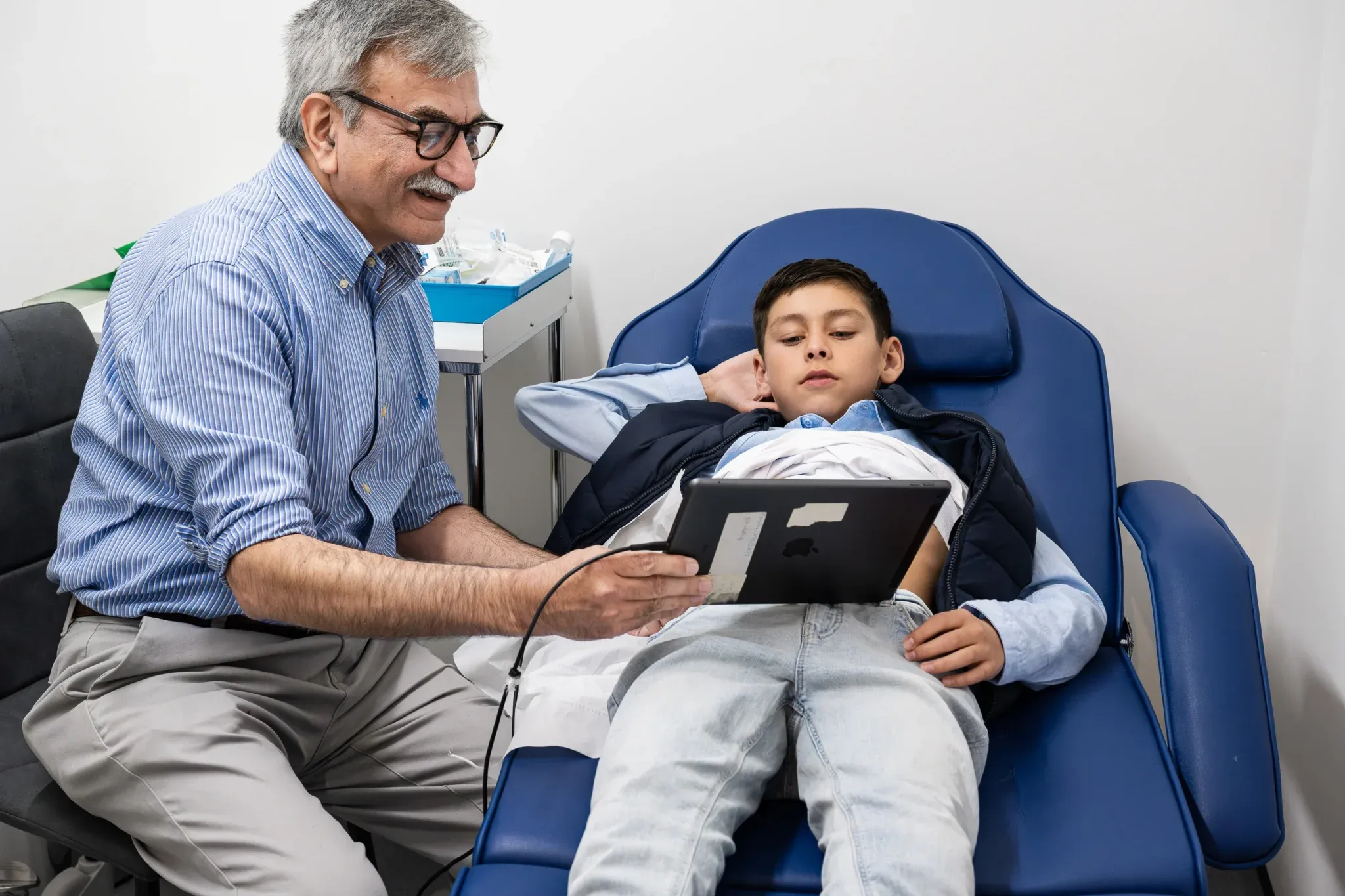
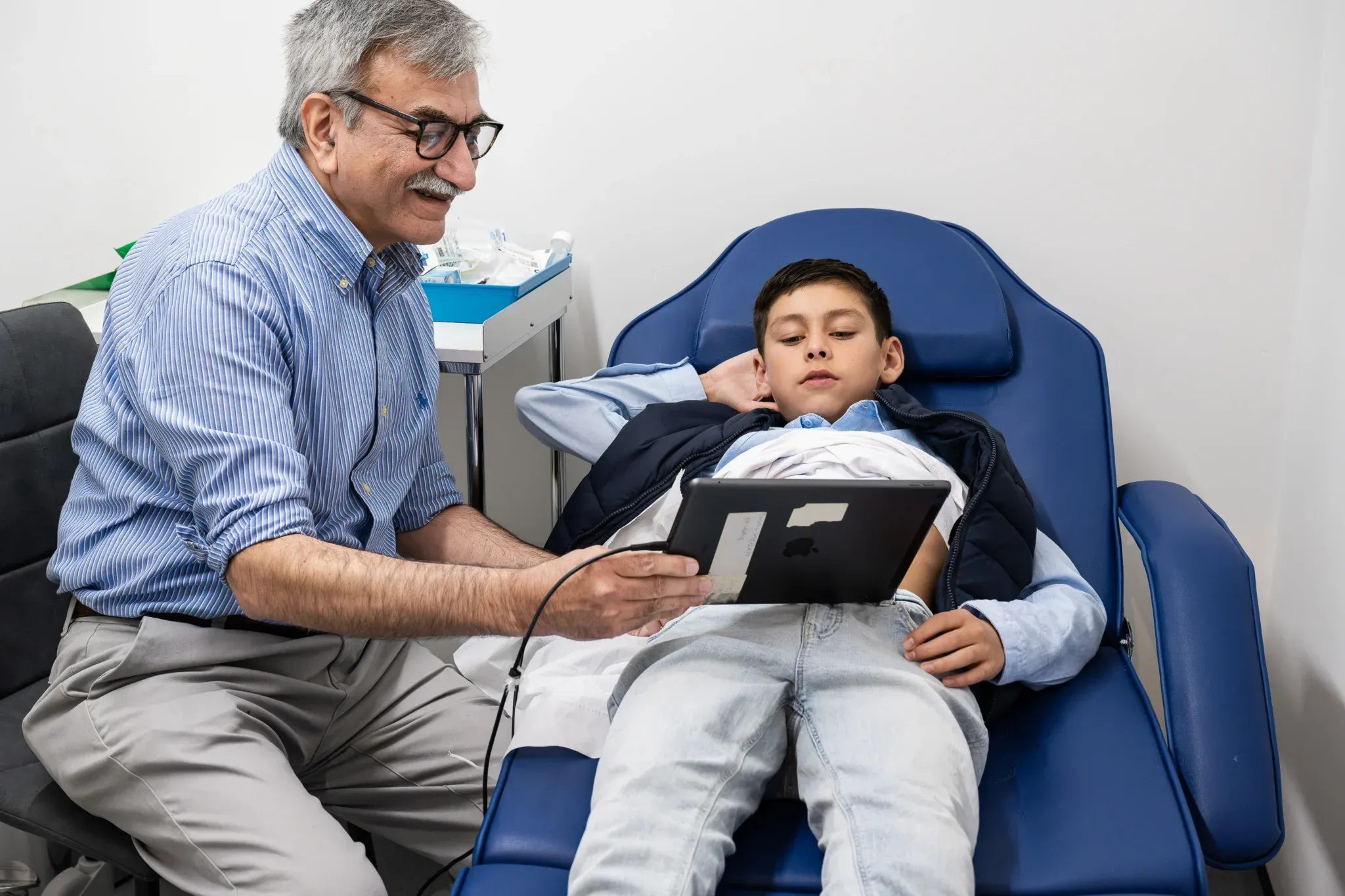
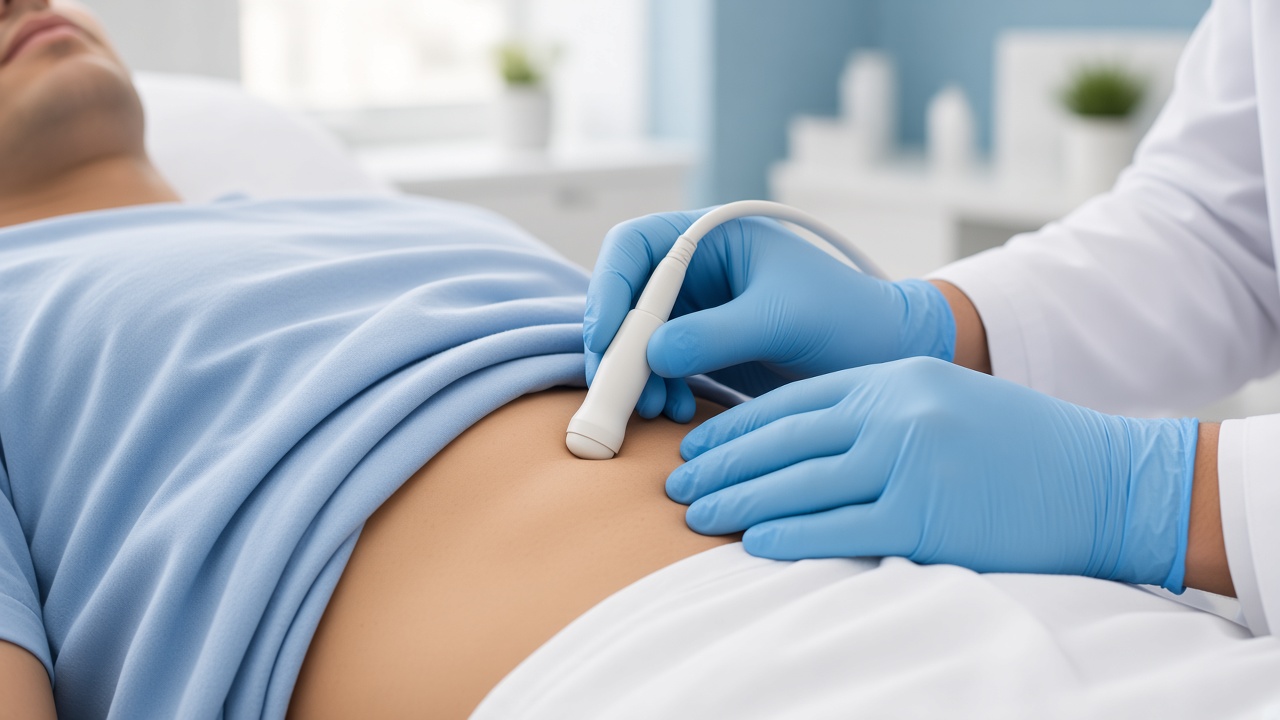
- 2. Scan: you lie on your back with your right arm raised. A small probe rests between your ribs on your right side, and you may feel a gentle pulse as it takes around 10 readings. The scan takes 5 to 10 minutes and does not hurt.
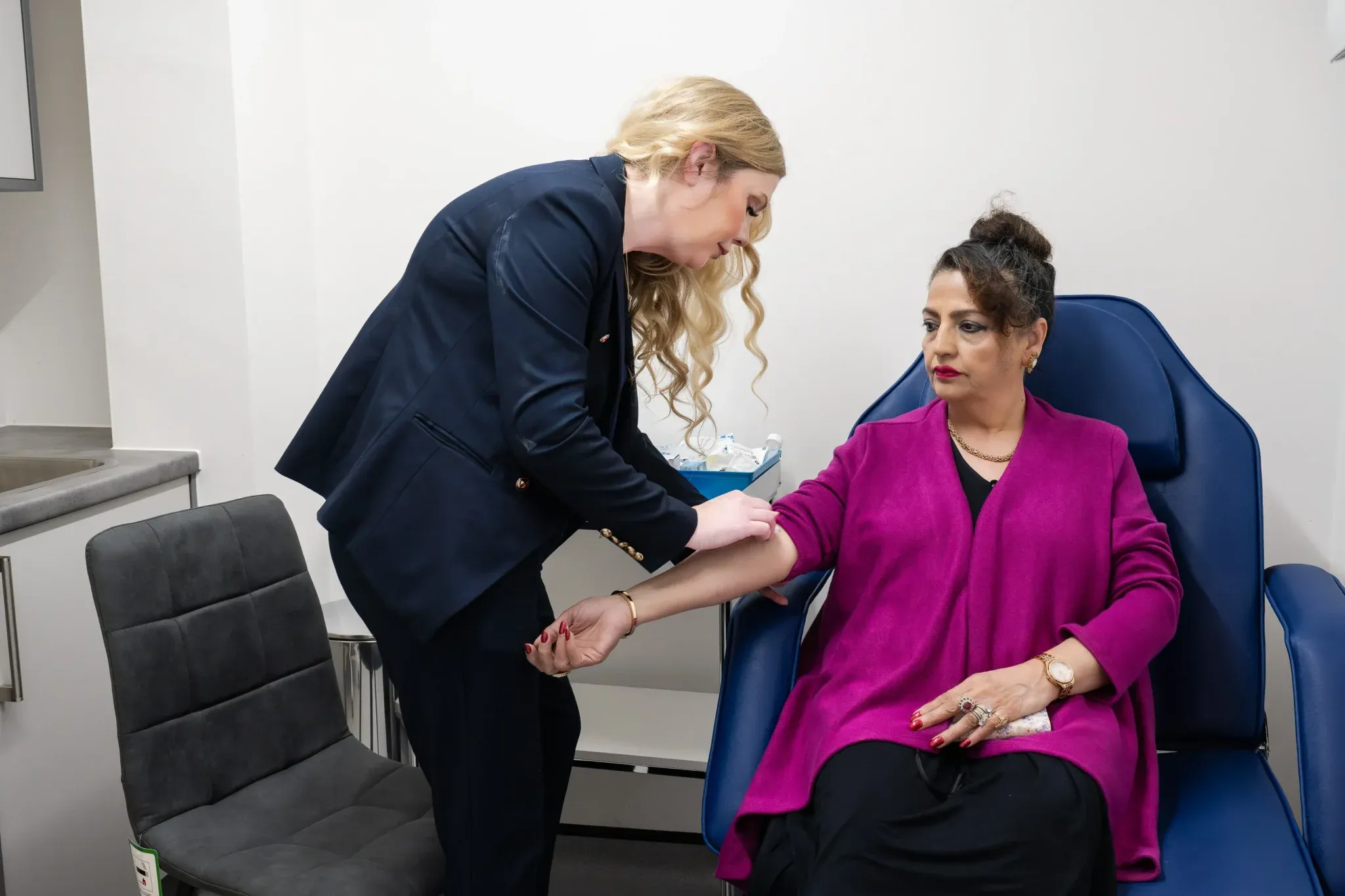
- 3. Blood tests: taken at the same visit, including full liver function tests, hepatitis B and C, fasting glucose and HbA1c, and a lipid profile.
- 4. Results: explained on the same day, with a formal written report within 48 hours.
There are no needles for the scan, no sedation and no recovery time. You can drive yourself home.
Reading Your Results
Your CAP Score (Fat)
A higher number means more fat. People often search for numbers such as 'CAP score 300' to see where they sit. However, cut-offs vary by study and machine, and no single number fits everyone. A CAP score should always be read alongside your stiffness score and other tests.
Your Stiffness Score (Scar Tissue)
A higher kPa usually means more scar tissue. Liver UK stresses that no set number tells you whether you have a liver condition, and that you must read your result alongside your other tests (Liver UK).
Why a Specialist Reading Matters
The same number can mean different things for different people. A specialist who knows your full history can tell a true result from a misleading one. At House of Health, your scan is read by our Consultant Hepatologist, Dr Nadir Abbas, who holds a PhD in liver disease from the University of Birmingham and has contributed to British guidelines on managing liver cirrhosis.
Your Plan: Can Fatty Liver Be Reversed?
Often, yes, especially in the early stages. Your plan will depend on your numbers and your health, and will often include:
- Weight loss, if you carry extra. Even a modest loss can cut liver fat. See how long it takes to reverse fatty liver.
- Food changes. Fewer sugary drinks and processed foods. Our guide to foods to eat and avoid with fatty liver can help.
- More activity. NICE notes some evidence that exercise reduces liver fat (NICE NG49).
- Less alcohol. Stay within 14 units a week, or stop if advised.
- Manage linked conditions, such as type 2 diabetes, blood pressure, and cholesterol.
If your stiffness score suggests advanced scarring, you will need closer follow-up from a liver specialist.
Tracking Your Progress With a Repeat Scan
Because a FibroScan gives numbers, not just a picture, you can compare one scan with the next.
| Stage | What happens | What you get |
|---|---|---|
| 1. Diagnosis | Fat shows on an ultrasound or blood tests are raised | A reason to look closer |
| 2. Baseline scan | Consultation, Fibrosis Scan and blood tests | Your starting CAP and stiffness scores |
| 3. Plan | Your consultant explains results and sets goals | A plan for diet, activity, alcohol and linked conditions |
| 4. Changes | You work on the plan | Steady progress |
| 5. Repeat scan | A follow-up scan at a time your doctor suggests | Proof of change, in numbers |
What tends to change first: fat often responds first, so many people see their CAP score drop after a period of steady changes. Scar tissue usually takes longer, so stiffness may change more slowly.
Tips for a fair comparison:
- Have your repeat scan with the same type of machine.
- Prepare the same way each time: same fasting time, no alcohol the day before.
- Try to book at a similar time of day.
- Bring your previous report.
Get a Clear Answer on Your Fatty Liver
- Fibrosis Scan, blood tests and consultant review in one visit.
- Clear written report within 48 hours.
- Repeat scans to track fat and stiffness over time.
- Insurance accepted, including Bupa, Vitality, WPA and AXA.
Questions to Ask Before You Book
- Do I already have a FIB-4 or ELF score?
- Will I get both a fat score and a stiffness score?
- Who will read and explain my results?
- Will I get a written report?
- When should I repeat the scan?
When to Get Help Fast
Contact your GP or NHS 111 straight away if your skin or the whites of your eyes turn yellow, or your tummy or legs swell (NHS).
Frequently Asked Questions
Does a FibroScan detect fatty liver?
Yes. The CAP score measures how much fat is in your liver and can pick up even mild fat.
Is a FibroScan necessary if I already know I have fatty liver?
It is very useful. Knowing you have fat does not tell you whether it has caused scarring. A FibroScan helps answer that, though not everyone needs one straight away if their risk is clearly low.
When should I have a FibroScan for fatty liver?
Common times are after an ultrasound shows fat, when FIB-4 is unclear or high, or when you have diabetes or drink above the limit.
What is a normal FibroScan result for fatty liver?
There is no single normal number for everyone. A higher CAP score means more fat, and a higher kPa means more stiffness. Your doctor will explain your result alongside your other tests.
What does a CAP score of 300 mean?
It suggests a notable amount of fat in the liver. It should always be read alongside your stiffness score and other tests.
Is a FibroScan accurate in fatty liver?
It is good at telling apart a healthy liver from one with a lot of scarring. Carrying a lot of weight around your middle can make readings harder, and a larger probe often helps.
Can I just have an ultrasound instead?
An ultrasound shows fat and other problems, but it cannot measure early scarring. Many people need both tests.
Can a FibroScan replace a liver biopsy?
For many people, yes. A FibroScan with blood tests often gives enough information. A biopsy may still help if results are unclear.
How soon can a FibroScan show improvement?
Fat can fall within months of steady changes. Scar tissue usually takes longer. Your consultant will suggest when a repeat scan makes sense.
Does a FibroScan hurt?
No. You may feel a gentle flick or pulse on your skin, but it is painless.
Do I need a GP referral for a FibroScan?
At House of Health, no. You can book directly.