
Your GP has mentioned an 'ELF test'. Or a number has landed in your NHS app, and you are not sure what it means. Either way, you want to know what the test checks, whether you should worry and what happens next.
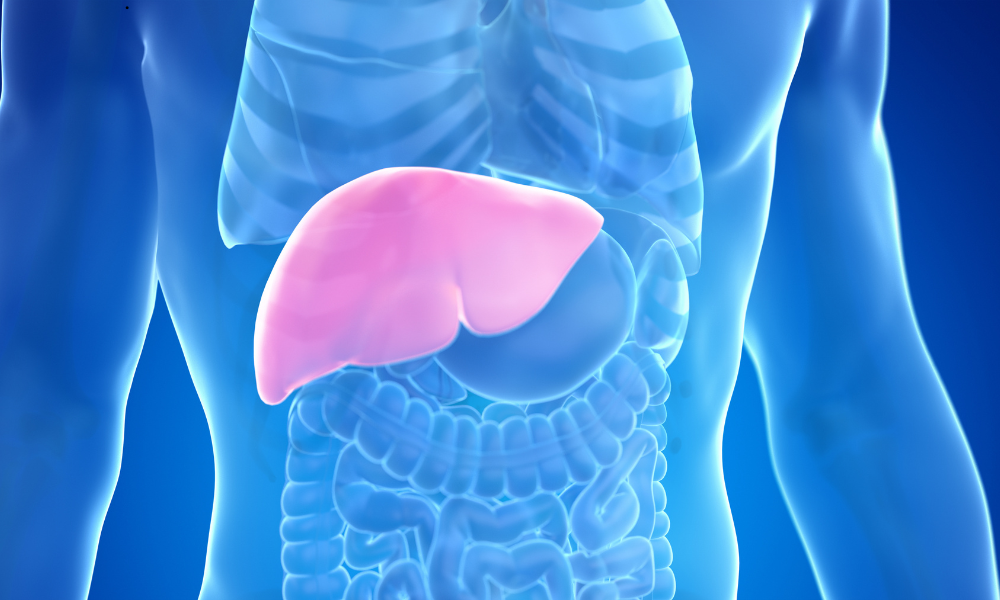
The enhanced liver fibrosis test, or ELF test, is a blood test. It looks for signs of scar tissue in your liver, which doctors call fibrosis. It does not look for fat, and it does not tell you the cause of a liver problem. It helps answer one key question: has long-term damage started to scar your liver?
This guide covers everything in one place: what the ELF test measures, who needs it, how it compares with FIB-4, FibroScan, ultrasound and biopsy, what your score means and the next steps a liver specialist may take.
Key Takeaways
- The ELF test is a blood test that estimates how much scar tissue (fibrosis) is in your liver. It does not measure fat.
- It measures three markers in your blood (HA, PIIINP and TIMP-1) and turns them into one score.
- NICE advises doctors to consider the ELF test for people diagnosed with fatty liver disease (MASLD).
- For MASLD, NICE uses 10.51 as the cut-off. Below it, advanced fibrosis is unlikely. At or above it, you should be referred to a liver specialist.
- The ELF test is not part of a standard liver blood test. It needs its own request.
- It is one of several tests. FIB-4 is often the first filter, and a FibroScan measures liver stiffness and fat in one painless scan.
- A single score is never read on its own. A specialist looks at your whole picture.
What Is the Enhanced Liver Fibrosis Test?
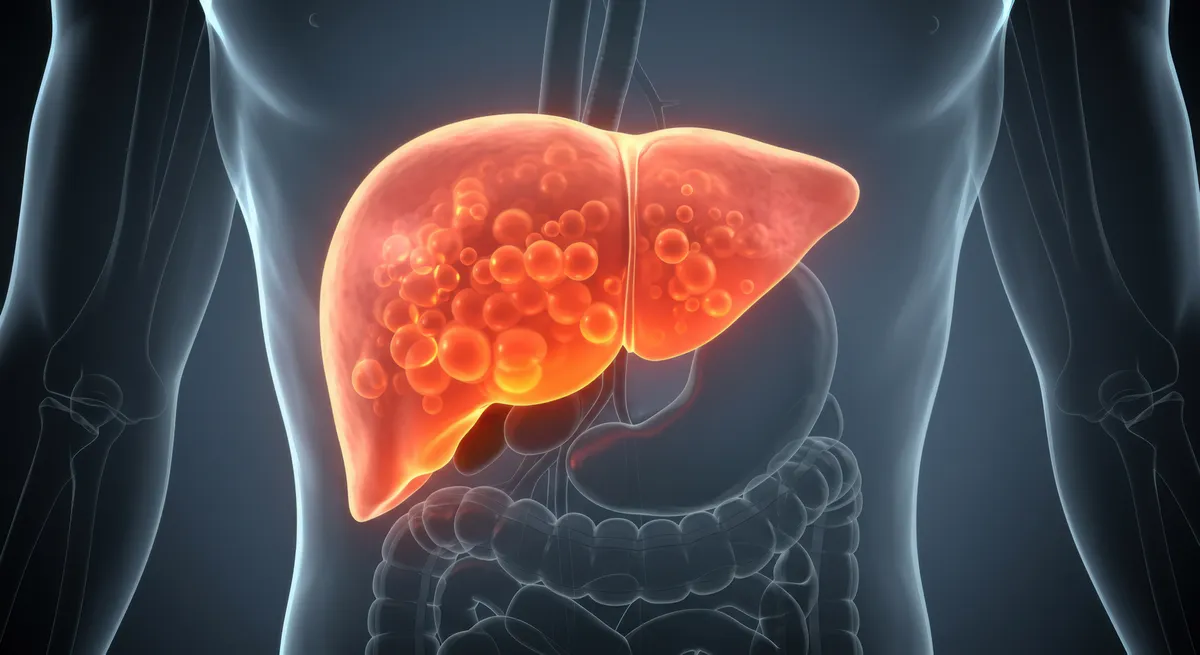
Your liver is very good at healing. When it is hurt, it lays down a protein called collagen to patch the damage. If the damage keeps happening, for example from fat, alcohol or a virus, that patching builds up into scar tissue. Over many years, a lot of scar tissue can lead to cirrhosis.
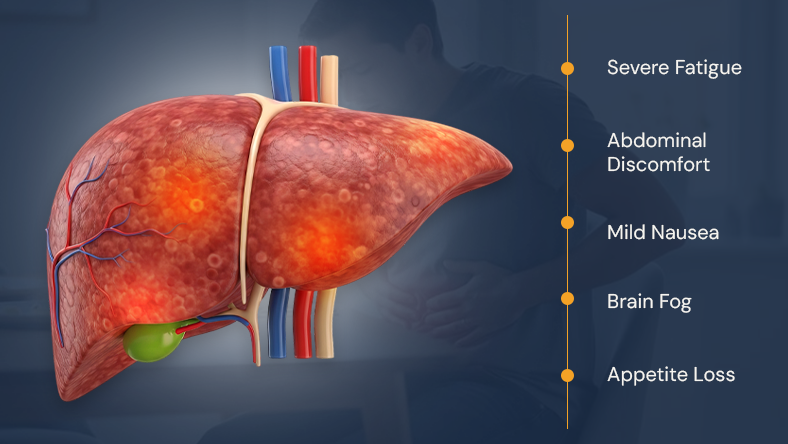
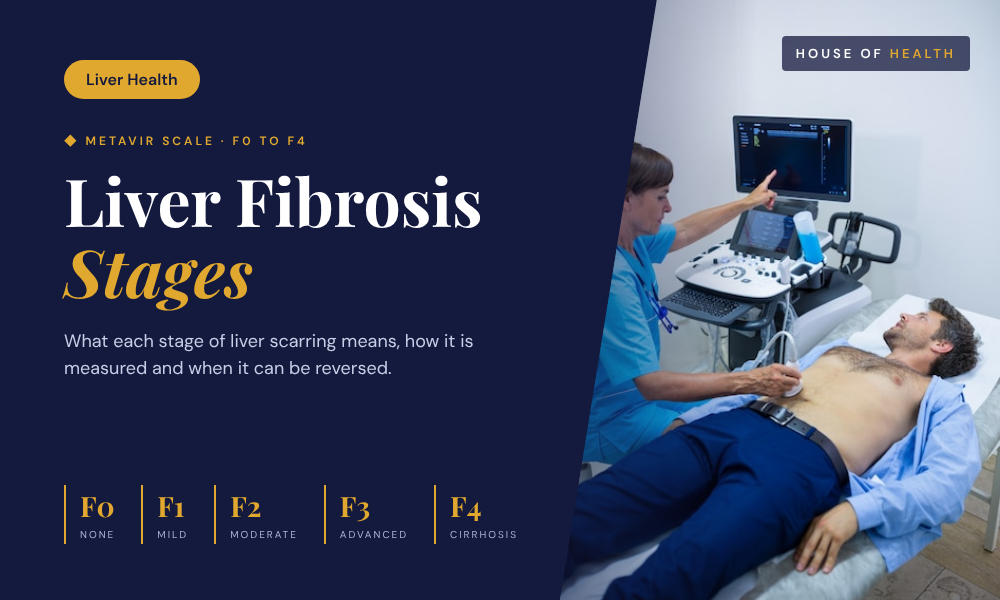
Scar tissue usually causes no symptoms, which is why tests matter. Doctors grade it from F0 (none) to F4 (cirrhosis). Our guide to liver fibrosis stages explains each stage.
What Does the ELF Test Measure?
The test checks three markers in one small blood sample (Liver UK):
- Hyaluronic acid (HA): a substance involved in scar tissue formation.
- PIIINP (procollagen III amino terminal peptide): a marker of new collagen being made.
- TIMP-1 (tissue inhibitor of metalloproteinase 1): a protein that makes it harder for your liver to clear scar tissue away.
A lab puts these three results into a formula. You get one number back: your ELF score. Higher scores suggest more scarring.
How Is It Different From a Normal Liver Blood Test?
A standard liver function test checks enzymes such as ALT and AST. These show whether your liver is under strain right now, but they can be normal even when scar tissue is present.
NICE says doctors should not use routine liver blood tests to check for advanced fibrosis in people with MASLD (NICE NG49). The ELF test was designed for that job. If your ALT has come back high, our guide on what a high ALT means is a good place to start.
Who Needs an ELF Test?
You may be offered an ELF test if:
- you have been told you have fatty liver disease (MASLD)
- your FIB-4 score is not low
- you have type 2 diabetes or carry extra weight around your middle
- your liver blood tests have been abnormal for a while
- your doctor wants to check whether earlier scarring has changed
NICE advises offering people with MASLD a test for advanced fibrosis and suggests the ELF test (NICE NG49).
What Happens During an ELF Test?
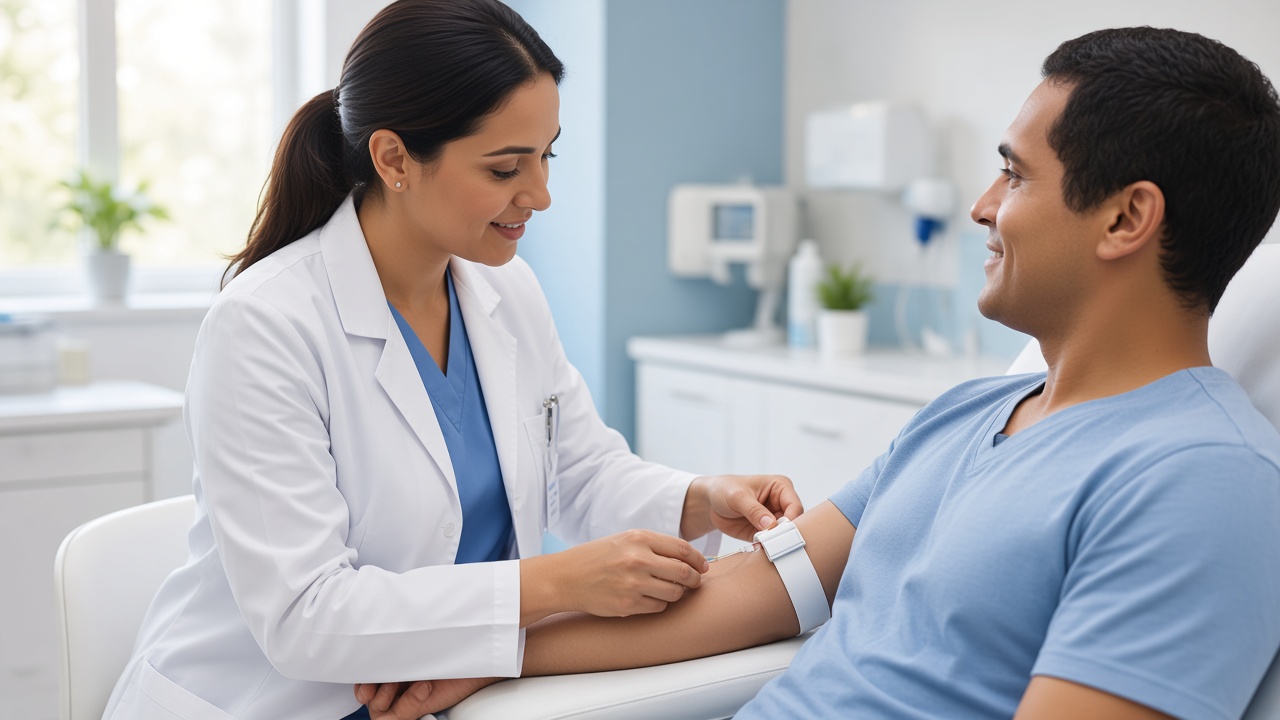
It's like any other blood test.
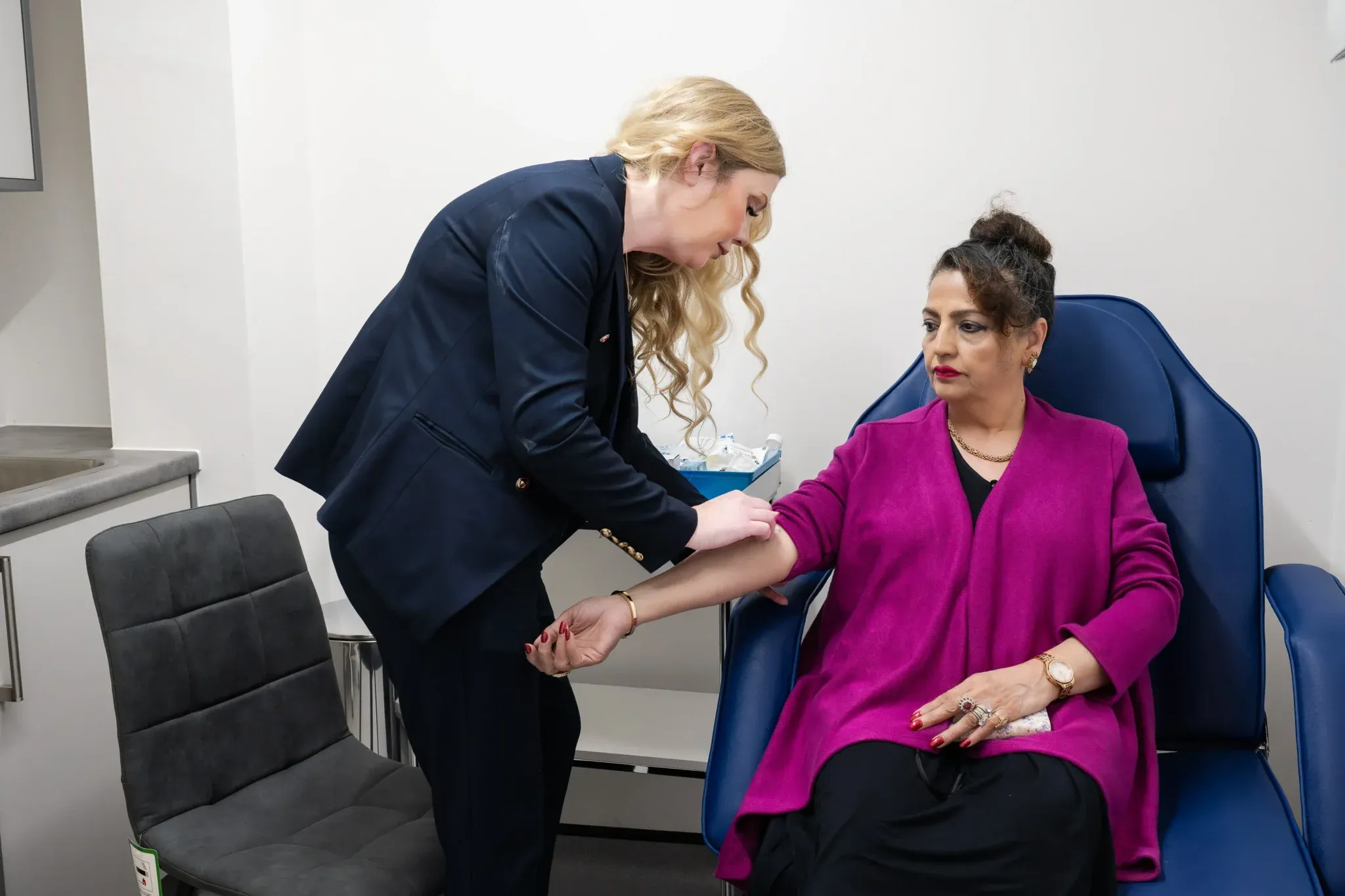
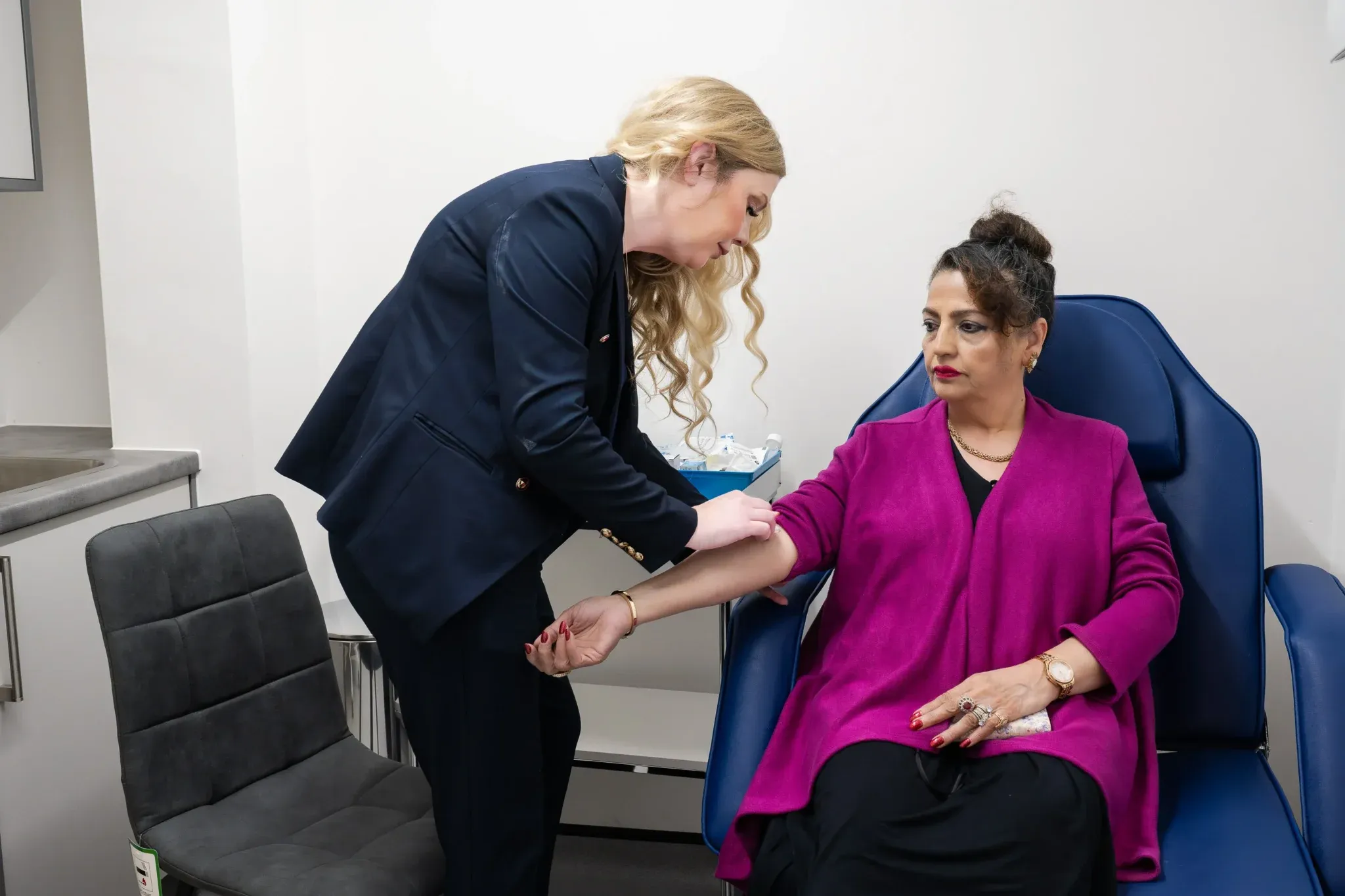
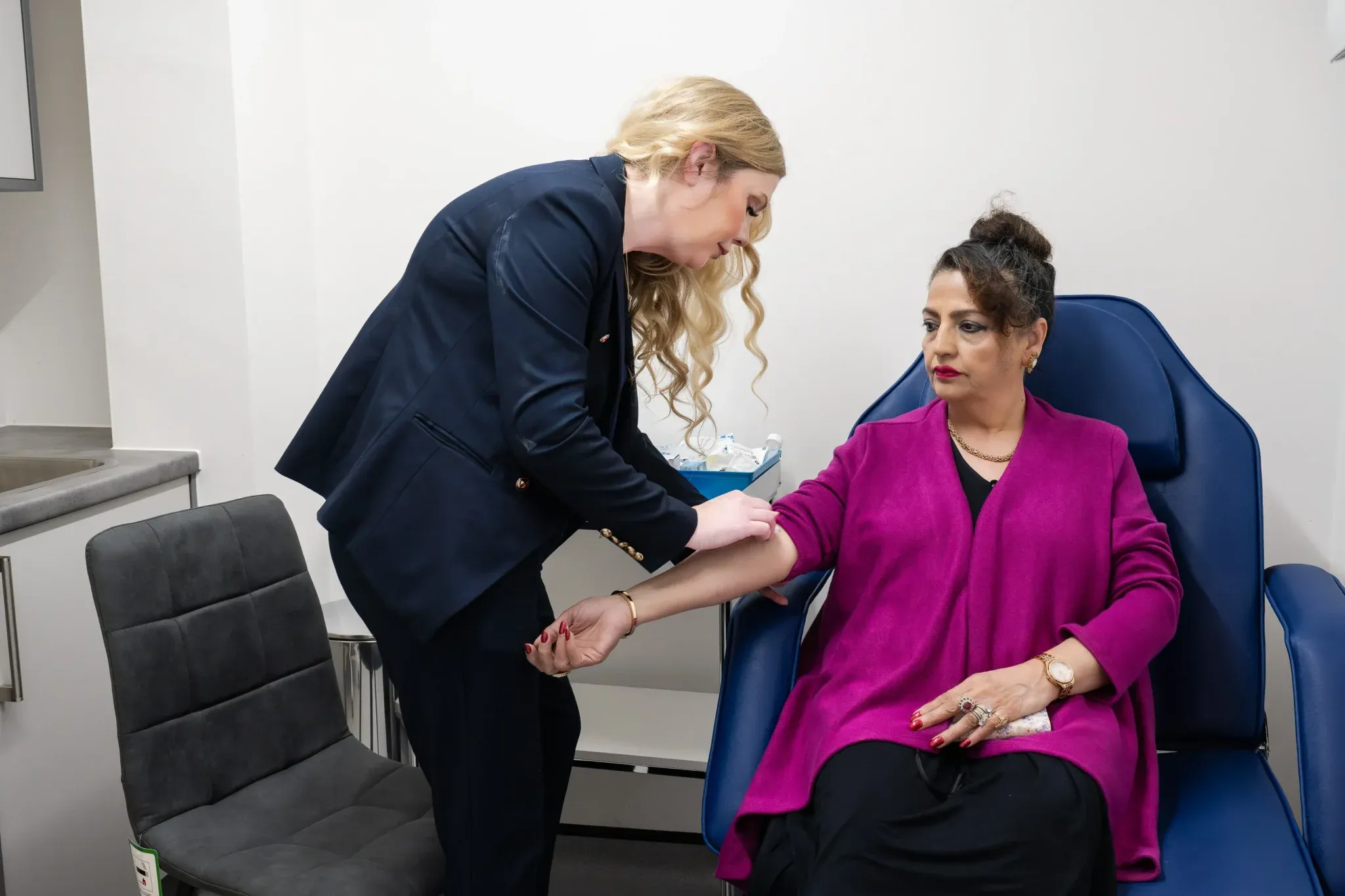
- 1. A nurse or doctor takes a small blood sample, usually from your arm.
- 2. The sample goes to a lab that runs the ELF test.
- 3. Your doctor gets the score back and explains it to you.
Because the ELF test is not part of a standard liver blood test, it needs its own request (Liver UK). Ask whoever arranges your test whether you need to do anything beforehand.

Been Told You Have Fatty Liver? Find Out If It Has Caused Scarring
- Scar tissue in the liver is often silent.
- Our Liver Health MOT checks liver stiffness and fat with a Fibrosis Scan, plus a full blood panel.
- Led by a Consultant Hepatologist in central Birmingham.
- Results explained to you on the same day. No GP referral needed.
What Does Your ELF Score Mean?
Your result is a single number. Put simply, the higher the number, the more scar tissue your liver likely has.
The NICE Cut-Off: 10.51
For people with MASLD, NICE uses one main cut-off (NICE NG49):
| ELF score (MASLD) | What NICE says | What usually happens next |
|---|---|---|
| Below 10.51 | Advanced fibrosis is unlikely | Lifestyle advice and a repeat test every 3 years for adults |
| 10.51 or above | Advanced fibrosis is diagnosed | Referral to a liver specialist (hepatologist) |
Why Your Report May Use Other Numbers
Some services use different bands. Liver UK, for example, gives a rough guide: a score below 9.8 suggests mild or moderate scarring, and 9.8 or above suggests more severe scarring. It also stresses that exact numbers vary by place (Liver UK).
So do not compare your number with a chart you find online. Ask your doctor which cut-off their lab uses and what your score means for you.
What Can Affect Your Score?
An ELF score is a strong clue, but it is still a clue. A few things can nudge it up:
- Age. Scores tend to be higher in older people.
- Scarring or inflammation elsewhere in the body. Some joint, lung or other long-term conditions can raise the markers.
- Recent illness or inflammation.
That is why your doctor reads your ELF result alongside your history, other blood tests, and often a scan.
How the ELF Test Compares With Other Liver Scarring Tests
FIB-4, ELF, FibroScan, ultrasound and biopsy all try to answer the same question: is there scar tissue in your liver, and how much? They just go about it in different ways.
| FIB-4 | ELF test | FibroScan | Ultrasound | Liver biopsy | |
|---|---|---|---|---|---|
| What it is | A score worked out from age, ALT, AST and platelets | A blood test of three scarring markers | A scan that measures liver stiffness (kPa) and fat (CAP) | A scan that makes a picture of the liver | A tiny sample of liver taken with a needle |
| Looks for scarring? | Yes, estimates risk | Yes, estimates severity | Yes, estimates stiffness | Only when severe | Yes, directly |
| Looks for fat? | No | No | Yes (CAP score) | Yes, but can miss mild fat | Yes |
| Needles | Routine blood test | Routine blood test | None | None | Yes |
| Best use | A first filter | A second step, or a first step in MASLD | A detailed, painless check you can repeat | A first look for other causes, such as gallstones | When other results do not agree |
FIB-4: The Quick First Filter
FIB-4 is not a separate test. It is calculated from routine blood results and your age. Liver UK gives these general ranges (Liver UK):
- below 1.3: low risk of advanced fibrosis
- 1.3 to 3.25: unclear risk
- above 3.25: high risk
It is free and fast, but less reliable under 35 and over 65, and many people land in the 'unclear' middle. That is where an ELF test or a FibroScan helps.
ELF Test vs FibroScan
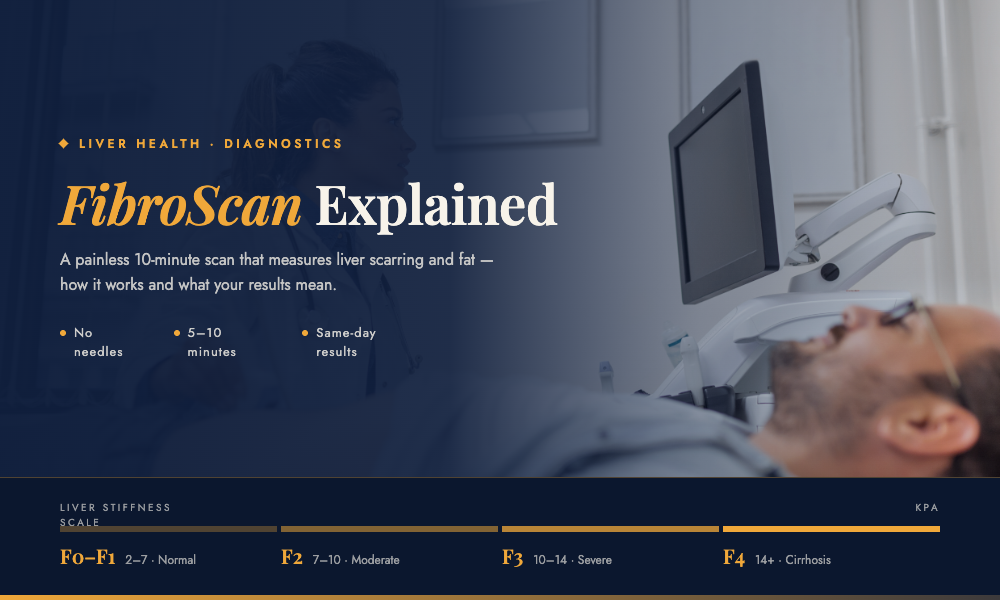
The ELF test reads signals in your blood. A FibroScan (at House of Health we call it a Fibrosis Scan) measures how stiff your liver is and gives a CAP score for fat. It is painless, needs no needles and gives numbers straight away (Liver UK).
Neither is better in every case. The ELF test only needs a blood sample. A FibroScan adds a fat score and is easy to repeat, but a recent meal, recent drinking or a flare of inflammation can push the stiffness reading up. Many people have one test, then the other if the first result is unclear. Our Fibrosis Scan guide explains how the scan works.
Ultrasound and Biopsy
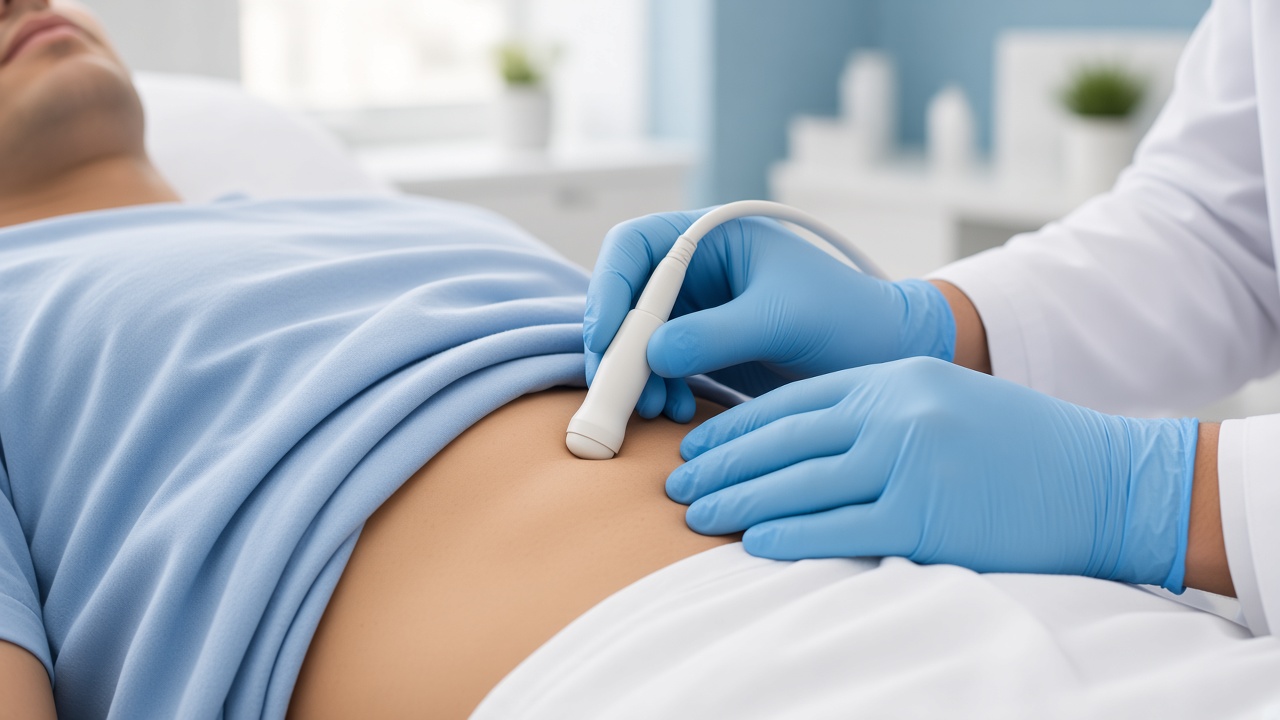
A liver ultrasound shows your liver's shape, fat, gallstones, and lumps. It cannot measure early or moderate scarring, so a normal ultrasound does not rule out fibrosis.
A biopsy shows scar tissue directly, but it is invasive, carries small risks and samples only a tiny part of the liver. Most people now get enough information from blood tests and a scan. Doctors tend to save a biopsy for when results disagree or the cause is unclear.
Which Test Fits Your Situation?
Your doctor will tailor this to you, but as a rough guide:
- You have just been told you have fatty liver. FIB-4 is often the first step if you have recent blood tests. If it is not low, an ELF test or a FibroScan usually comes next.
- Your FIB-4 is in the unclear range. An ELF test or a FibroScan can help sort low risk from high risk.
- You want fat and scarring checked together. A FibroScan gives both in one visit. The ELF test only looks at scarring.
- You want to track change over time. Pick one method and stick with it. ELF scores and FibroScan numbers use different scales, so you can't compare them directly.
- Your results do not agree. This happens. A liver specialist can weigh up the full picture and decide if you need more tests.
What Happens After Your Result?
If Your Score Is Low
Advanced scarring is unlikely. However, fat and inflammation can still be present, so a low score is not a free pass. Your doctor will usually suggest lifestyle changes and a follow-up check.
If Your Score Is High
Try not to panic. A high score is a signal to look more closely, not a final verdict. A liver specialist will usually do three things:
- 1. Look for the cause. Common causes include fatty liver disease, MASH (fatty liver with inflammation), alcohol, viral hepatitis and autoimmune liver conditions. The cause decides the treatment.
- 2. Confirm the stage. Often with a Fibrosis Scan, which measures liver stiffness and fat in a few minutes. Some people also need an ultrasound to rule out other problems.
- 3. Make a plan. This may include lifestyle changes, treating linked conditions such as diabetes, and regular checks. People with cirrhosis need ongoing specialist monitoring (NICE NG50).
Even advanced scarring can often improve once you treat the cause.
Getting a Fuller Picture at House of Health
If you have an ELF or FIB-4 result and want to understand it, you can see a Consultant Hepatologist at House of Health without a GP referral. Our liver service is led by Dr Nadir Abbas, Consultant Hepatologist and Gastroenterologist, who holds a PhD in liver disease from the University of Birmingham and has contributed to British guidelines on managing liver cirrhosis.
Our Liver Health MOT takes around 60 minutes:
- 1. Before you come: fast for at least 3 hours (water is fine) and avoid alcohol for 24 hours.
- 2. Your consultation: your consultant goes through your history, lifestyle and past results, including any ELF score you bring.
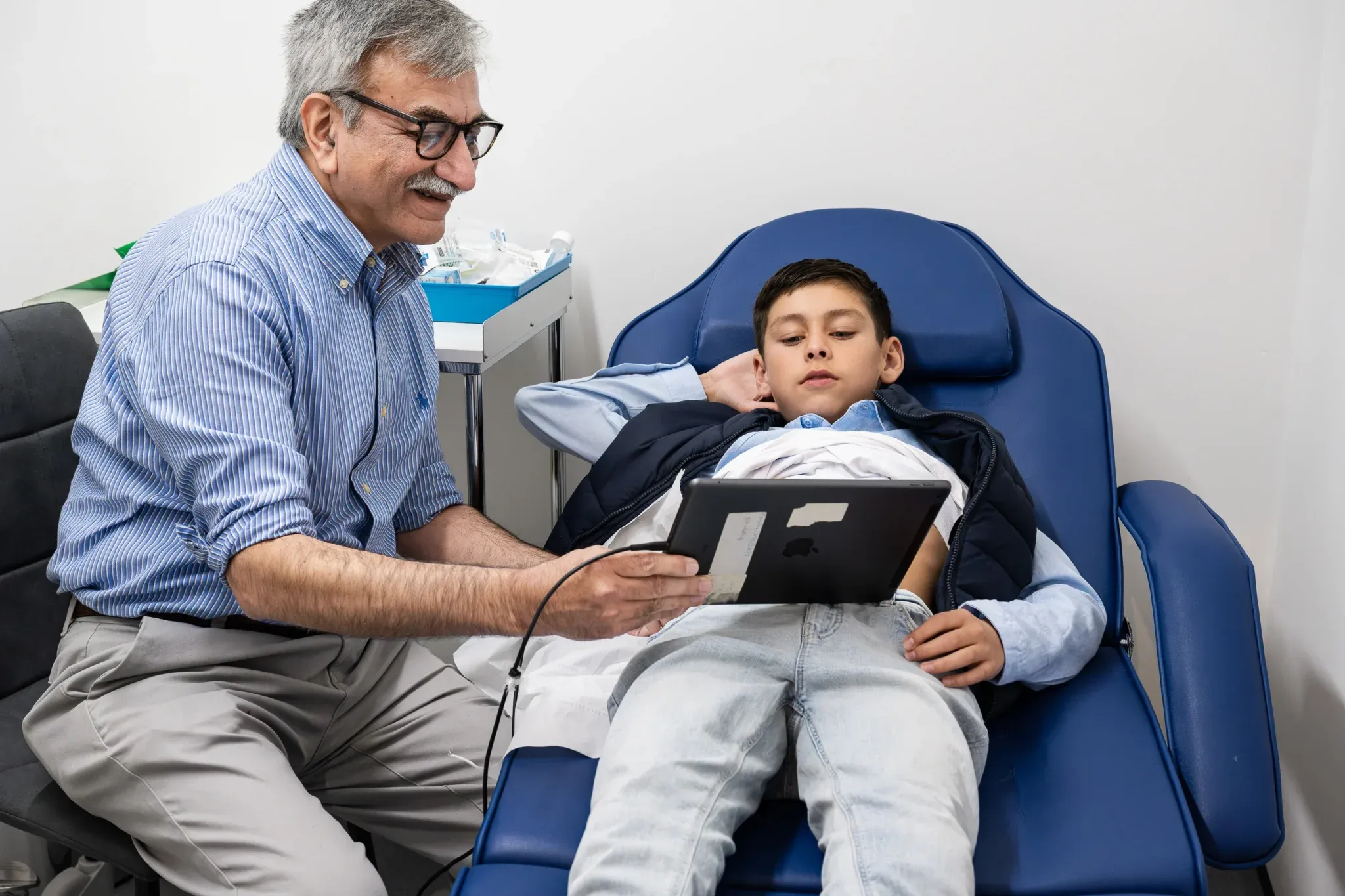
- 3. Your Fibrosis Scan: you lie on your back with your right arm raised while a small probe rests between your ribs on your right side. You may feel a gentle pulse. It does not hurt.
- 4. Your blood tests: taken at the same visit, including full liver function tests, hepatitis B and C, fasting glucose and HbA1c, and a lipid profile.
- 5. Your results: explained on the same day, with a personalised plan and a formal written report within 48 hours.
Have an ELF or FIB-4 Result and Want a Specialist's View?
- See a Consultant Hepatologist without a GP referral.
- Bring your ELF, FIB-4 and liver blood test results.
- Add a same-day Fibrosis Scan if you need one.
- Insurance accepted, including Bupa, Vitality, WPA and AXA.
Protect Your Liver, Whatever Your Score
The liver can repair itself, often more than people expect. These steps help:
- Lose weight if you carry extra, even a small amount. See how long it takes to reverse fatty liver.
- Eat well. Cut back on sugary drinks and highly processed food. Our guide to foods to eat and avoid with fatty liver has ideas.
- Move more. NICE notes some evidence that exercise reduces liver fat (NICE NG49).
- Keep alcohol low. Stay within 14 units a week, or stop if your doctor advises.
Check with your doctor before taking liver supplements.
Questions to Ask Your Doctor
- Which test do you suggest for me, and why?
- What cut-off do you use for my result?
- Do I need a second test to confirm it?
- When should I be tested again?
- Should I see a liver specialist?
When to Get Help Fast
Contact your GP or NHS 111 straight away if your skin or the whites of your eyes turn yellow, or your tummy or legs swell. If you have cirrhosis, call 999 if you vomit blood or your poo is black (NHS).
Frequently Asked Questions
What is the enhanced liver fibrosis test?
A blood test that estimates how much scar tissue is in your liver. It measures three markers linked to scarring and turns them into one score.
Is the ELF test available on the NHS?
NICE recommends that doctors consider it for people with MASLD. Availability varies by local NHS service, so ask your GP.
What is a normal ELF score?
There is no single 'normal' for everyone. For people with MASLD, NICE says a score below 10.51 means advanced fibrosis is unlikely. Your doctor will explain your own result.
My ELF score is high. Does that mean cirrhosis?
Not always. A high score means advanced scarring is likely and needs further evaluation. A specialist will use other tests to confirm your stage.
Does the ELF test show fatty liver?
No. It looks for scar tissue, not fat. A FibroScan CAP score or an ultrasound can check for fat.
Is the ELF test better than a FibroScan?
Neither is better in every case. They measure scarring differently and often work best together.
What is a normal FIB-4 score?
Liver UK uses below 1.3 as low risk, 1.3 to 3.25 as unclear and above 3.25 as high risk. Cut-offs can vary by age and by service.
Can my ELF score go down?
It can. If you treat the cause of liver damage, scarring can improve over time, and repeat scores may fall.
How often should I repeat the ELF test?
NICE suggests every 3 years for adults with MASLD whose score is below 10.51. If your score was high, your specialist will set a closer plan.
Do I still need a liver biopsy?
Most people do not. A biopsy is usually kept for when other tests disagree, or the cause of liver damage is unclear.
Do I need a referral to see a liver specialist privately?
At House of Health, no. You can book a consultation with our Consultant Hepatologist directly and bring any ELF, FIB-4, blood test or scan reports you have.